

Antique Figurine Art
These antique figurine art pieces span centuries of sculptural craft, offering tactile representations of human and animal form for the discerning collector.
Antique Figurine Art
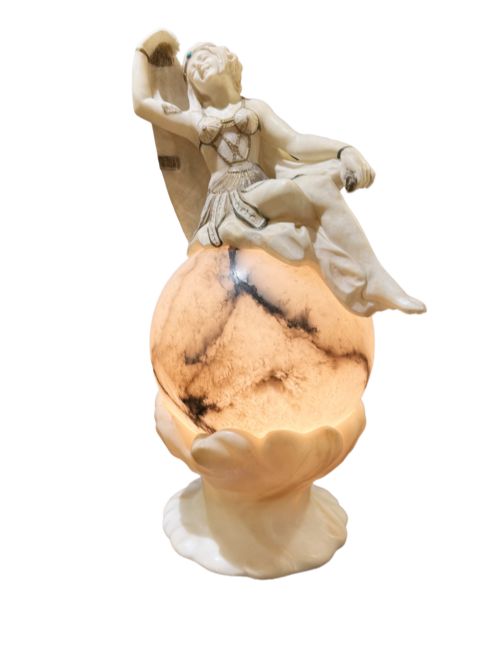
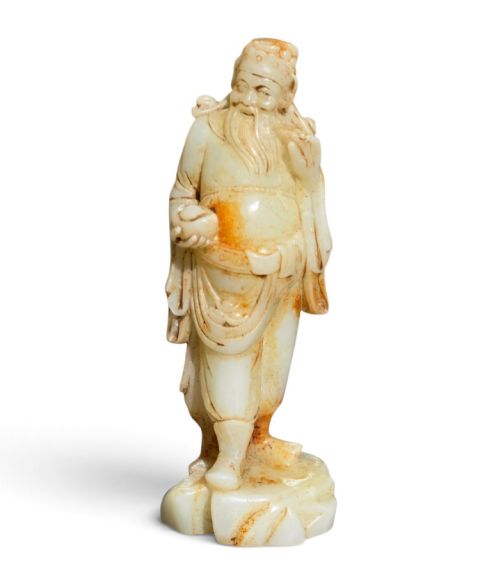
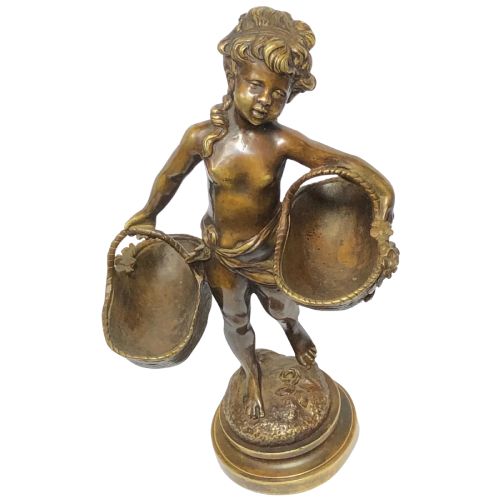
Antique figurine art encompasses sculptural works and statuary produced across diverse periods, ranging from sixteenth-century carvings to mid-twentieth-century figures. When exploring this category, buyers frequently encounter works reflecting stylistic movements such as Art Deco, Art Nouveau, and traditional folk art. These objects materialise as desk accessories, table lamps, and decorative sculptures designed to occupy prominent interior spaces.
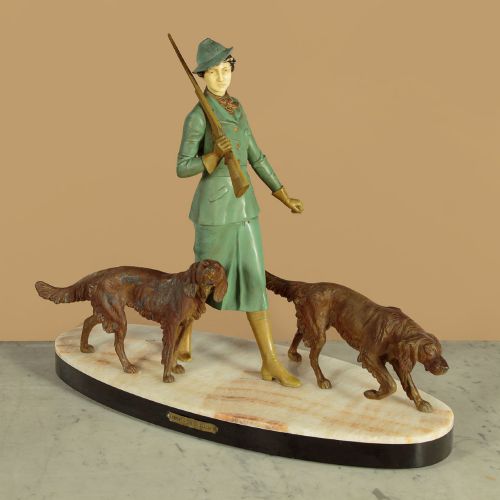
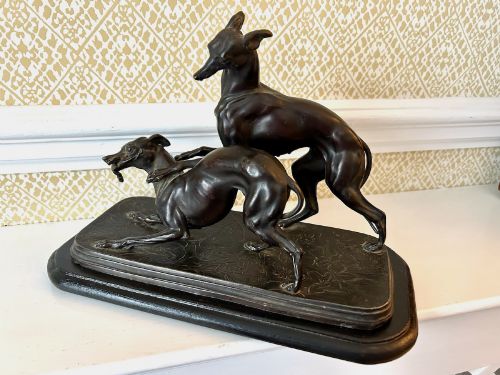
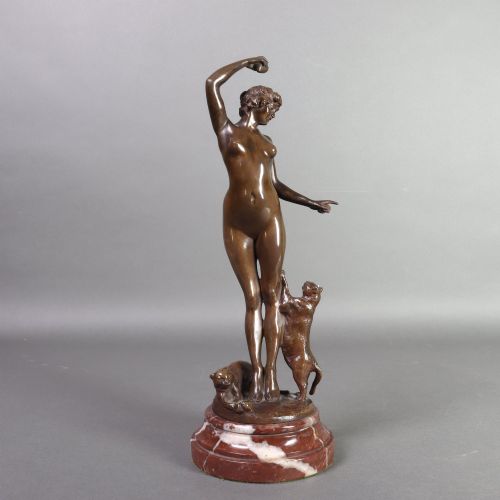
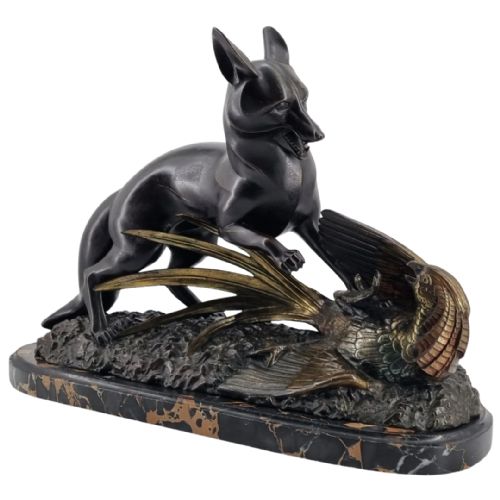
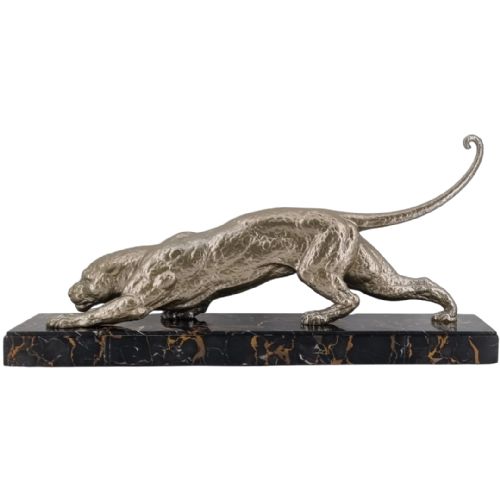
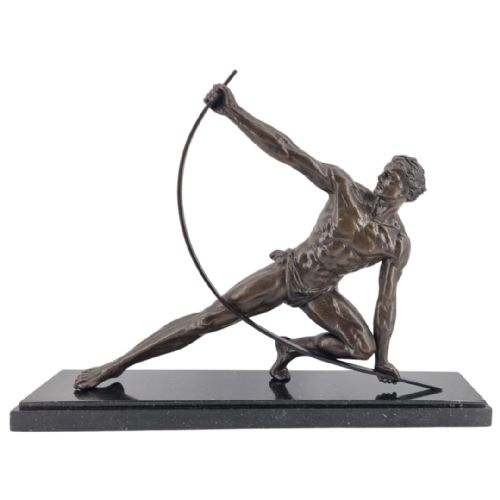
The assortment on this page draws heavily from early twentieth-century production, particularly the 1920s and 1930s, alongside nineteenth-century works and older Asian antiquities. Common subjects include dancers, athletes, animals such as hounds and panthers, and human figures rendered in various states of motion or repose. Originating from European studios and Asian workshops alike, these pieces serve as tangible links to historical design eras.
How They Were Made
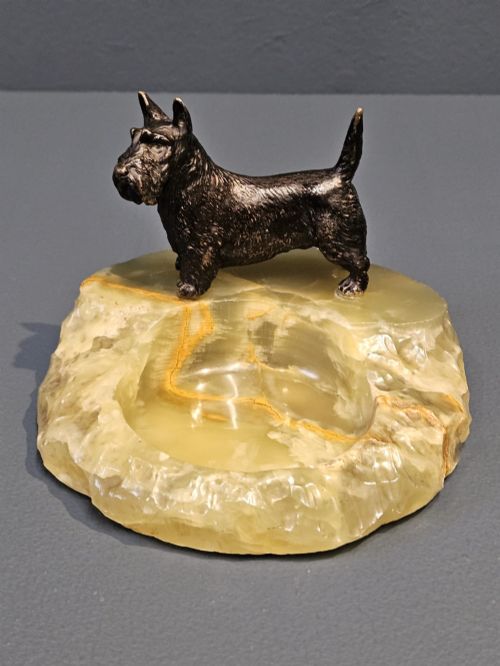
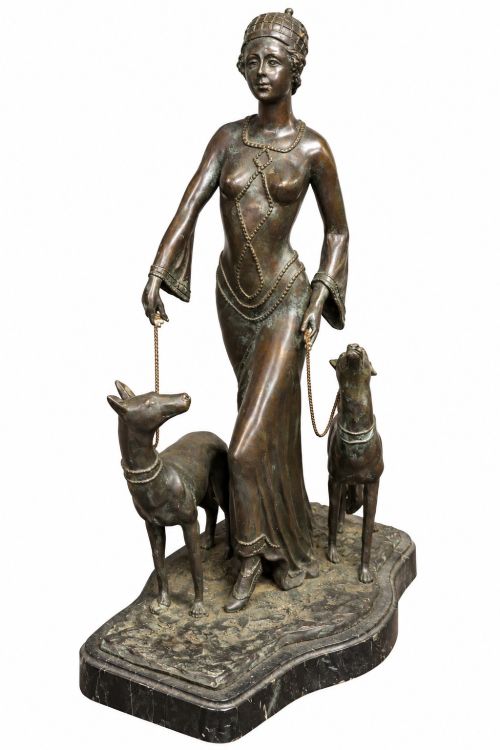
The creation of these sculptural pieces relies on casting and carving techniques applied to a diverse array of materials. Metalworkers utilised bronze, spelter, and patinated metals, often mounting the resulting figures on marble or onyx bases. Artisans also employed silver inlay and cold painting to add surface detail and colour to metallic forms.
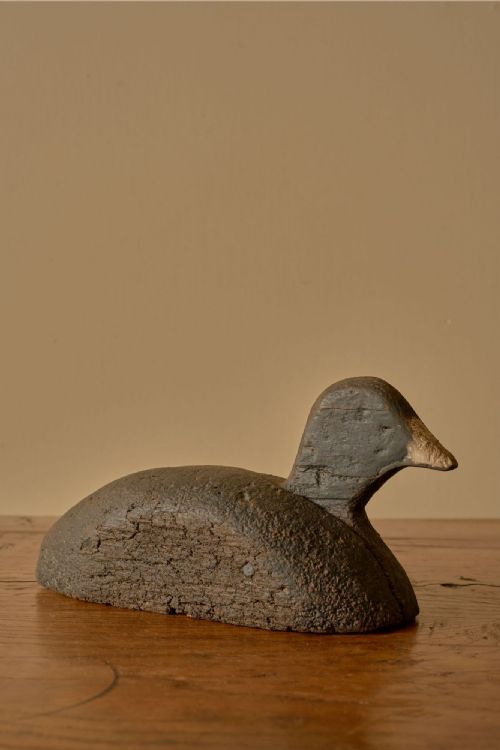
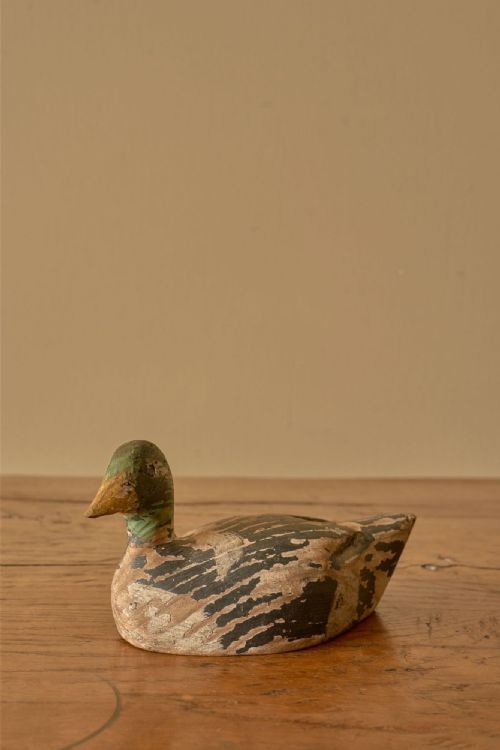
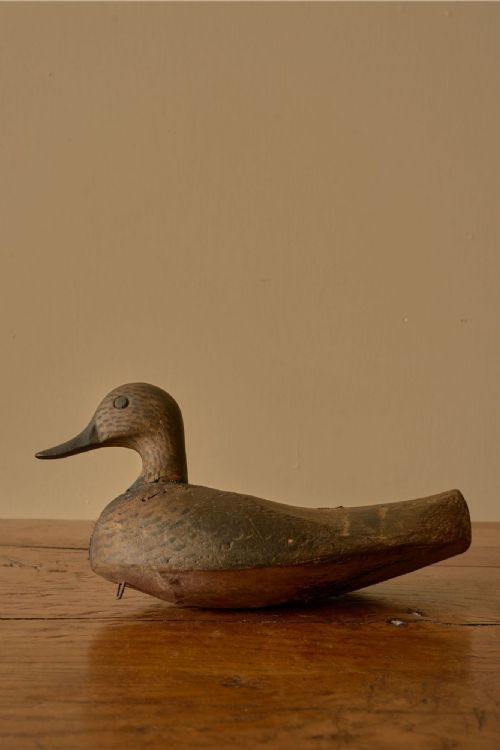
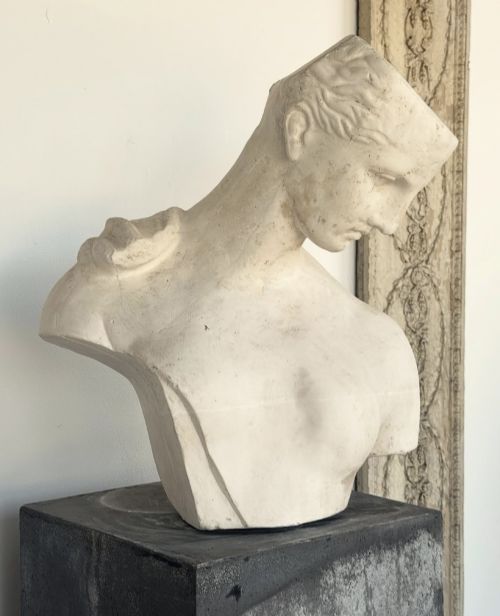
Carvers shaped various woods including cedar, linden, and hardwood, producing items such as decoy ducks, bears, and snuff boxes with hand-painted finishes. Sculptors likewise worked with stone and mineral substances, producing items from alabaster, nephrite jade, lapis lazuli, and precious red coral, alongside moulded plaster for bust forms.
The listings span eight distinct historical periods, from sixteenth-century Asian carvings to mid-twentieth-century plaster busts.
What Varies in Quality
The standard of execution in these figural works depends upon the precision of the casting or the finesse of the hand-carving. Master sculptors achieved anatomical accuracy and fluid movement, whereas lesser examples display stiffness or simplified proportions. The integration of patination, cold painting, and surface engraving dictates the visual depth of the object.
Material selection significantly influences the standing of a piece, distinguishing works carved from high-grade nephrite jade or cast in solid bronze from those formed in spelter or plaster. The presence of signatures, foundry marks, or documented artistic attribution elevates the status of a figurine, reflecting the creator's reputation within periods such as Art Deco or the Ming Dynasty.
Auguste Moreau·Gustave Dussart·Lavroff·D. H. Chiparus·Jean de Roncourt·Hagenauer·Maurice Giraud-Rivière·Pierre Collinet·Bruno Zach·Josef Lorenzl·Sudre·Moreau Family
The Antique Figurine Art Glossary
- Art Deco
- A design style prevalent in the 1920s and 1930s characterised by sleek lines, geometric shapes, and dynamic depictions of motion.
- Spelter
- A zinc alloy commonly utilised as a less costly alternative to bronze for sculptural casting during the nineteenth and twentieth centuries.
- Patinated Metal
- Metal treated with chemicals or heat to produce a specific surface colour and protective coating over time.
- Nephrite Jade
- A dense, tough silicate mineral carved into intricate figural and decorative objects, particularly in traditional Chinese art.
- Cold Painted
- A method of applying non-fired paint to metal sculptures, frequently seen on Austrian bronze animals and figures from the early twentieth century.
Antique Figurine Art: Frequently Asked Questions
What materials are common?
These sculptures utilise various metals including bronze and spelter, alongside carved stones like alabaster, jade, and lapis lazuli. Organic materials such as hardwoods and red coral also appear frequently across the different eras.
Artisans frequently combined these substances, mounting metal figures on heavy stone bases or adding hand-painted details to wood and bronze.
How do I identify Art Deco figures?
Art Deco figurines typically depict streamlined human forms, dancers, or athletic animals captured in dynamic movement. Look for characteristic materials like patinated bronze paired with geometric marble bases.
These works often reflect the aesthetic priorities of the interwar period, emphasising sleek contours and energetic poses.
Are these pieces signed?
Certain sculptures bear signatures or foundry marks inscribed directly into the metal or stone. Pieces by notable artists frequently carry these marks to verify their origin.
Unsigned examples still appear widely, representing anonymous studio production or works where signatures were omitted or worn away.
How should I display them?
Figurines and decorative objects require stable flat surfaces such as mantelpieces, desks, or dedicated display cabinets. Placing them away from direct sunlight protects vulnerable painted surfaces and organic materials.
Allowing adequate clearance around each piece ensures the sculptural form and materials remain fully visible from multiple angles.