
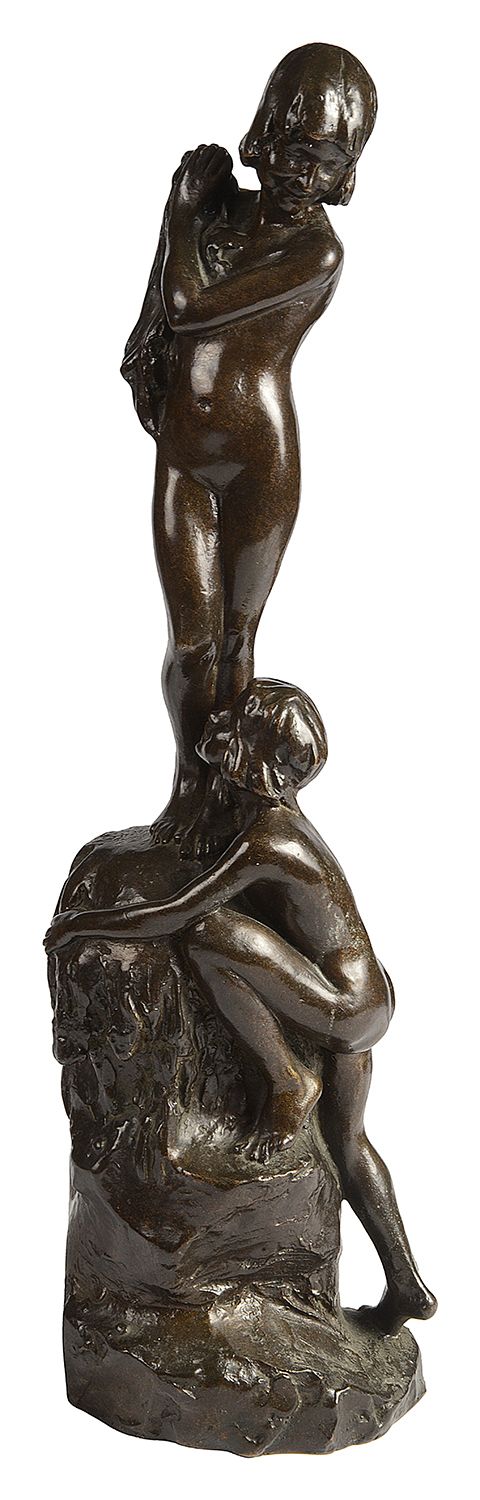
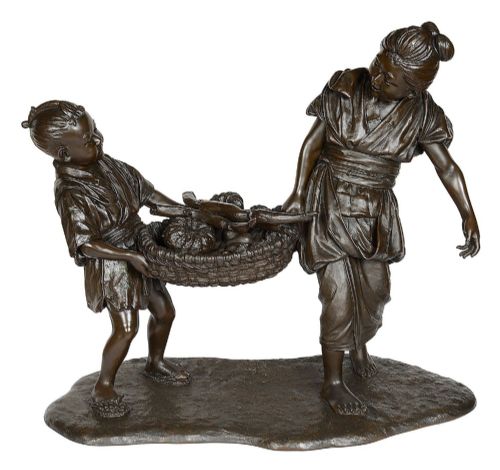
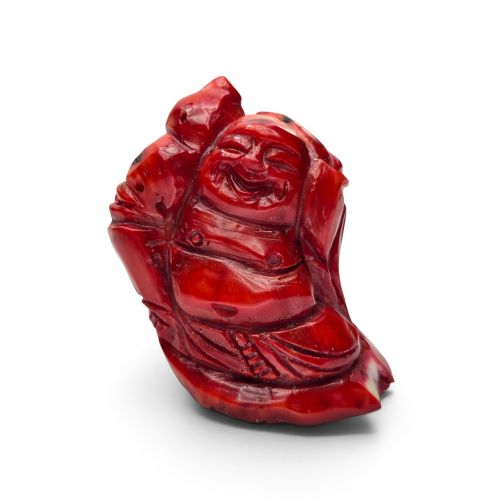
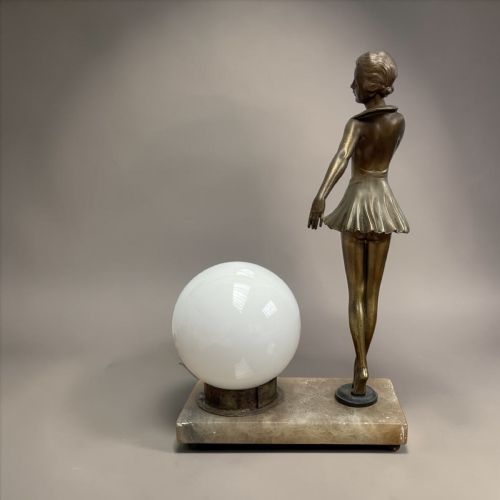
Antique Figural Sculpture
When you handle antique figural sculpture, you find that the human and animal form takes countless cast and carved shapes.
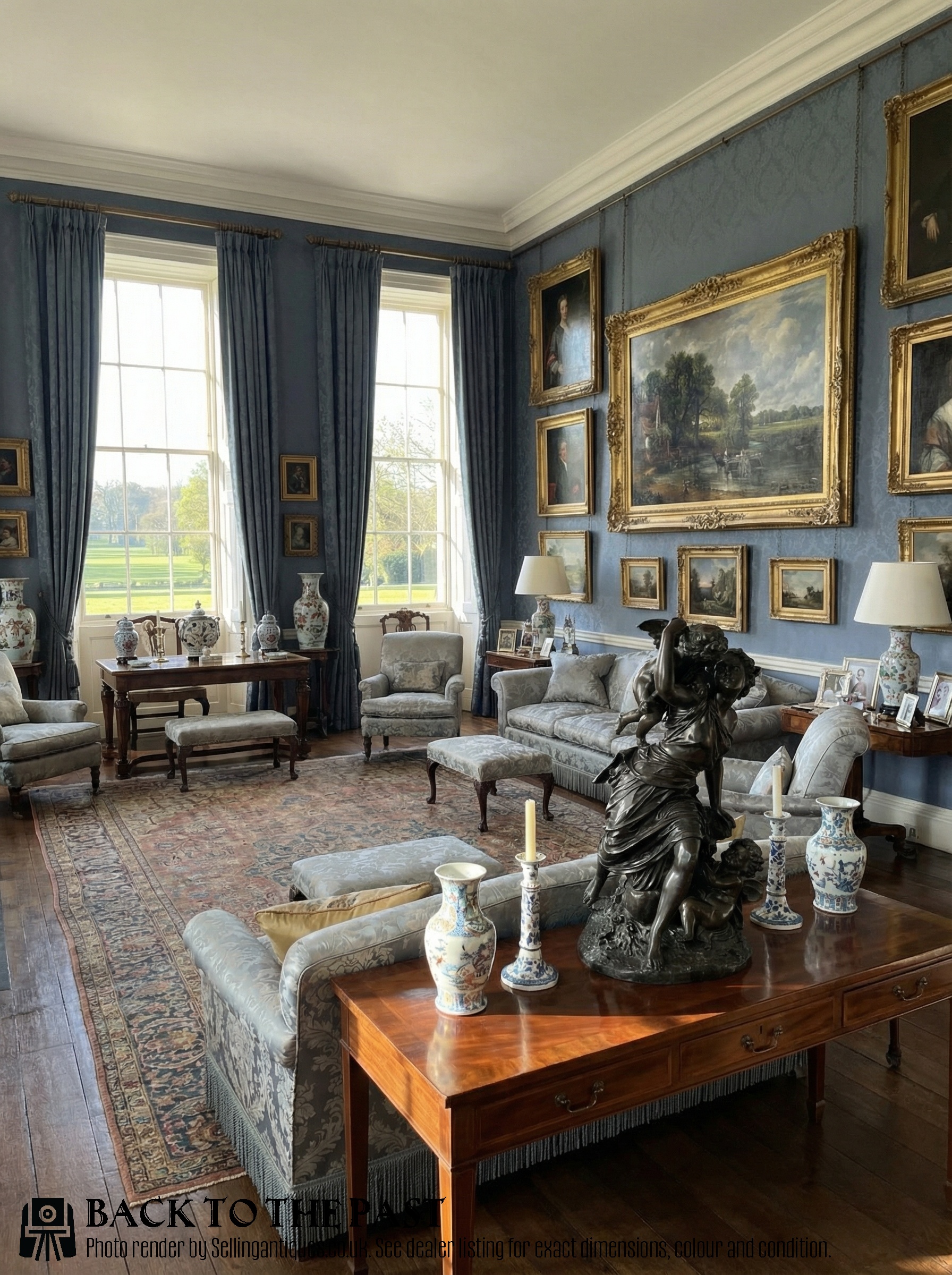
Antique Figural Sculpture
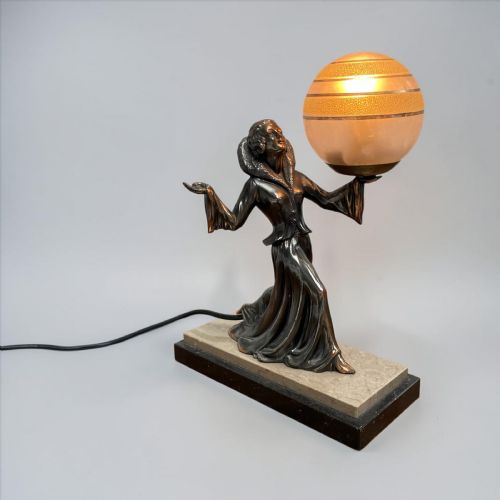
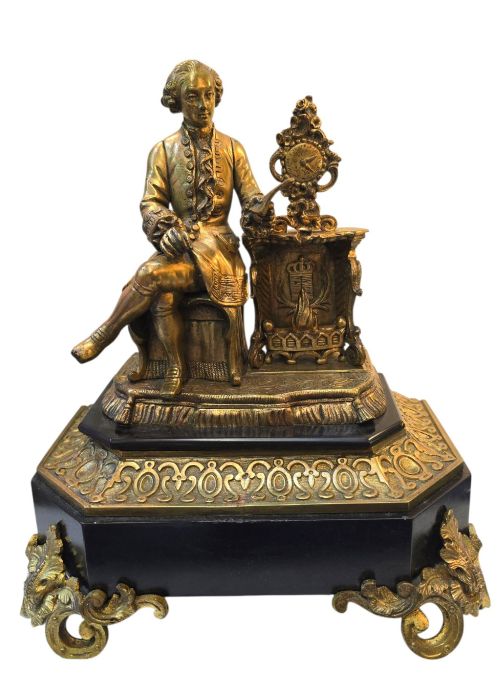
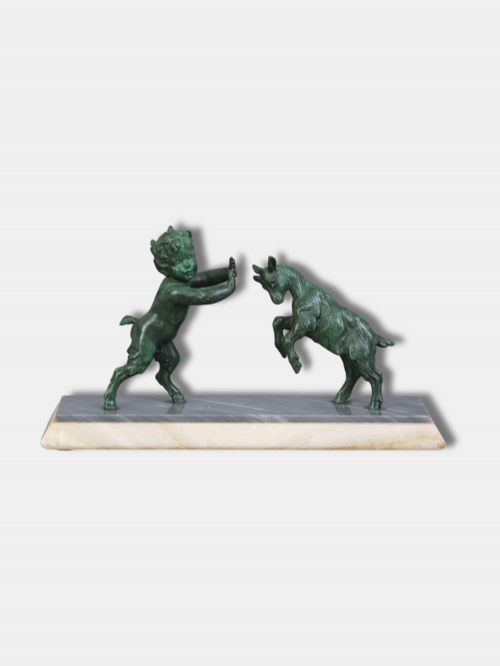
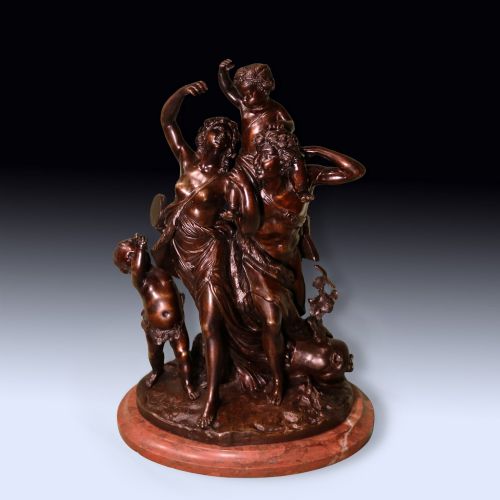
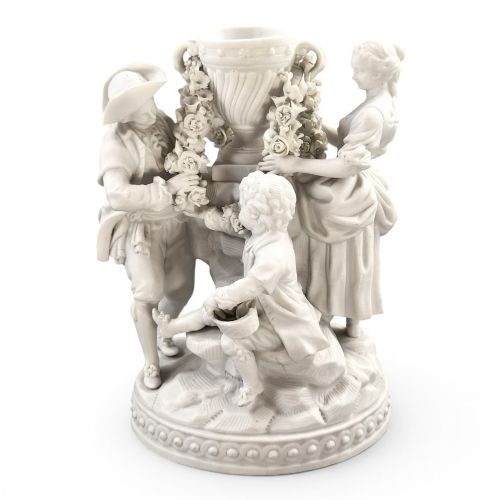
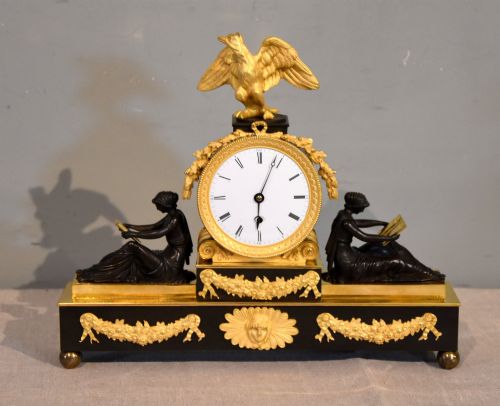
An antique figural sculpture presents human, animal, or mythological subjects rendered in three dimensions through various periods and styles. These pieces appear across a range of functional and decorative forms, including standalone statues, lamp bases, candlesticks, and mantel clocks.
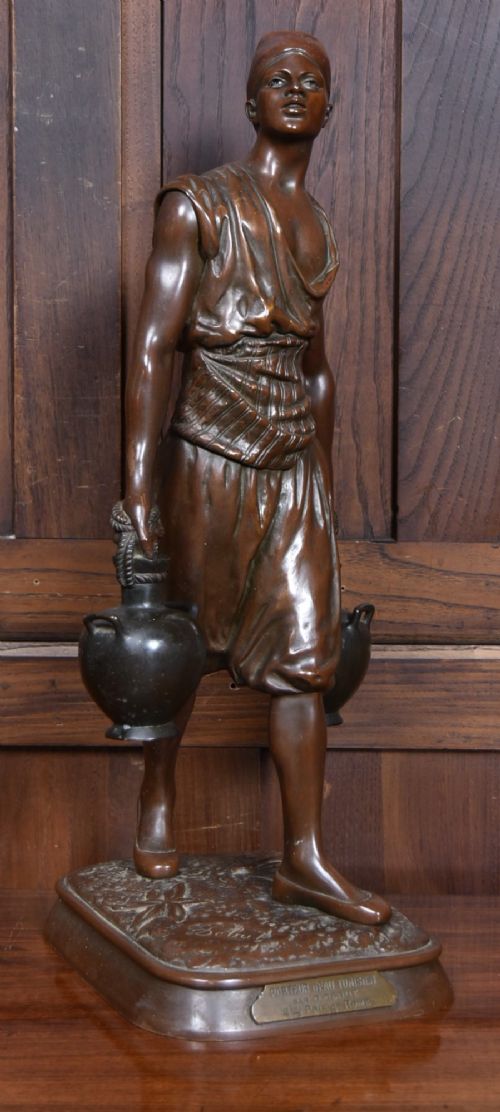
The selection on this page leans heavily toward nineteenth-century European foundry work and carving, alongside earlier Asian examples and later Art Deco interpretations. Buyers encounter subjects from classical mythology and orientalist scenes to playful animal studies and portraits of everyday figures.
Makers often adapted the human or animal form to practical objects like inkstands and nutcrackers, merging utility with sculptural presence. Whether cast in metal or carved from wood and stone, each piece captures the prevailing aesthetic of its decade.
Materials and technique
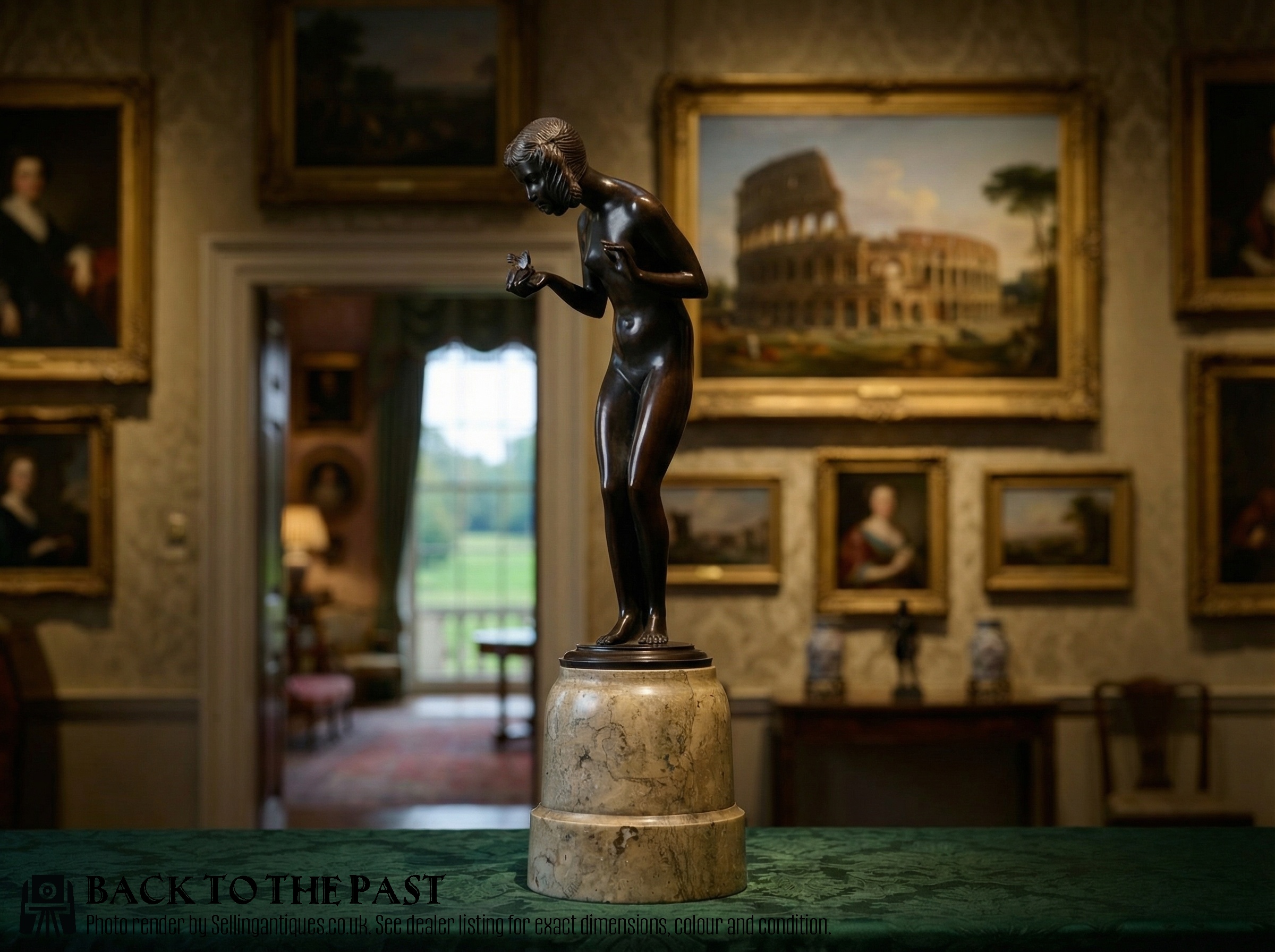
Foundries produced many of these sculptures in bronze, utilising both solid casting and lost-wax methods to capture fine anatomical details and surface textures. Patination and fire-gilding provided contrasting finishes, while spelter offered a more affordable metallic alternative during the later periods.
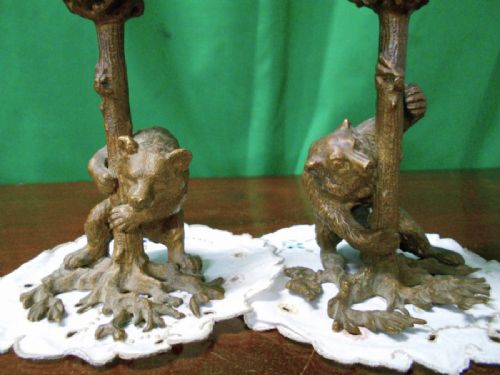
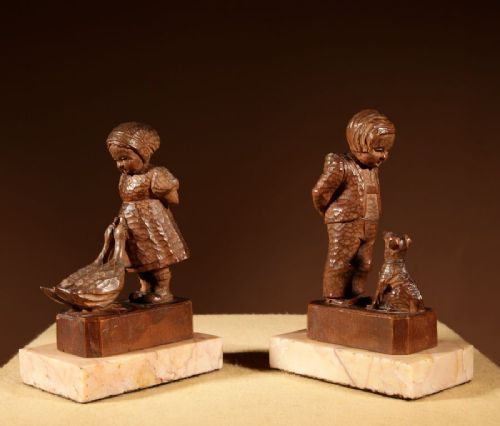
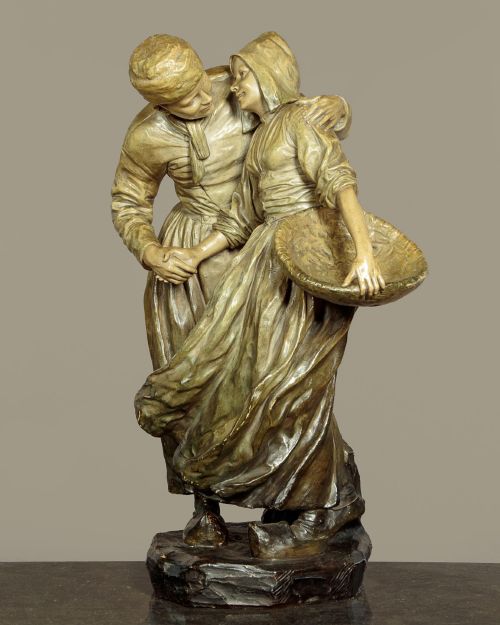
Carvers worked in timber, marble, and precious red coral, relying on hand chisels to shape organic subjects like Black Forest bears or classical maidens. Ceramic and terracotta works emerged from moulds and kilns, sometimes receiving cold-painted details after firing.
Antique Figural Sculpture Retail Price Guide 2026
Typical asking prices for figural sculpture among the pieces listed under this phrase on Sellingantiques today, from the lower quarter to the upper quarter. They describe what is for sale here now, not the wider market.
The object forms range from monumental standalone sculptures to small desk accessories like inkstands, paperweights, and nutcrackers.
What separates the best pieces
Composition and proportion drive the value of a sculpture, separating rigid decorative items from pieces with genuine dynamic movement. Signed works by recognised sculptors or documented ateliers demonstrate superior artistic conception and careful finishing of the metal or stone.
E.A. Clapp·Goldscheider·Emile Carlier·Jules Dalou·Georges Van Der Straeten·Richard Avrilli·Hector Lemaire·Justo de Gandarias
The Antique Figural Sculpture Glossary
- Spelter
- A zinc alloy used as a cheaper substitute for bronze in decorative figures and candlesticks. It often wears a painted or patinated finish that mimics true bronze.
- Patination
- The surface coloration applied to metal through chemical treatment or natural ageing. It enhances the depth and visual texture of the sculpture.
- Lost-wax casting
- A method of metal casting where a wax model is melted away from a ceramic mould to allow molten bronze to take its place. This technique preserves intricate details.
- Ormolu
- Gilt bronze produced by applying a finely ground gold-mercury amalgam to a bronze object. The mercury is then driven off by heat, leaving a rich golden coating.
- Terracotta
- Fired clay used for sculptural figures and groups. It ranges in colour from pale buff to deep reddish-brown and often receives a painted or sealed surface.
Antique Figural Sculpture: Frequently Asked Questions
How do I clean antique bronze sculptures?
Dust the surface regularly with a soft, dry brush to prevent dirt buildup in the crevices of the casting. Avoid using water, soap, or abrasive metal polishes, which can strip away the original historical patination.
Apply a very thin coat of microcrystalline wax if the metal requires protection, then buff it gently with a clean cloth. This preserves the surface without altering the colour or finish achieved over the decades.
What is the difference between bronze and spelter?
Bronze is a durable copper and tin alloy that accepts fine detail and holds a rich, stable patina over centuries. Spelter uses zinc, which is softer, lighter, and more brittle than bronze.
You can often tell the difference by examining hidden areas for the greyish-white colour of zinc beneath the paint, or by noting the lighter weight of a spelter figure.
How were figural lamps and clocks used?
Sculptural figures served practical purposes in nineteenth-century interiors by forming the bodies of mantel clocks, desk lamps, and candlesticks. These objects combined artistic display with domestic utility, placing fine art into everyday rooms.
Makers integrated lighting elements or timepieces into the hands, shoulders, or surrounds of the cast figures. This allowed owners to showcase sculptural taste while illuminating their desks and drawing rooms.
How do I identify the period of a sculpture?
Look to the overall style, costume details, and casting techniques to narrow down the decade of production. Nineteenth-century pieces often reflect classical revivals or romantic realism, while later works adopt the clean lines of Art Nouveau and Art Deco.
Signatures, foundry marks, and the type of material or base used also provide strong clues. Comparing the patination and wear patterns against dated pieces helps confirm the era of manufacture.