
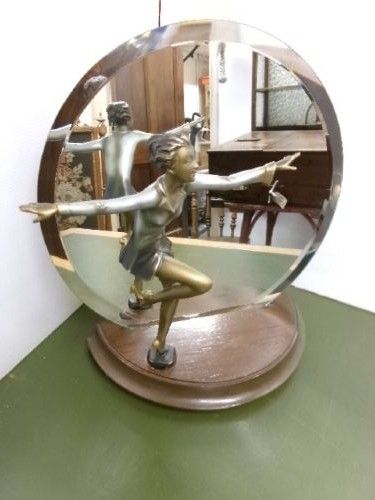
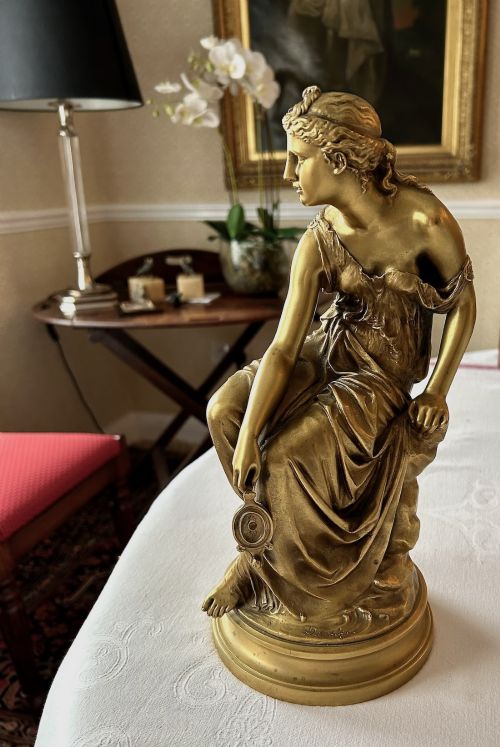
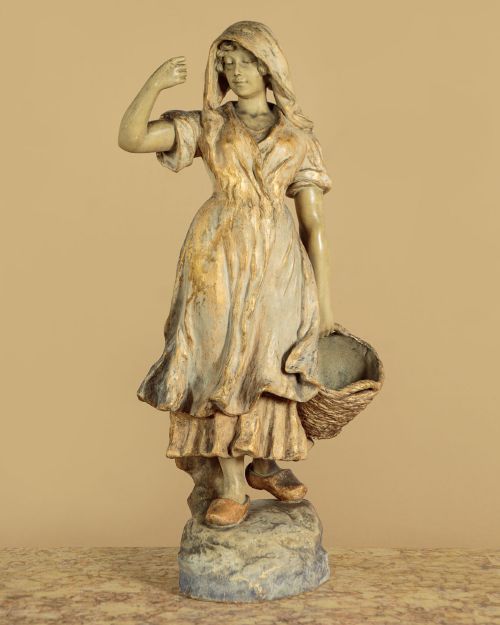







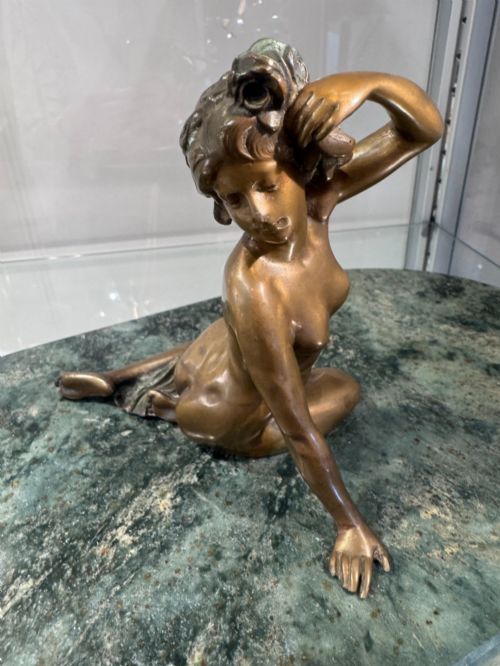


Antique Female Sculpture
An antique female sculpture brings timeless human form and neoclassical elegance into your interior, capturing classical grace in marble and bronze.

What these pieces are
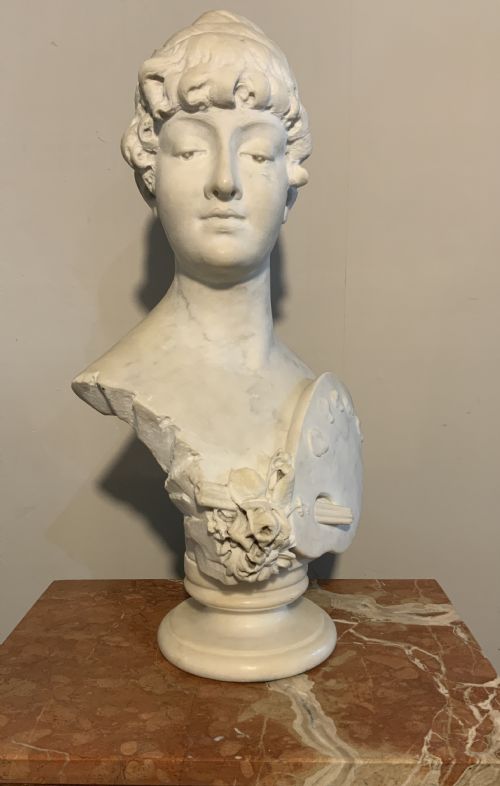
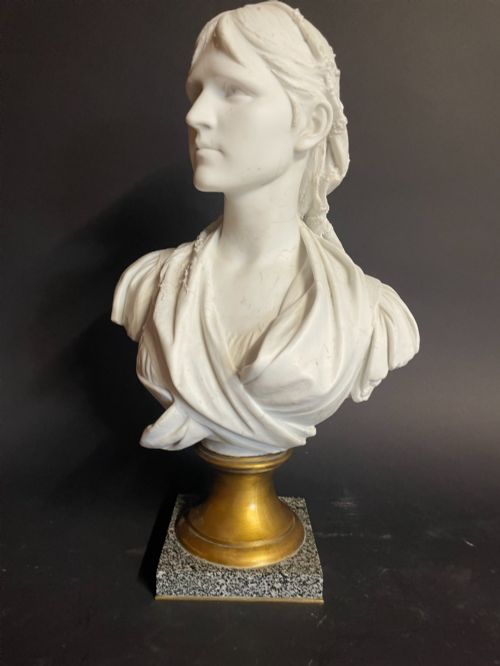
An antique female sculpture represents the human figure through carved stone, marble, and cast metal. When you search for antique female sculpture, you encounter busts and full-length statues dating from the nineteenth century.
The nineteenth-century works on this page span several distinct aesthetic movements. Neoclassical ideals sit alongside French Renaissance Revival detailing and organic Art Nouveau styling.
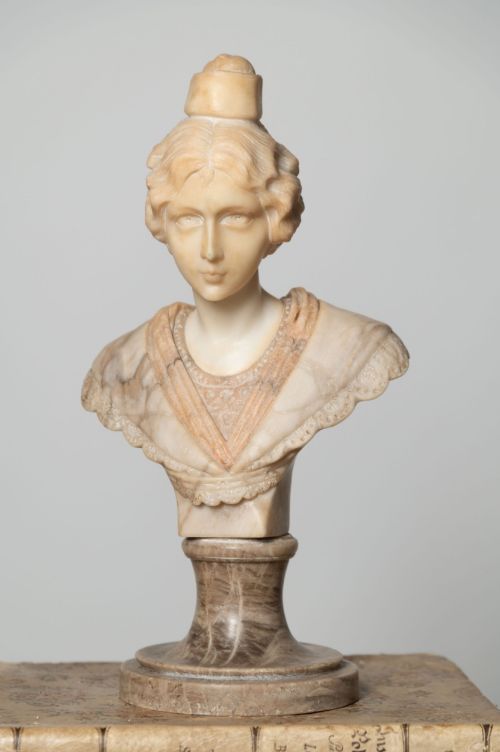
Subjects range from mythological figures and historical portraits to anonymous young girls holding flowers. Materials vary from pristine white marble and Carrara marble to patinated bronze and carved alabaster.
How they were made
Sculptors utilised traditional carving and casting techniques during the nineteenth century. Stone pieces begin as blocks of marble or alabaster, shaped by hand using chisels and rasps to achieve soft drapery and facial expression.
Metal sculptures utilise the lost-wax casting method for bronze, capturing fine details in hair and costume. Gilt bronze and gold patinated surfaces add metallic lustre to the cast figures.
Retail Price Guide 2026
Typical UK retail prices for female sculpture, calculated from the Sellingantiques database of over a million retail prices indexed since 2003. This retail price guide relies exclusively on Sellingantiques data; no external sources or auction records are used, so the figures do not describe the wider market.
What varies in quality
Quality rests in the subtlety of the carving and the fidelity of the metal casting. Superior marble works display lifelike texture in skin and fabric, whereas lesser pieces appear stiff and lack anatomical depth.
Bronze sculptures show distinction through the crispness of the chasing work after casting. Master pieces exhibit expressive character in portraiture and deliberate patination that enhances the three-dimensional form.
George Van Der Straeten·Olof Ahlberg
The Antique Female Sculpture Glossary
- Carrara marble
- A fine-grained white or blue-grey marble quarried in Italy. Sculptors have favoured this material since antiquity for its smooth texture and subtle translucency.
- Patination
- The surface coloration and sheen acquired by bronze over time or applied chemically by the maker. This finish accentuates the contours and depth of the metal.
- Neoclassical
- A revival style drawing inspiration from the classical art and culture of ancient Greece and Rome. It prioritises proportion, restraint, and dignified human subjects.
- Alabaster
- A fine-grained stone used for carving statues and decorative objects. Its softness allows for delicate detail work and a warm, milky appearance.
Frequently Asked Questions
What materials are used in these sculptures?
Nineteenth-century sculptors worked primarily in marble, bronze, and alabaster. Carrara marble and white marble provide a classic stone finish.
Bronze offers durability and accepts various patinations, including gold patinated surfaces and gilt treatments.
How do I identify nineteenth-century pieces?
Nineteenth-century pieces often reflect specific revival movements such as Neoclassicism or French Renaissance Revival. Examining the tool marks on stone and the casting seams on bronze helps determine the period.
Makers and subjects from this era also point directly to the nineteenth-century timeline.
Where were these statues made?
Origin points span across continental Europe, with specific pieces originating from Italy and Sweden. Italian workshops frequently utilised native marble for classical statuary.
Swedish and French artists contributed bronze portrait busts and figurative works during the same period.
How should I display a marble bust?
Marble busts require a stable, level surface capable of supporting considerable weight. Plinths or sturdy console tables provide a suitable elevation for viewing.
Keep stone sculptures away from direct heat sources to prevent thermal shock and potential surface damage.