


Decorative Bronze Bust
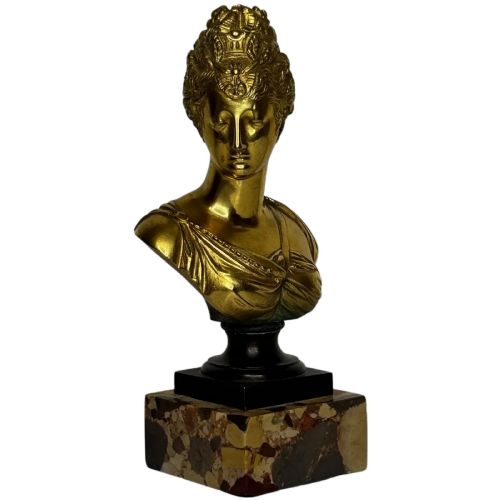
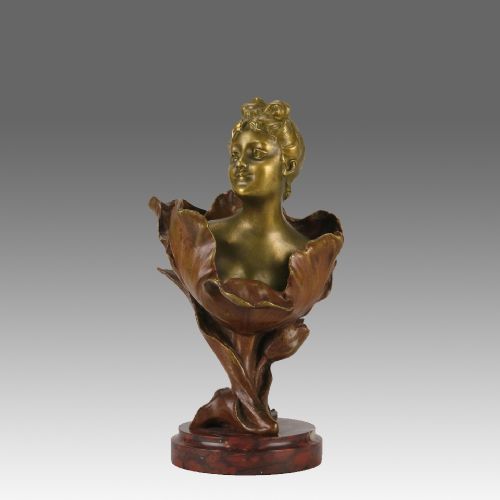
These decorative bronze bust pieces bring sculptural presence to a room, offering craftsmanship in metal and stone.
Decorative Bronze Bust
A decorative bronze bust captures portrait subjects and figures in metal, often paired with marble or alabaster bases. When you search for a decorative bronze bust, you encounter sculptural works ranging from nineteenth-century classical interpretations to early twentieth-century creations.
The selections on this page include French period examples alongside African tribal art and Asian sculpture. Formats span from portrait heads and inkwells to larger sculptural studies in bronze, gilt bronze, and terracotta.
Materials and construction methods
Pieces combine cast bronze, gilt bronze, and sometimes spelter with heavy supporting plinths of marble and alabaster. Other works utilise terracotta, plaster, and carved walnut combined with ormolu mounts.
Some busts wear floral crowns or take the form of fairies, proving that even heavy metal can occasionally feel lighthearted.
Distinguishing quality in sculpture
Condition of the patina and the integrity of any associated marble or wood mounts define the preservation standard. Masterful chased details on gilt bronze elements separate standard production from superior artistic output.
Henri Godet
The Decorative Bronze Bust Glossary
- Bronze
- An alloy of copper and tin used widely for sculptural casting. It accepts patination well and captures intricate detail.
- Gilt bronze
- Bronze that has been coated with a thin layer of gold. This finish provides a bright metallic lustre.
- Terracotta
- Fired clay used for sculptural busts and figures. It offers a warm earthy tone and a matte surface.
- Spelter
- A zinc alloy frequently utilised as a substitute for bronze. It appears in various nineteenth-century decorative figures.
- Ormolu
- Gilded bronze applied as furniture mounts or decorative hardware. It was particularly favoured in French revival pieces.
- Patina
- The surface sheen and coloration developed on metal through age and chemical treatment. It adds depth to sculptural details.
Decorative Bronze Bust: Frequently Asked Questions
What is a decorative bronze bust?
A decorative bronze bust is a sculptural portrait focusing on the head, shoulders, and chest of a figure, cast in bronze for display.
These pieces function as sculptural centrepieces on desks, mantels, and pedestals within period and eclectic interiors.
How do I identify French period pieces?
French pieces often display stylistic cues from the Rococo, Renaissance Revival, or Second Empire eras, combined with marble bases.
Look for refined patination, cast signatures, and integration with materials like ormolu and walnut.
Where should I place a bust?
Busts suit prominent display locations such as side tables, dedicated pedestals, or office desks where their proportions can be appreciated.
Ensure the surface is stable and capable of supporting the combined weight of the metal and stone components.
How do I clean bronze sculpture?
Dust the surface gently with a soft, dry cloth to prevent the accumulation of grit within the recessed details.
Avoid using abrasive cleaners, polishes, or water, as these can damage the original patinated finish.