
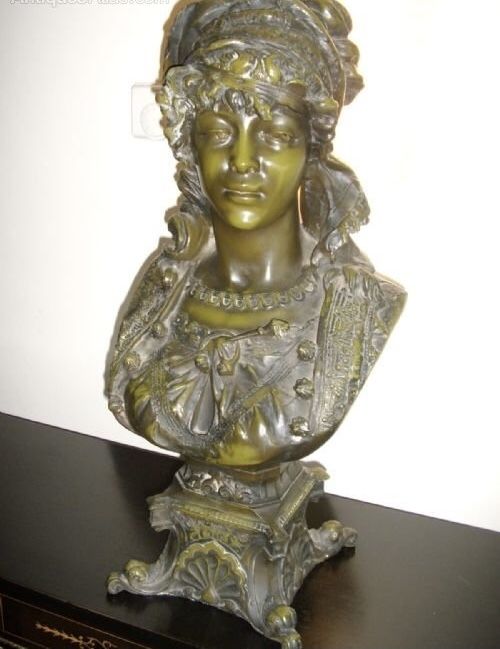
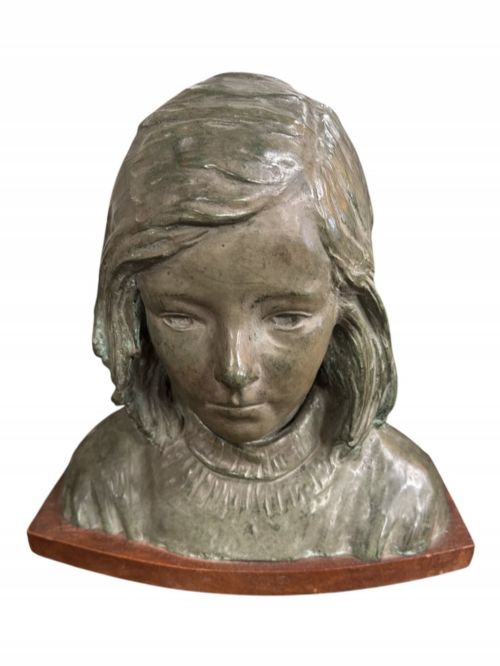
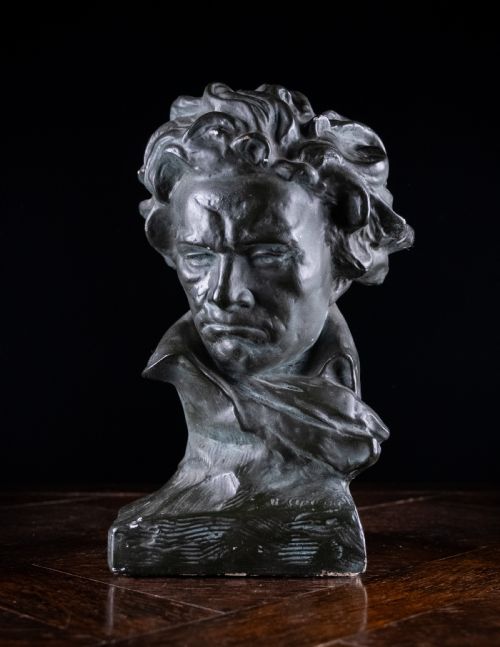


Green Bronze Head Sculpture
These green bronze head sculpture pieces range from Grand Tour souvenirs to classical studies, offering a direct line to antiquity for your interior.
Green Bronze Head Sculpture
The versions you are most likely to meet on this page include verdigris bronze studies of ancient Greek originals and patinated metal portraits. These pieces often incorporate marble or wood bases to support the sculptural head or mask form.
How they were made
These works rely primarily on bronze, patinated bronze, and bronzed metal castings, sometimes supported by plaster, terracotta, or ormolu. Artisans applied paints, verdigris, and patination treatments to simulate ancient weathered surfaces on the metal.
Many items incorporate mixed media elements such as marble and wood for plinths and mounts. The casting and finishing methods reflect both classical foundry traditions and later twentieth-century decorative production.
Listings feature bronze, marble, and terracotta materials across Neoclassical and Yoruba Tribal Art styles.
What varies in quality
The distinction between standard decorative objects and superior examples lies in the fidelity of the casting and the depth of the patination. Finer works display crisp facial definition and nuanced verdigris or bronze tones that mimic archaeological finds convincingly.
Provenance and historical association elevate certain pieces, particularly those linked to specific collections or well-documented classical prototypes. The quality of the secondary materials, such as sculpted marble bases or ormolu mounts, further differentiates the range.
Henry Wissen Senior
The Green Bronze Head Sculpture Glossary
- Grand Tour
- A cultural journey undertaken by wealthy young Europeans in the eighteenth and nineteenth centuries to collect classical antiquities and souvenirs. These bronze sculptures often replicate famous statues encountered during those travels.
- Verdigris
- A green patina formed naturally or artificially on copper, brass, or bronze surfaces through oxidation. This surface treatment is frequently utilised to give modern casts an antique appearance.
- Patinated Bronze
- Bronze that has been treated with chemical solutions to produce a specific surface colour or aged finish. It protects the metal while enhancing the visual depth of sculptural details.
- Neoclassical
- A style inspired by the art and culture of classical antiquity, prevalent in European design during the eighteenth and nineteenth centuries. Sculptures in this mode focus on proportion, symmetry, and historical subject matter.
- Ormolu
- Gilded bronze used for decorative mounts and sculptural highlights. The technique involves applying a gold-mercury amalgam to a bronze base.
Green Bronze Head Sculpture: Frequently Asked Questions
What is a green bronze head sculpture?
A green bronze head sculpture is a cast metal portrait, bust, or mask featuring a patinated verdigris or bronze finish. These pieces typically depict classical figures, historical personalities, or mythological subjects.
They serve primarily as decorative objects or desk ornaments, drawing inspiration from ancient Greek and Roman art. Many originate from the nineteenth-century Grand Tour tradition.
How were these sculptures displayed historically?
Collectors during the nineteenth century placed these busts on libraries, desks, and bespoke wooden or marble plinths within domestic studies. They demonstrated the owner's classical education and refined taste.
Today, they function similarly as sculptural focal points on mantelpieces or bookshelves.
How do I care for patinated bronze?
Maintain patinated bronze by dusting it gently with a dry, soft cloth. Avoid using commercial metal cleaners or abrasives, which will strip the intentional verdigris or chemical patina.
Keep the pieces away from direct moisture and extreme temperature fluctuations to preserve the surface finish.
How do I distinguish a Grand Tour piece?
Grand Tour pieces often replicate famous classical sculptures housed in European museums, such as Capitoline collections or ancient ruins. They frequently date from the nineteenth century and use verdigris bronze or patinated metal.
Look for evidence of period casting techniques and patination that mimic archaeological weathering.