
Antique Female Figurine
An antique female figurine captures women in bronze, marble, porcelain and terracotta, offering a glimpse into past artistry.

Antique Female Figurine
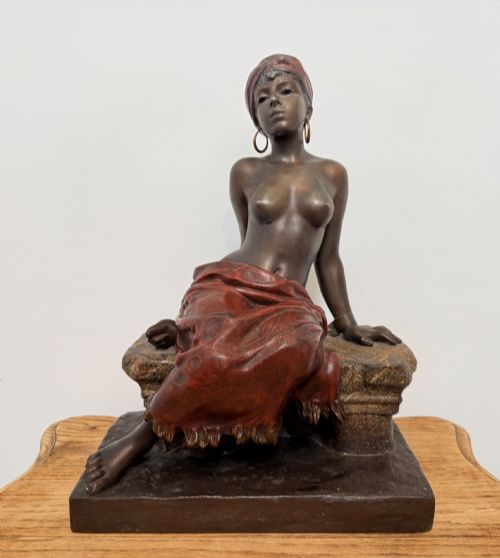
An antique female figurine encompasses small sculptures, busts, statuettes and sweetmeat dishes depicting women from various historical periods and cultural traditions. When searching for an antique female figurine, buyers encounter everything from classical maidens and dancers to tribal fertility figures and advertising mannequins. The pieces originate from workshops and foundries across Europe and beyond, spanning centuries of artistic expression.
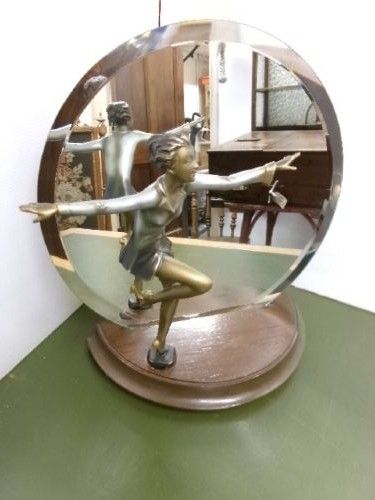
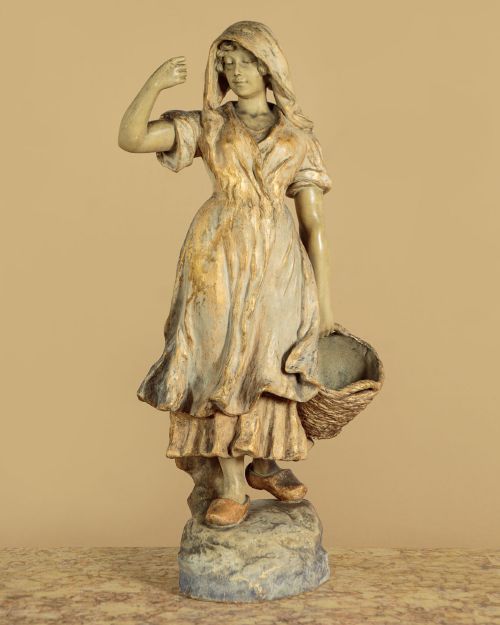
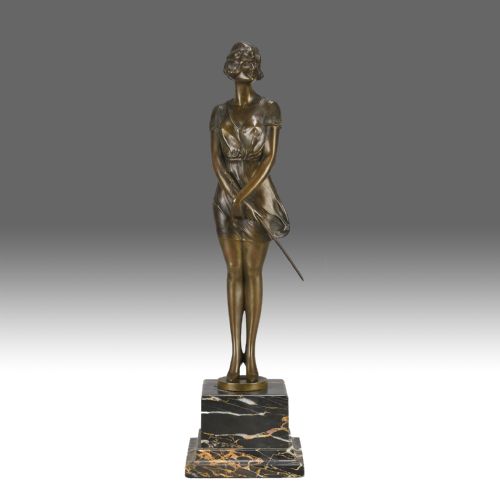
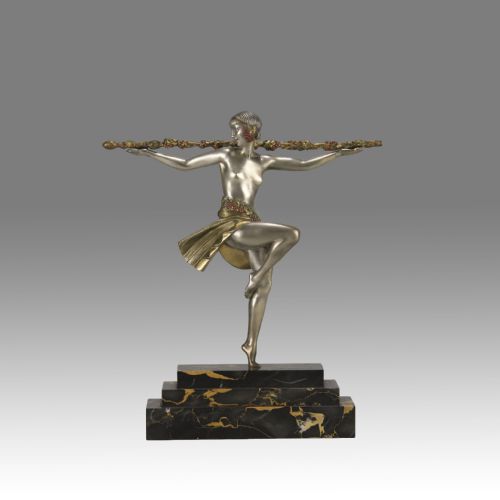
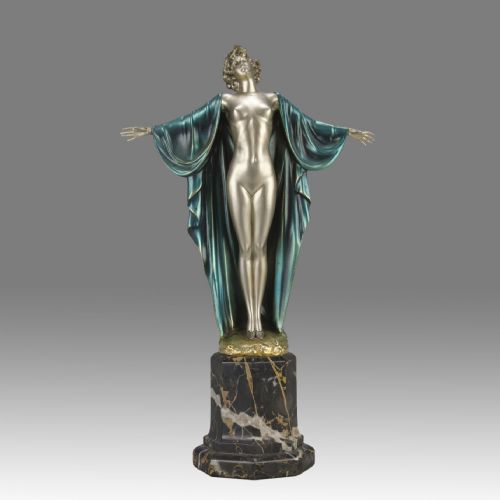
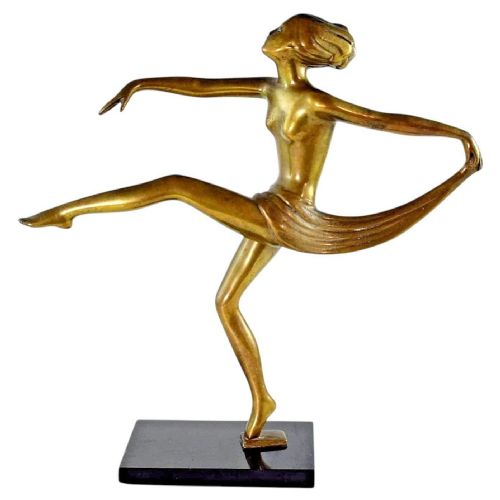
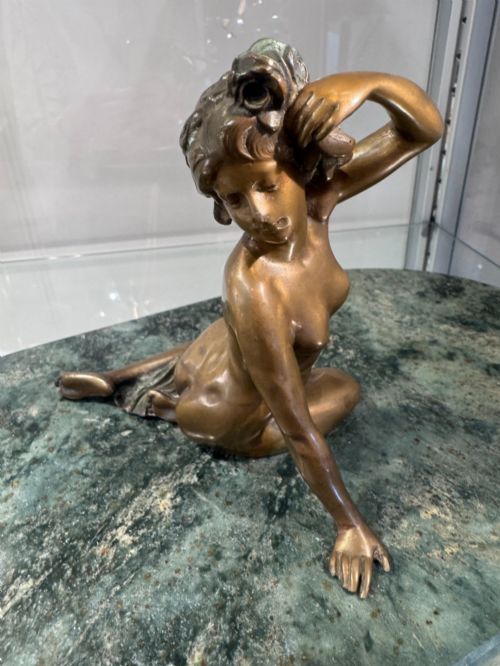
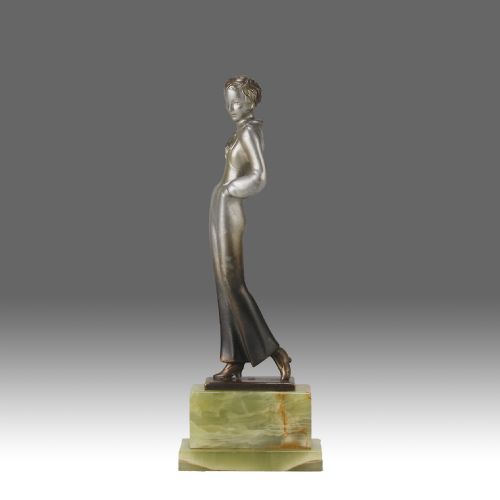
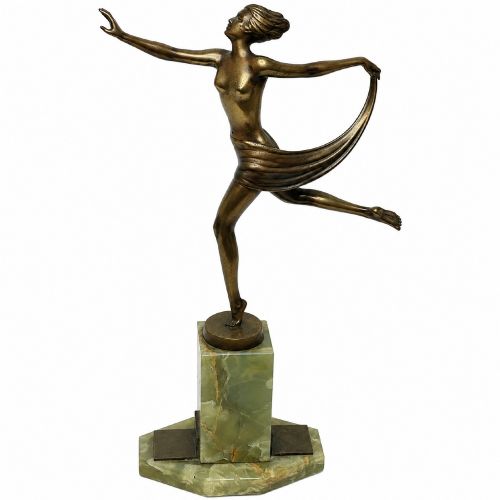
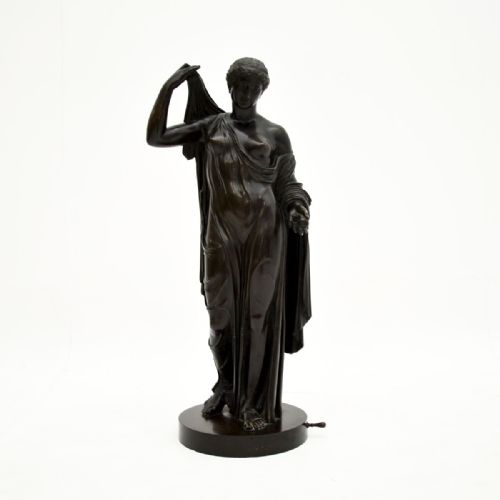
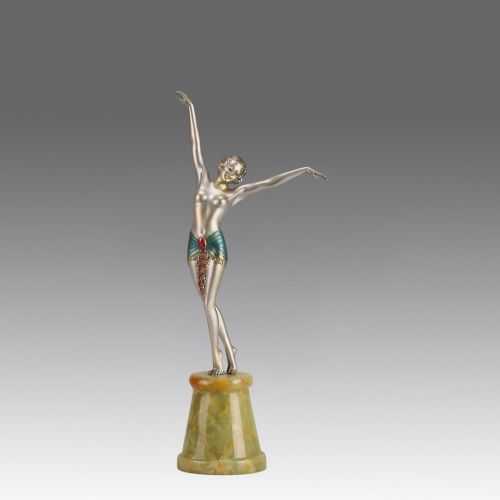
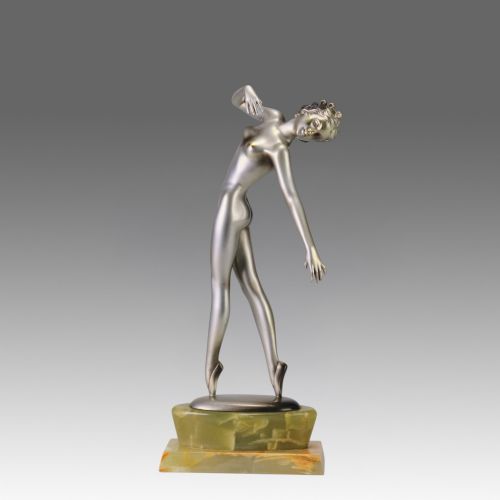
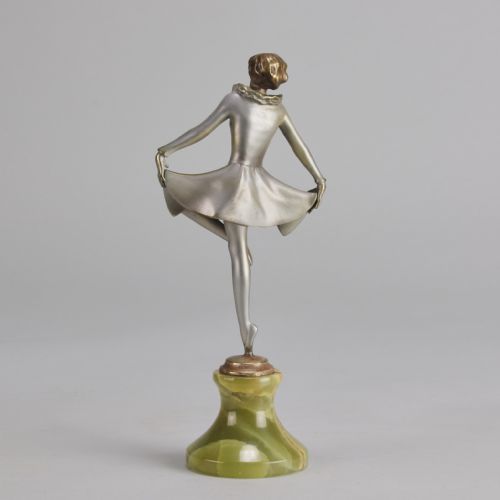
The selections on this page lean heavily towards early twentieth century works, particularly Art Deco dancers and Art Nouveau figures in bronze. Art Deco and Art Nouveau styles dominate the offerings, alongside nineteenth century classical and neoclassical sculptures. Buyers will also find porcelain figures, terracotta models and carved stone pieces sitting alongside metal casts.
How They Were Made
Makers combined materials by mounting metal figures on heavy marble or onyx plinths to provide stability and visual contrast. Spelter served as a more accessible alternative to bronze during the Art Deco period, offering similar sculptural detail when finished with patination.
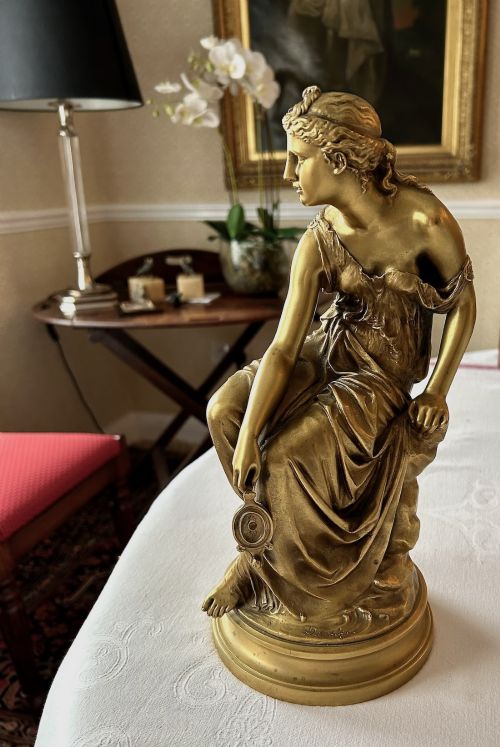
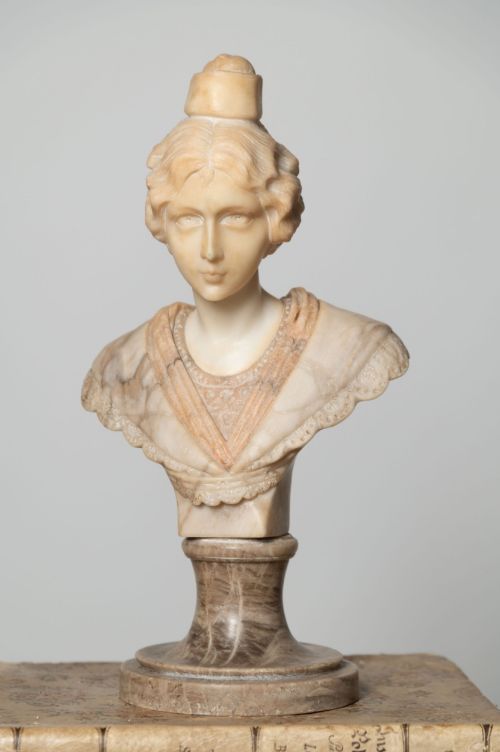
Listings feature female figures cast in bronze, carved from marble and alabaster, and modelled in porcelain across the nineteenth and twentieth centuries.
What Varies in Quality
Quality rests primarily in the crispness of the casting and the sensitivity of the hand-finishing, where finer chiselling reveals facial expressions and drapery folds with sharp precision. Superior pieces display thoughtful integration between the sculptural subject and its stone base, whereas lesser works show perfunctory assembly.
The application of cold-painted colours or patination distinguishes master foundry work from routine production, with layered pigments retaining their depth and adherence over time. Maker signatures and foundry stamps further elevate a piece, confirming the authorship of renowned sculptors and established European ateliers.
Etienne-Henri Dumaige·Goldscheider·Bruno Zach·Pierre le Faguays·Ferdinand Preiss·Josef Lorenzl·E Villanis·Antonio Canova·Mathurin Moreau·Demetre Chiparus·Henri Godet·Aurore Onu·Jules Dalou·James Hadley·Georges Van Der Straeten·H Schubert·Bergman
The Antique Female Figurine Glossary
- Cold-painted bronze
- Bronze sculpture finished with oil- or enamel-based paints applied without heat after casting. This technique allowed makers to render vibrant clothing and skin tones.
- Spelter
- A zinc alloy frequently used as a cost-effective substitute for bronze. It takes patination well but feels lighter and proves more brittle than true bronze.
- Grand Tour
- Souvenirs and classical copies acquired by travellers exploring European cultural sites during the eighteenth and nineteenth centuries. These works often replicate ancient statues in marble or bronze.
- Sweetmeat dish
- A small decorative vessel or bowl supported by or incorporating a figural sculpture. They served confectionery at formal dining tables.
- Patination
- The natural or chemical surface oxidation on metal that develops colour and tone over time. Artisans also applied artificial patinas to simulate age.
Antique Female Figurine: Frequently Asked Questions
What is cold-painted bronze?
Cold-painting refers to a technique where oil- or enamel-based paints were applied to a bronze casting without subsequent firing. This method created colourful clothing and realistic skin tones on the figures.
Because the paint sits on the metal surface rather than fusing with it, surviving examples often display characteristic wear that charts their age.
How should I display heavy stone or metal figures?
Heavy sculptures require sturdy furniture capable of supporting considerable weight, particularly when mounted on marble or onyx bases. Position pieces away from direct sunlight and moisture to protect painted surfaces and stone integrity.
Ensure the display surface remains level so the combined weight of figure and plinth distributes evenly without risk of tipping.
Are all bronze figures signed by the artist?
Many quality figures bear cast signatures or foundry marks, but unsigned pieces remain common from the period. Unsigned works often emerged from reputable foundries that produced high-standard castings without individual artist attribution.
Quality of execution, material weight and casting crispness matter more for evaluation than the presence of a signature alone.