

Antique Export Porcelain Plates
These antique export porcelain plates bring centuries of skilled firing and hand painting from East Asia and Europe into domestic display.
Antique Export Porcelain Plates
When you search for antique export porcelain plates, you encounter pieces made for international trade across the eighteenth, nineteenth and early twentieth centuries. These items range from large chargers down to soup plates and shallow dishes.
The objects stem predominantly from Chinese kilns of the Qing Dynasty and Japanese workshops of the Meiji and Edo periods, alongside European interpretations in hard-paste porcelain.
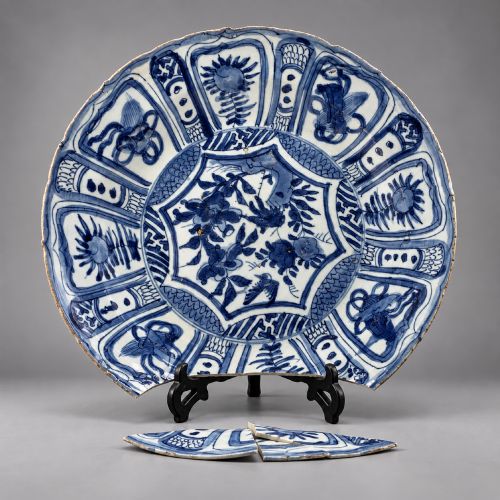
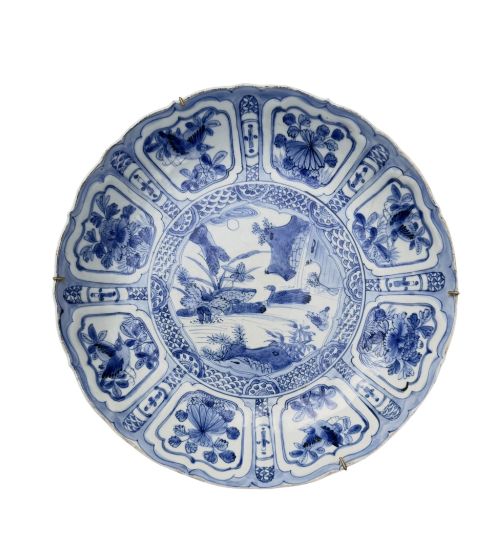
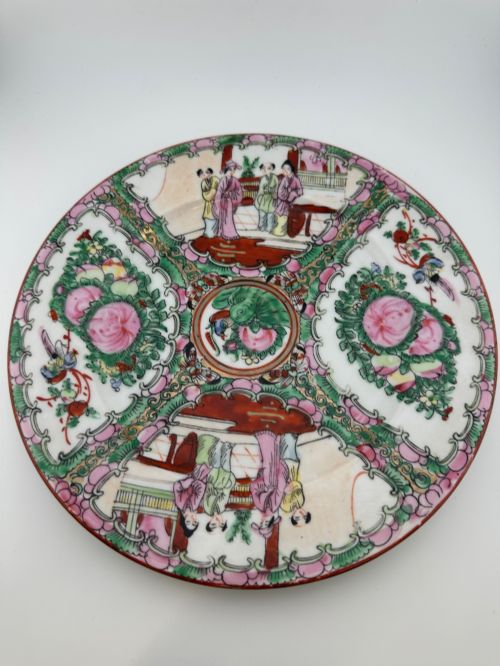
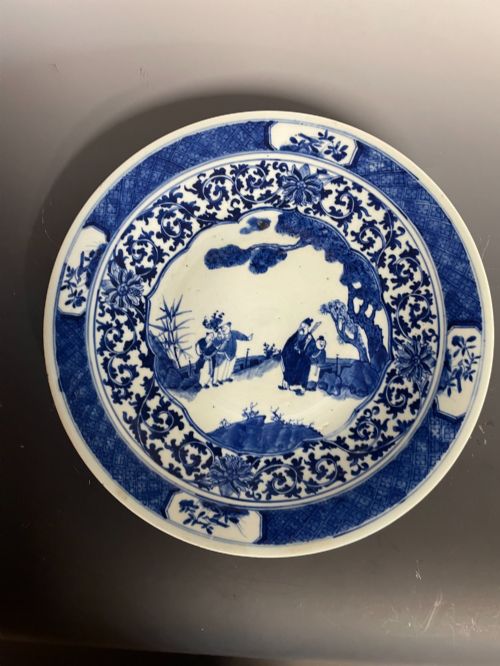
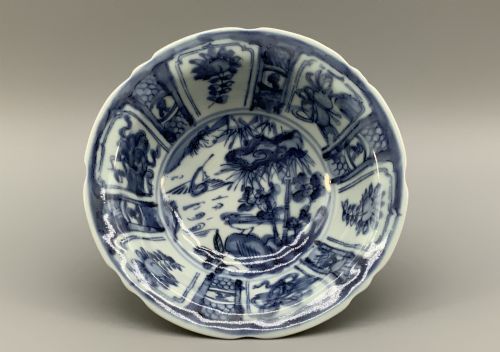
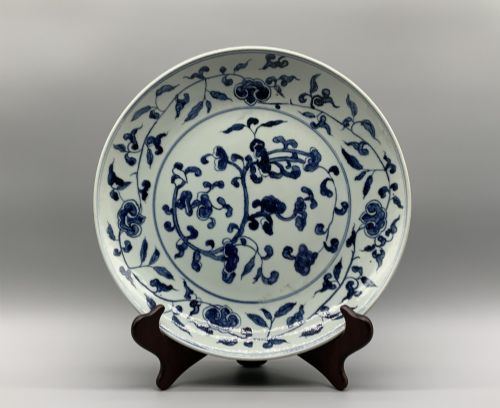
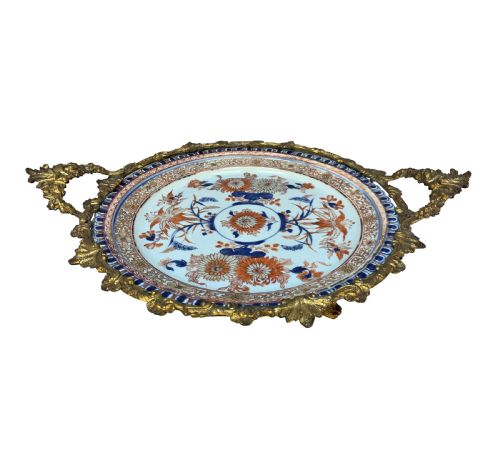
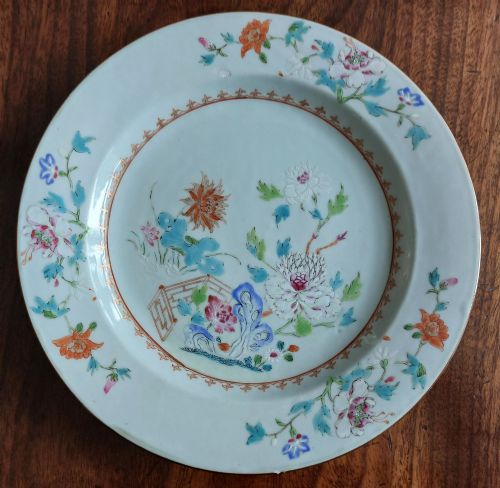
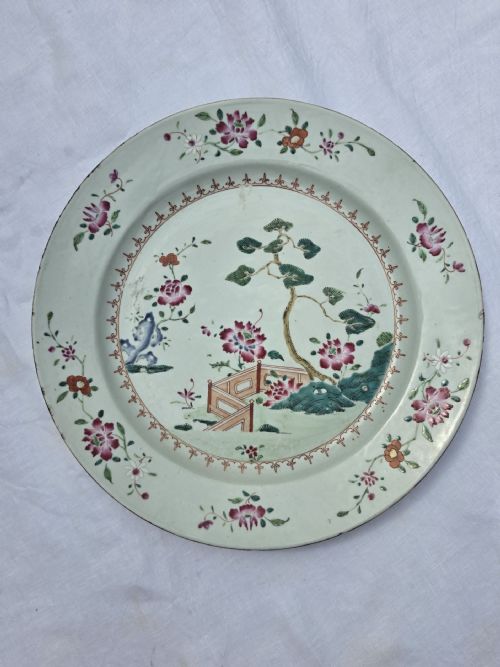
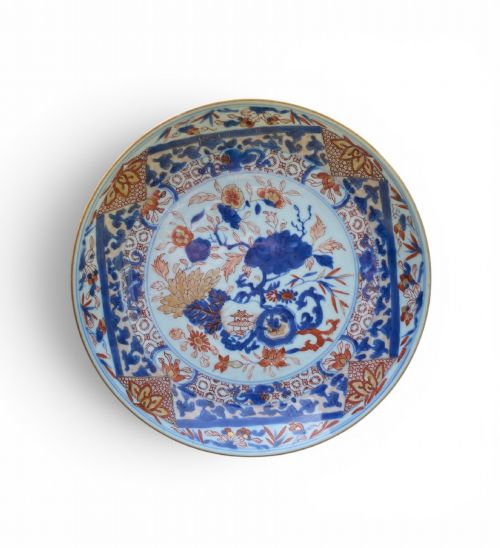
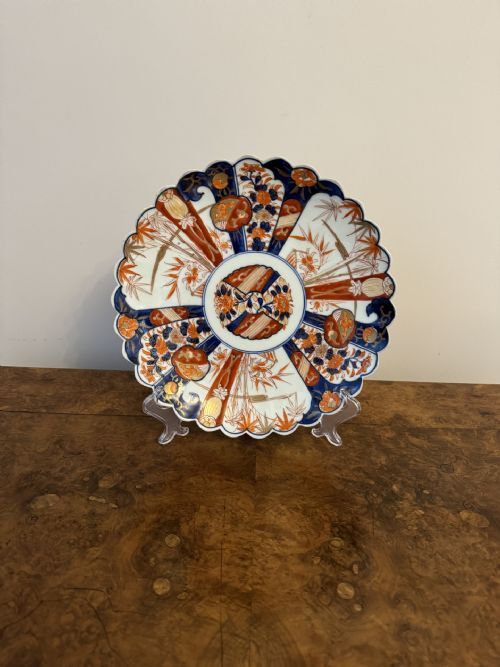
You meet Japanese Imari designs with exotic birds and scalloped edges frequently on this page, alongside Chinese blue and white pieces and Canton famille rose palette examples.
How they were made
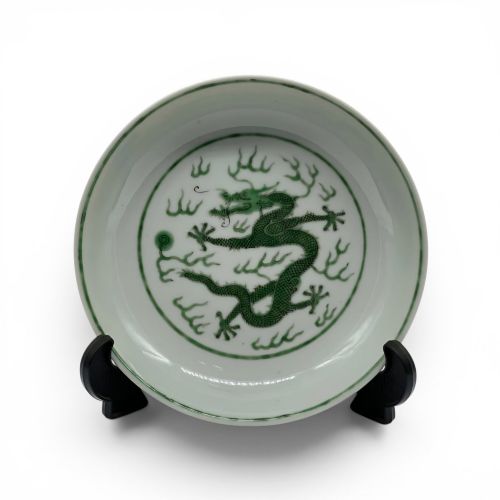
Potters shaped hard-paste porcelain and applied cobalt underglaze before high temperature firing to achieve durable blue and white decoration.
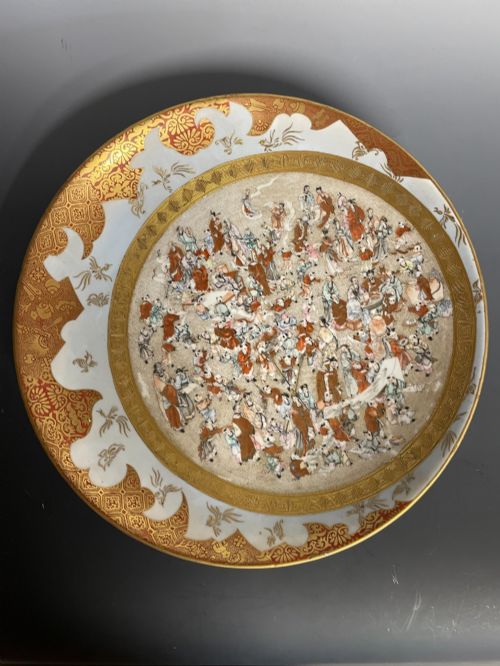
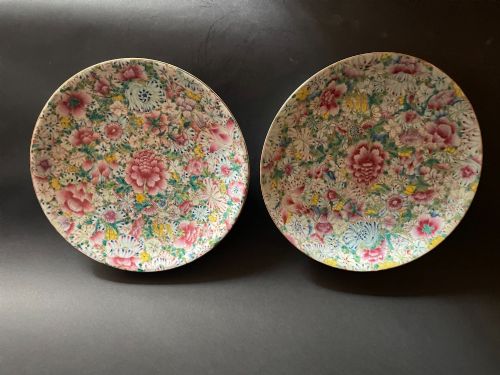
Overglaze enamel colours, gold leaf and gilt work were added in subsequent lower temperature firings to create rich palettes like Imari and famille rose.
Some decorative plates received bronze or ormolu mounts in Europe to elevate their status for drawing room display.
Listings span the eighteenth, nineteenth and early twentieth centuries, featuring Chinese, Japanese and European hard-paste porcelain bodies.
What varies in quality
The precision and delicacy of the hand painting set the best examples apart, particularly in the brushwork of botanical motifs, figures and birds.
The richness of the gilding and the clarity of the enamel colours determine the visual depth of the surface decoration.
The regularity of the porcelain body and the absence of firing distortions distinguish master potters from routine commercial output.
Edmé Samson And Cie·C.J. Mason
The Antique Export Porcelain Plates Glossary
- Imari
- A style of Japanese export porcelain featuring underglaze blue, iron-red and gilt decoration. It originated in Arita and was shipped extensively to Europe.
- Famille Rose
- A palette of opaque enamels dominated by pink or rose colours, introduced in Chinese ceramics during the Qing Dynasty. This scheme allowed for nuanced shading on floral and figural subjects.
- Charger
- A large decorative plate or dish intended for ceremonial table use or display on a sideboard. These pieces measure significantly larger than standard dining plates.
- Armorial
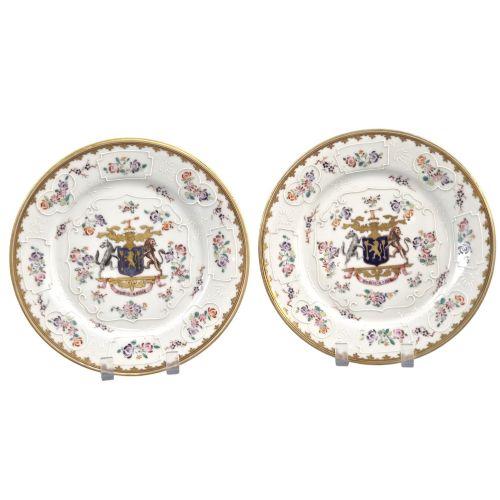
- Porcelain decorated with a specific family coat of arms, commissioned by European aristocracy and merchant houses. These bespoke services represent significant documentary value.
- Hard-paste
- A true porcelain composed of kaolin and petuntse, fired at high temperatures to create a dense, vitrified body. It rings when struck and resists scratching by steel.
Antique Export Porcelain Plates: Frequently Asked Questions
What are antique export porcelain plates?
These items are ceramic vessels fired in Asian or European kilns specifically for international markets and trade. They encompass everything from utilitarian soup plates to monumental decorative chargers.
Most surviving examples date from the seventeenth century through to the early twentieth century, reflecting shifting global trade routes and aesthetic tastes.
How were these plates used?
Many of these pieces served dining and social functions in wealthy households, functioning as tableware for grand dinners or formal courses. Others served purely decorative purposes, displayed on walls or mounted on furniture.
Armorial services showed family lineage and wealth during feasts, while large chargers anchored sideboard displays in formal rooms.
How do I live with them?
These ceramics suit careful daily use or secure display on walls, plate racks and specialist stands. Modern plate hangers with protective sleeves allow safe wall mounting without stressing the rim.
Hand washing in tepid water with mild soap preserves the overglaze enamels and gold leaf. Dishwashers and microwaves must be avoided entirely.
How do I tell periods apart?
Dating relies on stylistic markers, potting techniques, and imperial reign marks found on the base of the porcelain. Earlier pieces often display heavier potting and distinct cobalt blue tones, while later Meiji and Qing export wares show brighter enamel palettes.
Comparing foot rings and paste density helps differentiate eighteenth-century bodies from later nineteenth-century manufacturing.