



Arita Ware Ceramic Plates
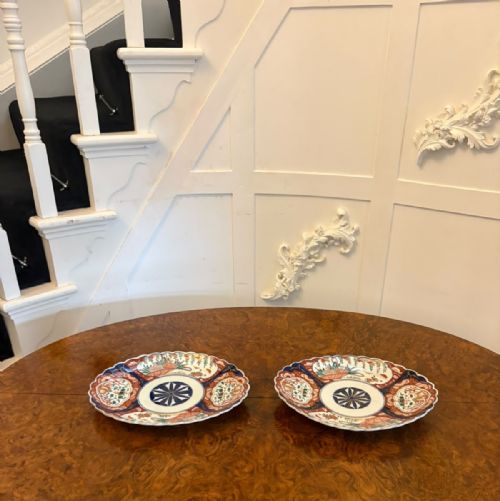
These arita ware ceramic plates bring centuries of Japanese kiln tradition to a display, offering bold palettes and intricate hand-painted motifs that anchor a room.
Arita Ware Ceramic Plates
When you search for arita ware ceramic plates, you encounter pieces that originate from the historic kiln sites in Hizen province, Japan. The selections span simple domestic vessels to grand decorative chargers meant for formal display.
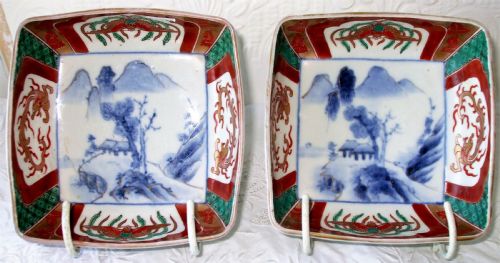
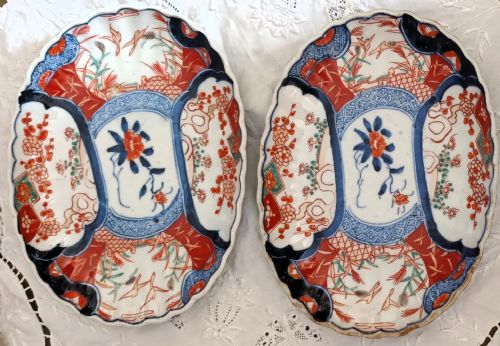
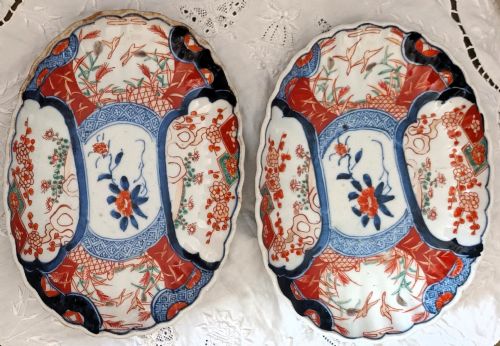
The objects on this page lean heavily towards Japanese Imari styles and traditional blue and white schemes. Forms range from standard round plates to scalloped edges, hexagonal profiles, fan shapes, and clam shell dishes.
The dates stretch from the Edo period through the Meiji period and into the late nineteenth or early twentieth century. Buyers find both individual items and matched pairs or larger collections.
Materials and Techniques
Potters shaped fine porcelain clay and fired the bodies at high temperatures to achieve a dense, durable base. Cobalt underglaze was applied before the first glaze firing to establish deep blue foundational motifs.
Overglaze enamel colours, including iron red and supplementary pigments, were added in subsequent firings. Artisans often finished the surfaces with gold leaf, gilt, or enamel glaze to highlight specific floral, avian, or foliate details.
Early potters occasionally left tiny kiln grit fused to the base of a dish, proving that even masterworks started in a very dusty workspace.
Assessing Quality in Arita Ceramics
The precision of the hand-painted brushwork dictates much of the distinction between standard vessels and superior pieces. Crisp lines in the cobalt underglaze and tightly controlled enamel work separate accomplished studio output from ordinary production.
The complexity of the form also influences the standard of the item. Unusual silhouettes such as fans, hexagons, or moulded shells demand greater skill from the potter than simple circular bowls and dishes.
The Arita Ware Ceramic Plates Glossary
- Imari
- A style of Japanese export porcelain originating from Arita, typically featuring a palette of cobalt blue, iron red, and gold.
- Edo Period
- The period in Japanese history spanning from 1603 to 1867, noted for the flourishing of domestic ceramic production and export trade.
- Meiji Period
- The era from 1868 to 1912 characterised by the opening of Japan to Western markets and significant output of decorative arts.
- Cobalt Underglaze
- A blue pigment applied to the raw porcelain body beneath the transparent glaze before the high-temperature firing.
- Charger
- A large decorative plate or dish intended primarily for display on a wall or cabinet rather than for serving food.
Arita Ware Ceramic Plates: Frequently Asked Questions
How do I display arita plates safely?
Support heavy chargers and plates with stable wall brackets or dedicated plate stands designed for heavy porcelain. Avoid hanging pieces in areas subject to direct vibration or heavy foot traffic.
Keep pieces out of direct sunlight to protect enamel and gilt details from fading over decades of exhibition.
How can I tell Edo period pieces apart?
Edo period items often display heavier potting, deeper cobalt tones, and iron-rich body clays visible on the unglazed foot rim. The painting style tends toward looser, more expressive brushwork than later Meiji interpretations.
Examine the glaze surface for the subtle imperfections and stacking marks typical of earlier wood-fired kilns.
What does the Fuku mark mean?
The Fuku mark is a Chinese-style good fortune character often found on the base of late Edo and Meiji period Arita wares. Potters used this mark as an auspicious symbol rather than a strict maker's signature.
Its presence links the dish to traditional export traditions aimed at both domestic and international collectors.