



Underglaze Blue Iron Red Plates
These underglaze blue iron red plates bring vibrant cobalt and rust-red tones to porcelain surfaces, offering striking contrast for collectors.
Underglaze Blue Iron Red Plates
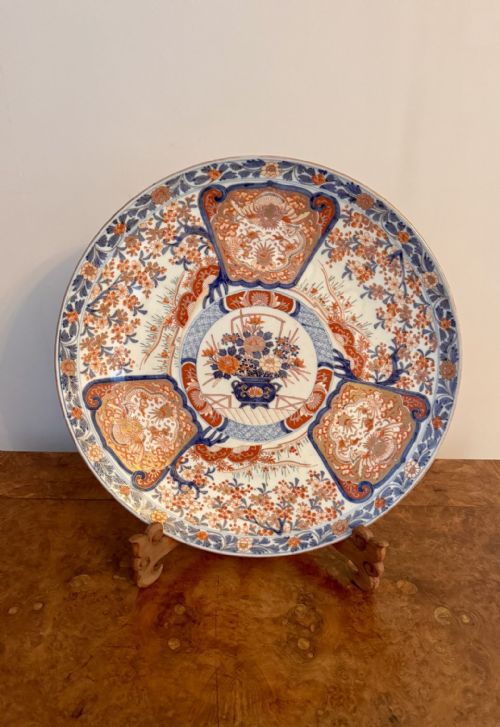
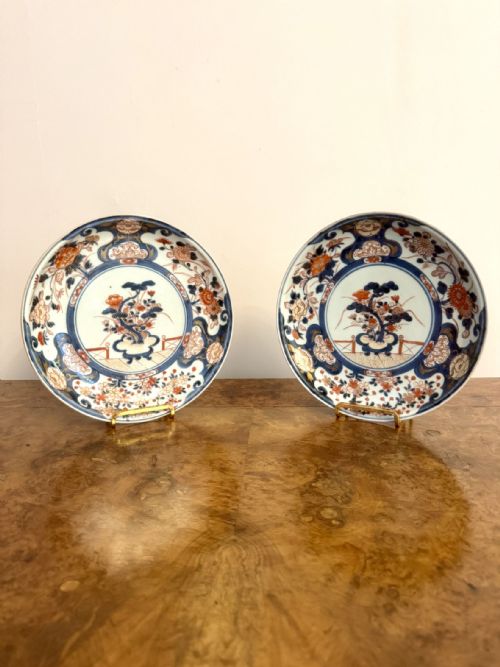
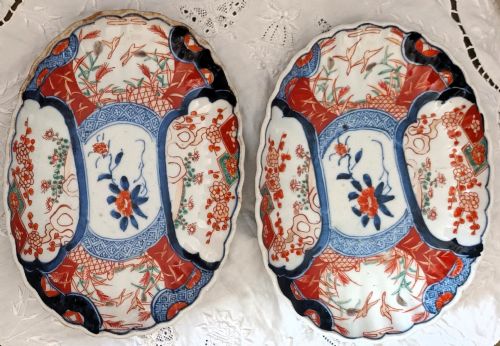
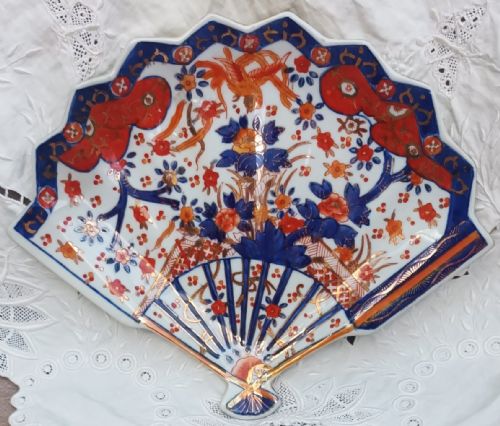
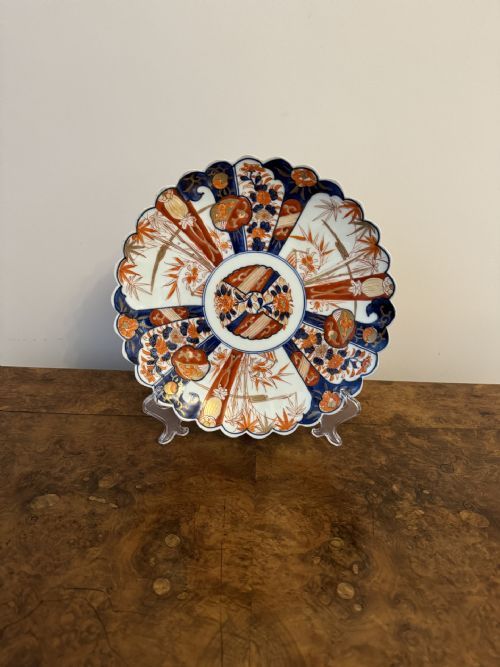
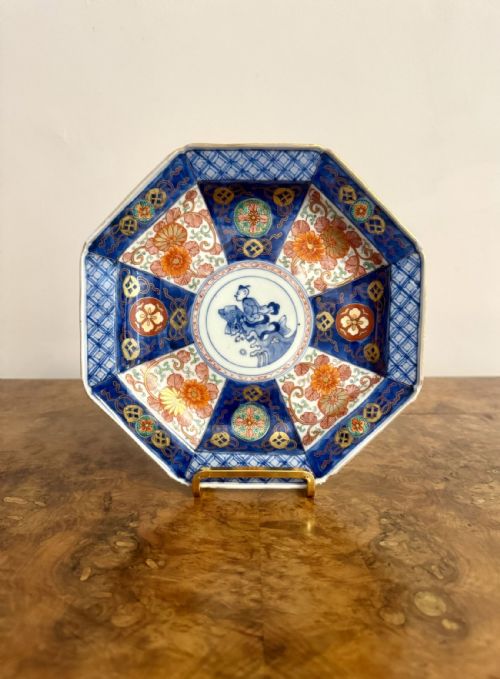
Japanese Imari pieces dominate the offerings, appearing in both Edo and Meiji period forms. You find scalloped edges, hexagonal geometries, and unusual shapes alongside standard circular chargers.
The aesthetic bridges domestic utility and display. Makers created these items for visual impact, combining deep cobalt pigments with rust-coloured iron red enamel.
How they were made
Potters applied cobalt blue pigment directly to the raw porcelain body before glazing and firing at high temperatures. This underglaze technique ensured the blue decoration remained permanently sealed beneath a clear glassy coat.
Iron red enamel and gold leaf or gilding were added over the glaze in a secondary low-temperature firing. This layered approach produced the characteristic juxtaposition of deep blue underglaze work with bright surface-level red and gilt highlights.
Underglaze Blue Iron Red Plates Retail Price Guide 2026
Typical asking prices for underglaze blue iron red plates among the pieces listed under this phrase on Sellingantiques today, from the lower quarter to the upper quarter. They describe what is for sale here now, not the wider market.
Potters occasionally incorporated accidental iron speckling into the glaze, turning kiln flaws into charming bursts of rust.
What varies in quality
The crispness of the cobalt painting and the precision of the iron red enamel separation dictate the visual tier of each piece. Finer examples display sharp brushwork without blurring in the underglaze areas.
The complexity of the form influences the grade, with hexagonal geometries and scalloped edges requiring greater skill from the potter than simple circular platters. Preservation of the applied gold leaf and surface enamel also separates standard items from superior specimens.
The Underglaze Blue Iron Red Plates Glossary
- Underglaze blue
- A decoration method where cobalt pigment is applied to the raw ceramic body before glazing. This protects the blue colour beneath a transparent vitreous layer.
- Iron red enamel
- A rust-coloured metallic pigment applied over the fired glaze. It provides the contrasting red tones characteristic of Imari wares.
- Imari
- A style of Japanese porcelain featuring a palette of cobalt blue, iron red, and gold. Production centres around the port of Arita for export and domestic markets.
- Meiji Period
- The era of Japanese history lasting from 1868 to 1912. Pieces from this time often show refined decorative complexity.
- Edo Period
- The period of Japanese history spanning 1603 to 1867. Early export dishes from this timeframe established the classic Imari aesthetic.
Underglaze Blue Iron Red Plates: Frequently Asked Questions
How do I date an Imari plate?
Dating relies on stylistic markers, clay body density, and the depth of the cobalt pigment. Eighteenth-century pieces often exhibit heavier porcelain bodies and slightly softer blue tones compared to later iterations.
Later nineteenth and twentieth-century examples frequently display brighter, more uniform enamel application and crisper white porcelain grounds. Comparing foot rims and glaze pooling helps confirm the manufacturing era.
Were these plates used for dining?
Most surviving decorative plates and chargers functioned primarily as display pieces for European and domestic markets. Their intricate enamel and gold leaf decorations made them prestige items rather than everyday tableware.
While some robust dishes saw service at formal tables, the fragile nature of the overglaze iron red and gilding meant owners typically mounted them on walls or placed them on sideboards.
What is the difference between Chinese and Japanese Imari?
Chinese export pieces made for the European market usually feature thinner porcelain bodies and slightly cooler blue tones under the glaze. The painting style often mimics European forms while retaining traditional motifs.
Japanese versions tend to use a brighter, warmer white porcelain with denser arrangements of iron red and gilt highlights. The cobalt blue on Japanese plates frequently appears deeper and more saturated.
Why do some plates have hexagonal shapes?
Potters shaped hexagonal and scalloped plates by hand-pressing the soft clay into specialised moulds or trimming the rims prior to firing. These geometric variations demonstrated the technical skill of the workshop.
Unusual shapes catered to fashionable tastes in export markets where buyers desired decorative variety beyond standard circular platters.