



Antique Equestrian Engraving
An antique equestrian engraving captures horses, riders and sporting scenes on paper through centuries of printmaking tradition.
Antique Equestrian Engraving
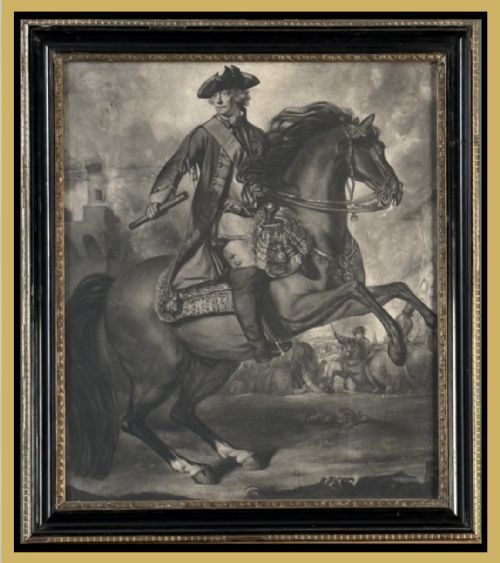
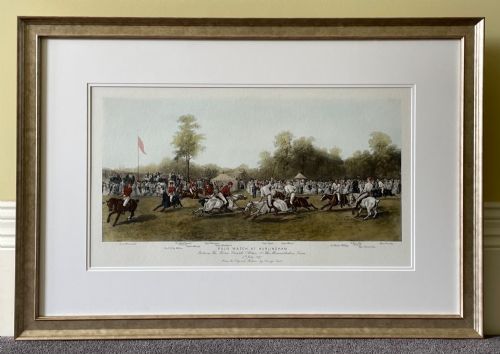
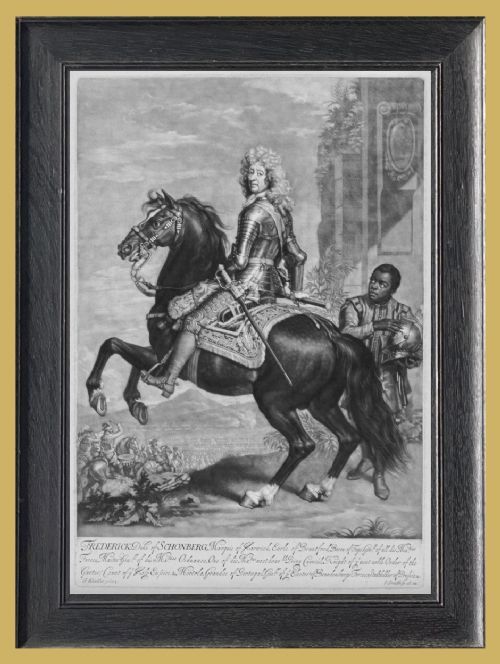
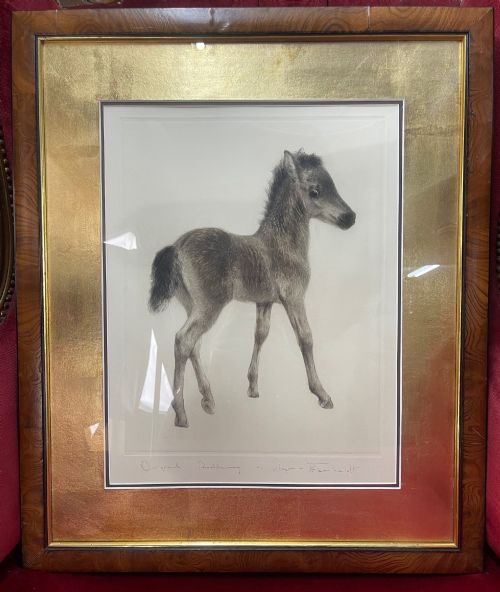
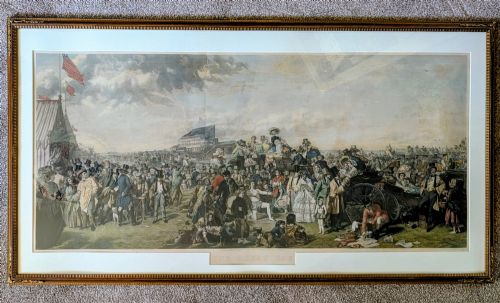
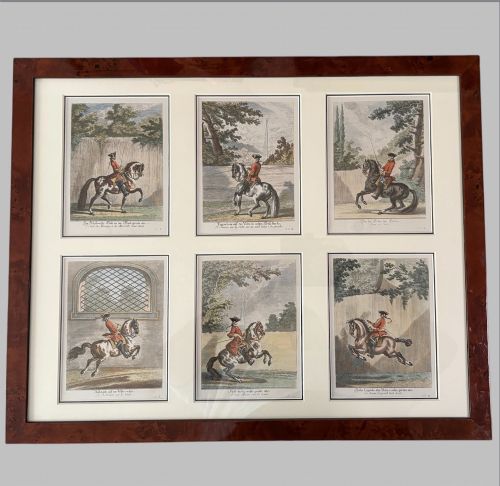
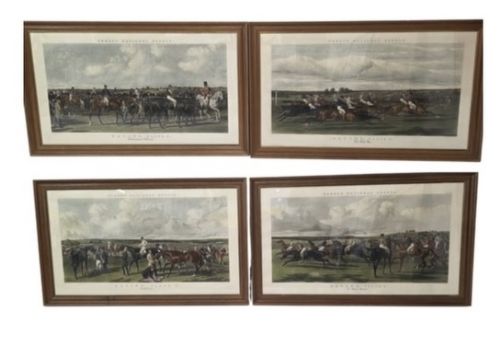
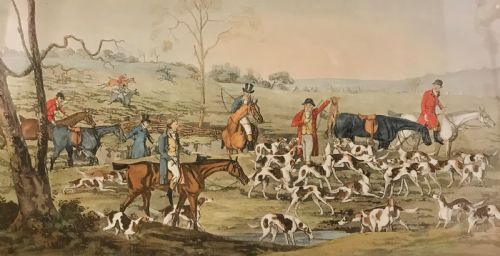
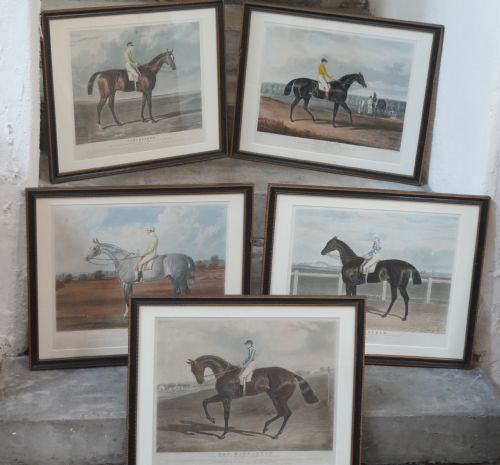
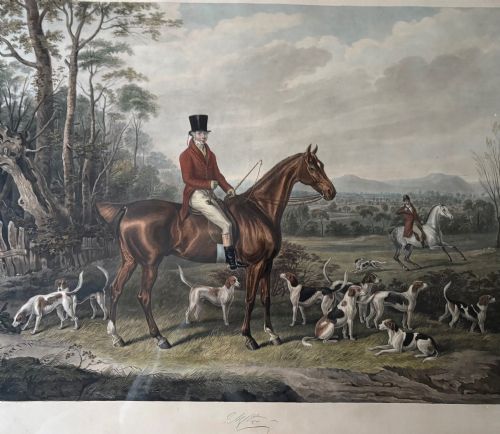
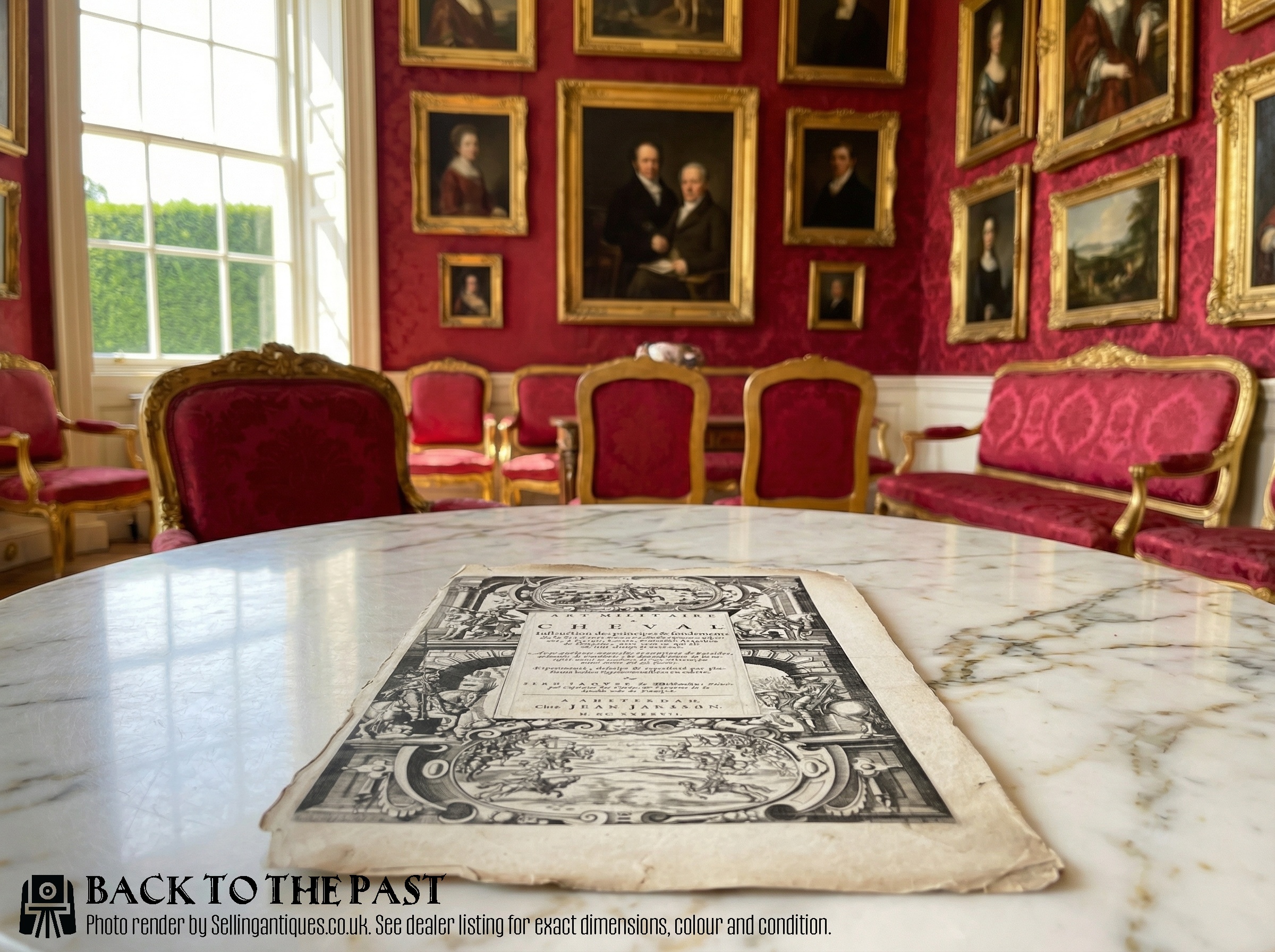
An antique equestrian engraving represents historic horse racing, hunting, portraits and field sports captured primarily on paper through printed mediums. When searching for an antique equestrian engraving, buyers encounter framed prints, wall art and book plates spanning the Georgian, Victorian and nineteenth century periods.
The selection ranges from individual racehorse portraits to multi-plate sets depicting fox hunting and polo matches. Most pieces originate from British and French printmakers utilising copper plate, mezzotint or lithography techniques.
Materials and print techniques
Maker workshops employed ink on paper, frequently enhanced with hand watercolour application over copper plate engravings or mezzotints. Master printmakers transferred detailed horse anatomy and landscapes using metal plates before mounting the resulting sheets in wood frames beneath glass.
Listings feature paper, ink, watercolour, and glass alongside sterling silver and wood objects from the eighteenth, nineteenth, and twentieth centuries.
Factors of quality
Quality rests upon the crispness of the plate impression and the precision of any hand-applied watercolour tinting. Complete sets with contemporary framing distinguish superior examples from single, trimmed plates.
Edward Fisher·John Smith·Kurt Meyer-Eberhardt·William Powell Frith·Ridinger·Alken·Victor Adam·C de Falens·W Ward·Charles Hunt·Francis Calcroft Turner·Sam. Howitt·J F Herring
The Antique Equestrian Engraving Glossary
- Engraving
- A printmaking process where an artist cuts lines into a metal plate to hold ink. This technique produces fine, sharp details suitable for complex horse and rider compositions.
- Mezzotint
- A tonal print method that works from dark to light by roughening the metal plate. It creates rich shadows and soft gradients ideal for portraiture.
- Aquatint
- A variant of etching that produces broad areas of tone resembling watercolour washes. Printmakers utilised this process to render atmospheric backgrounds behind sporting subjects.
- Hand-coloured
- The practice of applying watercolour pigments to a finished monochrome print by hand. Colourists added subtle hues to clothing, horses and landscapes to increase visual appeal.
Antique Equestrian Engraving: Frequently Asked Questions
How are antique equestrian prints cleaned?
Paper works require professional conservation to address foxing and acidity without damaging the original ink or hand-applied watercolour pigments.
Framed pieces should remain sealed in their protective environments to prevent moisture damage and fading from direct sunlight.
What periods do these engravings cover?
The inventory spans from the eighteenth century through the Georgian and Victorian eras up to the early twentieth century.
Earlier eighteenth-century examples focus on classical riding and specific racehorses, while nineteenth-century works celebrate racing and fox hunting.
Are these prints usually sold framed?
Many examples appear in period wood frames behind glass, often accompanied by early mats that protect the paper surface.
Unframed sheets and bound sets also occur, offering collectors flexibility for custom preservation and display.
How can I tell an original print from a reproduction?
Original impressions display plate marks where the metal edge pressed into the damp paper during the printing process.
Examination under magnification reveals the characteristic ink transfer of period copper plates, lithographs or mezzotints rather than modern dot patterns.