
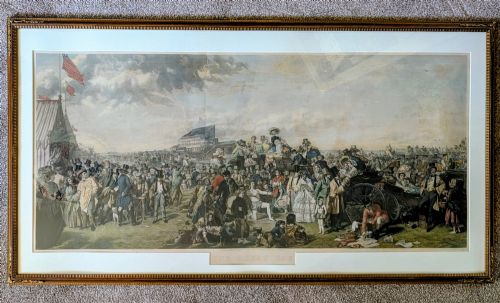
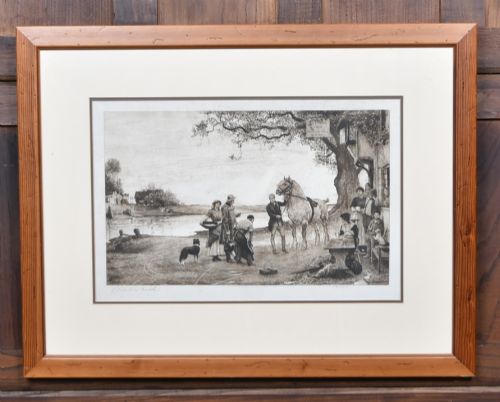
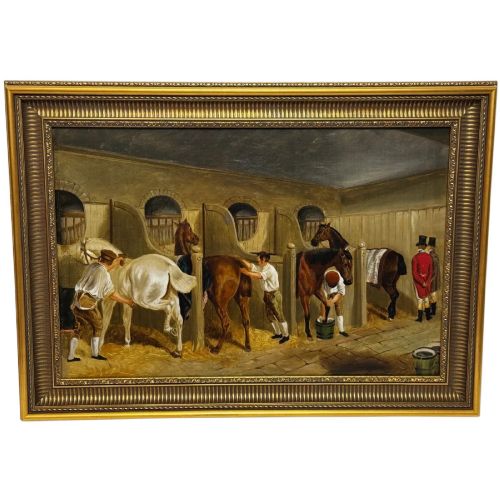
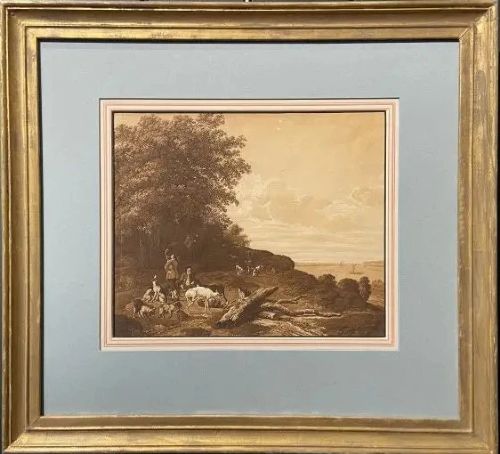
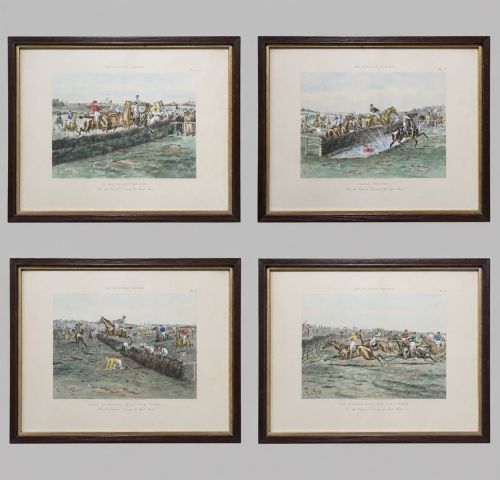
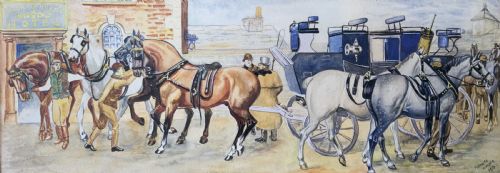
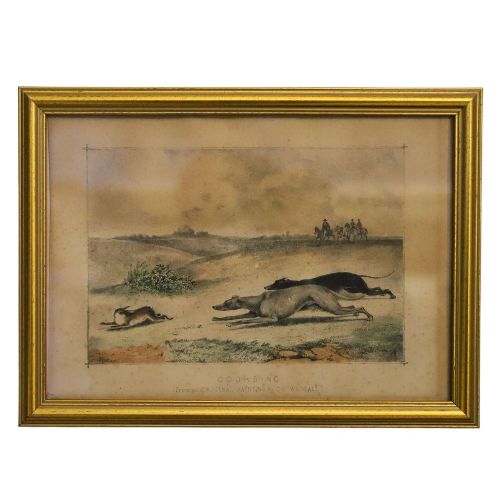
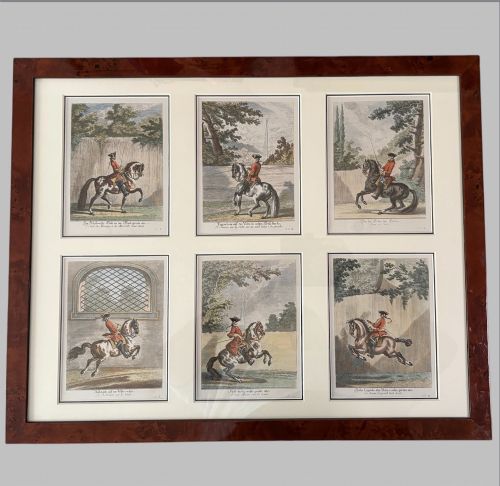
Framed Equestrian Art Print
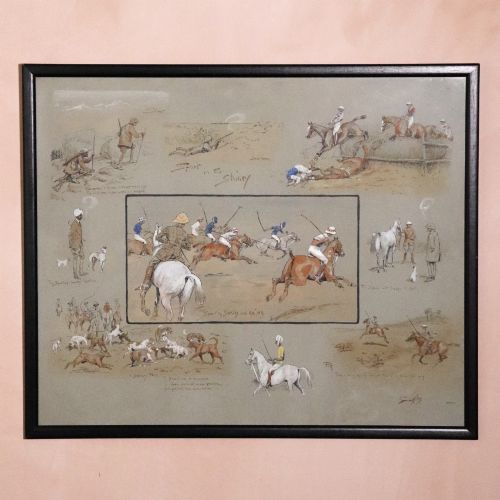
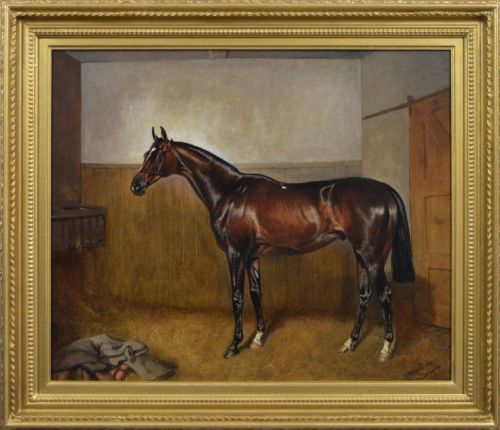
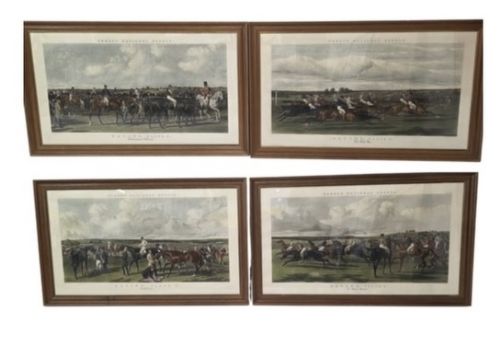
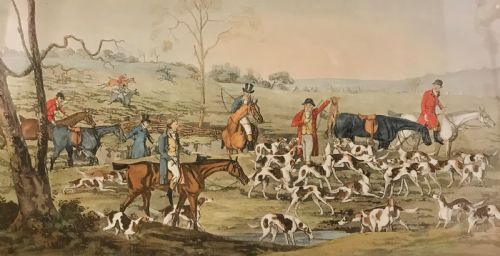
These framed equestrian art print pieces capture the enduring spirit of the field, bringing historic racing, hunting and polo scenes directly to the wall.
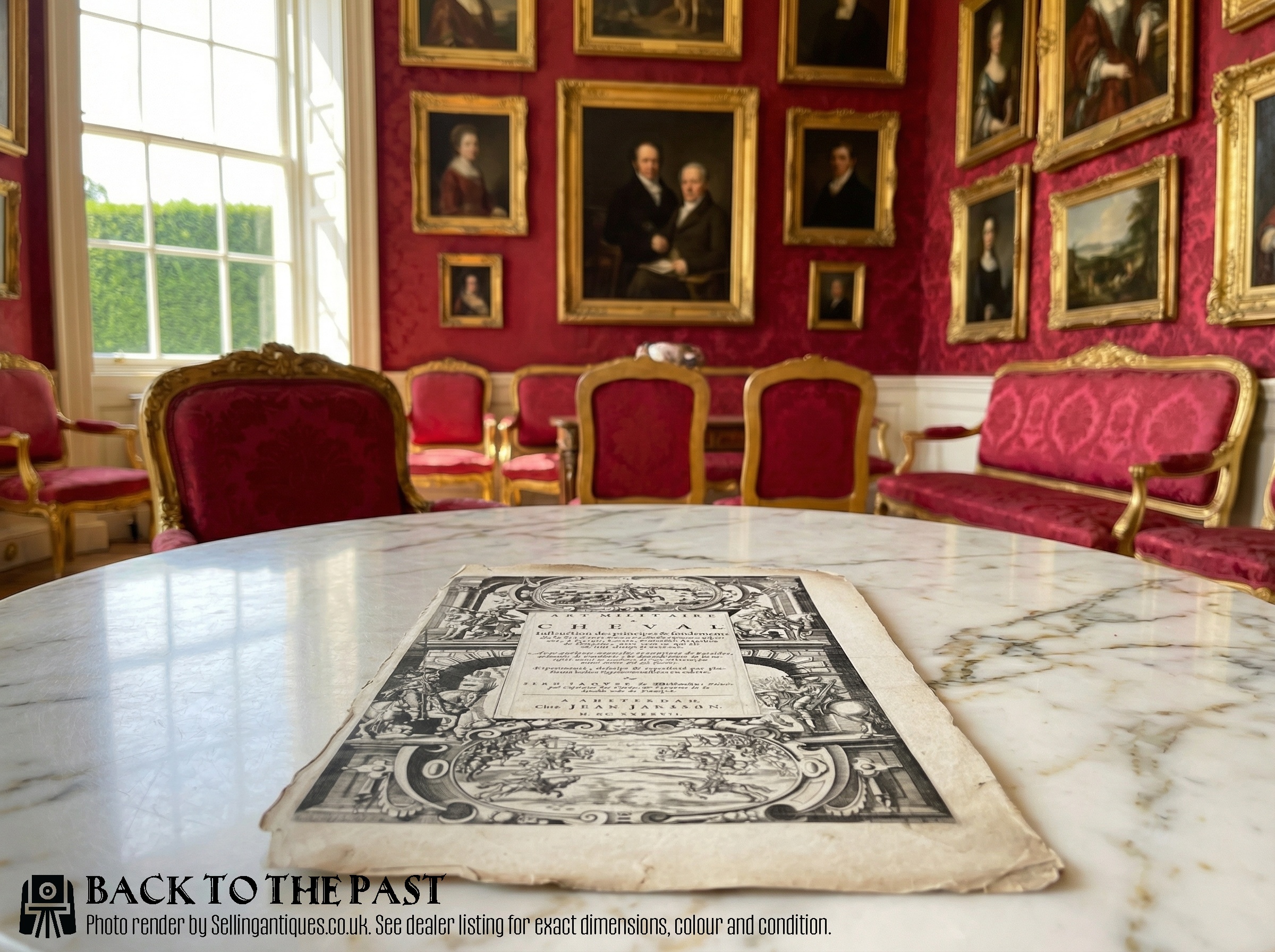
Framed Equestrian Art Print
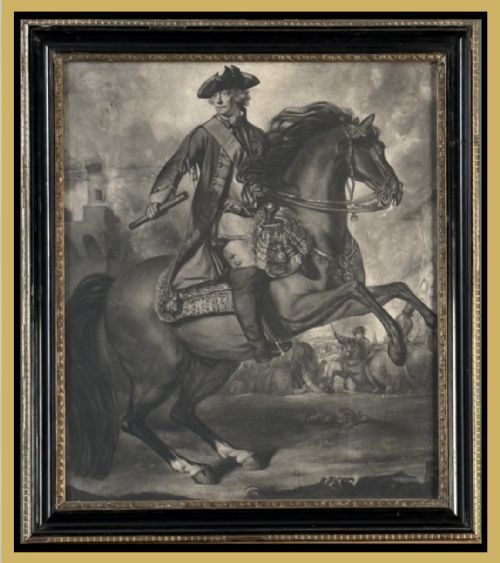
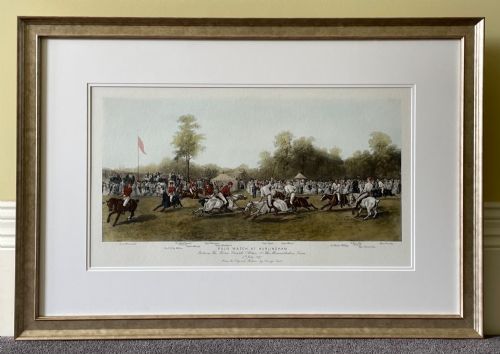
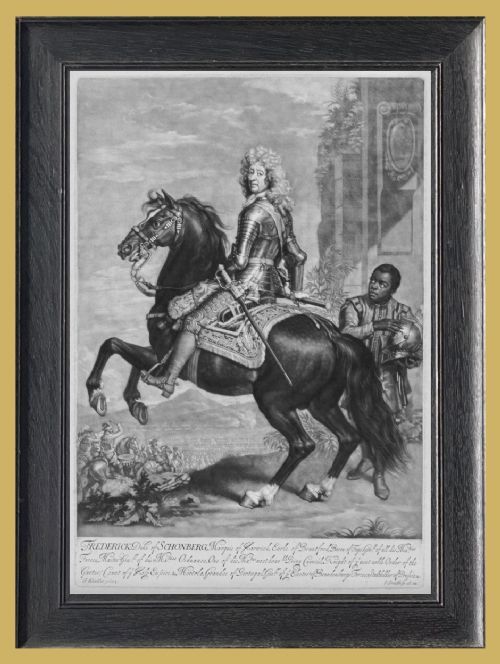
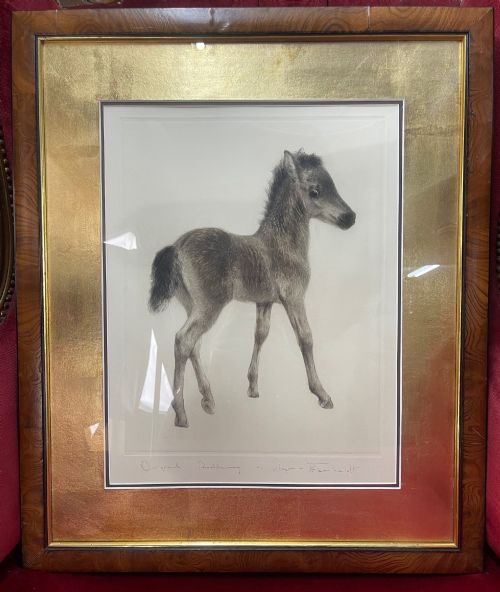
A framed equestrian art print brings together centuries of sporting tradition, encompassing disciplines from fox hunting and polo matches to horse racing and portraiture. These works capture the kinetic energy and elegance of horses through varied visual interpretations.
The pieces on this page span from the seventeenth century through the Victorian era into mid-century modern works, reflecting shifting aesthetic tastes across generations. Buyers encounter everything from hand-coloured copper engravings and lithographs to drypoint etchings and original paintings.
Framed formats dominate the selection, preserving delicate paper works beneath glass alongside robust oil on canvas pieces housed in timber frames. This variety allows collectors to curate displays that range from formal nineteenth-century sporting art to lively twentieth-century illustrations.
Materials and techniques
Makers utilised paper as a primary medium for printed works, applying ink through engraving, etching, lithography and chromolithography to achieve fine detail. Hand-colouring frequently added vibrancy to copperplate engravings and early lithographs.
Framing materials range from simple oak to ornate gilt wood, protecting fragile watercolours, prints and oil paintings behind glass where appropriate. Canvases provide the support for oil paintings, while eglomise techniques introduce reverse-painted glass elements.
Listings feature paper, glass, wood, ink, watercolour, gilt wood, gilt, and oil on canvas.
Distinctions in quality
Quality rests upon the fidelity of the draughtsmanship and the strength of the impression, where sharper lines and precise hand-colouring elevate printed works significantly. Early impressions from copperplates or lithographic stones possess a crispness that later copies lose.
The synergy between the artwork and its period framing defines the overall visual harmony, with original gilt wood or oak frames contributing historical integrity. The reputation of the artist or publisher further distinguishes exceptional pieces from standard decorative works.
Edward Fisher·John Smith·Kurt Meyer-Eberhardt·Robert W. Macbeth·C. H. Weigall·John Alfred Wheeler·Herbert Dicksee·John Rattenbury Skeaping·Gabriel Dauchot·Charles Faulkner
The Framed Equestrian Art Print Glossary
- Lithograph
- A print made by drawing on limestone or a metal plate with a greasy medium so that ink adheres only to the drawn areas. This technique allowed artists to produce subtle tonal gradations and fluid lines.
- Engraving
- A printmaking method where an artist cuts lines directly into a metal plate using a sharp tool called a burin. The resulting prints exhibit remarkable precision and permanence.
- Drypoint
- An intaglio printmaking process where the artist scratches an image directly into a metal plate with a needle, creating a raised burr that holds ink. This produces soft, velvety lines unique to the medium.
- Chromolithograph
- A colour lithographic print produced by using multiple stones, each applying a different coloured ink in register. This process enabled rich, multicoloured reproductions before modern printing.
- Eglomise
- A decorative technique involving the application of cold painting and leaf metal to the reverse side of glass. It creates a reflective, mirrored surface effect often used for specialised portraits.
Framed Equestrian Art Print: Frequently Asked Questions
How do I date an old horse print?
Dating relies on examining the paper quality, printing technique, and any inscriptions or publication lines found in the margins. Costumes, tack styles, and framing methods also offer clues to the era of production.
Comparing the style against known periods represented in the listings helps narrow down the decade. Publisher details, where present, provide definitive historical anchors for prints.
What is the difference between an engraving and a lithograph?
Engravings involve cutting lines into a hard plate to hold ink, resulting in crisp, precise details. Lithography uses a greasy crayon on stone or metal, allowing for softer lines and painterly washes.
Under magnification, engravings show ink resting in incised grooves, whereas lithographs sit flat on the paper surface. Both techniques produced the dominant sporting images of their respective eras.
Are these prints hand-coloured?
Many historical prints, particularly eighteenth and nineteenth-century sporting scenes, received watercolour washes by hand after printing. This added vibrancy and value to monochrome engravings and lithographs.
Close inspection reveals brushstrokes and subtle variations in tone that distinguish hand-applied pigment from mechanical colour printing. This traditional finishing gives each plate a unique character.
How should I hang equestrian art at home?
Equestrian art works well in studies, hallways, and living spaces, often hung in symmetrical groups to mirror traditional gallery walls. Matching the wood tones of the frames to existing furniture helps integrate the pieces into the room.
Positioning works away from direct sunlight protects delicate watercolours and coloured inks from fading over time. Secure wall fixings are essential for heavier gilt-framed oils and large prints.