




Gold Framed Horse Picture
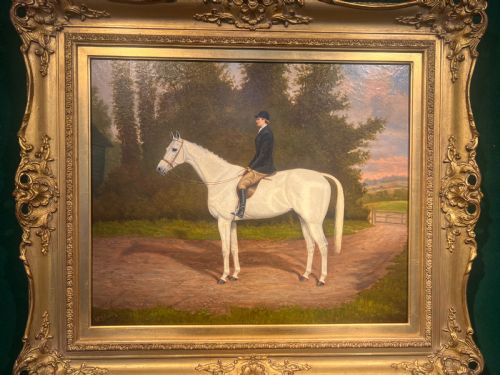
A gold framed horse picture brings the rich history of equestrian portraiture and sporting art directly into a room.
Gold Framed Horse Picture
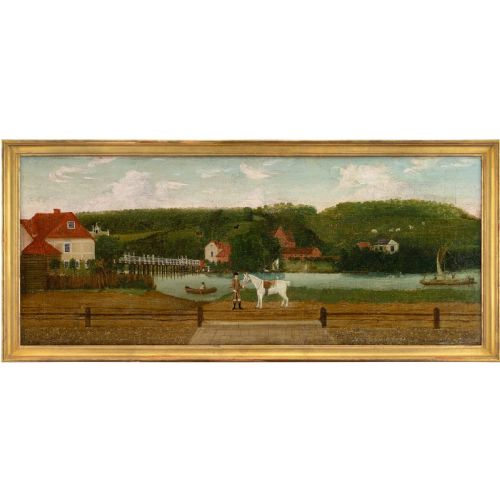
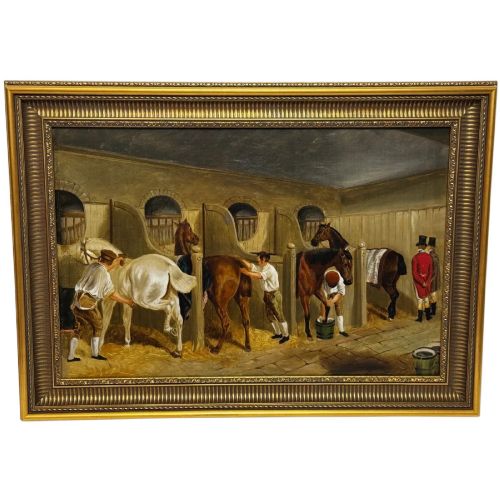
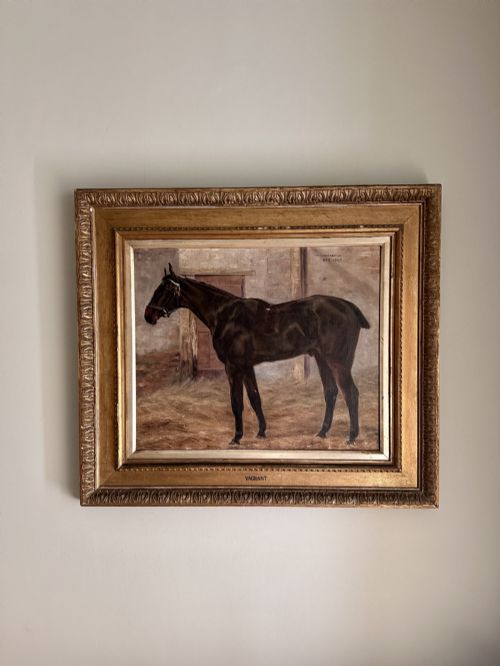
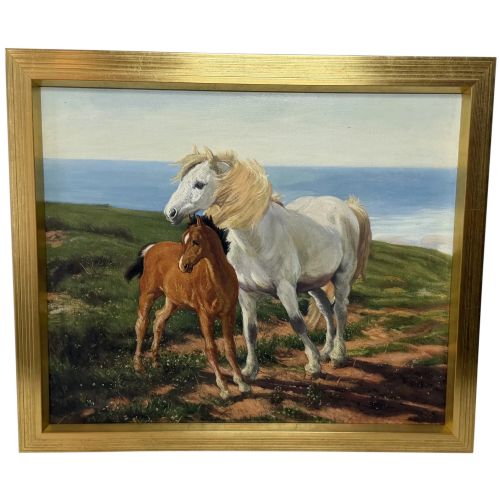
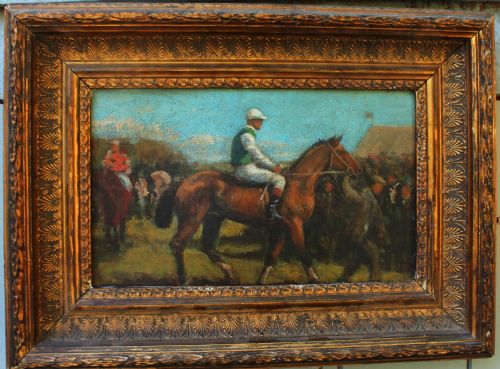
A gold framed horse picture encompasses various artistic depictions of horses, including individual portraits of prized thoroughbreds, racing scenes, hunting gatherings, and rural working animals. These works capture the deep cultural significance of horses across British and European history, reflecting agricultural life, aristocratic pastimes, and sporting achievements.
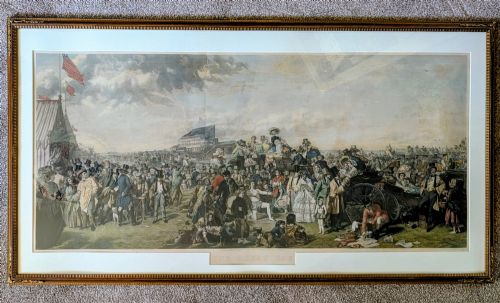
The selections available range from detailed 19th-century oil paintings on canvas to delicate watercolours, prints, reverse silhouette paintings on glass, and silk needlework pieces. Most examples originate from the Victorian and Edwardian eras, showcasing the dominant artistic styles of British sporting art and impressionism from those periods.
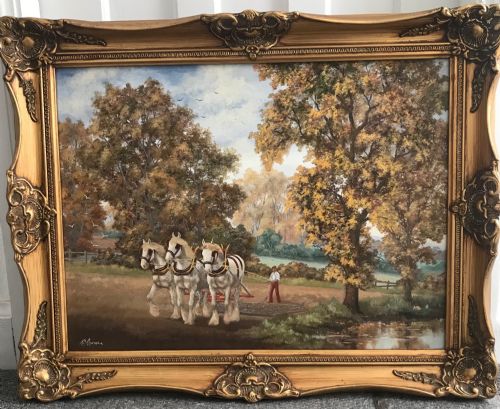
Buyers encountering this collection will find both formal commissioned portraits of named racehorses with their jockeys and broader landscape scenes featuring ploughing teams, carriage horses, and hunt gatherings. Each piece uses the characteristic warmth and reflection of a gilded wooden frame to draw the eye toward the equine subject within.
Materials and construction methods
The foundational medium for the majority of these artworks is oil on canvas, supplemented by paper used for watercolours, card, and specialised surfaces like glass or silk. Artists applied traditional pigments using fine brushes to render the musculature, coats, and expressions of the animals with anatomical accuracy.
Surrounding the artwork, the frames are predominantly constructed from wood finished with gilt or giltwood treatments to create a bright, reflective metallic border. Some pieces incorporate glass frontages to protect vulnerable paper watercolours or delicate needlework from environmental damage.
Gold Framed Horse Picture Retail Price Guide 2026
Typical asking prices for gold framed horse picture among the pieces listed under this phrase on Sellingantiques today, from the lower quarter to the upper quarter. They describe what is for sale here now, not the wider market.
Several horses captured in these gilded frames achieved legendary racetrack status before retiring to immortalisation in oil paint.
Factors influencing quality
The distinction between standard and exceptional pieces rests upon the anatomical precision of the horse, the fluidity of the brushwork, and the artist's ability to capture movement and temperament. Master painters render bone structure, light playing on a chestnut coat, and dynamic action with a realism that lesser hands fail to achieve.
Provenance and documentation also separate works, with pieces carrying clear attribution to known sporting artists or historical connections to estates and racecourses commanding greater attention. Furthermore, the condition and craftsmanship of the original giltwood frame contribute substantially to the overall integrity of the piece.
William Powell Frith·Fred Fitzpatrick·John Ferneley Senior·Charles Walter Simpson·John Frederick Herring Jnr·Edward Lloyd of Ellesmere·Charles Faulkner·Alfred Wheeler·Gilbert Scott Wright·Thomas Mackay·Abraham Cooper RA·Samuel Henry Alken·John Sanderson-Wells·Charles H Poingdestre·Isaac Cullin·Heywood Hardy·Guillaume Urban Régamey·George Goodwin Kilburne·Alexis De Leeuw
The Gold Framed Horse Picture Glossary
- Giltwood
- Wood that has been treated with a thin layer of gold leaf or metallic gilt paint. This traditional framing technique provides a bright, reflective finish designed to complement the artwork.
- Equine portrait
- A painting or drawing created specifically to record the likeness and conformation of a particular horse. These works were frequently commissioned by owners to document prized hunters or racehorse winners.
- Sporting art
- A genre of art depicting rural sports, horse racing, hunting, and shooting scenes. It gained immense popularity in Britain during the eighteenth and nineteenth centuries.
- Watercolour painting
- An artwork created using water-soluble pigments on paper. This medium allows for transparent washes of colour that impart a luminous quality to landscape and animal scenes.
- Provenance
- The documented history of ownership of an artwork from its creation to the present day. Clear provenance helps verify authenticity and historical significance.
Gold Framed Horse Picture: Frequently Asked Questions
What periods do these horse pictures come from?
The pieces span the nineteenth and early twentieth centuries, with a strong representation of Victorian and Edwardian works. This era encompasses the height of British sporting art and traditional equine portraiture.
Collectors will also encounter select mid-century pieces alongside early nineteenth-century examples, showing how the depiction of horses evolved across different generations.
How were these artworks traditionally displayed?
Historically, these framed works hung in country houses, estate offices, and gentleman's studies alongside hunting trophies and sporting memorabilia. The prominent gold frames were specifically chosen to project prestige and catch the natural light in large rooms.
In modern interiors, they function equally well as focal points in living spaces, hallways, or libraries, pairing naturally with traditional or eclectic decor.
Are all the pieces oil paintings?
While oil on canvas forms a large portion of the selection, the category includes several other mediums. Buyers will find watercolours on paper, detailed prints, silk needlework, and reverse silhouette paintings on glass.
Each medium offers a distinct visual texture, from the heavy impasto of an oil study to the delicate transparency of a watercolour or the fine detail of textile work.
How can I tell a named racehorse portrait from a general scene?
Portraits of specific thoroughbreds often include identifying inscriptions on the canvas or frame, frequently noting the horse's name, the jockey, and the racecourse or owner. Background details often feature formal stables or racing paddocks rather than open landscapes.
General sporting scenes or working horse pictures focus more broadly on the activity itself, such as ploughing fields, hauling timber, or participating in a hunt.