
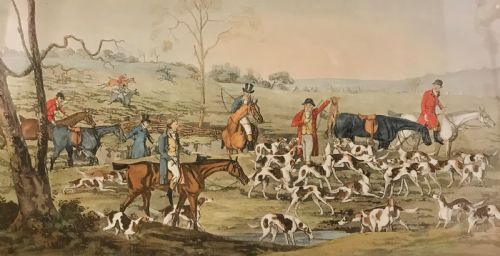


19th Century Sporting Print
A 19th century sporting print captures the energy and pageantry of historic field sports, racing and rural pastimes.
19th Century Sporting Print
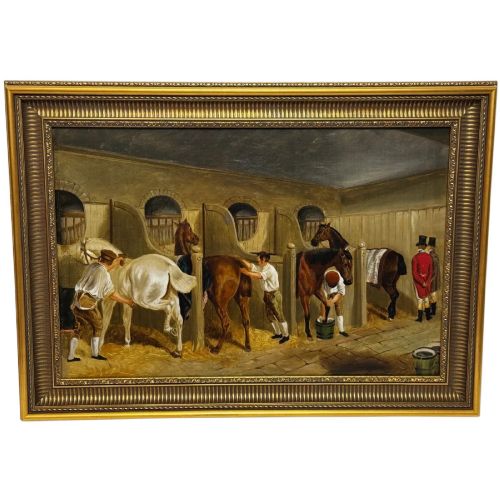
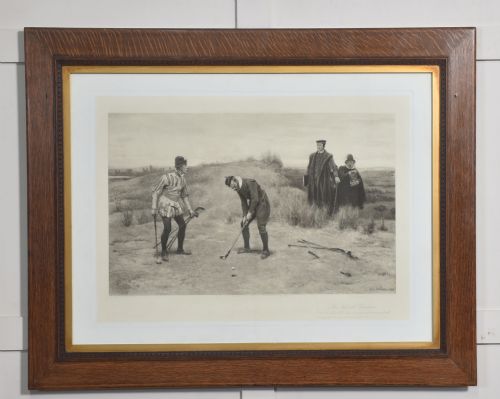
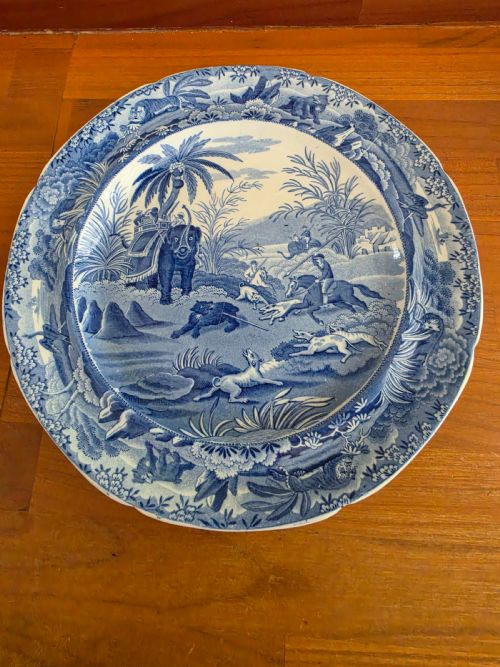
A 19th century sporting print encompasses framed engravings, lithographs, aquatints and decorative plates depicting equestrian pursuits, hunting scenes and athletic competitions. These works document the era's deep fascination with horses, hounds, game shooting and country life through graphic art.
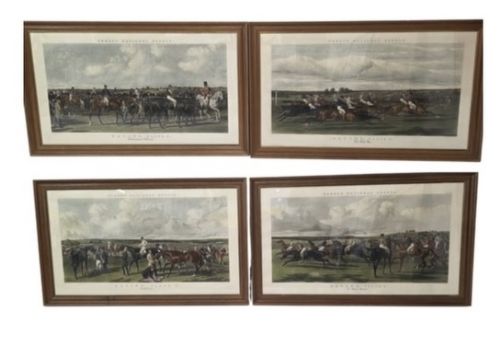
Buyers will encounter single folio sheets alongside complete sets of four, often housed in traditional wood or gilt frames. Subjects range from formal racehorse portraits and fox hunting meets to coursing greyhounds and pugilistic or athletic events.
Originating across the Georgian, Regency and Victorian periods, these pieces reflect the specific artistic output of nineteenth-century British printmakers and publishers. They offer a direct window into the sporting culture and social history of the era.
How They Were Made
These works rely on paper surfaces marked by ink, alongside specialised processes like lithography, chromolithography and aquatint engraving. Many examples receive hand-colouring to enhance the vibrancy of the jackets, landscapes and animals depicted.
Framing materials commonly incorporate wood, giltwood and gold leaf, occasionally paired with protective glass to preserve the delicate paper beneath. These protective housings range from simple period moulding to decorative gilt frames designed to complement the artwork.
Listings feature works spanning the Georgian, Regency and Victorian eras, utilising paper, ink, oil on canvas and gilt wood.
What Varies In Quality
Quality rests upon the crispness of the original plate impression and the precision of any applied hand-colouring. Stronger impressions retain fine details in the jockey's silks, the musculature of the horses and the expressions within the landscape.
The integrity of the paper and the authenticity of the associated frame also dictate overall merit. Complete, matching sets maintain greater historical cohesion than isolated plates, while clean margins and minimal toning elevate the standing of the piece.
Charles Hunt·Francis Calcroft Turner·Charles Faulkner·Frank Dadd·J C Dollman·Alken
The 19th Century Sporting Print Glossary
- Aquatint
- An intaglio printmaking technique that produces tonal areas resembling watercolour washes. It allows printmakers to achieve subtle gradations of shadow and light behind the etched lines.
- Chromolithography
- A planographic colour printing method using multiple limestone blocks, one for each colour. This technique yields rich, multi-coloured prints without manual hand-tinting.
- Engraving
- A method where an artist cuts lines directly into a metal plate with a burin. The resulting incisions hold the ink for transfer onto paper under high pressure.
- Lithography
- A printing process based on the chemical repulsion of oil and water upon a flat stone or metal plate. It became the dominant medium for rapid mass reproduction of popular imagery during the Victorian era.
19th Century Sporting Print: Frequently Asked Questions
How do I care for antique paper prints?
Keep prints away from direct sunlight to prevent the fading of ink and hand-applied watercolours. Maintain stable humidity levels to protect the antique paper from warping or foxing.
Ensure framing materials are acid-free where possible to stop chemical degradation over time. Hang them on interior walls away from excessive heat sources.
Were these originally published as sets?
Many sporting subjects were issued by publishers as sequential sets of four to appeal to collectors and sportsmen. Complete sets often depict progressive moments in a hunt, race or match.
Single prints also circulated widely, either as individual folio plates or as illustrations within contemporary journals and sporting periodicals.
How can I tell the period of the print?
Examine the publication details, typography and paper characteristics often visible within the lower margins. Stylistic clues in the dress, architecture and tack of the horses also point toward Georgian, Regency or Victorian origins.
Publisher publication dates printed beneath the image provide the most direct evidence of when the plate was issued.
What subjects are most common in these works?
Equestrian themes dominate the genre, including horse racing, steeplechasing, fox hunting meets and coaching scenes. Depictions of canine subjects, such as pointers, greyhounds and terriers with game, appear with equal frequency.
Less common subjects record alternative nineteenth-century pastimes, including pedestrian foot races, rowing and traditional field games.