

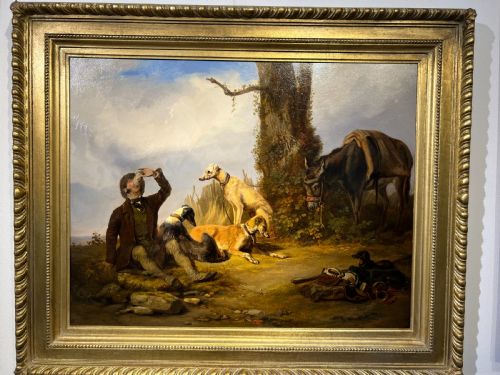
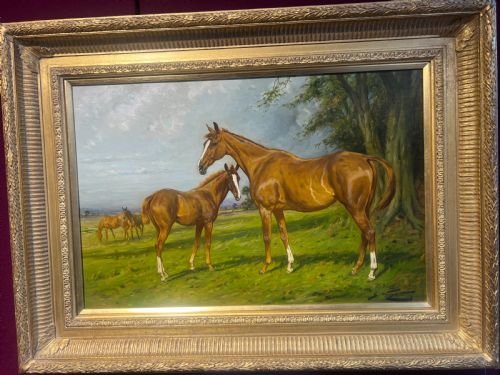
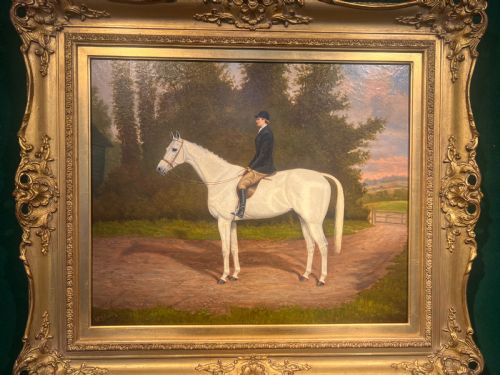
Framed Sporting Artwork
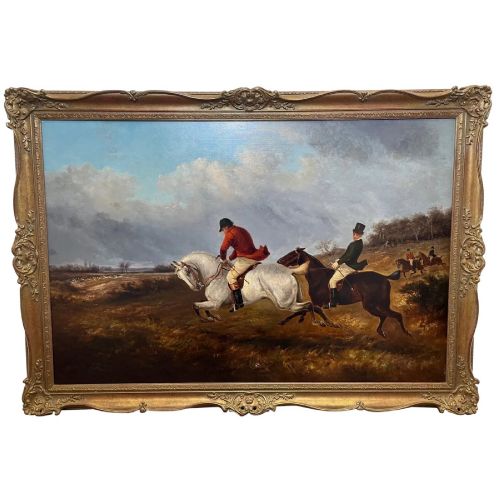
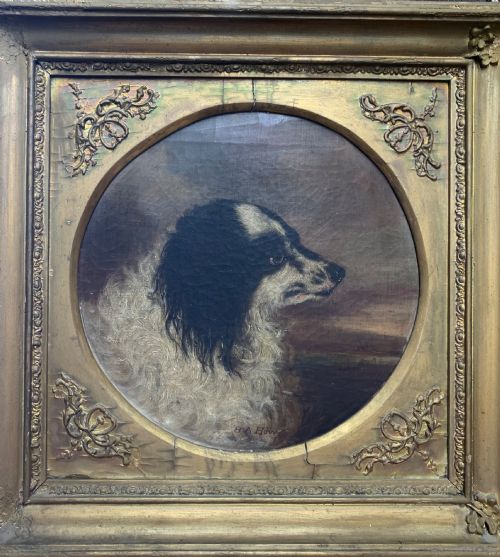
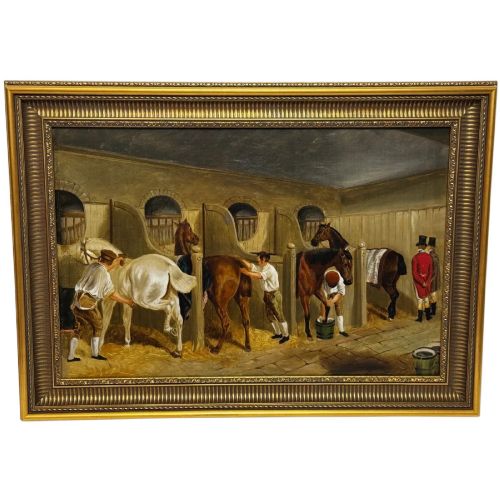
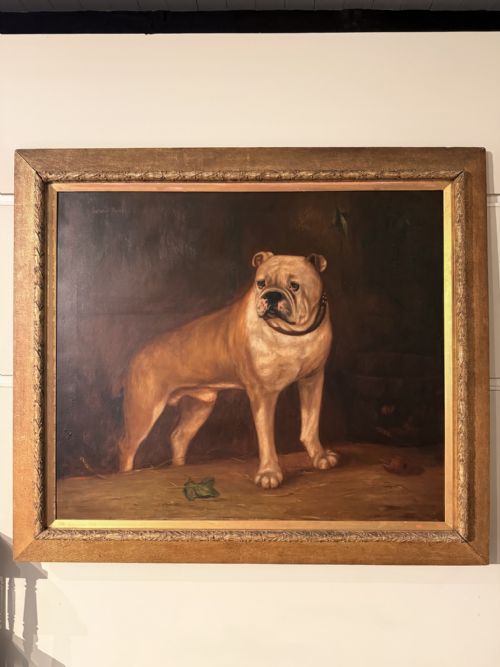
Framed sporting artwork captures the energy of the field, the track and the stable through centuries of British tradition.
Framed Sporting Artwork
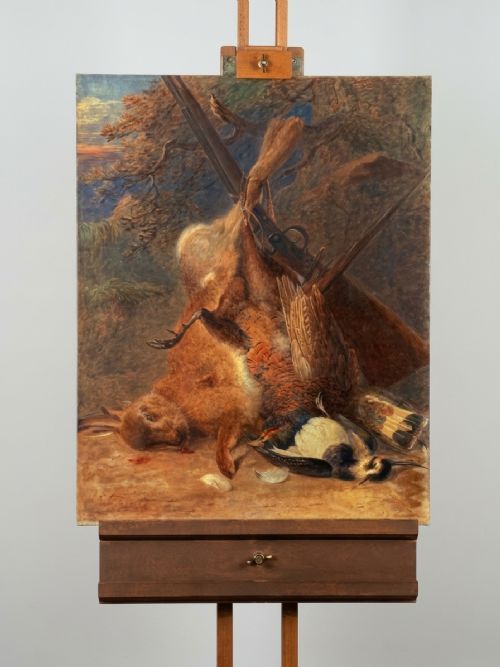
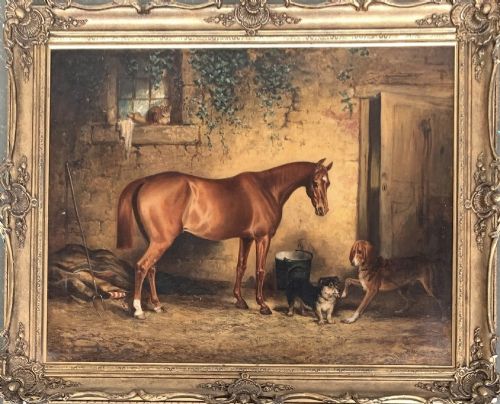
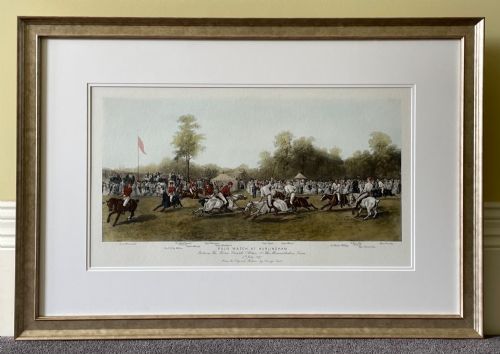
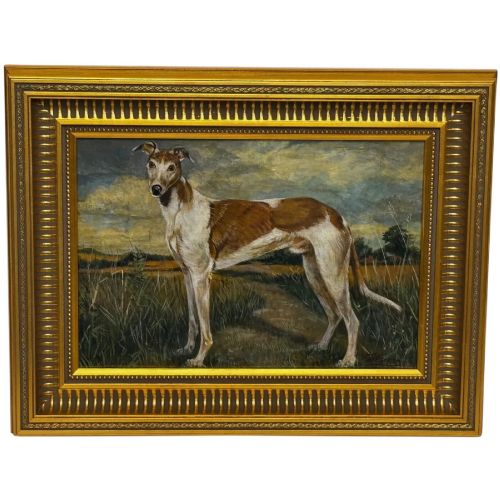
Framed sporting artwork encompasses oil paintings, watercolours, lithographs and engravings that depict equestrian subjects, hunting dogs, racing scenes and field sports. These pieces range from Victorian canvases to mid-century works, reflecting a rich heritage of animal and equine portraiture.
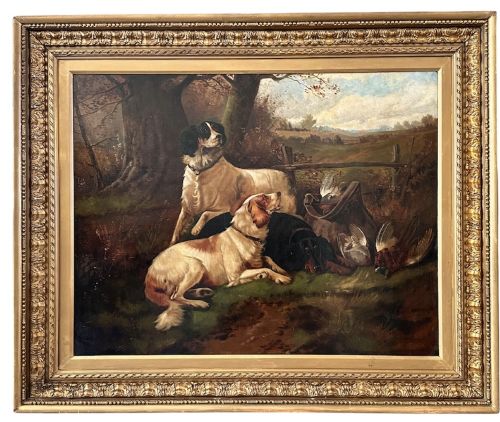
The selections on this page feature nineteenth-century and early twentieth-century depictions of hounds, hunters and racing moments. Buyers frequently encounter traditional oil on canvas compositions alongside detailed prints housed in period wood or gilt frames.
How They Were Made
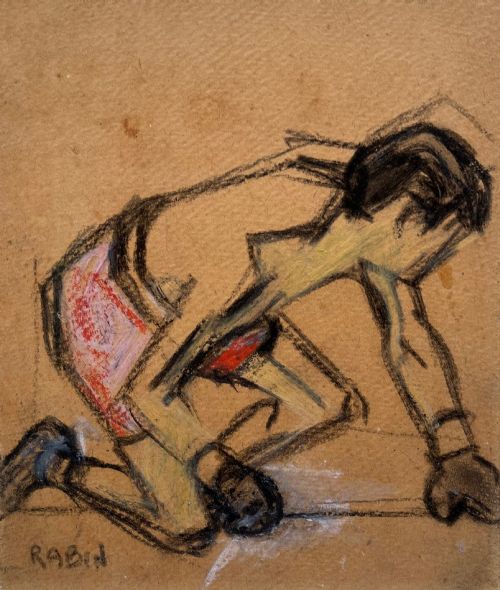
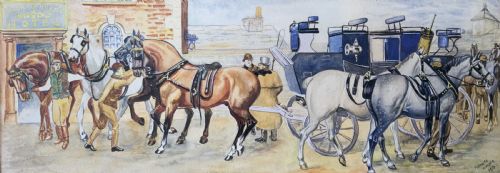
Artisans and painters utilised oil paint on canvas or applied watercolours and pastels to paper. Canvases are stretched over wooden frames, while works on paper are protected behind glass.
Makers enclosed these visual records in wooden frames, often enhanced with gold leaf and giltwood moulding to complement the subject matter.
Listings feature works spanning the Victorian, Edwardian and Mid-Century Modern periods, utilising canvas, paper, oil paint and giltwood.
What Varies in Quality
The standard of a piece rests upon the artist's ability to render anatomy, movement and expression convincingly. Hand-painted oil portraits by recorded artists demonstrate a distinct depth compared to mass-produced printed reproductions.
The integrity and age of the surrounding frame also influence the overall character of the piece. Original wood and gilt housings that match the era of the artwork elevate the presentation.
Thomas Smythe·Henry Barraud·John Emms·John Rattenbury Skeaping·Cecil Charles Windsor Aldin
The Framed Sporting Artwork Glossary
- Lithograph
- A printmaking method based on the repulsion of oil and water on a limestone slab or metal plate. This technique allowed artists to reproduce detailed sporting scenes for wider distribution.
- Giltwood
- Wood carved and coated with a thin layer of gold leaf or metallic powder. It provides a bright, reflective border common on nineteenth-century frames.
- Provenance
- The documented history of ownership surrounding a work of art. It traces the journey of a painting from its creator or initial estate to the present market.
- Triptych
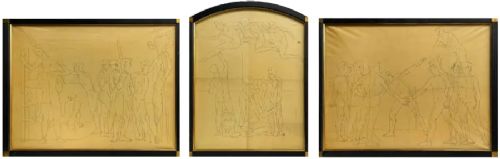
- A single artwork divided into three distinct panels or sections. This format appears in commemorative sporting pieces and larger artistic studies.
Framed Sporting Artwork: Frequently Asked Questions
How do I date a framed sporting piece?
Dating relies on stylistic clues within the artwork, costume details of any human figures, and the construction methods of the frame. Pigments, paper types and stretcher frames also offer clear indicators of period origin.
Signatures, inscriptions on the reverse, and historical labels provide further confirmation of when the piece was created.
Where should I hang sporting artwork?
These pieces suit libraries, studies and hallways where traditional decor meets equestrian or field themes. Grouping works with similar wooden or gilt frames creates a cohesive gallery display.
Avoid placing canvas works in direct sunlight or areas of high humidity to protect the paint and paper over time.
What is the difference between an oil painting and a lithograph?
An oil painting is a unique, hand-painted work utilising pigment suspended in drying oil on canvas or panel. Each brushstroke is singular and applied directly by the artist.
A lithograph is a printed reproduction created through a chemical printing process, allowing multiple copies of an original composition to be shared.
How do I care for antique frames?
Antique wooden and gilt frames require gentle dusting with a soft, dry cloth to prevent the accumulation of grit. Avoid using liquid cleaners or chemical polishes, which can strip gold leaf and damage aged wood.
Maintaining stable room temperatures prevents the wood from warping and protects the joints of the frame.