




Horse and Hound Artwork
Horse and hound artwork captures the dramatic energy of the chase through historic paintings, watercolours, and prints.
Horse and Hound Artwork
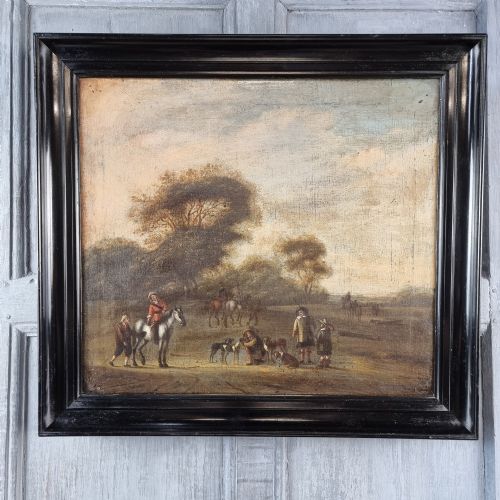
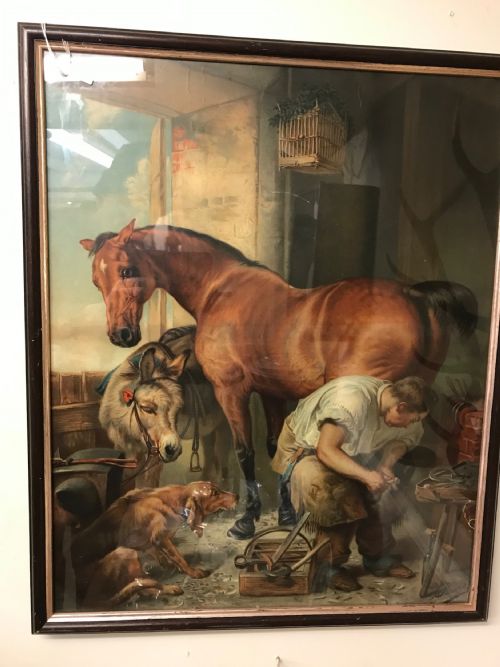
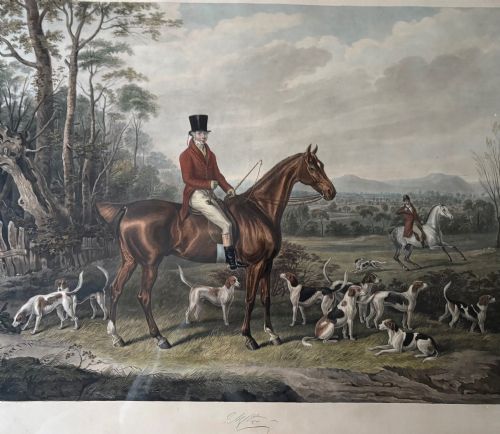
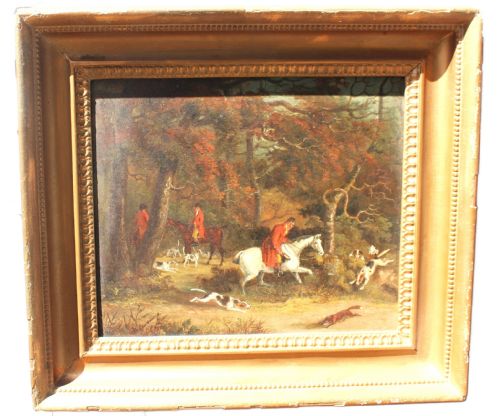
Horse and hound artwork encompasses traditional paintings, watercolours, and engravings celebrating the equestrian field sports of Britain and Europe. Buyers seeking horse and hound artwork generally encounter Victorian oils on canvas alongside earlier Georgian and Regency depictions of hunts in full cry.
The subjects range from quiet rural landscapes featuring ponies and attendants to high-action scenes like the Berkeley Hunt or hot pursuits. Pieces span from the late seventeenth century through to the mid twentieth century, reflecting shifting tastes in sporting art.
Materials and technique
Artists relied primarily on oil paint applied to stretched canvas or panel to capture the rich textures of horse coats and hound fur. Watercolours on paper and hand-coloured engravings provided more accessible formats for domestic interiors.
Framing often utilised period gilt wood, which complemented the darker tonal palettes typical of nineteenth-century sporting scenes. Draftsmanship focused heavily on accurate anatomical rendering of horses and hounds in motion.
Listings feature works spanning from the seventeenth century through to the mid twentieth century, executed in oil, watercolour, and engraved paper.
Assessing quality
Quality rests on the artist's command of anatomy and movement, distinguishing stiff renderings from dynamic compositions that convey genuine momentum. Skilled brushwork in the depiction of light on horse flanks and hound coats elevates a canvas above standard commercial production.
Provenance and attribution to documented painters working within British sporting art traditions add significant distinction. The preservation of the original surface and the appropriateness of the framing further separate superior examples from ordinary works.
John Sanderson Wells·Guillaume Urban Regamey·George Goodwin Kilburne·Edward B Herberte·Wilfred Bailey
The Horse and Hound Artwork Glossary
- Sporting art
- A genre of painting and printmaking dedicated to equestrian subjects, hunting, shooting, and rural pursuits. It gained immense popularity in Britain throughout the eighteenth and nineteenth centuries.
- Aquatint
- A printmaking technique that produces tonal areas resembling watercolour washes. It was frequently utilised for reproducing hunting scenes before the advent of colour photography.
- Gilt wood
- Carved timber treated with a thin layer of gold leaf or gilt finish. Period frames in this material enhance the visual weight of antique oil paintings.
- Hand-coloured engraving
- An intaglio print pulled from a metal plate and subsequently painted by hand with watercolours. This method added vibrant hues to monochrome sporting prints.
Horse and Hound Artwork: Frequently Asked Questions
How do I date a hunting painting?
Dating relies heavily on stylistic markers, costume details of the riders, and the stretcher construction or framing methods. Nineteenth-century works often bear distinct Victorian palette choices and canvas stamps.
Comparison with documented works by known sporting artists also assists in narrowing down the decade of production. Examining the pigments under magnification can reveal later restoration work that might obscure the original period.
Where should I hang sporting art?
These works suit traditional reception rooms, libraries, or hallways where their rich earth tones and narrative energy can anchor the space. Pairing them with wood-panelled walls or neutral paint emphasises their classic British aesthetic.
Avoid placing canvas pieces in direct sunlight to prevent the oil paint and gilt frames from fading. Stable humidity levels protect both the canvas support and the traditional wooden framing.
What is the difference between an oil and an engraving?
Original oil paintings are unique works created directly by the artist's hand on canvas or panel, featuring textured brushwork and layered pigments. Engravings are multiples printed from etched plates, often hand-coloured later.
Oils command greater presence and depth due to the physical build-up of paint layers. Engravings offer a glimpse into period print culture and domestic decoration habits.
Are all these scenes British?
While the majority of pieces reflect British sporting traditions, continental examples also appear within the genre. French depictions of the chase bring a distinct artistic interpretation to horse and hound subjects.
Reviewing the specific artist background and regional clothing styles helps identify the exact geographical origin of a particular hunting scene.