




Georgian Sporting Print
A georgian sporting print captures the pace of past fields and matches, offering a framed slice of historical action.
Georgian Sporting Print
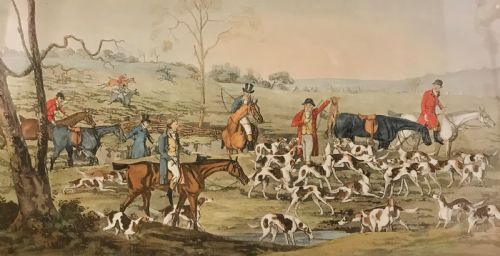
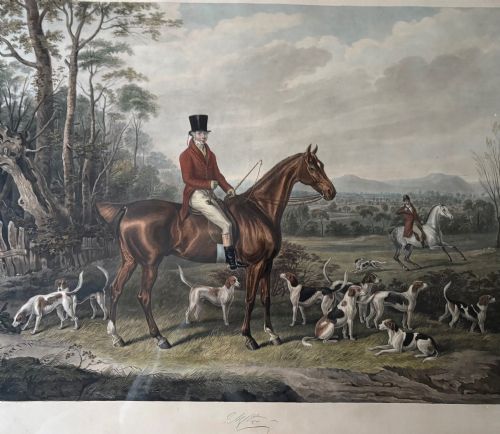
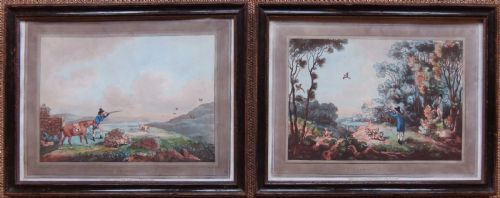
When you search for a georgian sporting print, you encounter framed wall art that records historical pursuits, races, and games. These pieces span periods from the eighteenth century through to the nineteenth century, with later reproductions and twentieth-century interpretations also appearing on the market. They take the form of copperplate engravings, stipple engravings, lithographs, and hand-coloured prints.
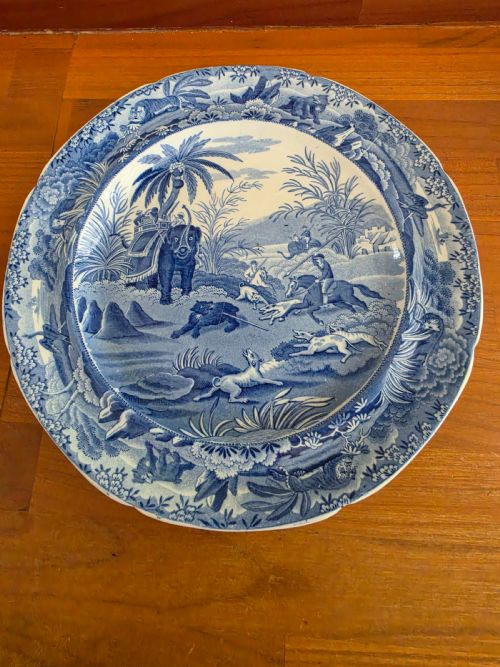
The subjects on this page range from fox hunting and shooting scenes to horse racing, angling, and traditional pastimes such as rackets and skittles. You will also find plates and reverse glass painted portraits connected to these rural and social activities. Most examples arrive mounted and framed for display in studies, libraries, or halls.
What Varies in Quality
The clarity of the printed line and the precision of the hand-applied watercolour separate finer impressions from heavier, less defined printings. Early plates pulled directly from copperplates retain a sharpness that later or worn strikes lose.
The condition of the paper surface, the presence of original framing materials, and the vibrancy of the hand colouring further distinguish the character of each piece. Finer plates display careful detail in the depiction of horses, hounds, and human figures.
A signet ring and wax seals associated with John 'Mad Jack' Mytton accompany books and prints on this page.
William Bunbury·Sam Howitt·H Alken·Abraham Cooper·Hogarth
The Georgian Sporting Print Glossary
- Aquatint
- A printmaking technique that produces tonal areas resembling watercolour washes. It was frequently used alongside line etching to create atmospheric backgrounds in sporting scenes.
- Copperplate engraving
- A intaglio process where an artist cuts lines directly into a copper sheet with a burin. Ink is held in the grooves and transferred to damp paper under pressure.
- Eglomise
- A process of applying gold or silver leaf along with painting on the reverse side of glass. It results in a reflective, decorative border or panel surrounding a central image.
- Hand coloured
- The process of adding watercolour or ink pigments by hand to a printed monochrome base. This technique brought vibrancy to published engravings.
Georgian Sporting Print: Frequently Asked Questions
What subjects appear in these prints?
The subjects cover traditional country pursuits including fox hunting, horse racing, shooting, and angling. Other pieces depict social pastimes and games like billiards, rackets, and skittles.
Certain items also record specific historical figures, racehorses, and satirical views of Georgian life.
How are these artworks framed?
Many examples are presented behind glass in traditional wood frames suitable for immediate wall mounting. Some feature reverse glass painting where the image sits directly on the glass panel itself.
Prints on paper typically include a mount to separate the ink from the glazing.
How do I identify the age of a print?
Dating relies on publication dates noted in the titles, the style of the engraving technique, and the type of paper used. Pieces from the Georgian period often exhibit hand-coloured copperplate or stipple work.
Later nineteenth-century items introduce lithography and different publishing standards.
Are these pieces original period items?
The selection includes eighteenth- and nineteenth-century originals alongside twentieth-century reproductions and commemorative plates. Each listing notes the specific period and medium associated with the artwork.
Buyers should examine the stated production era in the description to confirm its age.