



Antique Hunting Scene Painting
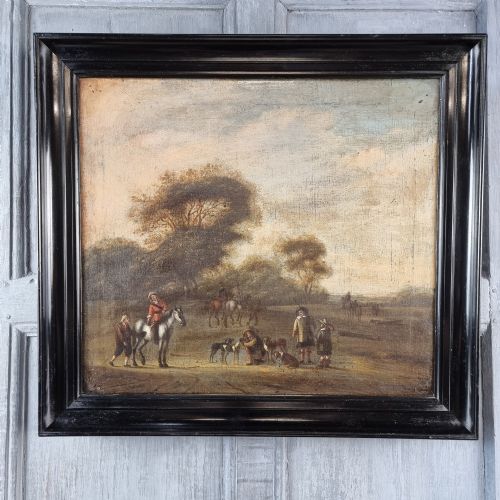
An antique hunting scene painting captures the kinetic energy of hounds, horses, and riders across pastoral British landscapes.
Antique Hunting Scene Painting
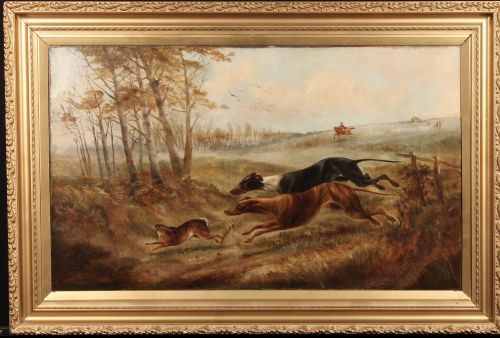
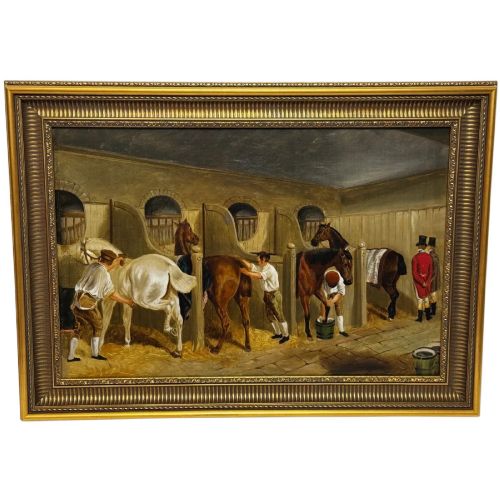
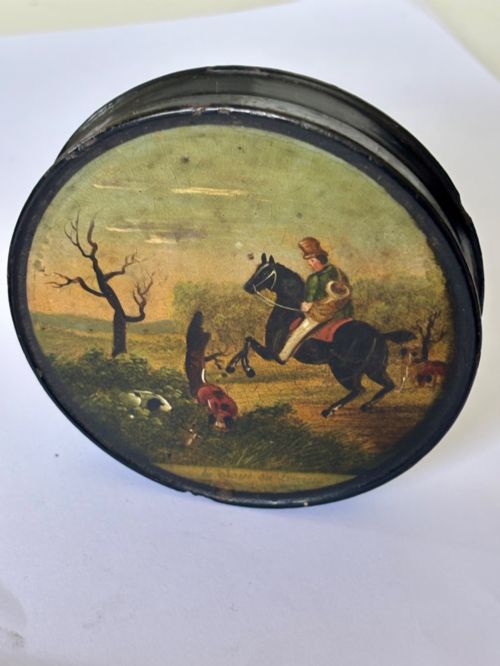
An antique hunting scene painting typically depicts equestrian pursuits, hare coursing, or fox hunting across 19th-century and Edwardian rural settings. These works range from large oil paintings on canvas to intimate watercolours, reverse glass silhouettes, and decorative items such as snuff boxes.
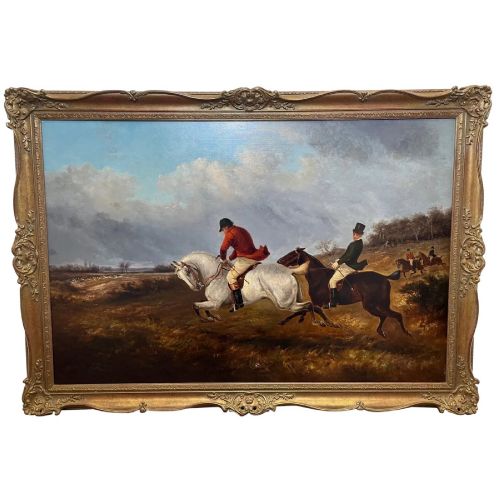
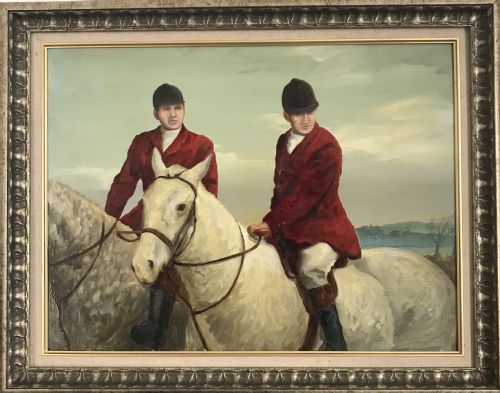
Buyers frequently encounter Victorian sporting art featuring hounds in full cry, mounted riders at the meet, and detailed studies of horses in pastoral landscapes. Canvases from the nineteenth century predominate, alongside works produced into the early decades of the twentieth century.
Materials and Techniques
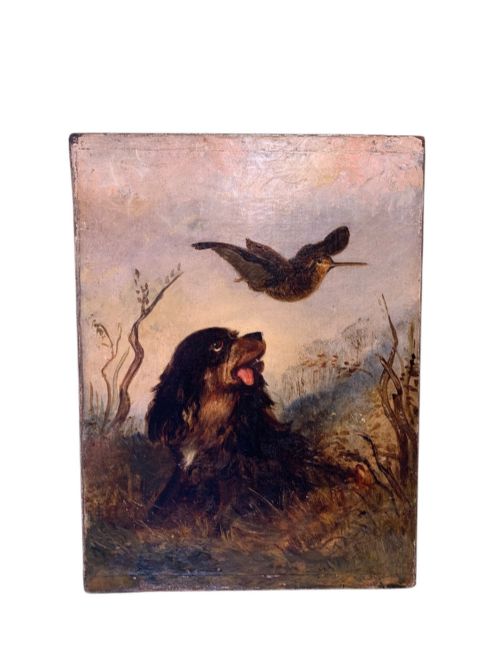
Painters utilised oil paint on canvas or wood board, building up rich layers of colour to render the coat of a hunter or the dappled light of a woodland. Watercolours on paper also appear, capturing lighter atmospheric effects in rural countryside scenes.
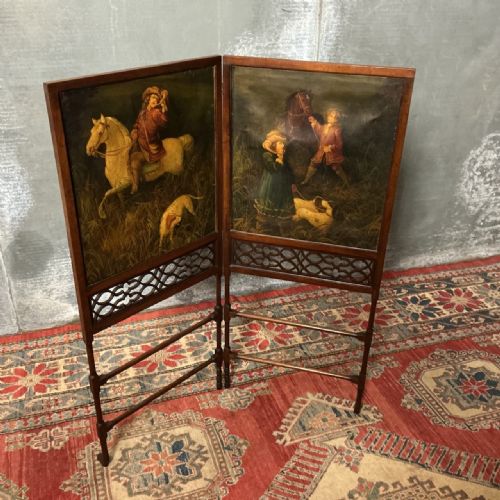
Frames of gilt wood and giltwood complement the oil paintings, while other pieces incorporate glass for reverse silhouette work and papier mâché for small functional objects like snuff boxes.
Quality and Execution
Superior works demonstrate a precise command of equine anatomy, animal movement, and spatial perspective within the landscape, whereas weaker examples present stiffly rendered horses and static figures.
The handling of light and texture in the hounds' coats and the riders' scarlet coats separates accomplished academic or named sporting artists from formulaic studio production.
George Armfield·Thomas Smythe·Edgar Hunt·Charles Hunt·Philip Henry Rideout·Henri Schouten·Heywood Hardy·George Goodwin Kilburne·Thomas Blinks·John Nost Sartorius
The Antique Hunting Scene Painting Glossary
- Full Cry
- The point in a hunt when the hounds are actively running and barking together on the scent. This phase provides dynamic action for artists depicting the height of the chase.
- Equestrian Sporting Art
- A genre focused on horses, riders, hounds, and field sports. Works within this tradition record the specific dogs and horses belonging to notable hunts.
- Reverse Painting on Glass
- A technique where the artist paints directly onto the reverse side of a glass sheet so the image is viewed through the front. It creates a smooth, glossy surface often seen in antique silhouettes.
- Watercolour
- A paint method using water-soluble pigments on paper. These works offer a transparent, luminous quality well-suited to British country landscapes.
Antique Hunting Scene Painting: Frequently Asked Questions
What periods do these paintings cover?
The selections span primarily from the 19th century through the Edwardian era, incorporating Victorian sporting art alongside earlier Georgian influences.
Dates extend into the early 20th century, reflecting sustained interest in equestrian subjects among artists of those decades.
How were these artworks originally displayed?
Larger oil paintings on canvas were traditionally framed in substantial gilt wood and mounted in country houses, libraries, or estate offices.
Smaller watercolours and decorative items served as personal mementos or functional pieces within domestic interiors.
Are all hunting scenes oil paintings?
While oil on canvas and oil on board are common, the selection also includes watercolours on paper and gouache works.
Alternative formats feature glass panels and small decorative objects like papier mâché snuff boxes.
How do I identify a Victorian sporting painting?
Victorian examples frequently display detailed portrayals of horses, hounds, and specific hunts such as the Berkeley Hunt, often accompanied by signatures from established artists.
Stylistic cues include the specific attire of riders, such as grey top hats, and naturalistic rural landscapes.