

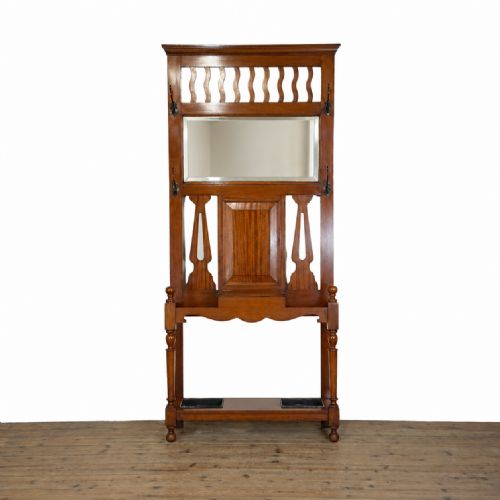
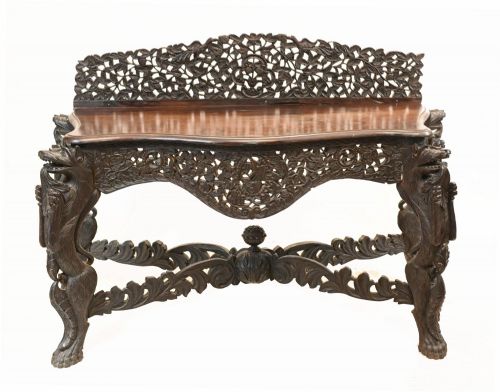
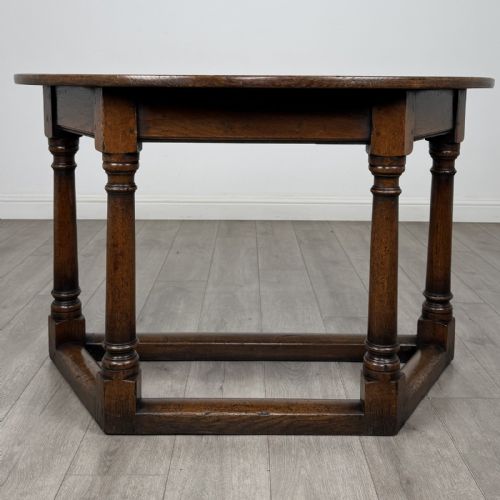
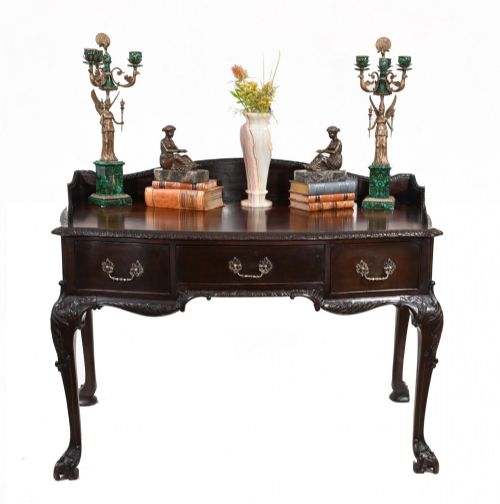
Antique Entryway Console
An antique entryway console brings architectural presence to a hallway, offering a surface for lamps and letters that grounds the space.
Antique Entryway Console
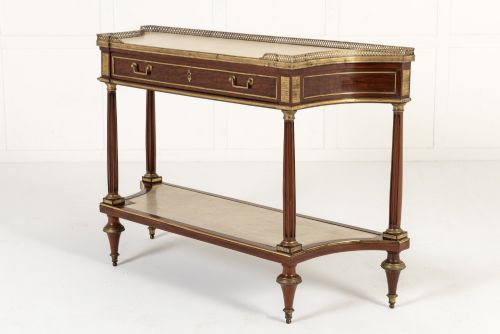
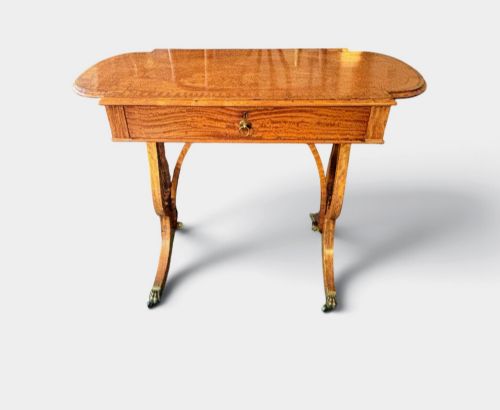
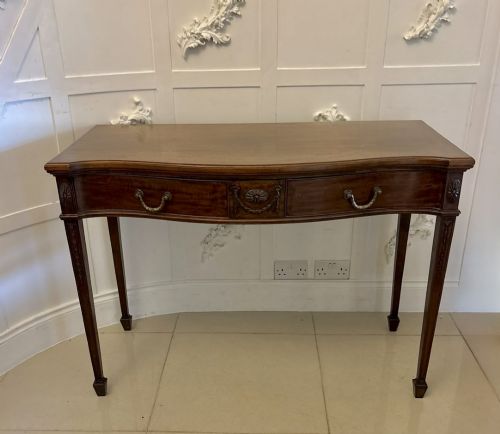
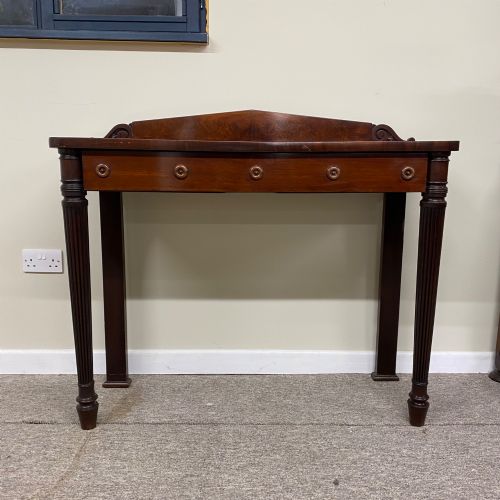
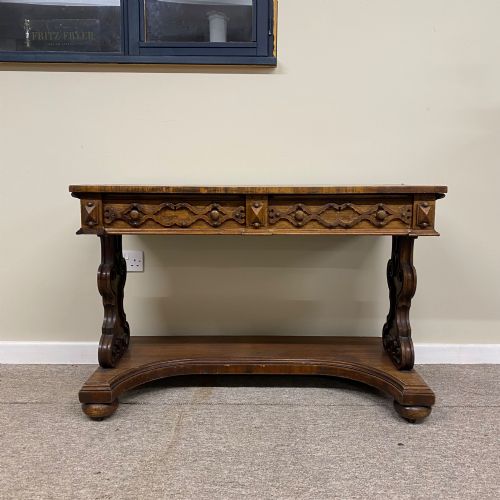
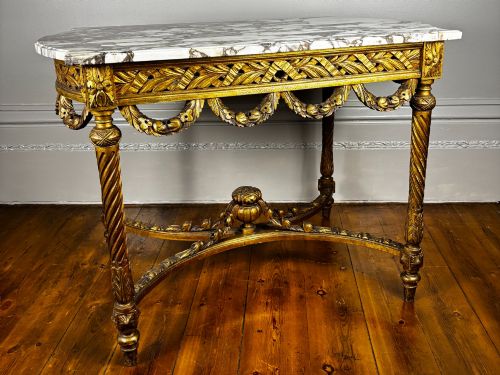
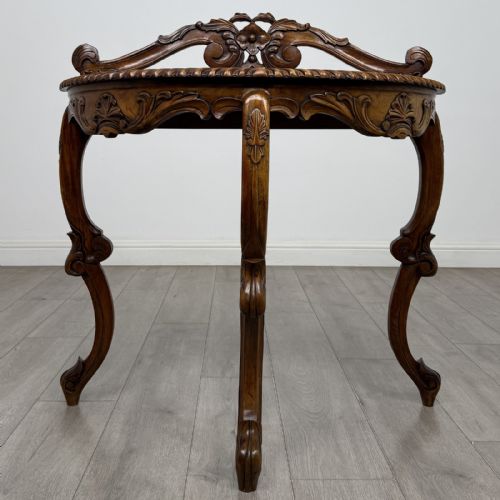
An antique entryway console typically takes the form of a console table, hall table, or demi-lune sideboard designed to sit flush against a wall in a narrow passage or reception room. These pieces span periods from the eighteenth century through the 1930s, encompassing Victorian, Edwardian, and Regency designs alongside French, Italian, and Chinese origins.
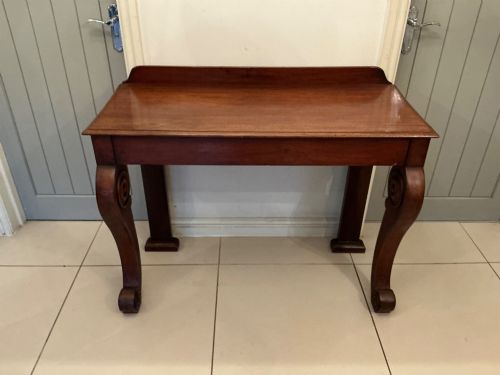
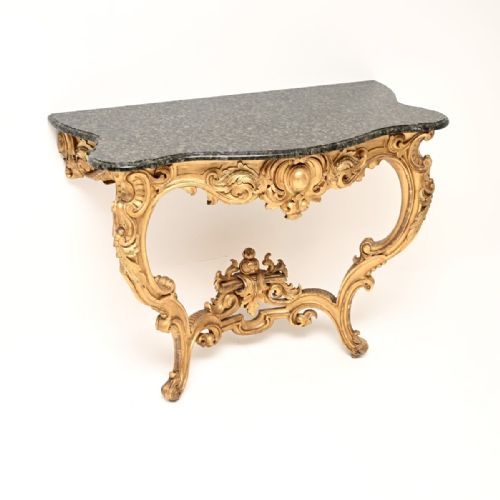
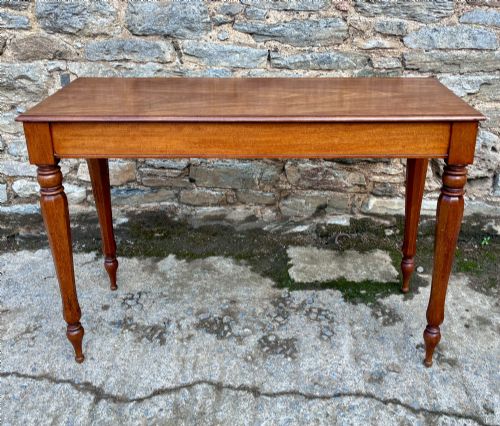
Mahogany, oak, and walnut form the structural backbone of these tables, frequently paired with marble tops or executed in painted and gilt woods. Buyers encounter variations ranging from restrained English mahogany boards to elaborate Italian giltwood consoles with marble surfaces and wrought iron frames.
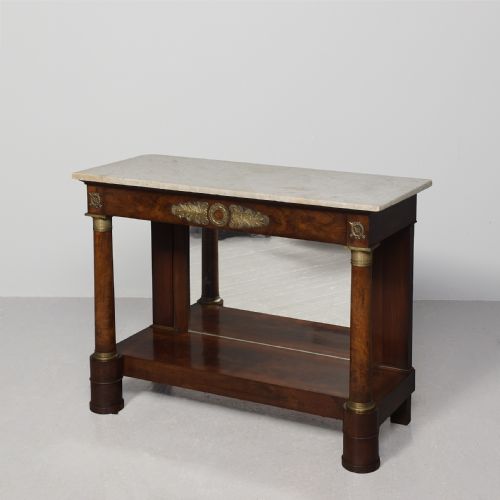
Object types include side tables, cabinets, and altar tables that serve the same spatial function in an entrance hall. The selection reflects diverse revivals and regional workshops, from French Empire to Jacobean revival.
Materials and Construction Methods
Cabinetmakers utilised dense hardwoods such as mahogany, walnut, and oak for frames, turning or carving them into concave legs, columns, and lion's paw supports. Pine and country woods served simpler or painted pieces, while rosewood appeared in Regency examples.
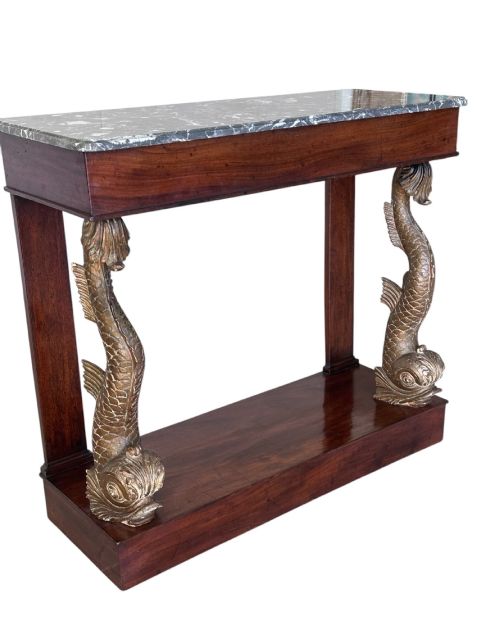
Heavy slab marble inserts provide durable, cool surfaces on French, Italian, and neoclassical consoles, often dropped directly into shaped wooden frames. Wrought iron and cast brass introduce industrial and decorative strength, particularly in twentieth-century and French provincial workshops.
Surface finishes rely on hand-applied paint, parcel gilt, and traditional polishing techniques that highlight figured timber grains. Carved detailing incorporates giltwood elements, brass mounts, and inlaid veneers to define styles from French Rococo to Art Deco.
Antique Entryway Console Retail Price Guide 2026
Typical asking prices for entryway console among the pieces listed under this phrase on Sellingantiques today, from the lower quarter to the upper quarter. They describe what is for sale here now, not the wider market.
Listings feature woods including mahogany, oak, walnut, rosewood, and pine, alongside marble and wrought iron.
Distinctions in Execution
The refinement of the carving and the selection of figured timber distinguish standard hall furniture from exceptional pieces. Tables featuring dense mahogany grain, balanced proportions, and crisp hand-carving represent superior cabinetmaking.
The integration of materials dictates value, particularly the weight and quality of the inset marble slab and the precision of brass or gilt bronze mounts. Original undisturbed paint finishes and genuine period gilding elevate provincial and neoclassical examples significantly.
Structural integrity relies on traditional joinery methods that remain tight despite centuries of use against walls. The harmony between the base design, such as concave legs or console brackets, and the top dictates the visual success of the piece.
Gillingtons of Dublin
The Antique Entryway Console Glossary
- Demi-lune
- Half-moon shape. This semicircular format allows tables to stand flat against a wall while projecting minimally into a narrow hallway.
- Console table
- A table supported by wall brackets or console legs. These pieces are designed specifically to stand against vertical surfaces rather than freestanding in a room.
- Parcel gilt
- Partially gilded. This technique applies thin gold leaf to specific carved details while leaving the underlying wood or paint exposed.
- Altar table
- Long, narrow ceremonial table originating in Asia. These heavy hardwood pieces function effectively as deep hallway consoles.
Antique Entryway Console: Frequently Asked Questions
What is an antique entryway console used for?
These tables provide a narrow surface in hallways and reception rooms to hold lighting, keys, and decorative objects without blocking movement.
Historically, they served as formal display furniture to greet visitors upon entrance to a home.
How do I tell a Regency console from a Victorian one?
Regency pieces often feature classical motifs like brass mounts, rosewood veneers, and parcel-gilt details influenced by French Empire styles.
Victorian consoles tend to be heavier, utilising dense mahogany with deep mouldings and serpentine fronts reflecting later revival tastes.
Are marble tops original to these tables?
Marble tops frequently accompany French, Italian, and neoclassical console tables from the eighteenth century onwards to provide a durable, cool surface.
They sit directly into the wooden frame, and the edges are shaped to match the contours of the timber base.
How do I measure for a hall console?
Measure the available wall space and the depth of the walkway to ensure the table does not obstruct foot traffic through the entrance.
Pay attention to the height of any baseboards or wall mouldings that might prevent the table from sitting flush against the wall.