

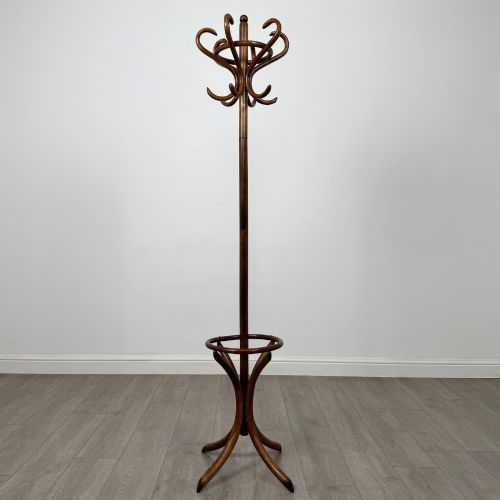
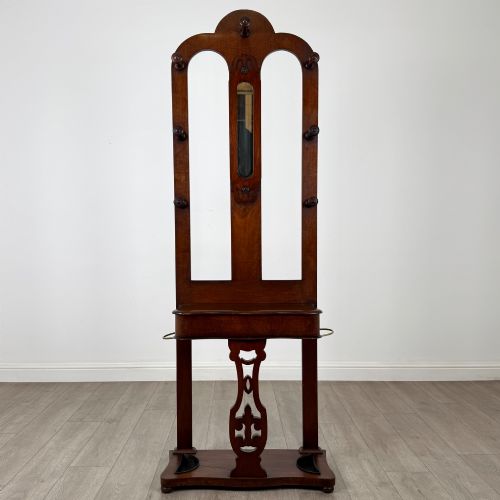
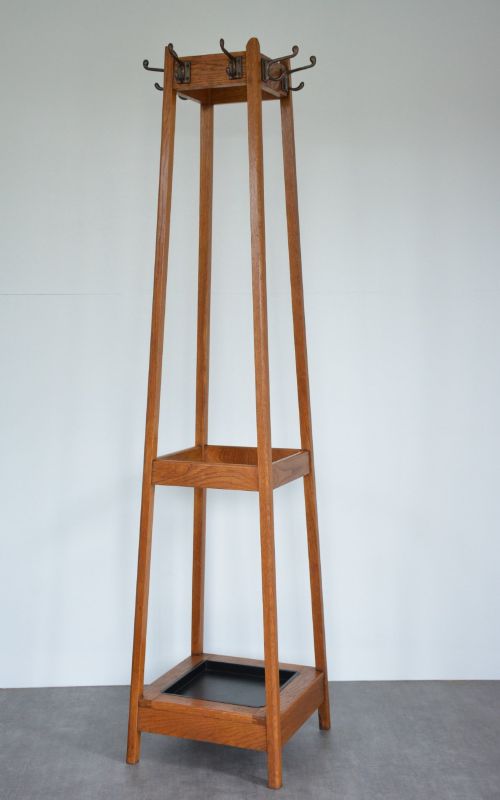
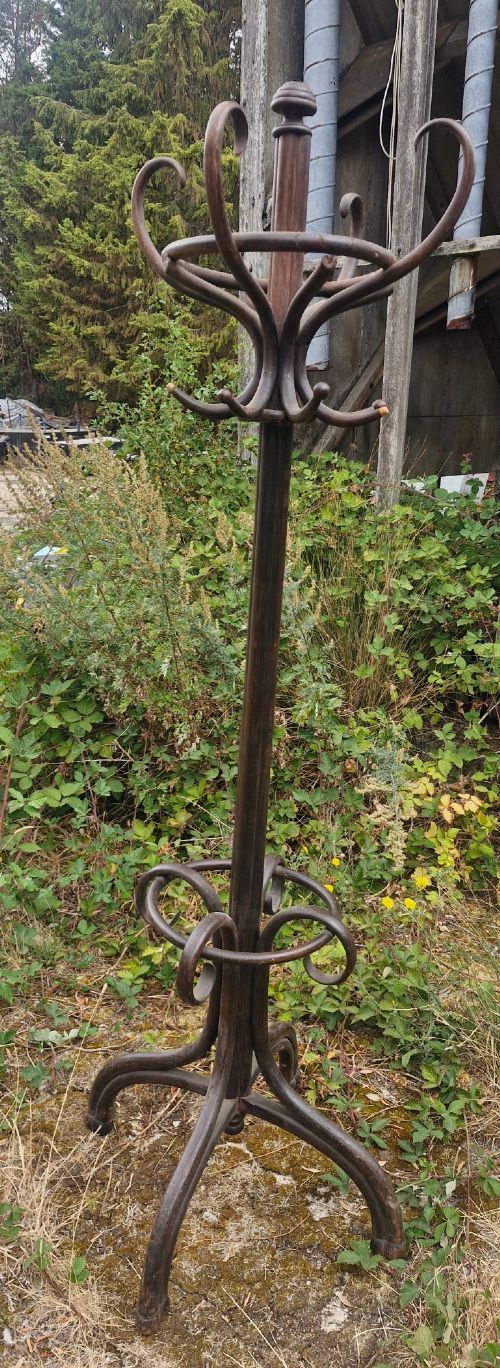
Wooden Hat Stand
A wooden hat stand holds daily wear with quiet structure, bringing disciplined form to an entrance hall.
Wooden Hat Stand
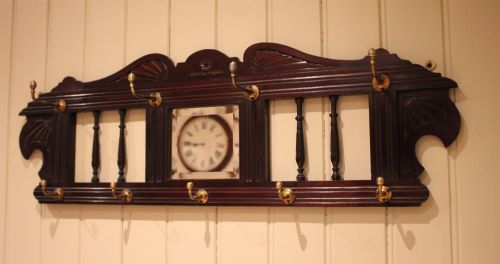
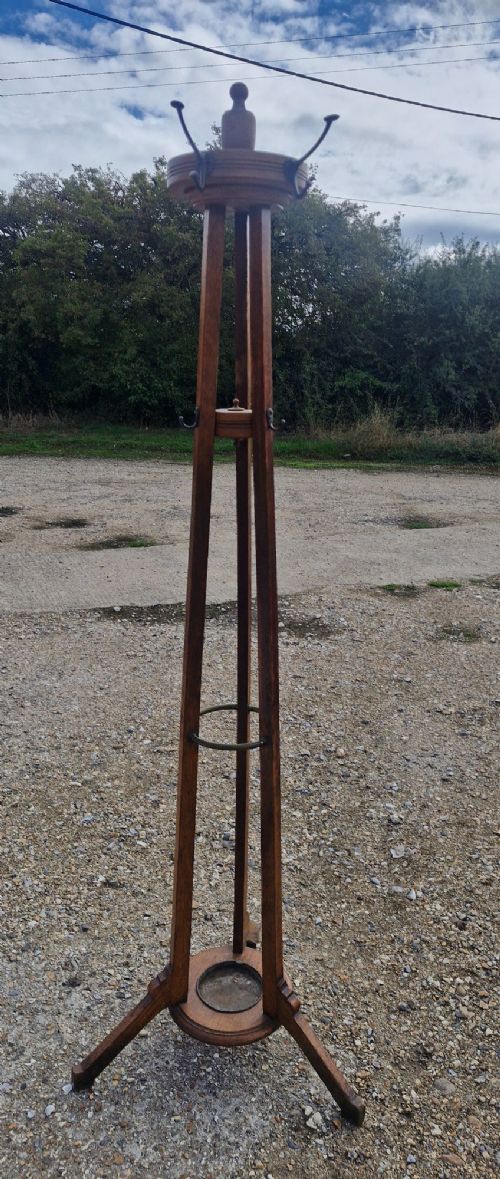
A wooden hat stand serves as a functional anchor for entranceways, designed to support hats, coats, and umbrellas within easy reach. These pieces range from upright floor-standing trees to wall-mounted racks and small tabletop display blocks.
Makers and designers worked within distinct periods including the Arts and Crafts movement and the Art Deco style, utilising native and imported timbers. Each object reflects the practical demands of period hallways and millinery shops alike.
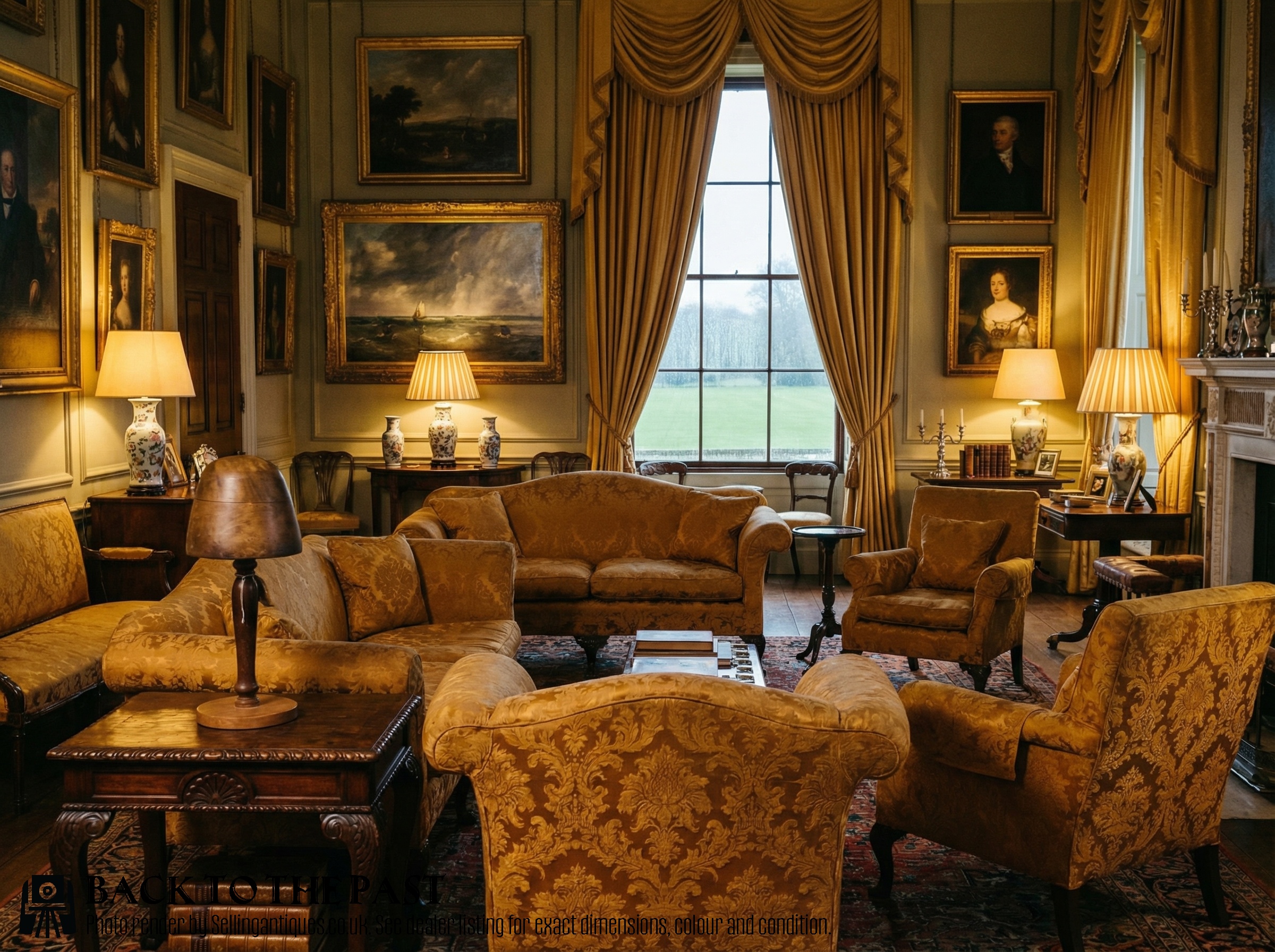
How they were made
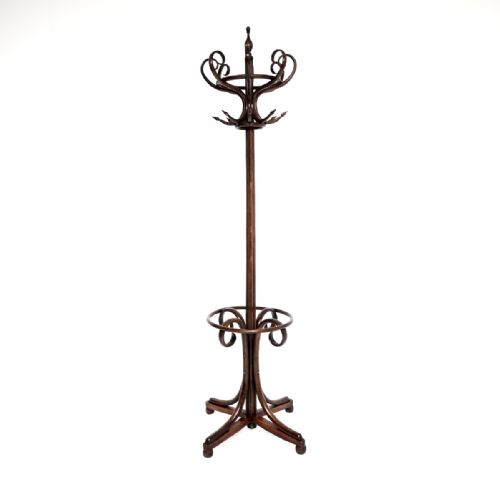
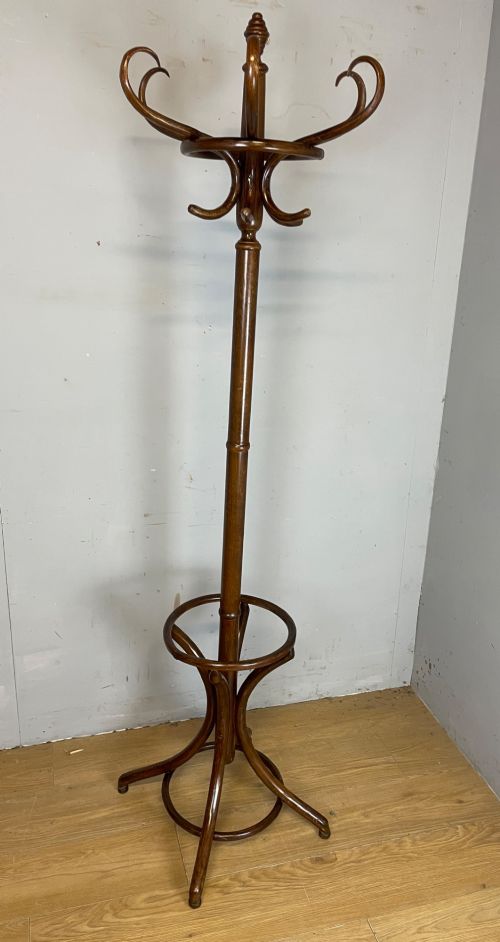
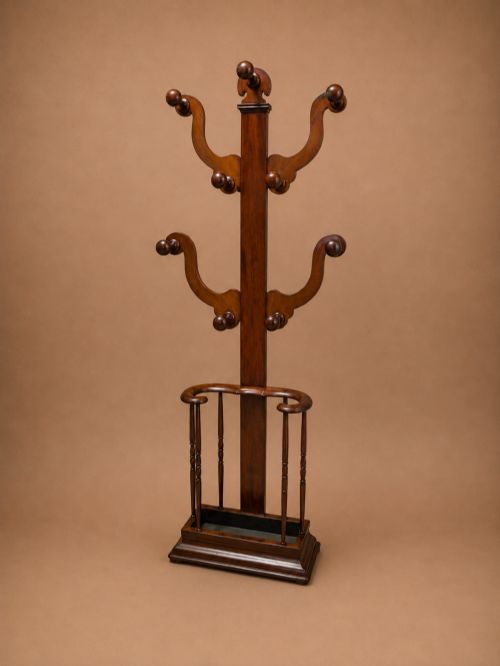
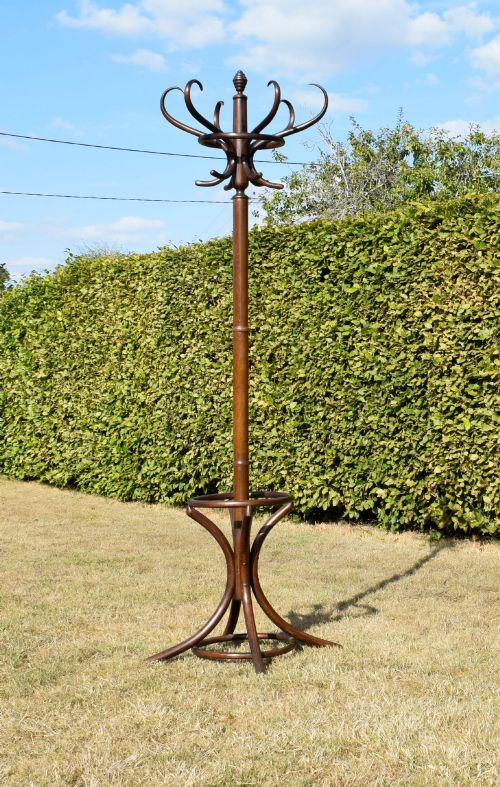
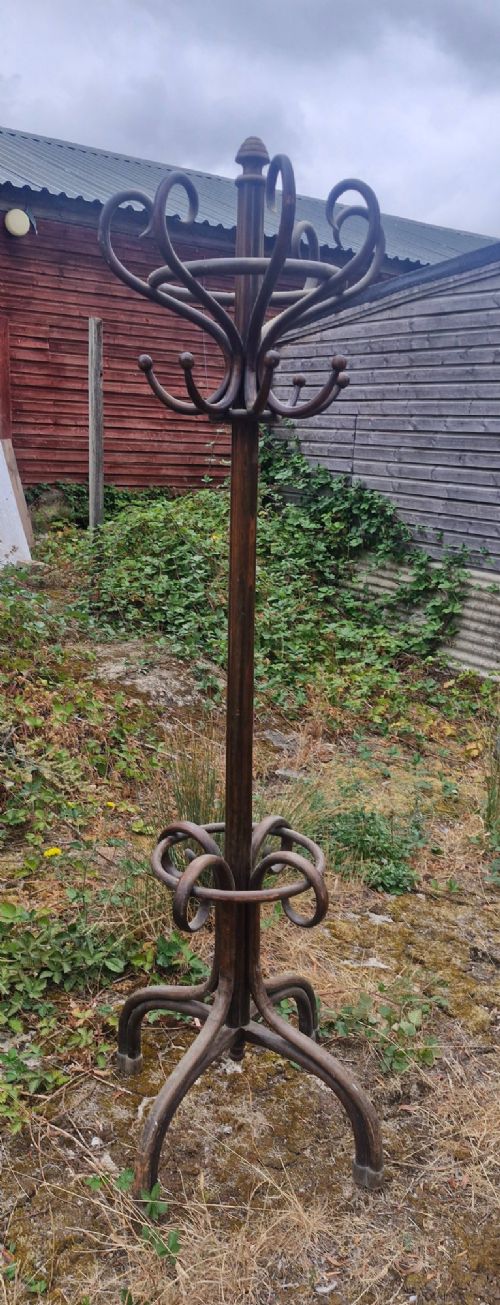
Makers utilised steam-bending techniques for beech and beechwood to create the characteristic curved framework of bentwood stands, allowing slender members to bear substantial weight. Solid hardwoods such as oak, mahogany, and walnut formed the rigid bodies of larger hall stands and wall racks.
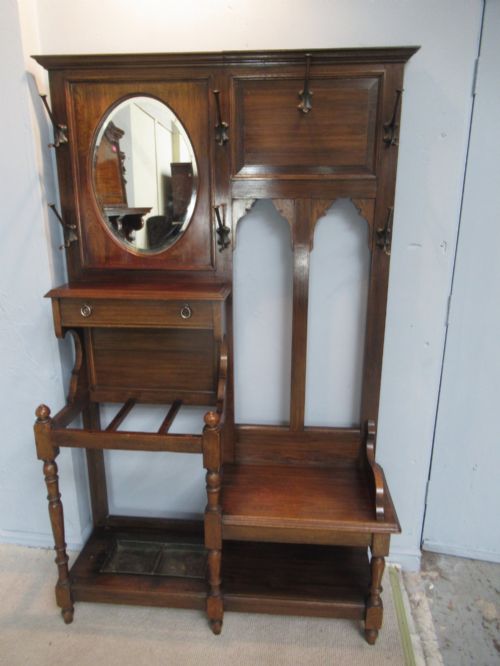
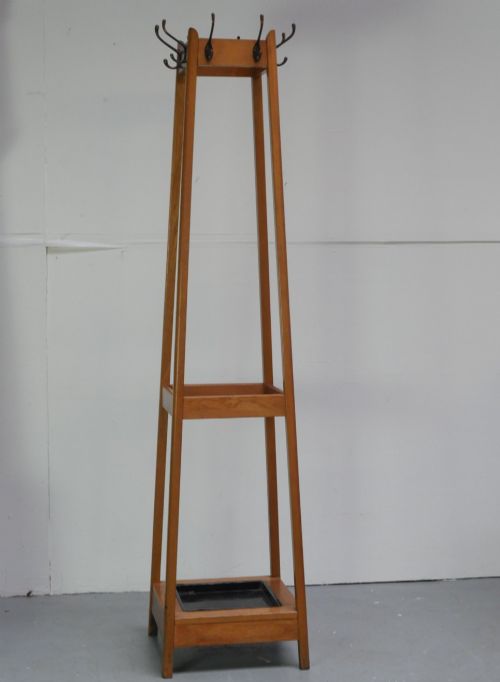
Brass hooks, drip trays, and glass elements were integrated into oak and mahogany structures to manage wet umbrellas and heavy winter coats. Turning on a lathe shaped the cylindrical pillars and pedestals found in traditional wig stands and display pieces.
Wooden Hat Stand Retail Price Guide 2026
Typical asking prices for wooden hat stand among the pieces listed under this phrase on Sellingantiques today, from the lower quarter to the upper quarter. They describe what is for sale here now, not the wider market.
The inventory records revolving hat stands, wall-mounted racks, and hall stands equipped with umbrella drip trays.
What varies in quality
Construction density and timber selection separate substantial floor-standing pieces from lighter domestic items, with heavier gauge beech and dense oak providing greater stability under daily loads. The integrity of steam-bent curves and the original joining methods dictate the structural resilience of bentwood examples.
The presence of integrated brass hardware, cast iron ballast bases, and original drip trays distinguishes comprehensive hall stands from simpler upright racks. Surface finishing, whether polished mahogany or honey-coloured bentwood, preserves the grain and reflects the original maker's standard of work.
Thonet·Jas Shoolbred·Astrola
The Wooden Hat Stand Glossary
- Bentwood
- Wood that has been rendered pliable via steam and curved into structural forms. This technique defines many tall coat stands.
- Hall stand
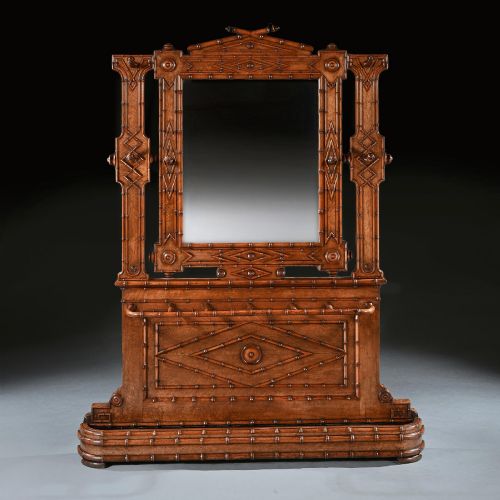
- A composite hallway furnishing combining coat hooks, a hat shelf, and frequently umbrella holders with a drip tray. These often include mirrors and panels of carved oak or mahogany.
- Hat stretcher
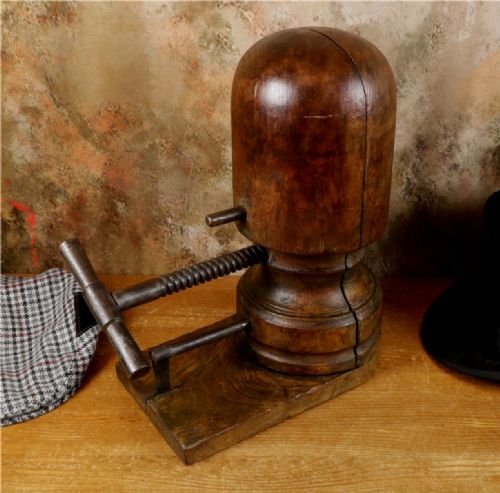
- A mechanical wooden device utilised by milliners to expand or adjust the circumference of hats. They feature turned wooden components and expansion screws.
- Wig stand
- A carved or turned wooden block mounted on a pedestal, designed to support wigs or hats for display. Examples date from the eighteenth century onward.
- Demilune
- A half-moon shape utilised in the footprint of wall-abutting hall stands. This profile allows the stand to sit flush against an entryway wall.
Wooden Hat Stand: Frequently Asked Questions
How do I secure a tall wooden hat stand?
Most floor-standing hat trees rely on a balanced tripod base or a heavy weighted foot to maintain equilibrium when garments hang unevenly.
Positioning the heaviest coats on alternate sides prevents tipping during everyday use in a busy hallway.
Where were hall stands typically placed?
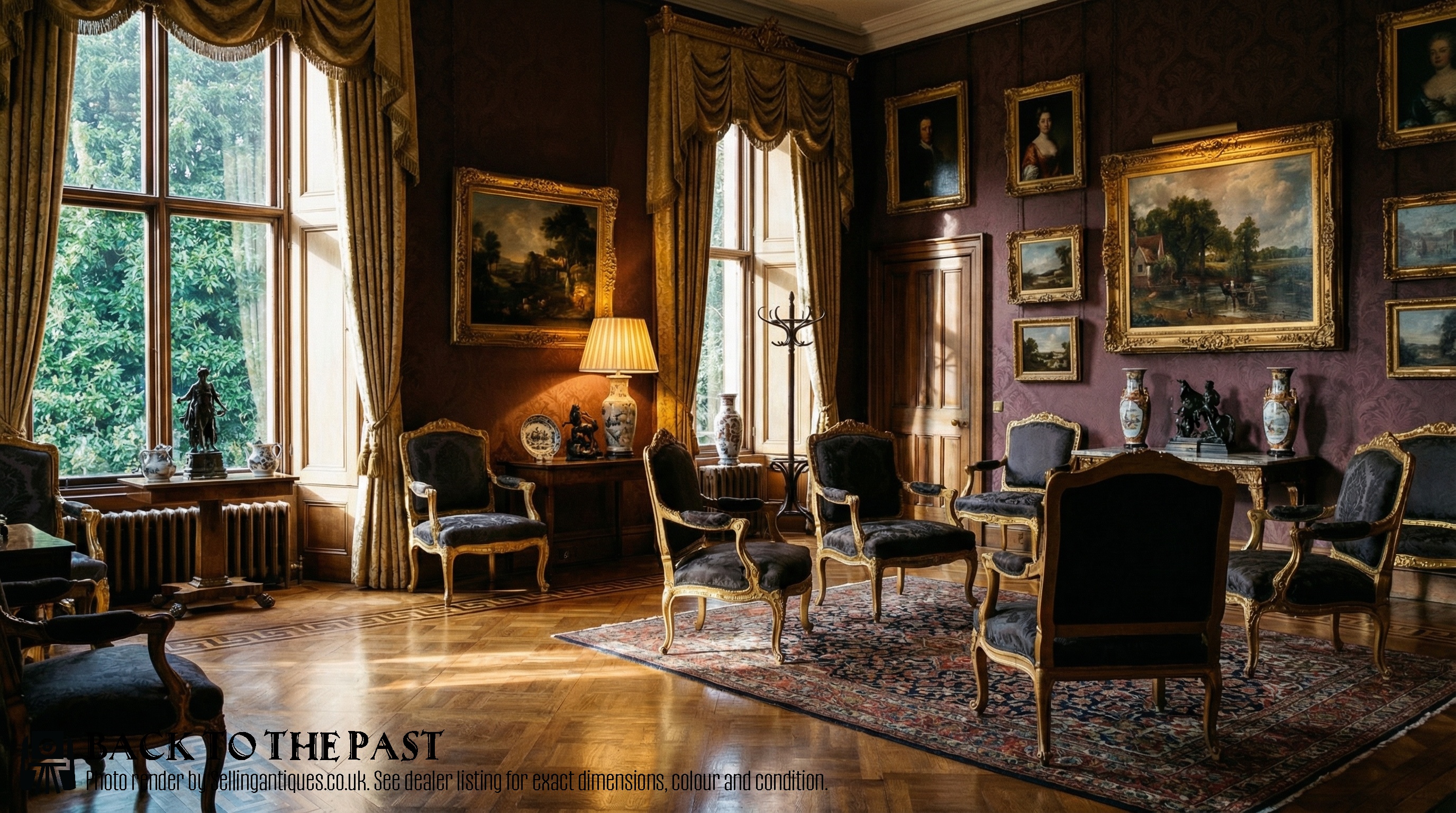
Victorian and Edwardian households positioned these furnishings directly inside the front entrance to receive outdoor garments immediately upon arrival.
The inclusion of umbrella wells and drip trays made them ideal for managing wet weather gear before it entered living rooms.
What is the difference between bentwood and solid oak stands?
Bentwood stands utilise steam-curved beech members to achieve a lightweight, springing silhouette with minimal visual weight.
Solid oak and mahogany hall stands offer a rigid, architectural presence often combined with panelled timber and brass hardware.
How do I care for antique bentwood furniture?
Keep wooden pieces away from direct heat sources and sudden temperature shifts to prevent the steam-bent timber from drying out or splitting.
Apply a traditional beeswax polish occasionally to nourish the grain without building up a heavy residue.