
Antique English Urn
An antique english urn brings classical proportion and refined ceramic or metalcraft directly into domestic interiors.
Antique English Urn
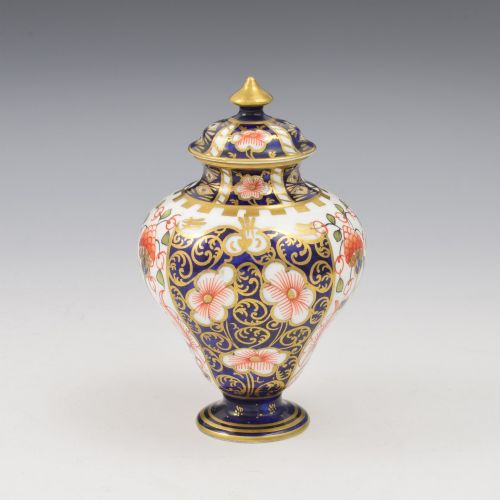
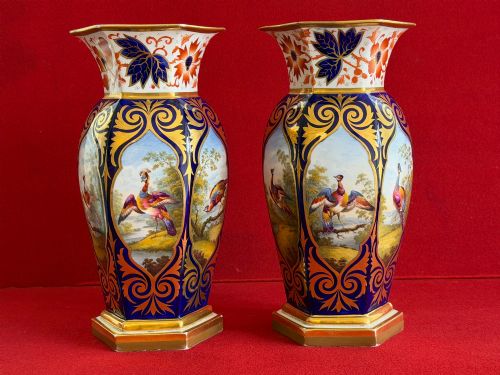
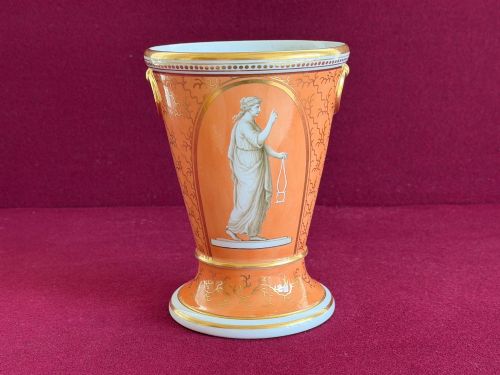
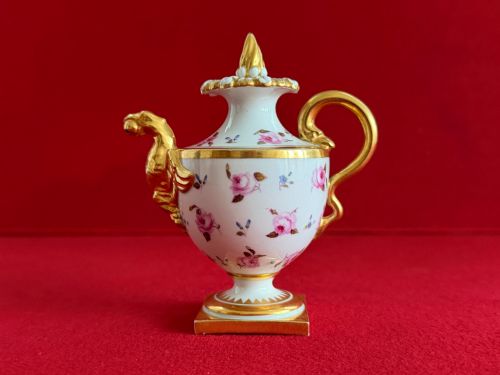
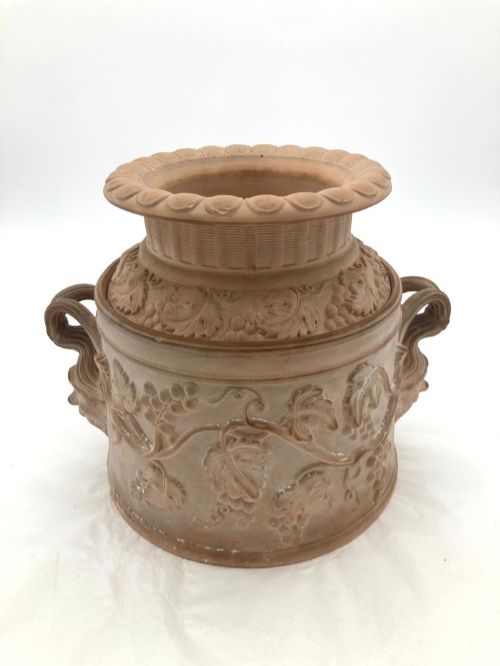
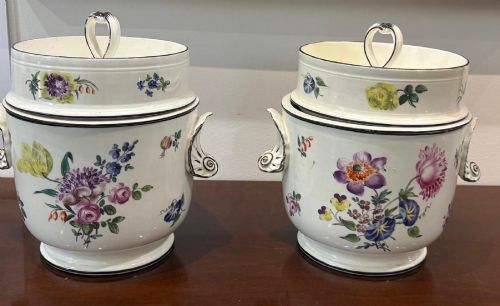
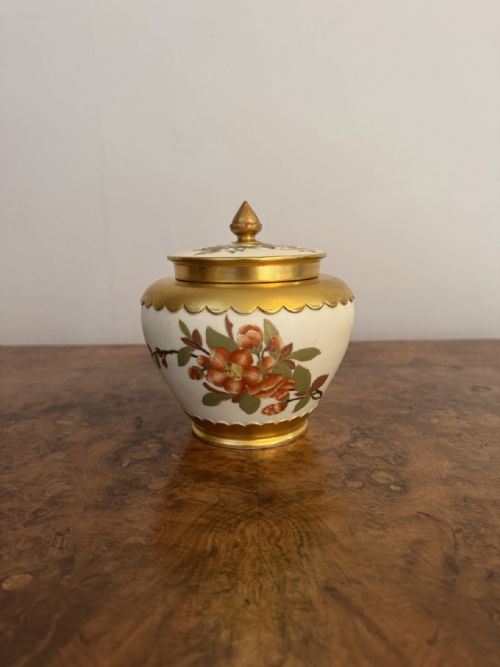
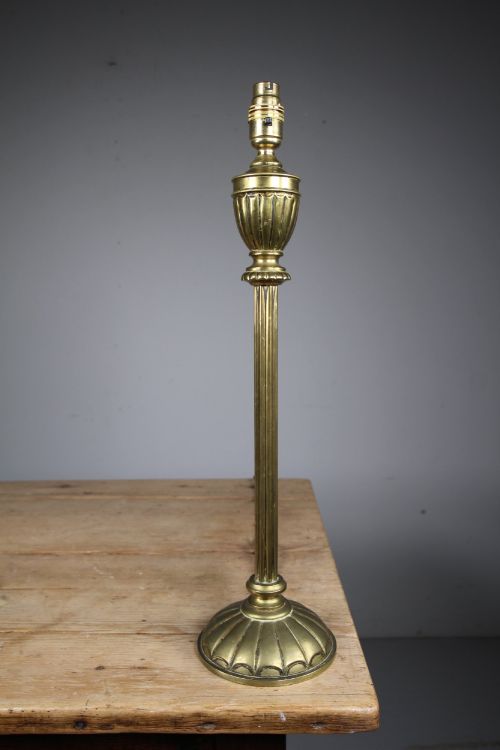
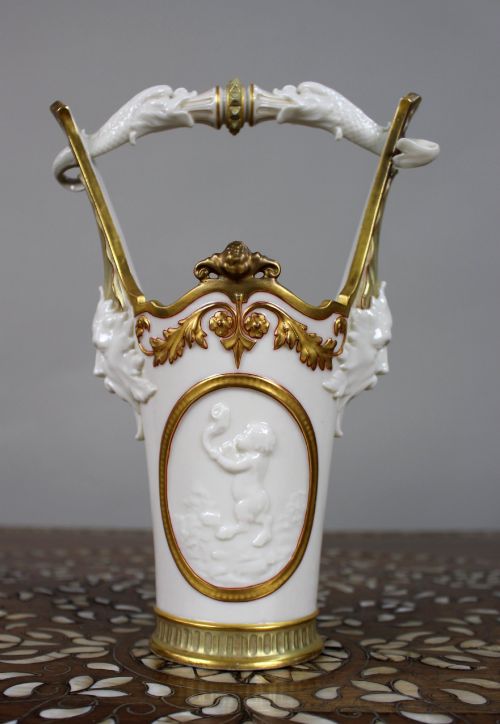
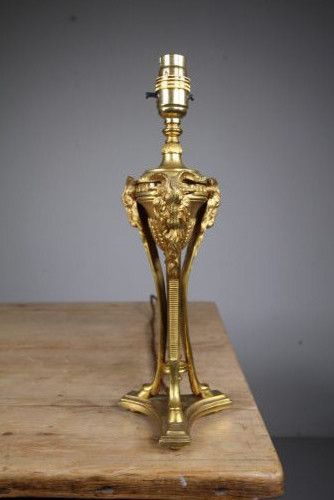
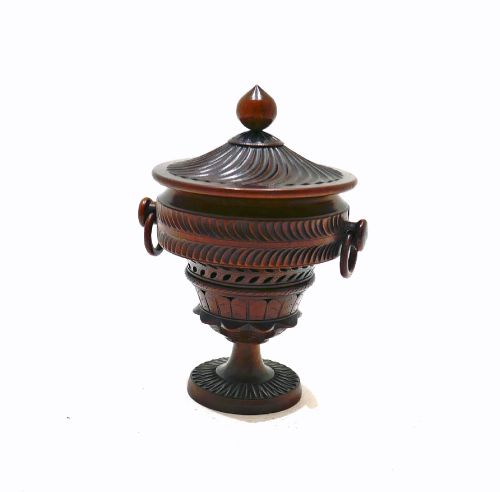
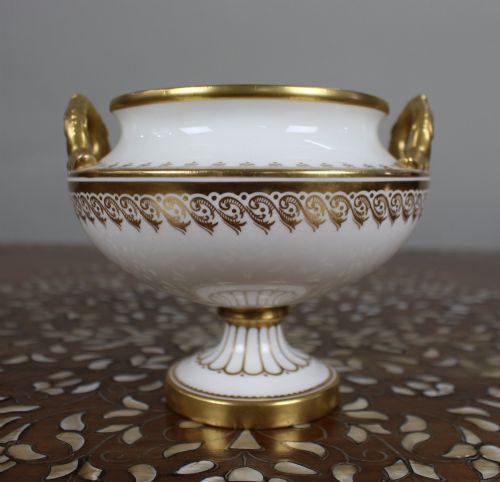
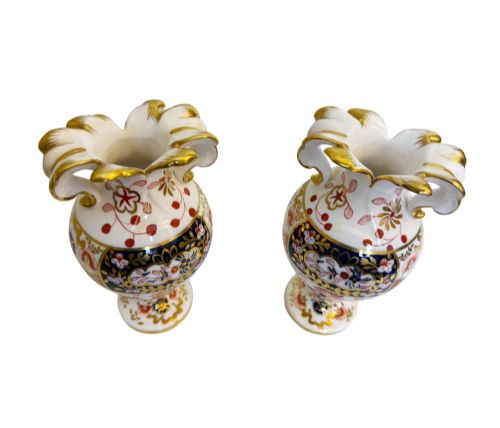
Collectors seeking an antique english urn encounter formal vessel forms spanning the Georgian, Regency, and Victorian periods. These pieces range from decorative porcelain vases and lidded potpourri pots to metal tea and coffee vessels designed for display or utility.
The selections on this page predominantly showcase fine ceramic production from notable English factories alongside copper and brass heating vessels. Vases, ice pails, and samovars form the core of the available physical types.
Originating largely from the late eighteenth century through to the early twentieth century, these objects reflect shifting neoclassical and aesthetic movement design priorities.
How They Were Made
Makers utilised high-fired porcelain, creamware, and ironstone, shaping clay on wheels or pressing it into moulds before applying hand-painted or transferred cobalt, gilding, and enamel details. Metal variants relied on hand-beaten copper, cast brass, and silver plating, often combining structural handles and spouts through brazing or riveting.
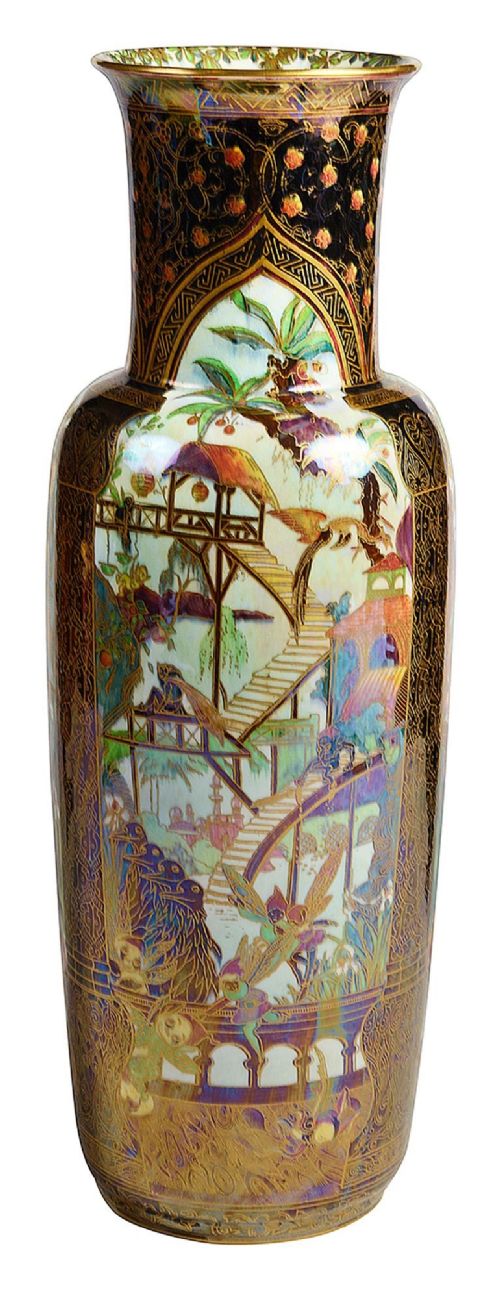
Surface decoration frequently involved intricate gilding techniques, lustre applications, and applied jewelled cabochons to elevate plain earthenware bodies into ornamental showpieces.
One cheerful Victorian potter adorned a large copper-effect vase with bright ceramic cabochons to mimic glittering jewels.
What Varies in Quality
The distinction between standard production and masterworks rests on the crispness of the modelling, the precision of hand-applied gilding, and the original integrity of lids, mounts, and bases. Factories employed superior painters for bespoke exhibition pieces, whereas commercial lines received simpler repeating patterns.
Weight, wall thickness, and the balance of applied handles also indicate whether a vessel was built for everyday service or high-status interior display.
Royal Crown Derby·Flight Barr And Barr·Royal Worcester·Wedgwood·Spode·Chamberlain Worcester·Doulton Lambeth
The Antique English Urn Glossary
- Samovar
- A metal urn traditionally used to heat and boil water for tea, fitted with an internal heating pipe and spigot. These pieces typically feature heavy brass or copper construction with turned wooden handle grips.
- Creamware
- A refined earthenware developed in Yorkshire featuring a pale yellowish-cream glaze. It gained widespread popularity during the Georgian period for domestic tableware and decorative vessels.
- Ironstone
- A heavy, durable type of feldspathic stoneware patented in the early nineteenth century to imitate Chinese porcelain. It resists chipping and provides a stable canvas for cobalt blue and imari transfers.
- Gilding
- The application of gold leaf or gold powder suspended in a medium onto ceramic or metal surfaces. High-quality pieces display burnished gold details that catch ambient light.
- Jardiniera
- A large ornamental pot or vessel designed to hold a live plant or floral arrangement. These frequently appear in ceramic, terracotta, or metal finishes from the Victorian era onward.
Antique English Urn: Frequently Asked Questions
How were antique samovars used?
Samovars served as central heating vessels for water, utilising an internal charcoal or metal core to maintain boiling temperatures for tea service in grand households.
Servants filled the main cavity with water and transferred the heated apparatus to the dining or drawing room for continuous hospitality.
What is the difference between an urn and a vase?
Urns traditionally feature a distinct footed base, a bulbous or classical body, and frequently include structural handles or a matching cover designed for formal display.
Vases encompass a broader category of open-topped vessels meant strictly for holding botanical displays rather than serving architectural or symbolic functions.
How do I date an English porcelain urn?
Dating relies heavily on factory backstamps, paste composition, and stylistic cues such as neoclassical motifs versus later Victorian eclecticism.
Comparing the hand-painted pattern numbers and glaze characteristics against known factory production windows narrows the manufacture decade.
Can I use antique metal urns for fresh flowers?
Many metal and ceramic vessels feature internal soldering, liners, or porous bodies that require protective inner containers to prevent moisture damage.
Checking the interior condition determines whether a piece can safely hold water or if it functions best as a dry decorative object.