





Painted Rose Vase
A painted rose vase combines the delicate art of botanical illustration with ceramic form, offering both decorative presence and a touch of historical craftsmanship.
Painted Rose Vase
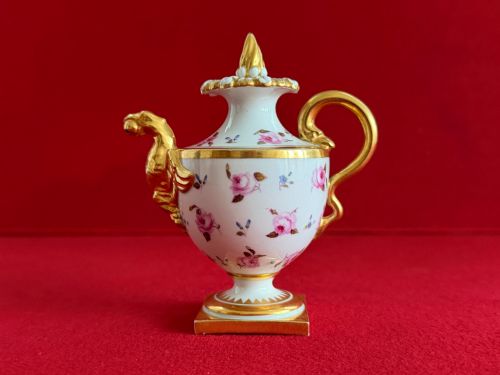
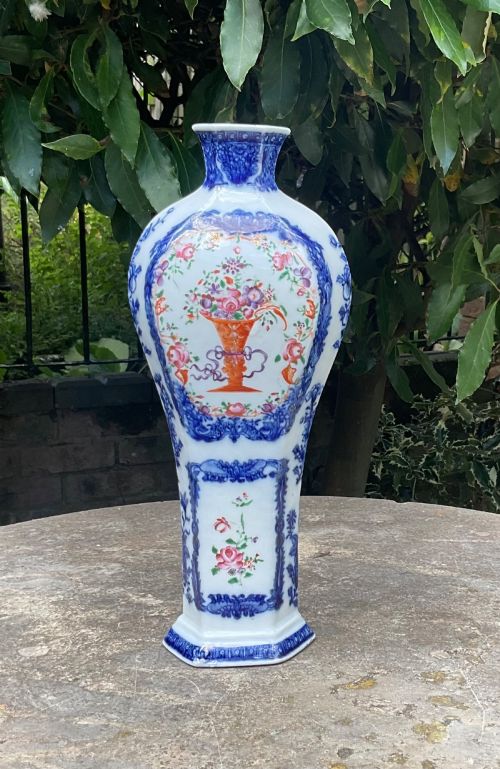
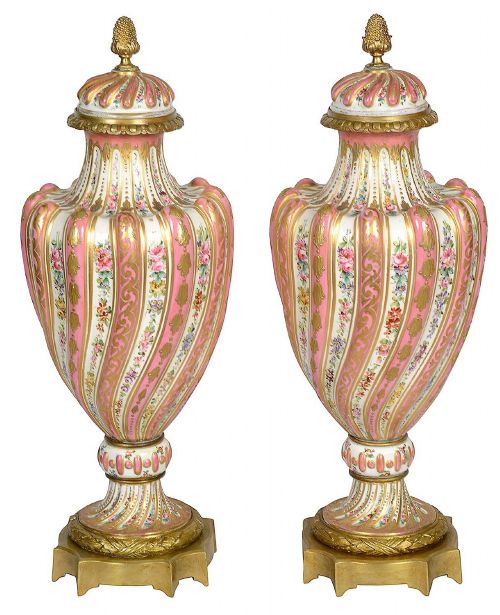
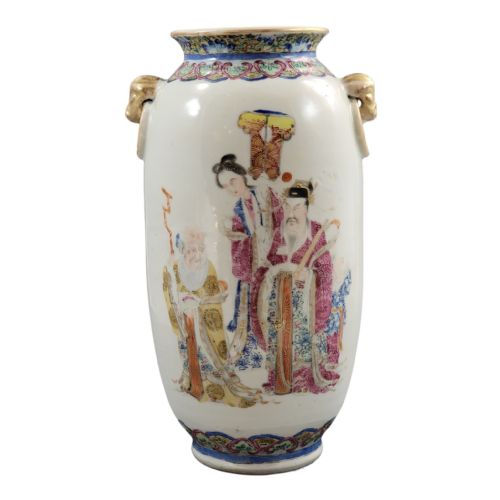
A painted rose vase encompasses various ceramic and porcelain vessels decorated with floral motifs, prominently featuring depictions of roses. When searching for a painted rose vase, buyers encounter both Chinese export porcelain and European ceramic wares spanning multiple centuries.
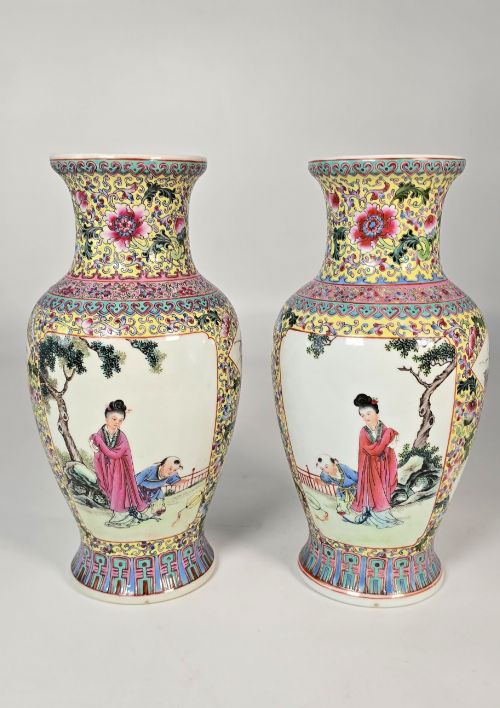
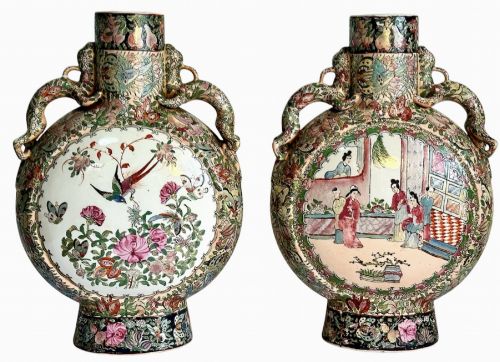
The selection ranges from nineteenth-century English porcelain pieces produced by factories such as Royal Worcester to extensive Chinese Canton and Famille Rose productions. Many examples survive as pairs or individual display pieces, whilst others have been converted into table lamps.
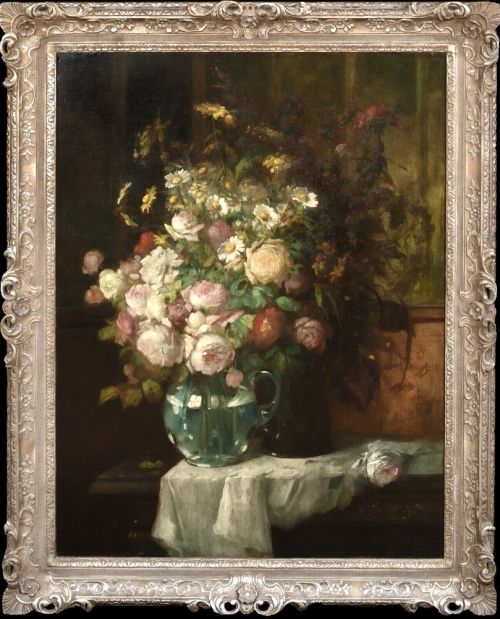
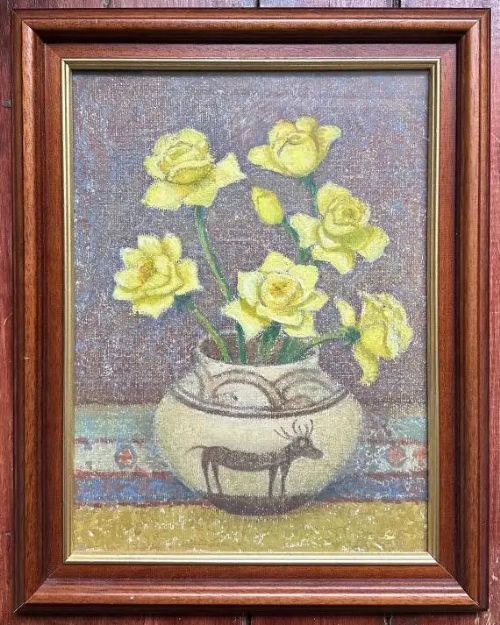
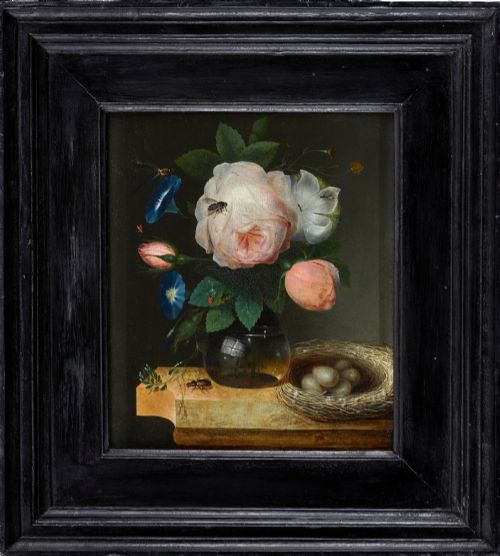
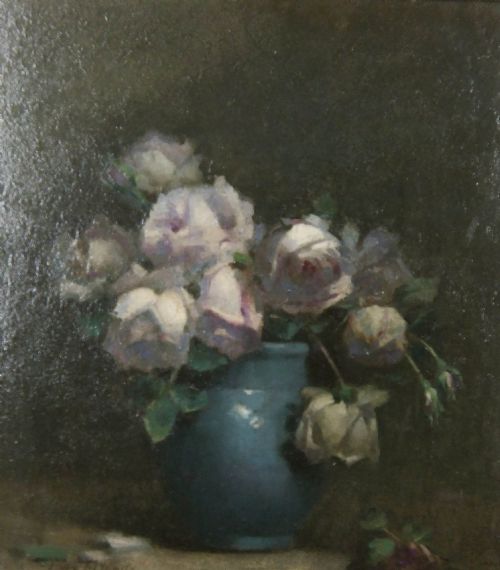
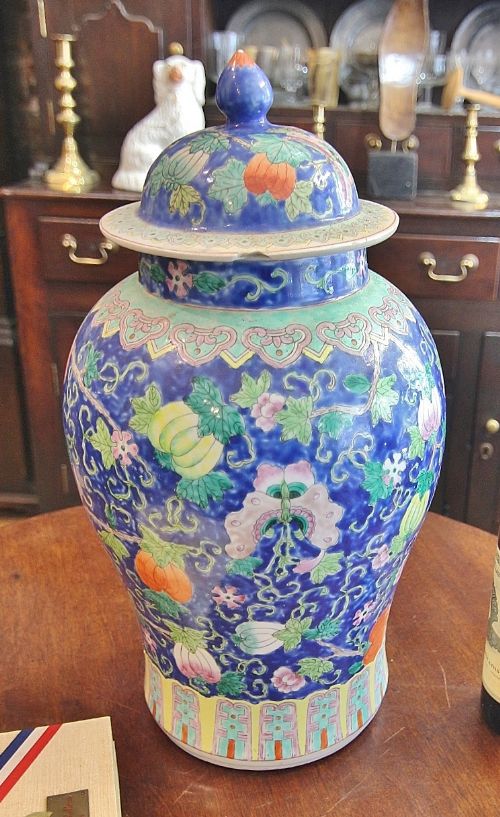
Vessels take diverse forms including baluster vases, moon flasks, ginger jars, and water sprinklers. Alongside actual ceramic vessels, the selection occasionally incorporates oil and watercolour paintings depicting similar floral subjects in glass vases or pots.
Materials and construction
Production relies heavily on fine porcelain and earthenware bodies shaped on the potter's wheel or formed in moulds. Artisans applied hand-painted enamels and pigments directly onto the glazed ceramic surface before firing.
Many European and Asian pieces incorporate gilded highlights, gold leaf, and elaborate enamel work to accent the floral panels. Canvases and papers serve as the media for the associated paintings recorded in the inventory.
Listings feature works executed in porcelain, enamel, canvas, and brass, spanning the nineteenth and twentieth centuries.
Assessing quality and execution
Distinction in quality rests upon the skill of the brushwork and the delicacy of the botanical painting. Master artists achieved subtle tonal gradations in rose petals that lesser decorators rendered with flat, uniform colour.
The crispness of the porcelain moulding, the preservation of the gilding, and the harmony of the palette distinguish superior works. Signed pieces by recognised porcelain painters or established artists command particular attention for their documented authorship.
Flight Barr And Barr·Royal Worcester·Samson of Paris
The Painted Rose Vase Glossary
- Famille Rose
- A major palette of Chinese ceramic glazes introduced during the Qing dynasty, characterised by opaque pink or rose enamels. The term derives from the French classification system for Chinese porcelains.
- Baluster vase
- A tall vase with a rounded body that tapers toward a narrow neck and flares slightly at the base. This classic architectural shape provides an ideal canvas for botanical decoration.
- Moon flask
- A flattened circular porcelain vessel supported on a small foot, featuring a short neck and two loop handles. Artisans frequently decorated these flat surfaces with detailed floral scenes.
- Gilt
- A thin layer of gold applied to the surface of porcelain or metal mounts. Gilding enhances decorative borders and highlights handles on nineteenth-century vessels.
- Water sprinkler
- A small ceramic vessel with a globular body and a long, narrow neck designed for dispensing liquids. These pieces often feature delicate hand-painted floral motifs.
Painted Rose Vase: Frequently Asked Questions
How do I identify a painted rose vase?
Examine the surface for hand-painted botanical motifs focusing on roses, noting whether the decoration sits over the glaze or forms part of the porcelain body. Look at the base for manufacturer marks, artist signatures, or studio stamps that indicate the origin and period.
Compare the weight, form, and glaze characteristics with known examples from factories like Royal Worcester or nineteenth-century Chinese export kilns. Close inspection under magnification reveals brushstroke details that distinguish hand-painted work from printed transfers.
Were these vases used for display or function?
Most decorative painted rose vases served primarily as ornamental display pieces in parlours and drawing rooms rather than utilitarian flower holders. Their intricate enamel work and delicate gilding made them centrepieces for mantelpieces and cabinets.
Certain forms, such as water sprinklers and specific jars, held practical or ritual functions before transitioning into purely decorative objects. Today, collectors primarily display them to appreciate the historical artistry of the painting.
How should I care for an antique porcelain vase?
Dust the surface gently with a soft, dry brush to prevent the accumulation of dirt within the crevices of handles and moulded details. Avoid using chemical cleaners, abrasive cloths, or immersion in water, particularly on pieces with delicate enamel or gilt highlights.
Keep the vessel away from direct sunlight to prevent any fading of the hand-painted rose pigments over time. Ensure the display surface is stable and secure to protect fragile ceramic bodies from accidental knocks.
What is the difference between Chinese export and European vases?
Chinese export pieces, often categorized under Famille Rose or Canton styles, utilise distinct porcelain bodies and characteristic Enamel palettes developed during the Qing dynasty. These frequently feature intricate borders, court scenes alongside floral panels, and specific regional motifs.
European equivalents, such as those from English and French factories, reflect Western artistic movements from the nineteenth century onwards. They typically employ local clay bodies and painting techniques influenced by European botanical illustration traditions.