



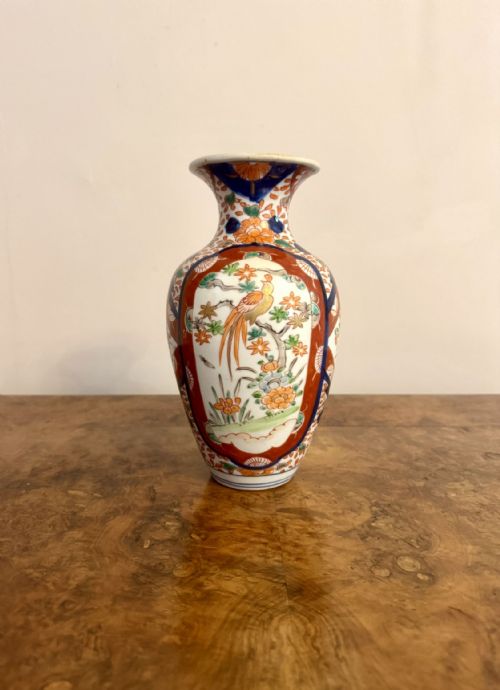
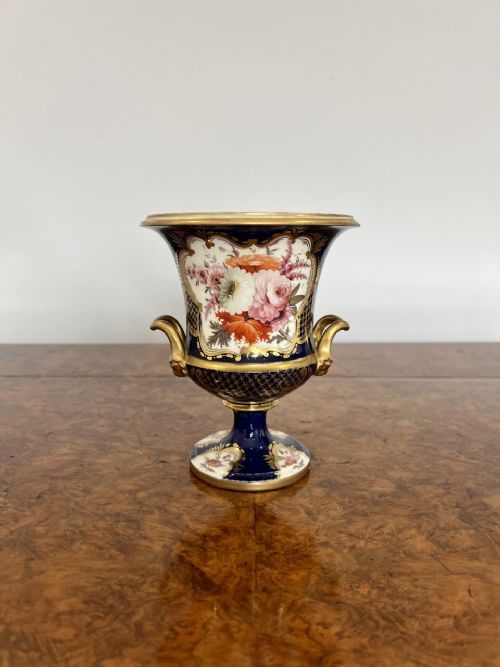
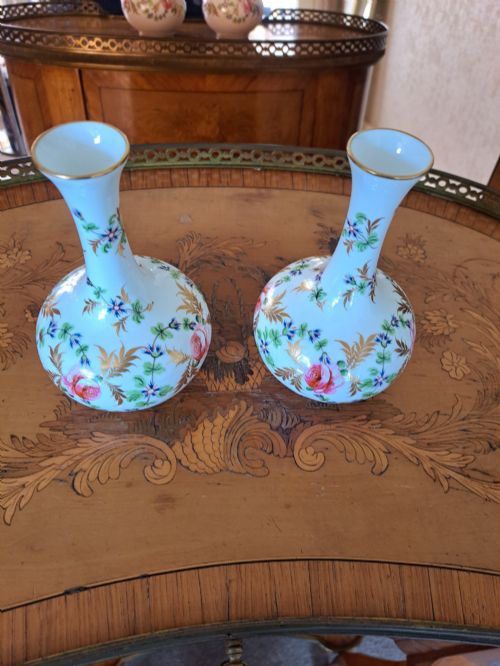
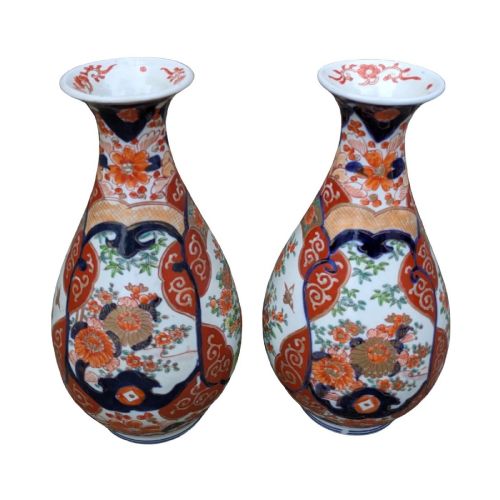


Hand Painted China Vase
A hand painted china vase brings together the focused skill of the ceramic artist and the quiet permanence of porcelain.
Hand Painted China Vase
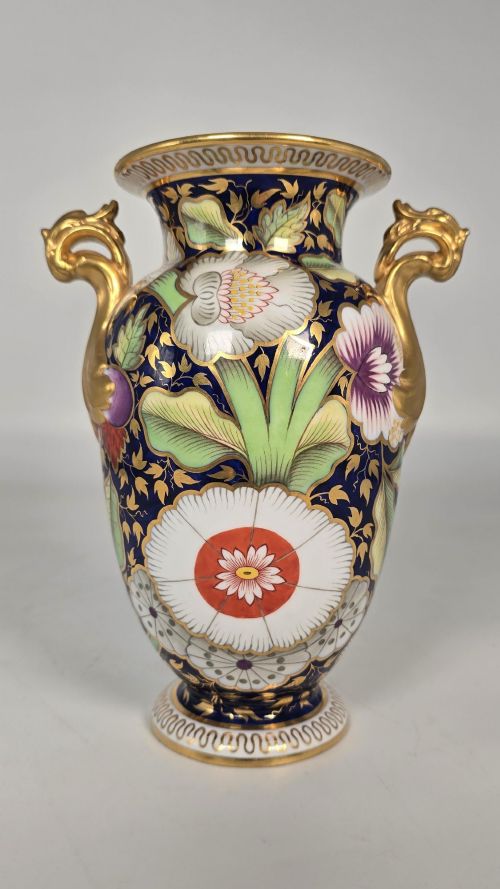
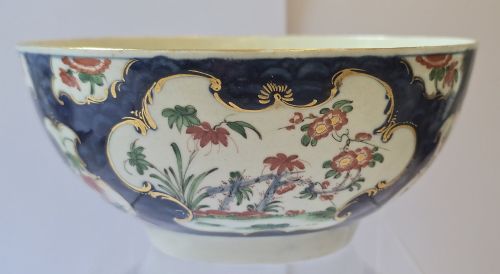
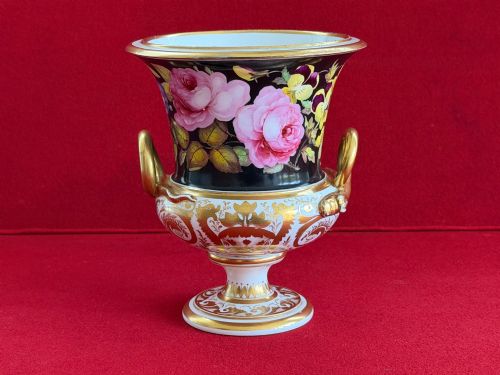
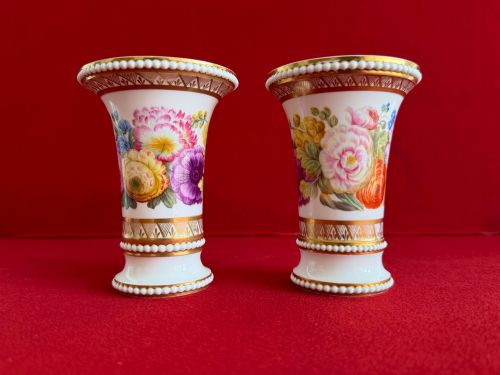
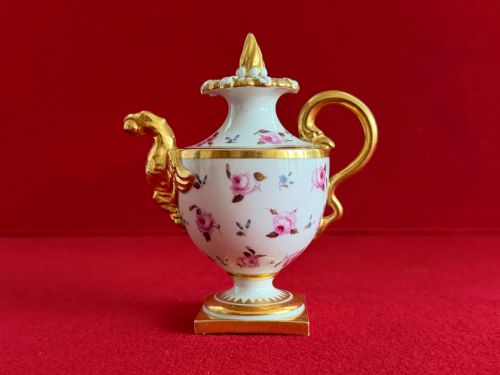
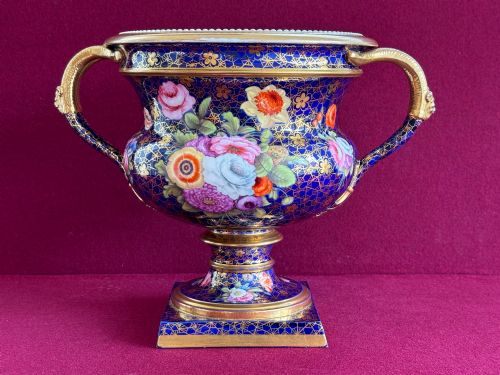
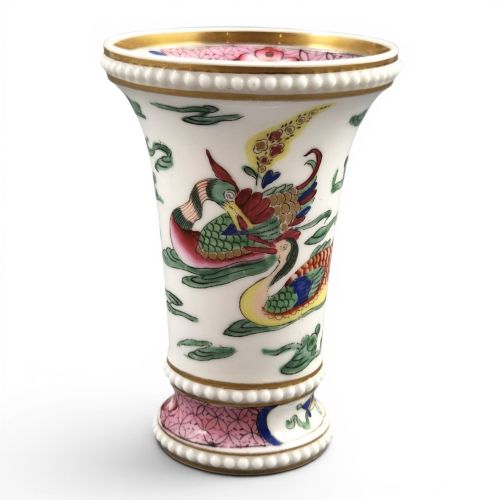
A hand painted china vase brings together the focused skill of the ceramic artist and the quiet permanence of porcelain. Buyers examining this page encounter forms ranging from spill vases and ginger jars to ovoid vessels and covered urns. The selection spans the nineteenth century through to the mid-twentieth century, capturing shifts in domestic ornament across several decades.
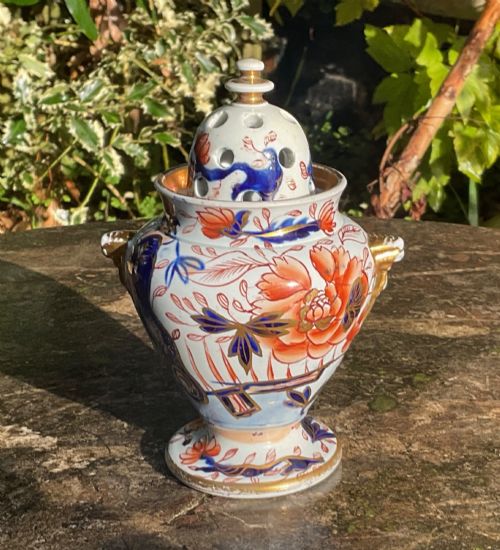
English factories dominate the forms, with works from Royal Worcester, Spode, Coalport and Crown Derby appearing frequently. Alongside these domestic pieces, Japanese Imari vases and Chinese porcelain vessels provide contrasting palettes and traditions. Spill vases and pot pourri jars show the practical domestic origins of these decorative objects.
The periods represented stretch from Georgian and Regency eras through Victorian and Edwardian decades into the 1950s and 1960s. Royal Worcester fruit-painted pieces from the mid-twentieth century sit alongside nineteenth-century porcelain from Paris and Worcester. Each era brings distinct decorative priorities, from botanical studies to elaborate bird and cattle scenes.
Standards of execution
Quality rests in the precision of the brushwork and the sureness of the painter's hand on the curved porcelain surface. Pieces bearing signatures of recognised artists command attention through detailed rendering of feathers, fruit or cattle. The distribution of gold leaf and the crispness of the surrounding gilding also separate standard production wares from premier studio outputs.
The porcelain body itself dictates the baseline, with fine bone china offering a thinner, more translucent wall than heavier earthenware substitutes. The balance of the form, the integrity of any applied handles or covers, and the retention of the enamel colours without fading define the enduring value of each vessel.
Hand Painted China Vase Retail Price Guide 2026
Typical asking prices for hand painted china vase among the pieces listed under this phrase on Sellingantiques today, from the lower quarter to the upper quarter. They describe what is for sale here now, not the wider market.
Several artists painted tiny highland cattle and swimming swans onto vessels no taller than a teacup.
Flight Barr And Barr·Crown Derby·Spode·Royal Doulton·Coalport·Derby Porcelain·Royal Worcester·Minton
The Hand Painted China Vase Glossary
- Bone china
- A type of soft-paste porcelain incorporating bone ash, producing a durable, milk-white body suited to fine painting. This composition allows for thinner vessel walls while maintaining structural strength.
- Spill vase
- A narrow cylindrical vessel designed to hold taper spills used for lighting candles and fires. These small containers often received delicate botanical or animal decoration.
- Pot pourri vase
- A decorative vessel featuring a pierced cover designed to diffuse the scent of dried flower petals and spices held within. These pieces often feature elaborate painted fruit or floral panels.
- Imari
- A style of Japanese export porcelain characterised by underglaze blue and overglaze red, gold and black enamels. The palette is dense, patterned and decorative.
- Gilding
- The application of gold leaf or gold paint to the rims, handles and borders of a ceramic piece. It provides a reflective contrast to the painted enamel body.
Hand Painted China Vase: Frequently Asked Questions
What is a hand painted china vase?
A hand painted china vase is a ceramic vessel decorated directly by an artist using enamel colours rather than mechanical transfer printing.
These pieces range from small Victorian spill vases to mid-twentieth-century ginger jars painted with fruit or birds.
How do I identify the maker?
Makers are usually identified by printed or painted backstamps on the base of the porcelain body.
Factory marks often indicate the period of manufacture, sometimes accompanied by the signature or monogram of the individual artist.
Were these vases used for flowers?
Many forms, such as spill vases and standard urns, were made to hold dried petals or botanical displays in nineteenth-century drawing rooms.
Others served purely as mantelpiece ornaments, prized for their painted panels rather than domestic utility.
How should I clean porcelain?
Dusting with a soft, dry brush is the safest method for preserving fragile enamel colours and delicate gold leaf highlights.
Immersing antique porcelain in water risks damaging old adhesives or wearing down vulnerable surface gilding.