
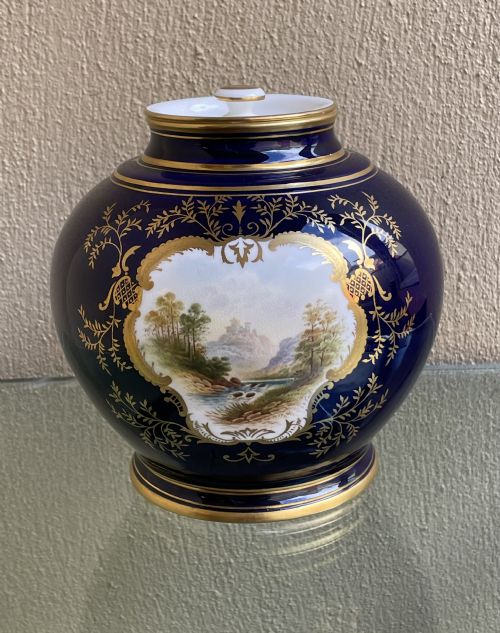


Bone China Urn
A bone china urn brings a distinct weight and painted finish to a room, drawing the eye with classic ceramic forms.
Bone China Urn
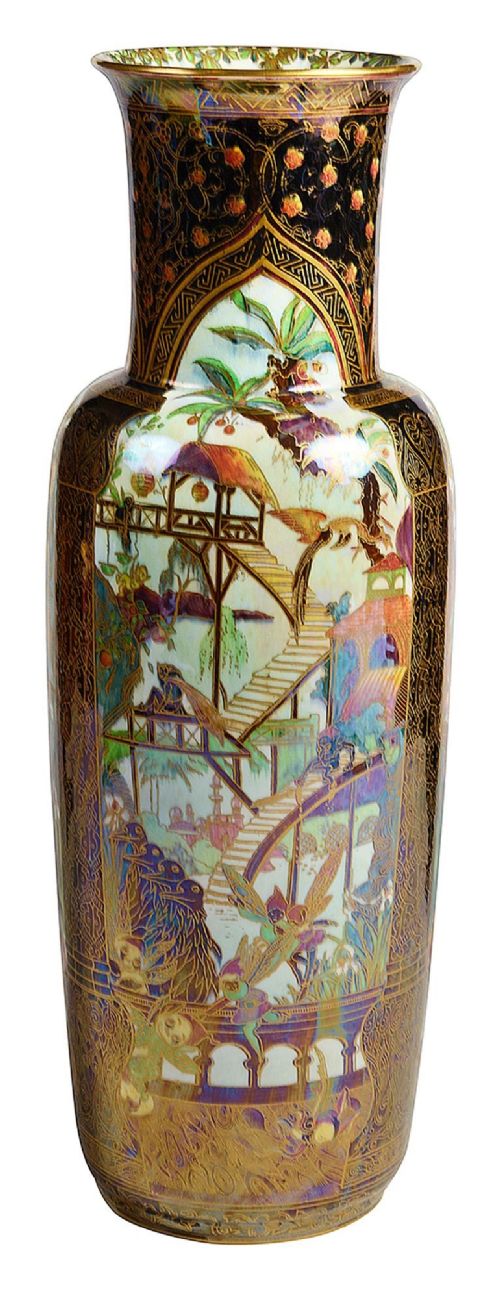
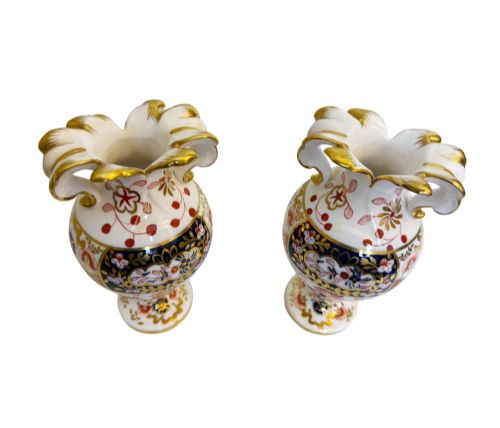
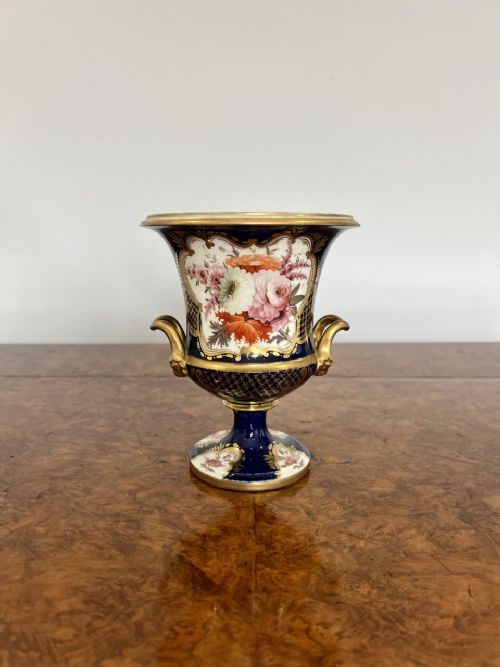
A bone china urn sits within a broader family of decorative vases, ginger jars, and twin handled vessels found in this collection. These objects take various forms from the nineteenth century through the mid twentieth century, including Edwardian and Art Deco examples.
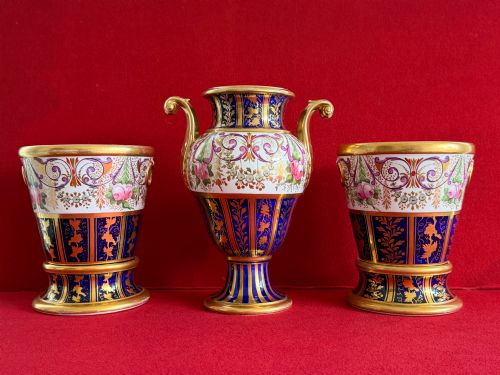
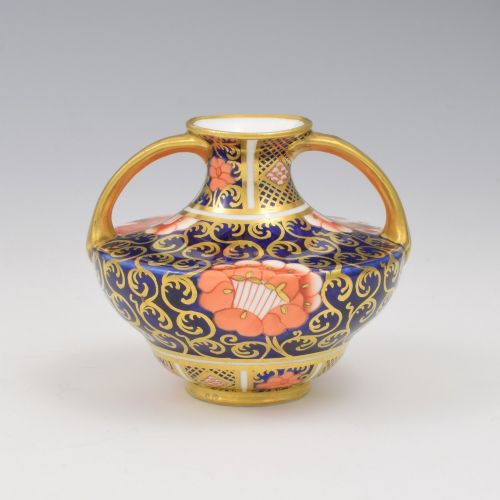
Makers such as Royal Worcester, Spode, and Royal Crown Derby dominate the selection, producing painted fruit compositions, Imari patterns, and landscape scenes. Buyers will encounter both single display pieces and matched pairs intended for mantelpieces and side tables.
Assessing the workmanship
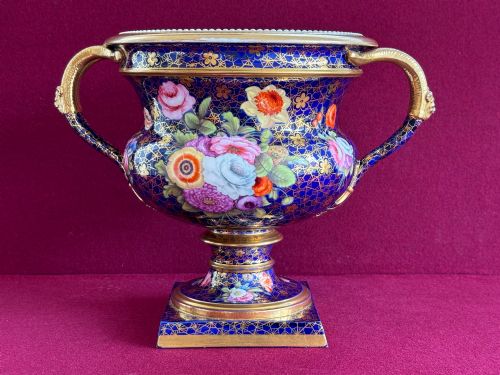
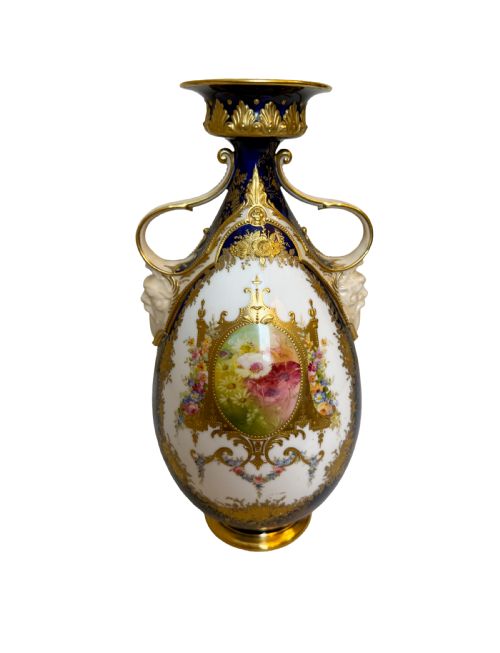
The standard of a bone china urn rests largely on the skill of the painter and the crispness of the porcelain body. Named artists such as Harry Davis, Walter Powell, or James Stinton elevate the standing of a piece through meticulous brushwork.
The application of gold leaf and the complexity of the pattern deployment also distinguish finer examples from standard production. Uniformity in pairs and the preservation of hand painted details over decades determine distinction.
Several artists painted sheep and storks with the same precision usually reserved for royal portraits.
Wedgwood·Spode·Royal Crown Derby·Royal Doulton·Coalport·Royal Worcester
The Bone China Urn Glossary
- Bone china
- A type of porcelain incorporating bone ash, known for its strength and slightly milky translucency. This body provides a smooth canvas for detailed enamel painting.
- Imari
- A decorative style featuring dense cobalt blue and iron red patterns heightened with gold. British factories adopted this Japanese inspired palette widely during the nineteenth century.
- Pot pourri
- A decorative vase or jar featuring a pierced cover designed to diffuse dried scented petals into a room. These vessels often carry elaborate painted fruit or floral scenes.
- Blush ivory
- A soft cream coloured ceramic ground developed by Royal Worcester. It creates a warm matte background for gilt and floral decoration.
- Ewer
- A large jug shaped vase with a spouted lip and a curved handle. Originally used for pouring water, these forms became purely decorative display pieces in the Victorian period.
Bone China Urn: Frequently Asked Questions
What were bone china urns used for?
These vessels served primarily as decorative ornaments on mantelpieces, sideboards, and drawing room tables. Their presence signalled taste and affluence in period interiors.
Some variations, such as pot pourri jars, held dried aromatic plant matter to scent living spaces. Others remained strictly ornamental centrepieces designed to showcase skilled ceramic painting.
How do I date an antique urn?
Dating relies on factory backstamps, stylistic cues, and recorded artist signatures where available. Victorian and Edwardian pieces often exhibit distinct colour palettes and floral motifs.
Reference marks underneath the base cross-reference with known production years for makers like Royal Worcester and Spode. Comparing the painted style to documented works helps narrow the decade of manufacture.
Are urns sold as pairs?
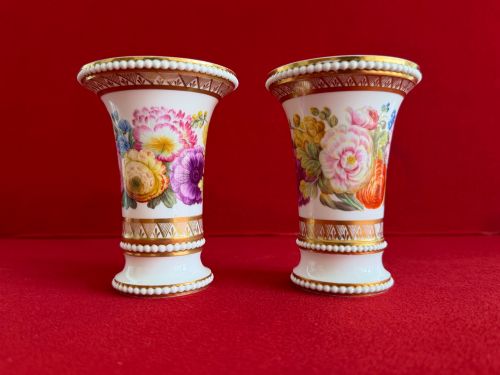
Many listings feature matching pairs designed for symmetrical placement on furniture pieces. These companion items share identical patterns, dimensions, and maker marks.
Single vessels also appear frequently in collections. Buyers should check descriptions to confirm whether an item forms part of a matched pair.