

Antique English Timepiece
An antique English timepiece tells the hours through centuries of brass, mahogany, and silver craftsmanship, offering a functional piece of heritage for your wall or mantel.
Antique English Timepiece
An antique English timepiece encompasses a diverse selection of instruments designed to measure and display the hours, originating from workshops across the centuries. When you search for this phrase, you encounter everything from domestic mantle clocks to portable pocket watches and large railway wall timepieces.
Makers ranged from provincial watchmakers to renowned London horologists, producing items for domestic interiors, offices, and travel. Their surviving output reflects the evolution of British horology through changing domestic fashions and technological advancements.
Materials and Construction
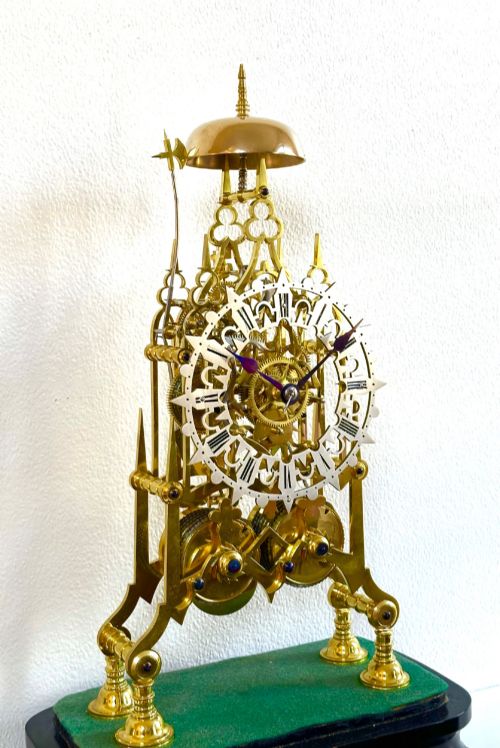
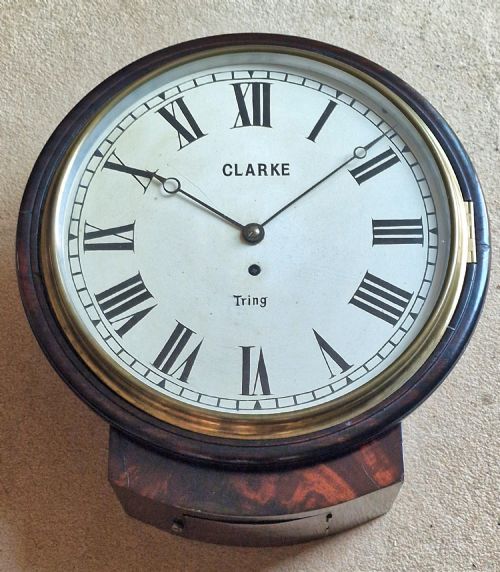
Makers utilised durable structural materials such as mahogany, oak, rosewood, and ebonised wood for cases, often housing brass movements driven by fusee mechanisms or springs. Dial faces incorporated painted iron, silvered brass, white enamel, and glass covers to protect delicate hands.
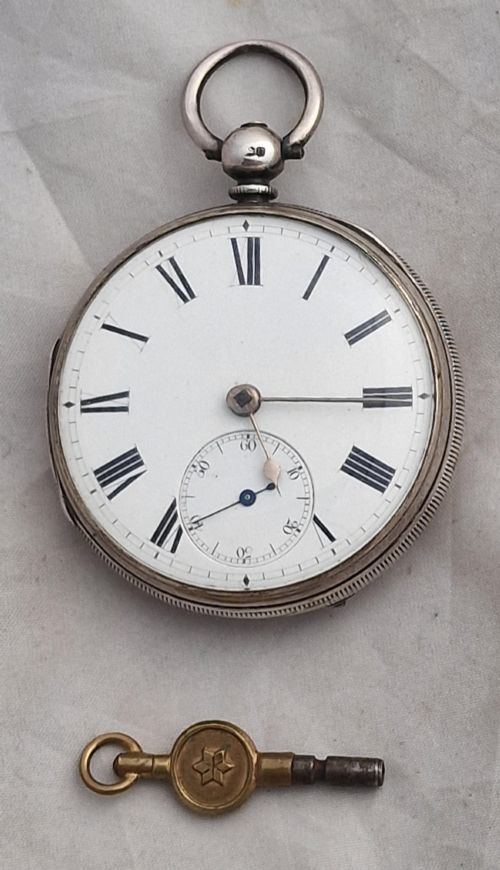
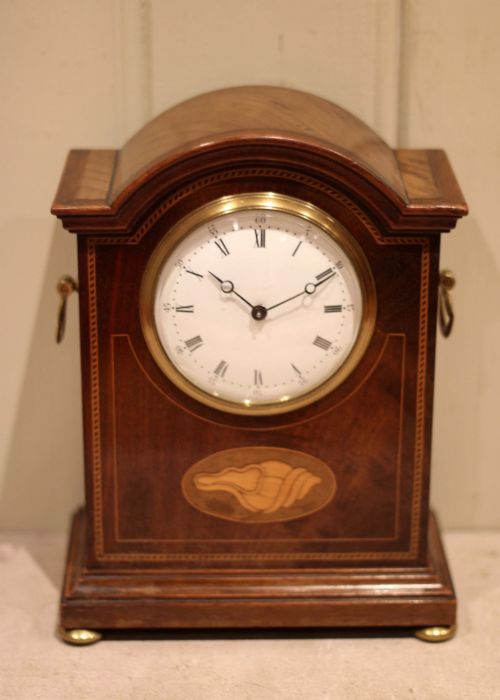
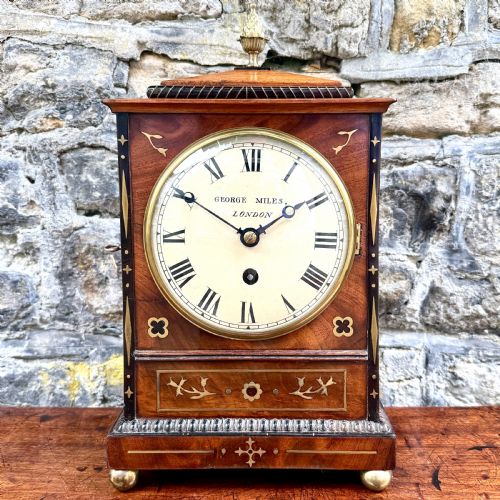
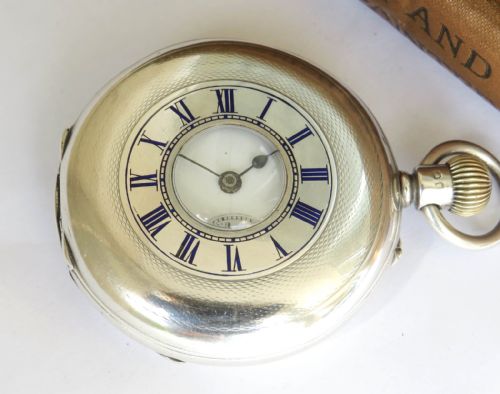
Cabinetmakers and metalworkers shaped brass, ormolu, silver, and pewter into bezels, mounts, and intricate pocket watch cases. Details such as Sheraton-style bezels, inlay work, and hand-engraved silver highlighting demonstrate the manual skill embedded in each object.
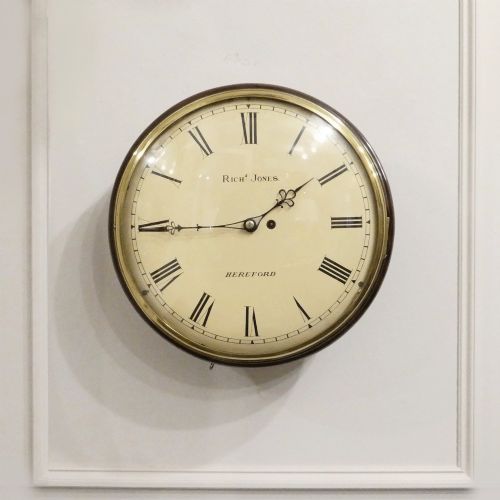
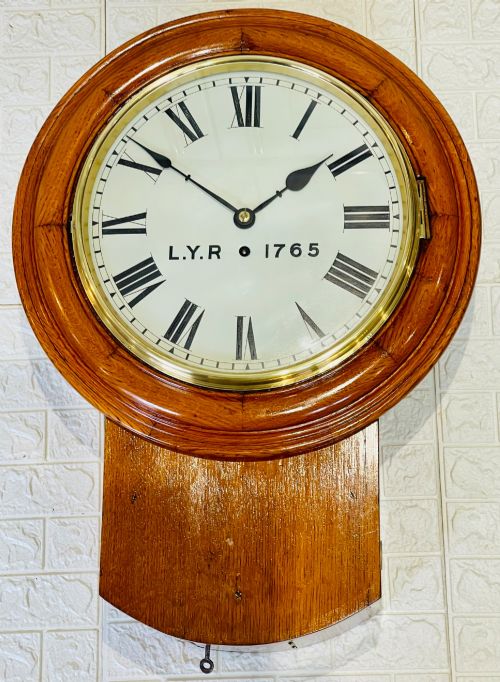
Railway wall clocks ensured that passengers across the network missed neither their trains nor their appointments.
Distinctions in Quality
The calibre of a piece rests in the sophistication of its movement and the precision of its dial execution. High-grade examples feature clean, original fusee movements, crisp engraving, and well-proportioned cases executed in choice timbers like mahogany.
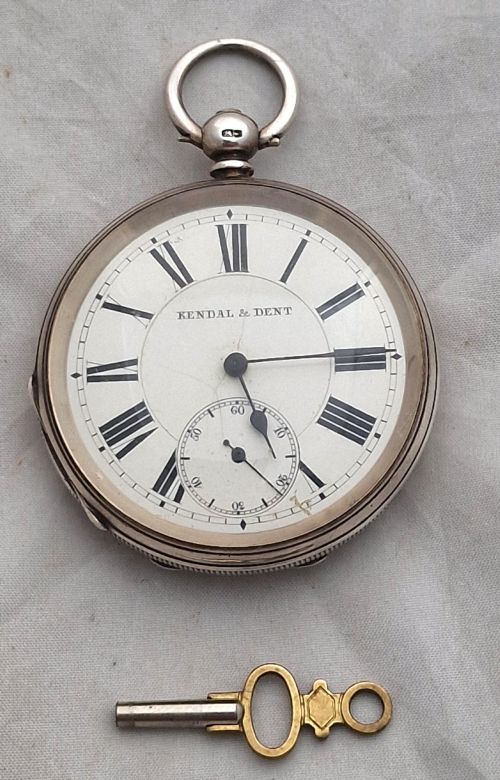
Secondary grade pieces often display simpler mass-produced movements or later replacements of dials and hands. The presence of hallmarked silver cases, signed dials by known makers, and untouched original brasswork elevate an example above standard domestic production.
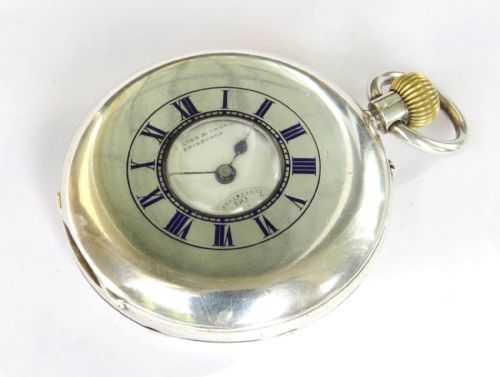
Richard Jones of Hereford·Hamilton and Inches·Thomas Langley·John Spershott·Archibald Knox for Liberty and Co·Richard Winter of Chieveley·John Morley
The Antique English Timepiece Glossary
- Fusee
- A conical pulley used in older clocks and watches to maintain even power as the mainspring unwinds. This mechanism ensures more accurate timekeeping throughout the duration of the wind.
- Lantern clock
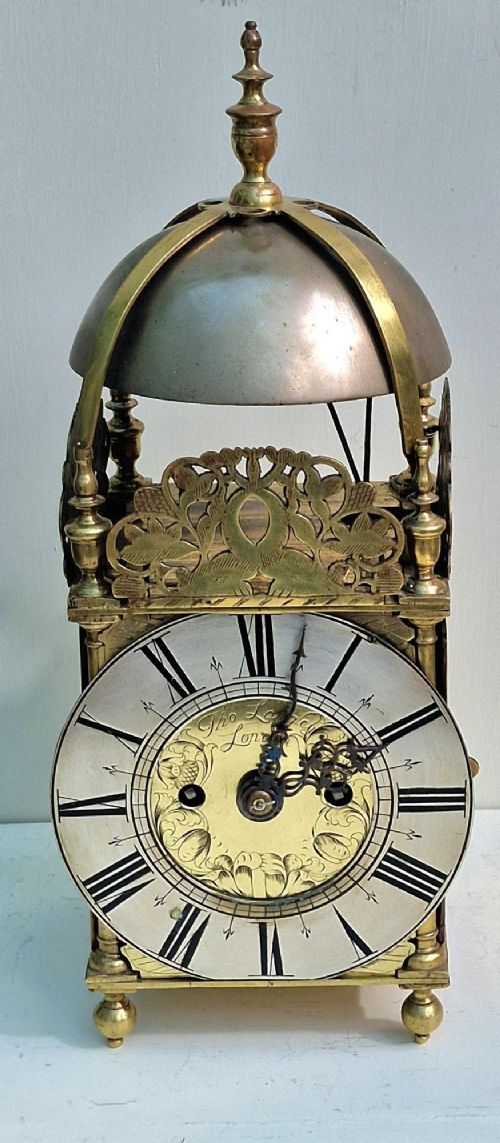
- An early type of brass domestic clock made in England during the 17th century. These pieces usually feature a weight-driven movement and stand on short feet.
- Verge escapement
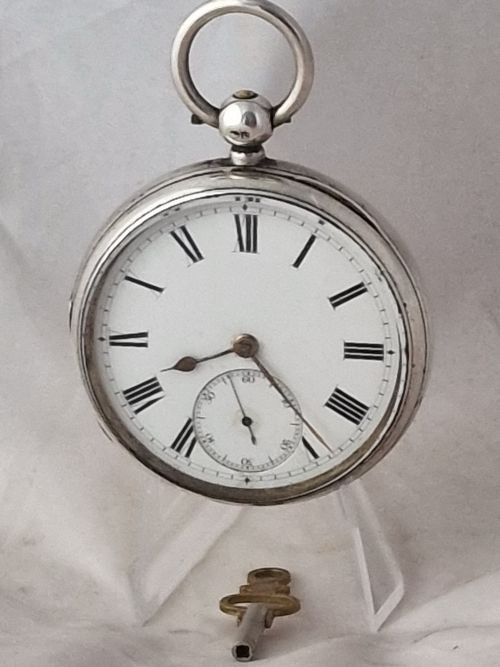
- An early gear mechanism that regulates the speed of a clock or pocket watch by controlling the release of power from the gear train. It creates the characteristic ticking motion of older horology.
- Half hunter
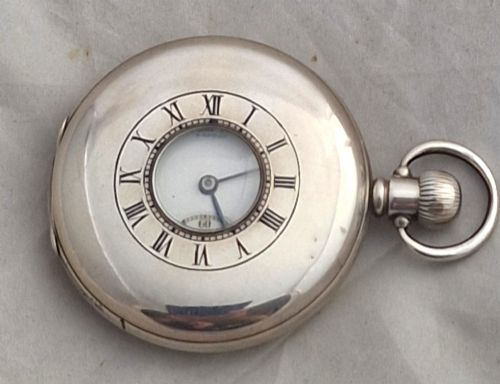
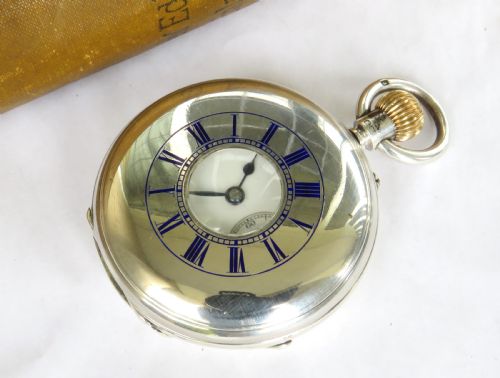
- A pocket watch case featuring a solid outer cover with a glass-centred aperture or a small outer dial showing the hands without opening the case. This design allows quick reading while protecting the dial face.
- Bracket clock
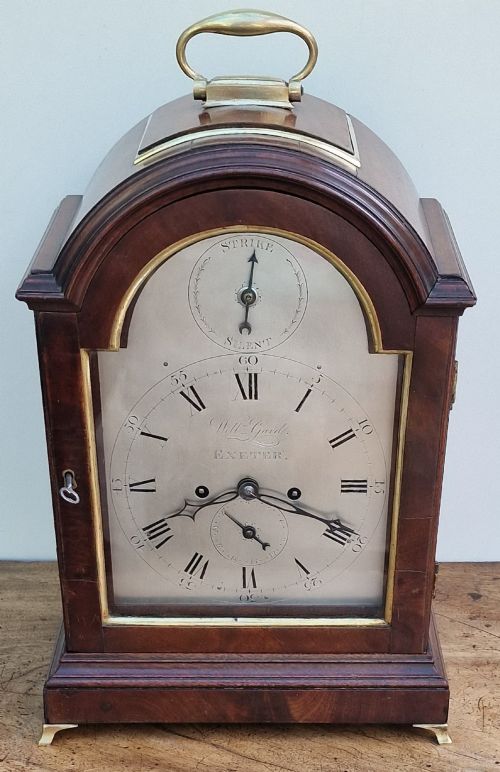
- A portable domestic clock originally designed to sit upon a wall bracket or table. These pieces often feature fine wooden cases and robust spring-driven movements.
Antique English Timepiece: Frequently Asked Questions
What is a fusee movement?
A fusee movement uses a conical drum to equalise the declining power of a mainspring as it unwinds. This ensures the gear train receives constant force for steady timekeeping.
Invented centuries ago, this traditional system remains a hallmark of better British clockmaking.
How do I date an antique timepiece?
Dating relies on stylistic clues, case timber, dial materials, and maker signatures recorded in horological archives. Silver components often carry hallmarks that reveal the exact year of assay.
Changes in dial shape and movement architecture also help narrow down the period of manufacture.
Where were these pieces used?
Pocket watches and carriage clocks travelled with owners for daily personal scheduling. Wall clocks hung in railway stations, offices, and domestic hallways to keep public time.
Bracket and mantel clocks sat in reception rooms and libraries as both practical objects and status items.
Are these items still working?
Many examples retain their original movements and remain fully operational with regular winding and occasional servicing. Some pieces function as historical decorative objects requiring professional horological attention.
Individual listings note the working condition of each movement.