



Classical Sculpture Clock
A classical sculpture clock combines timekeeping with sculptural figures in bronze, marble and ormolu to anchor a room.

Classical Sculpture Clock
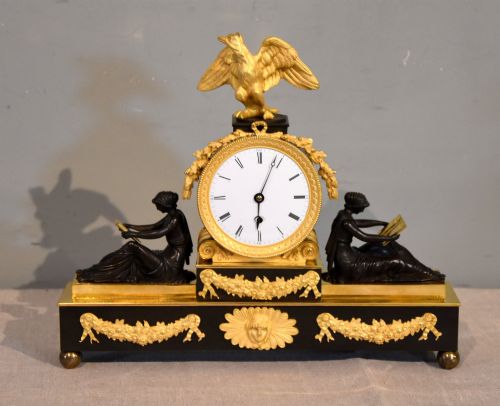
A classical sculpture clock is primarily a mantel clock that integrates a figural bronze or carved marble subject with a mechanical clock movement. When searching for a classical sculpture clock, buyers encounter works largely originating from the nineteenth century, including Regency, Louis XVI style, and Napoleon III periods.
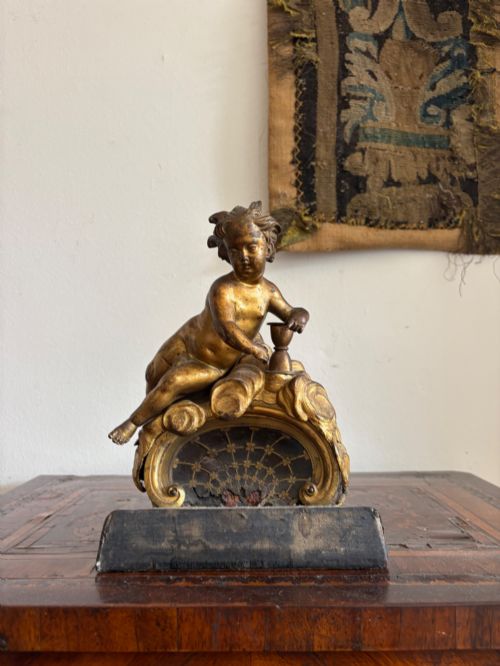
The sculptural elements often depict classical deities, allegorical scenes like Literature, or putti finials mounted above or beside the dial. These pieces function simultaneously as horological instruments and decorative works of art for the mantelpiece.
Most examples found here hail from French workshops and English makers, utilising materials such as patinated bronze, gilt ormolu, and contrasting white or dark marble bases. The most common format is the mantel clock, occasionally accompanied by matching garniture pieces under glass domes.
Materials and construction methods
The fabrication of these clocks relies heavily on cast bronze, ormolu, and carved marble, often combining multiple metals and stones within a single piece. Founders employed the lost-wax or sand-casting methods to create detailed figural sculptures, which were then finished with patination or fire-gilding.
Clock movements were produced by specialist horologists and fitted into cases designed by sculptors and bronze-makers. Dials are typically enamelled with Roman or Arabic numerals, sometimes protected behind curved glass plates set within cast brass or gilt bezels.
Classical Sculpture Clock Retail Price Guide 2026
Typical asking prices for classical sculpture clock among the pieces listed under this phrase on Sellingantiques today, from the lower quarter to the upper quarter. They describe what is for sale here now, not the wider market.
Several clock cases depict literary allegories, ensuring your mantelpiece is perpetually supervised by miniature figures of study and reflection.
Assessing quality in sculpture clocks
Quality in these clocks rests upon the crispness of the bronze chasing and the depth of the fire-gilding or patination. Finer pieces exhibit finely articulated fingers, drapery, and hair on the figures, whereas lesser examples show softer cast details and flat surface finishes.
The integration between the sculpture and the marble or bronze base indicates the standard of manufacture. Superior items feature heavy, dense marble plinths, robust movements signed by known makers, and harmonious proportions where the clock face does not overpower the sculptural subject.
Auguste Moreau·Deniere and Cailleaux·Japy Freres·Remond
The Classical Sculpture Clock Glossary
- Ormolu
- Gilded bronze produced by applying an amalgam of gold and mercury to a bronze base and heating it. This technique creates a durable golden finish characteristic of French luxury goods.
- Garniture
- A set of decorative objects designed to be displayed together, typically comprising a central clock flanked by matching vases, candelabra, or urns.
- Finial
- A decorative ornament that crowns the top of an object, such as the putto figure mounted on certain clock cases.
- Spelter
- A zinc alloy frequently used as a less costly alternative to bronze for cast figures, especially in late nineteenth-century production.
Classical Sculpture Clock: Frequently Asked Questions
What is a classical sculpture clock?
A classical sculpture clock is a timepiece housed within or surmounted by a figural bronze, marble, or ormolu sculpture. These objects merge horology with nineteenth-century decorative arts.
They serve as prominent mantel ornaments, drawing on mythological, allegorical, and neoclassical themes to decorate domestic interiors.
How do I identify the period?
Dating relies on stylistic clues such as the revival style, the type of marble used, and the formation of the cast bronze figures. Nineteenth-century pieces often reflect Regency, Louis XVI, or Napoleon III aesthetics.
Examining the movement mechanics and the signature of the maker stamped on the backplate also helps narrow down the date of manufacture.
How should I care for marble and bronze?
Bronze surfaces require dusting with a soft, dry cloth to prevent the accumulation of dirt in recessed chasing. Avoid liquid cleaners or polishes that can strip the original patination.
Marble bases should be wiped gently with a damp cloth and dried immediately. Acidic substances must be kept away from stone surfaces to prevent staining.
Are these clocks suitable for daily use?
These clocks are mechanical antiques that generally require professional setup and periodic servicing to maintain accurate timekeeping. They function well as operational timepieces when handled with care.
Many owners choose to wind them gently or keep them running occasionally, respecting the age of the nineteenth-century brass movements.