


Antique English Teaware
Antique english teaware brings domestic history to the tabletop, offering bone china and soft-paste porcelain pieces that collectors prize for period character.
Antique English Teaware
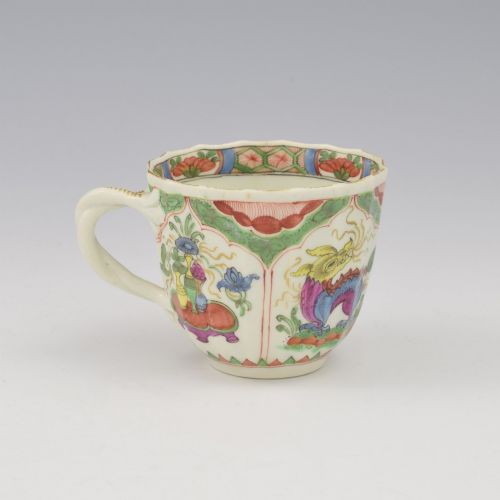
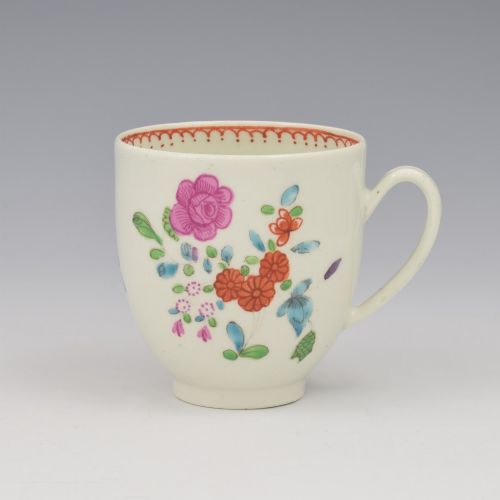
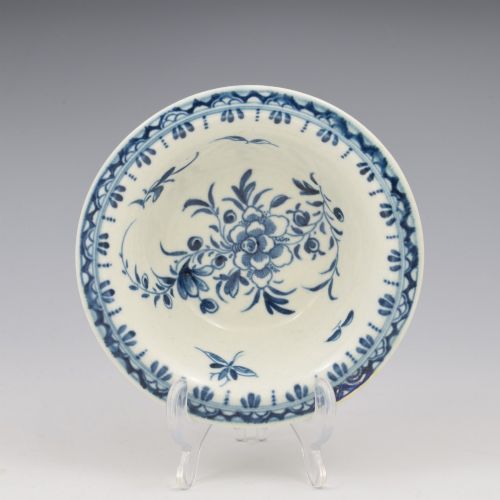
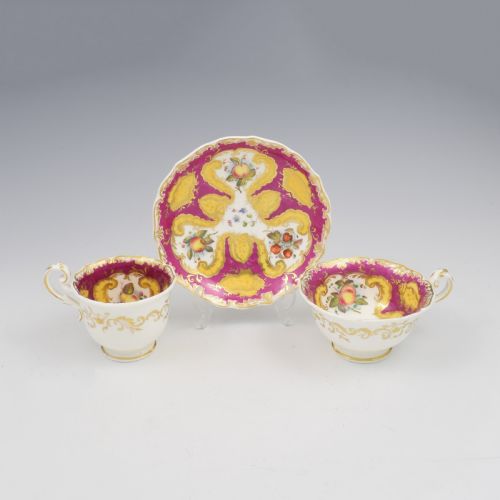
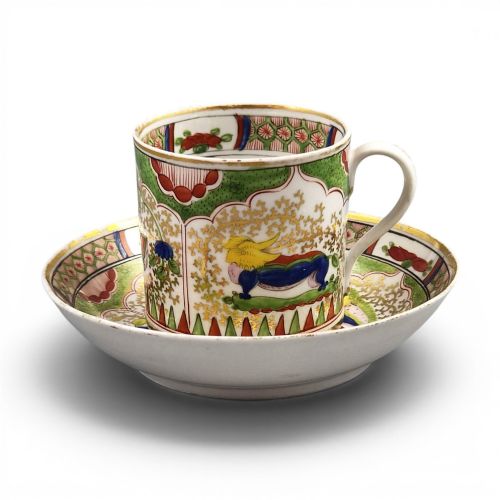
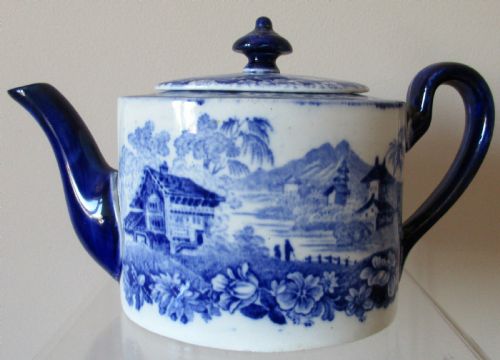
Antique english teaware encompasses items associated with historical hot beverage service, spanning the eighteenth century and the georgian era. The pieces listed on this page focus on tea bowls, tea bowls and saucers, and coffee cans.
Originating from British factories and workshops, these ceramics capture the domestic tastes of the georgian period. Buyers frequently encounter eighteenth-century porcelain forms designed for social rituals of the era.
Materials and production methods
Potters utilised soft-paste porcelain and bone china to shape these drinking vessels and saucers. The manufacturing process combined delicate ceramic bodies with detailed hand-painted or transferred patterns.
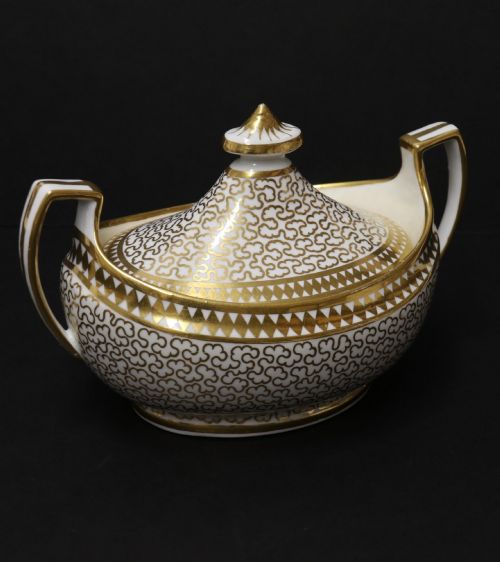
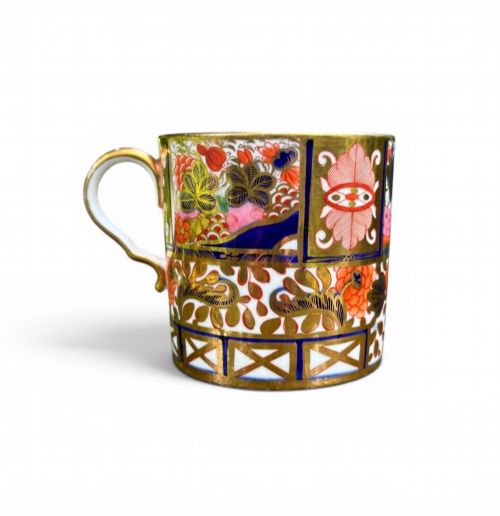
Makers applied enamel colours and gold gilding to enrich the surfaces of the porcelain. Specific decorations include Imari designs, as seen on the Spode coffee can.
Current listings feature porcelain, bone china, and soft-paste porcelain from the eighteenth century and the georgian period.
Distinguishing quality across the range
Quality differences lie in the refinement of the ceramic body and the precision of the hand-painted decoration. Early soft-paste porcelain often displays subtle variations in glaze texture compared to later bone china.
The sophistication of the gilding and enamel work separates standard domestic production from finer examples. Artisans who executed complex patterns like Imari styles demonstrated superior brushwork.
Spode·Worcester
The Antique English Teaware Glossary
- Tea bowl
- A handleless cup used for drinking tea during the eighteenth century before standard cups with handles became common.
- Coffee can
- A small, straight-sided cylindrical cup designed specifically for serving coffee in the georgian period.
- Soft-paste porcelain
- An artificial ceramic paste fired at lower temperatures than hard-paste porcelain, common in early English factories.
- Bone china
- A type of porcelain incorporating bone ash, producing a strong, white, and translucent body.
- Imari
- A decorative style imitating Japanese export porcelain, typically featuring deep blue, iron red, and gold gilding.
Antique English Teaware: Frequently Asked Questions
How do I identify eighteenth-century teaware?
Eighteenth-century teaware is identified by materials like soft-paste porcelain and forms such as handleless tea bowls without modern handles.
Decoration often relies on hand-painted enamel and early gilding techniques characteristic of the georgian period.
What is a coffee can?
A coffee can is a small, cylindrical cup lacking a handle, produced during the georgian era specifically for drinking coffee.
These pieces match the ceramic body and decorative style of contemporaneous tea bowls and saucers.
Can I use antique teaware daily?
Using antique porcelain requires careful handling due to the delicate nature of soft-paste porcelain and historic bone china.
Many collectors prefer to display these eighteenth-century items to preserve their enamel decoration and gold gilding.