

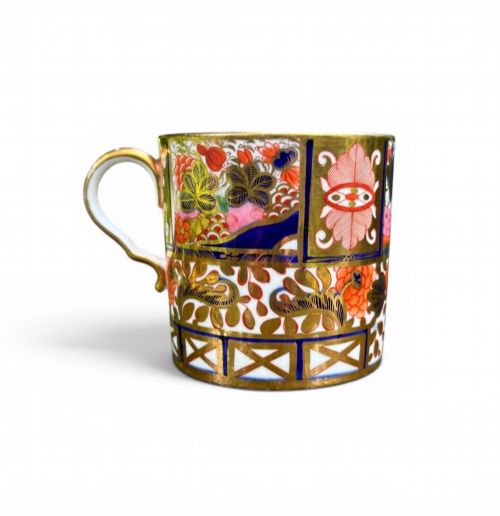


Antique Porcelain Coffee Can
These antique porcelain coffee can pieces are slender drinking vessels from past centuries, offering a tangible link to early dining habits.
Antique Porcelain Coffee Can
An antique porcelain coffee can is a small, straight-sided cylindrical drinking vessel designed specifically for serving strong coffee after a meal. The pieces available here span various eras, including Georgian, Regency, and Edwardian periods, reflecting the shifting tastes of British households.
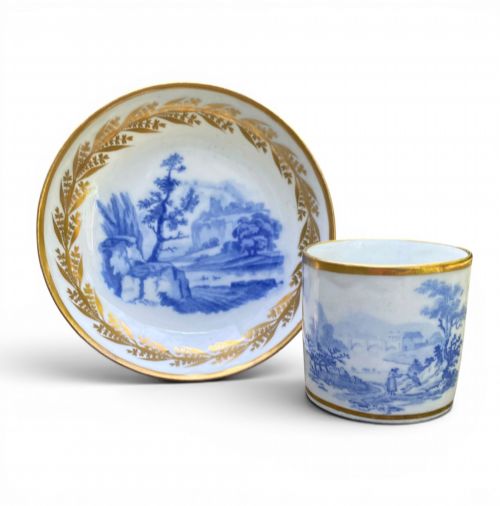
Most examples appear alongside matched saucers or within larger tea and coffee sets. Collectors encounter forms ranging from simple eighteenth-century hand-painted cylinders to early twentieth-century demitasse sets mounted in silver.
How they were made
Potters shaped these vessels using soft-paste porcelain, bone china, or hard-paste ceramic bodies, often throwing them on a potter's wheel before firing. Artisans then applied underglaze blue, enamel colours, and gold leaf gilding by hand.
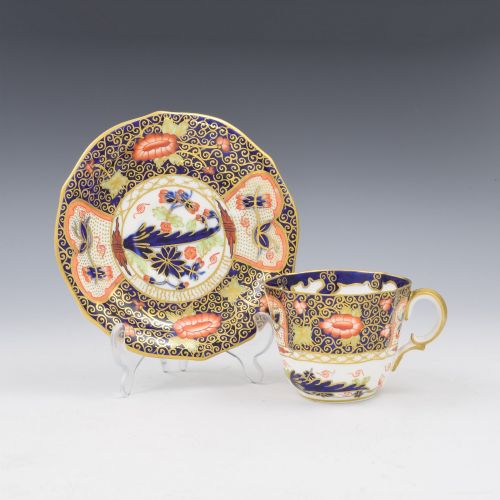
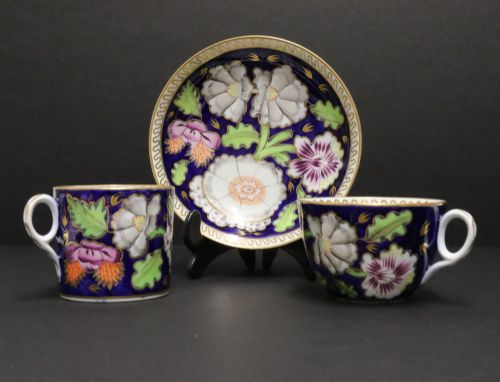
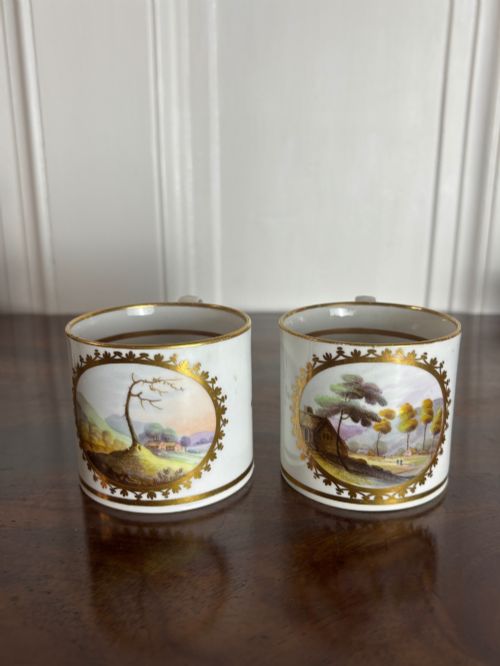
Many factories utilised intricate hand-painted motifs, such as Chinese figures, landscapes, Imari patterns, and botanical studies, which required multiple firings in kiln ovens to fix the pigments.
Listings span the eighteenth century, Georgian, Regency, Edwardian, and 1920 periods, utilising porcelain, bone china, enamel, and gold leaf.
What varies in quality
The standard of an antique porcelain coffee can depends largely on the crispness of the porcelain body and the precision of the hand-painted decoration. Finer pieces demonstrate superior control in enamel application and gilding.
The reputation of the maker and the complexity of the pattern - such as detailed landscape paintings or intricate Chinoiserie designs - distinguish standard factory output from exceptional cabinet specimens.
Royal Crown Derby·Newhall·Flight And Barr Worcester·Spode·Royal Worcester·Spode Copeland
The Antique Porcelain Coffee Can Glossary
- Coffee can
- A straight-sided cylindrical cup without a handle, made for drinking strong coffee in the eighteenth and nineteenth centuries. These vessels often taper slightly toward the base or rim.
- Soft-paste porcelain
- A ceramic composition made from white clay mixed with ground glass and other materials, fired at lower temperatures than hard-paste porcelain. This body creates a warm, creamy tone under the glaze.
- Imari
- A decorative style inspired by Japanese export ceramics, utilising a palette of cobalt blue, iron red, and gold. British factories frequently copied these patterns during the Georgian and Victorian eras.
- Demitasse
- A small cup used for serving espresso or strong coffee. The term translates from French as half-cup.
- Cabinet trio
- A matched set consisting of a tea cup, a coffee cup, and a saucer intended for display or refined hospitality. These groupings showcase unified factory painting styles.
Antique Porcelain Coffee Can: Frequently Asked Questions
What is a coffee can?
A coffee can is a cylindrical cup without a handle designed for serving strong coffee during the eighteenth and nineteenth centuries.
These vessels are narrower and taller than standard tea cups of the same period, reflecting distinct dining customs.
How were coffee cans used?
People used them to drink concentrated coffee after meals, often holding the small cylinder carefully by the rim since handles were usually omitted.
They frequently rested on matching saucers to catch drips and protect polished table surfaces.
How do I date a coffee can?
Dating relies on factory marks, ceramic bodies, and decorative styles characteristic of periods like the Georgian era or the Regency years.
Changes in porcelain composition, such as the shift from soft-paste to bone china, provide further chronological clues.
Can I use antique coffee cans daily?
Most collectors treat these fragile porcelain pieces as display items rather than functional vessels for daily use.
Hand-washing gently in warm water is essential if occasional use is preferred, avoiding modern dishwashers entirely.
What is a demitasse?
A demitasse is a small cup designed specifically for holding a half-cup of strong espresso or black coffee.
These smaller vessels became popular in later periods like the Edwardian era and the early twentieth century.