


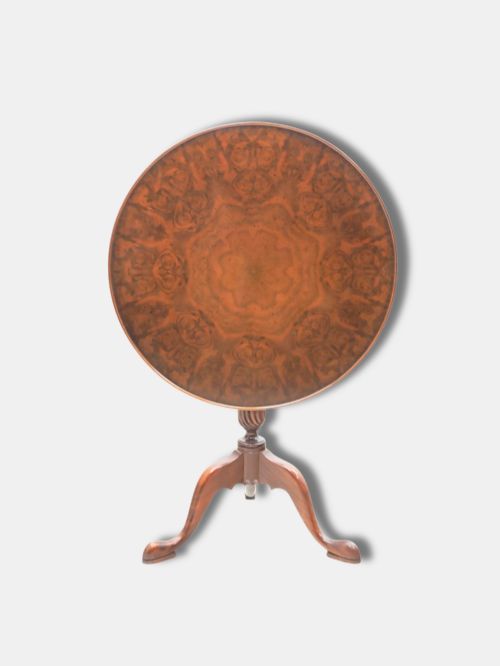
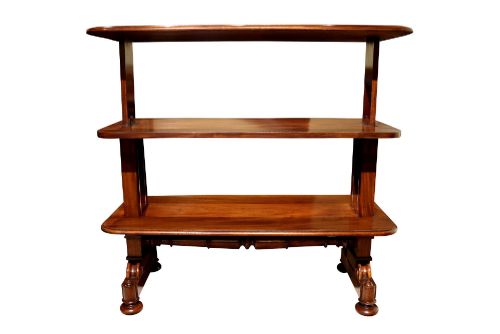
Antique English Side Table
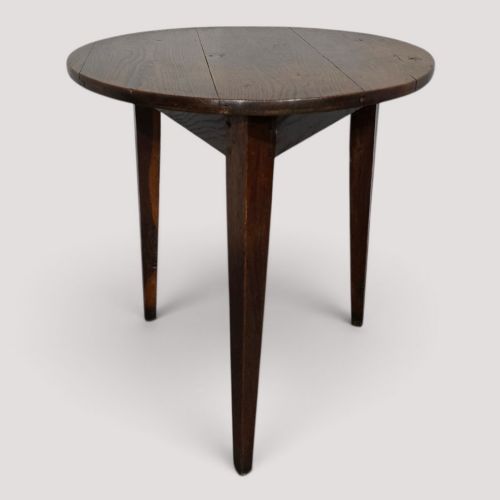
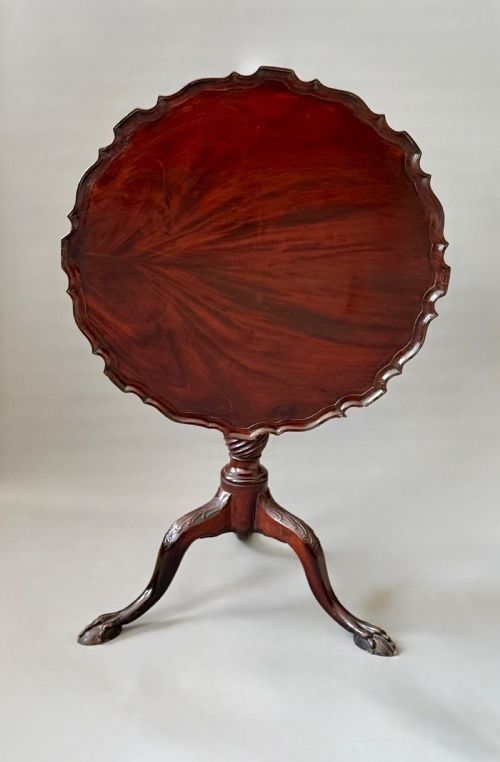
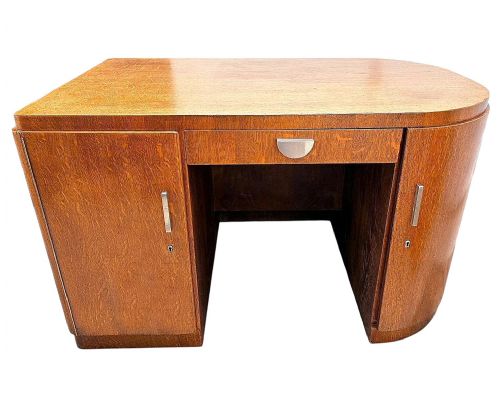
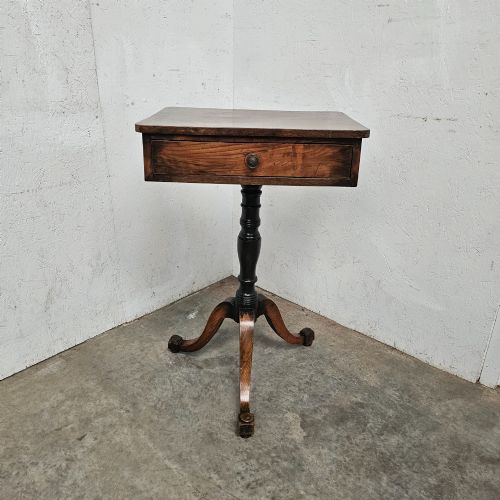
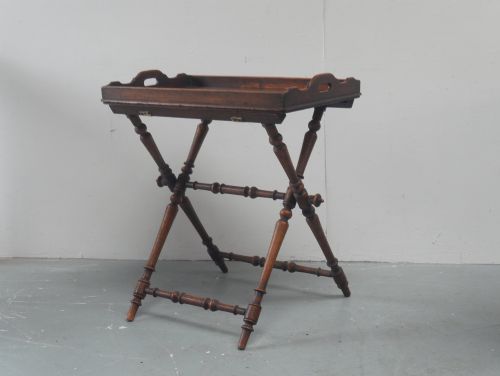
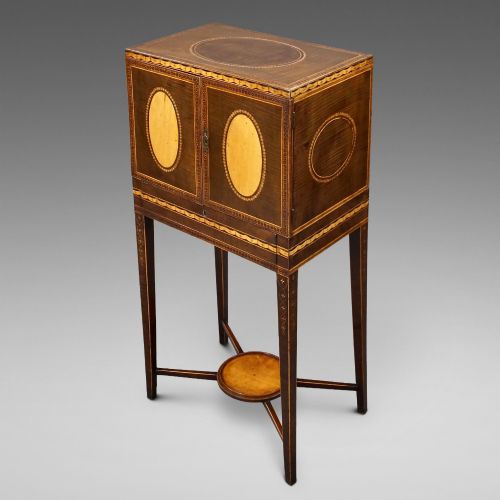
These antique English side tables span centuries of domestic use, offering compact surfaces crafted in mahogany, oak, and painted pine.
Forms and Periods
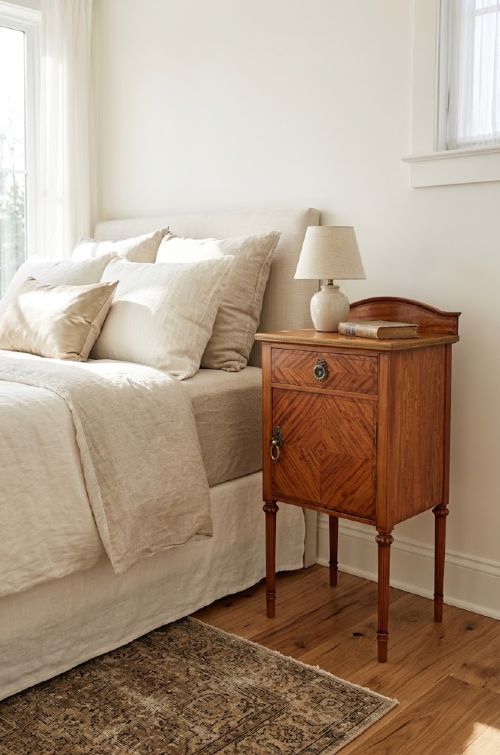
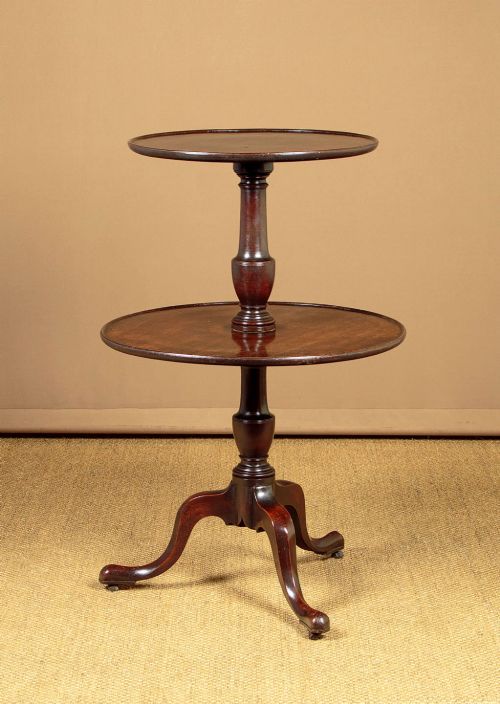
An antique English side table appears in domestic interiors across the 17th, 18th, and 19th centuries, fulfilling practical duties in halls, parlours, and bedrooms. The selection includes console tables, lowboys, lamp tables, and drop-leaf pembroke forms suited to versatile placement.
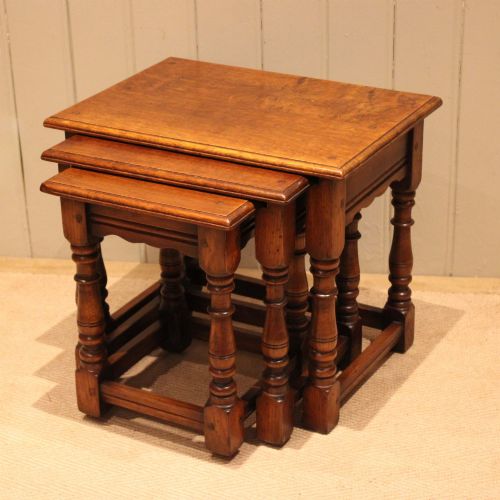
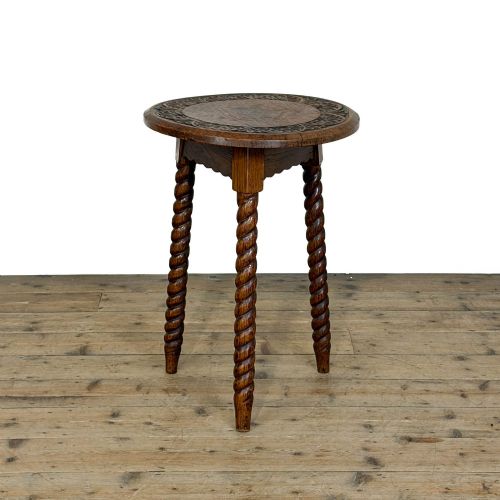
Early examples display solid oak construction from the 17th century, featuring turned bobbin legs and joined frames. Later Georgian and Regency pieces favour mahogany, satinwood, and sophisticated drawer configurations, while Victorian and Edwardian periods introduce painted pine, walnut, and occasional formats.
Materials and Technique
Cabinetmakers utilised native timbers such as oak, elm, and pine alongside imported hardwoods including mahogany and satinwood. Joinery relied on traditional methods, incorporating hand-cut dovetails for drawers and pegged joints for earlier frames.
Surface treatments varied from waxed polish and string inlay to original painted finishes and ebonised detailing. Decorative elements included brass drop handles, cast iron supports, and turned structural components.
Retail Price Guide 2026
Typical UK retail prices for english side table, calculated from the Sellingantiques database of over a million retail prices indexed since 2003. This retail price guide relies exclusively on Sellingantiques data; no external sources or auction records are used, so the figures do not describe the wider market.
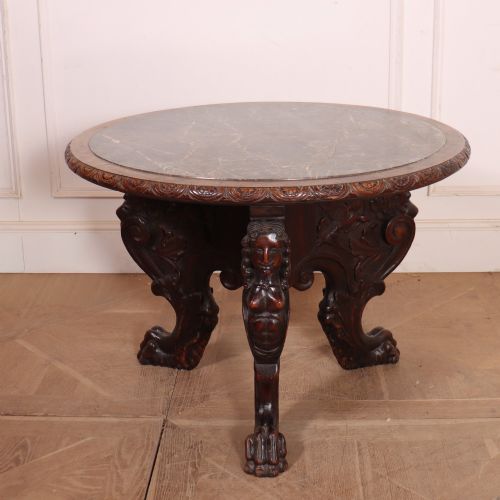
Cast iron dolphins occasionally hold up nineteenth-century tops, proving that maritime whimsy found a firm footing in Victorian parlours.
Craftsmanship and Proportion
The standard of a piece rests on the selection of timber, visible in the grain figure of mahogany, walnut, or burr veneers. Superior examples maintain crisp carving, tight joints, and original hardware.
Proportion and integrity dictate value, with untouched surfaces and original painted finishes holding greater distinction than heavily restored or altered equivalents.
Godwin
The Antique English Side Table Glossary
- Lowboy
- A small table with one or more drawers, originating in the late 17th century and commonly used as a dressing or side table. These low-standing pieces often feature cabriole or straight legs.
- Pembroke table
- A small table with hinged drop leaves on either side, popular during the 18th and 19th centuries. They provide flexible surface area for tea or writing.
- String inlay
- A narrow line of contrasting wood or light-coloured material set flush into the surface of a panel or leg. This decorative technique defines Georgian and Regency furniture.
- Bobbin leg
- A turned furniture leg shaped to resemble a series of bobbins or spools stacked end to end. This turning style is typical of 17th-century joined oak furniture.
- Serpentine top
- A table top with a curved edge that undulates outward at the centre and inward at the sides. This contour requires precise carpentry to execute.
Frequently Asked Questions
Where were side tables placed?
These tables stood against walls in hallways, drawing rooms, and bedchambers to hold lamps, correspondence, or decorative objects.
Their compact footprints allowed them to occupy narrow passages and corners without obstructing movement.
How do I date an oak table?
Seventeenth-century pieces typically display pegged frame construction, hand-split oak boards, and turned supports like bobbin legs.
Later iterations incorporate standardised timber dimensions and machine-sawn components indicative of industrial production.
What is a pembroke table used for?
The drop leaves allow the surface to expand when needed for writing, dining, or serving afternoon tea.
Lowered leaves keep the furniture tucked against a wall during daily use.
Are painted finishes original?
Many pine and country pieces retain early or original painted surfaces applied to protect and finish softer timbers.
Surface wear, craquelure, and pigment composition help distinguish period paintwork from later decoration.