

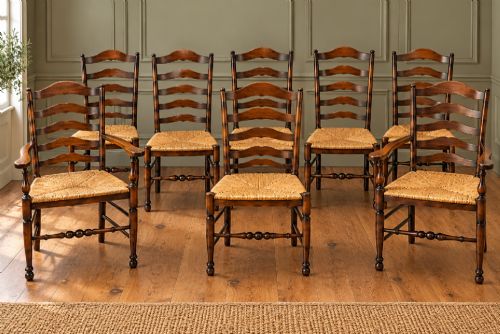
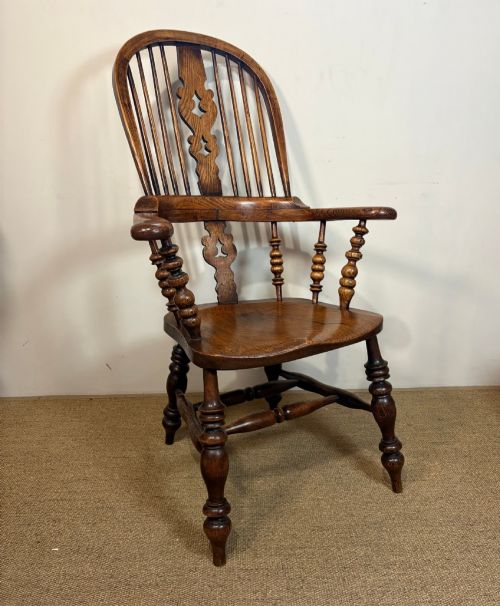
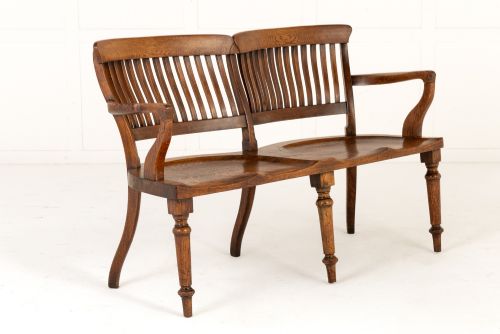
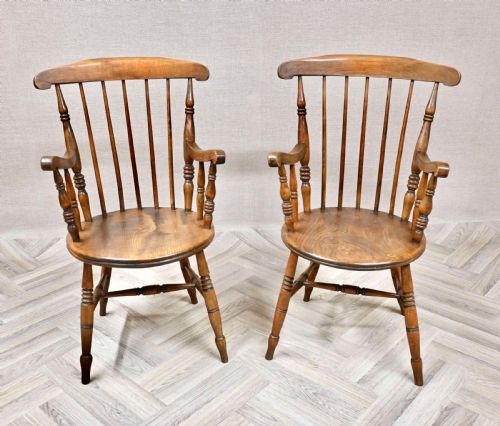
Antique English Oak Chair
When you handle an antique english oak chair, you touch grain seasoned across centuries of panel-making, jointing and domestic use.
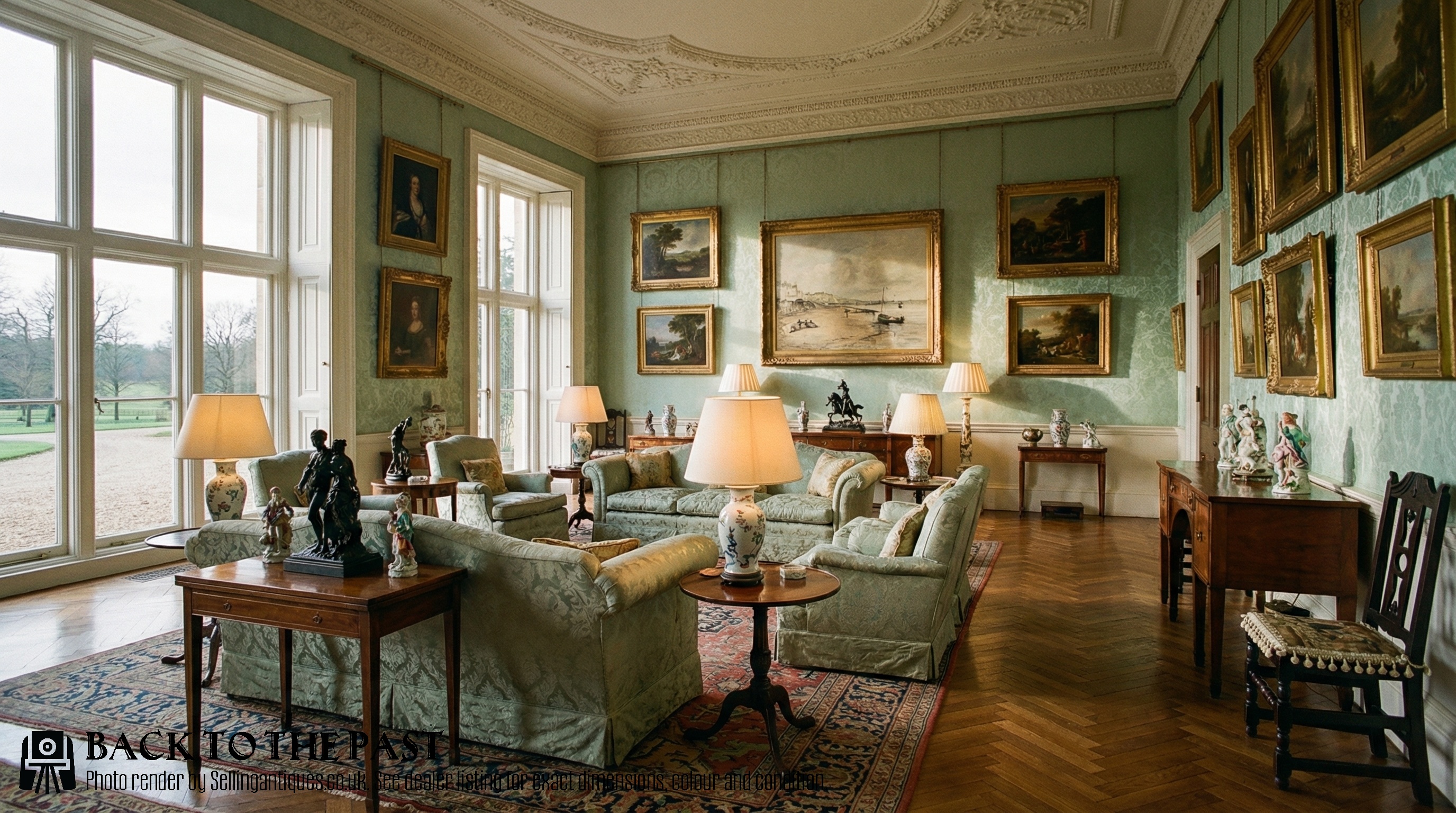
Antique English Oak Chair
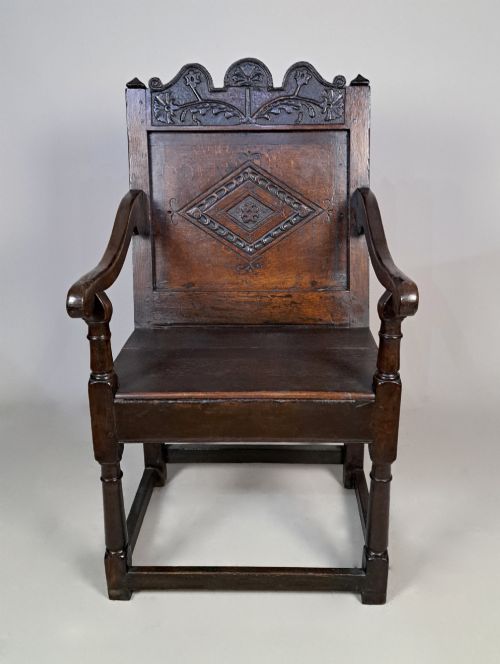
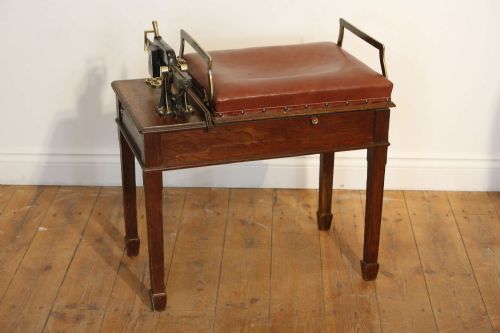
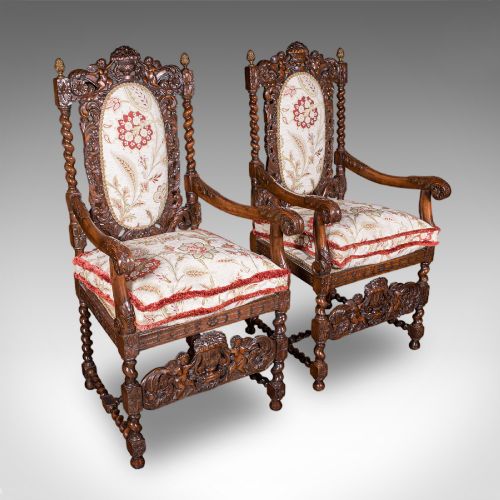
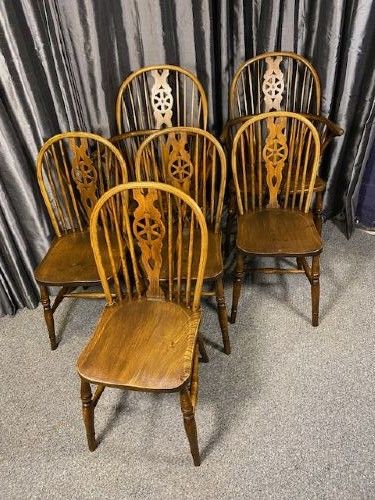
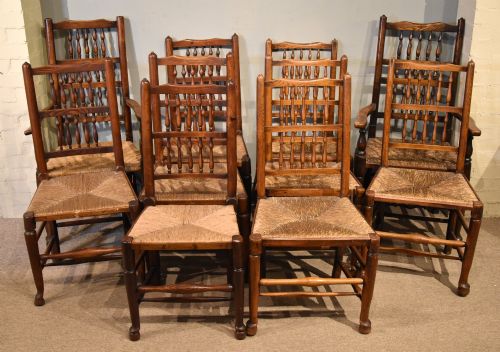
An antique english oak chair spans centuries of domestic seating, running from solid boarded wainscot forms of the seventeen hundreds down to lighter Edwardian office swivels and country dining sets. When exploring this phrase, expect to find heavy regional armchairs, tall-backed dining seats, low-slung Windsor styles, and hall furniture.
The material dictates the character, showing tight medullary rays in quarter-sawn timber alongside the softer elm, ash or beech used for spindles and seats in country kitchen variations. These pieces served halls, parlours, farmhouses and studies, evolving from rigid joined timber to comfortable scooped seats and upholstered revolving desk chairs.
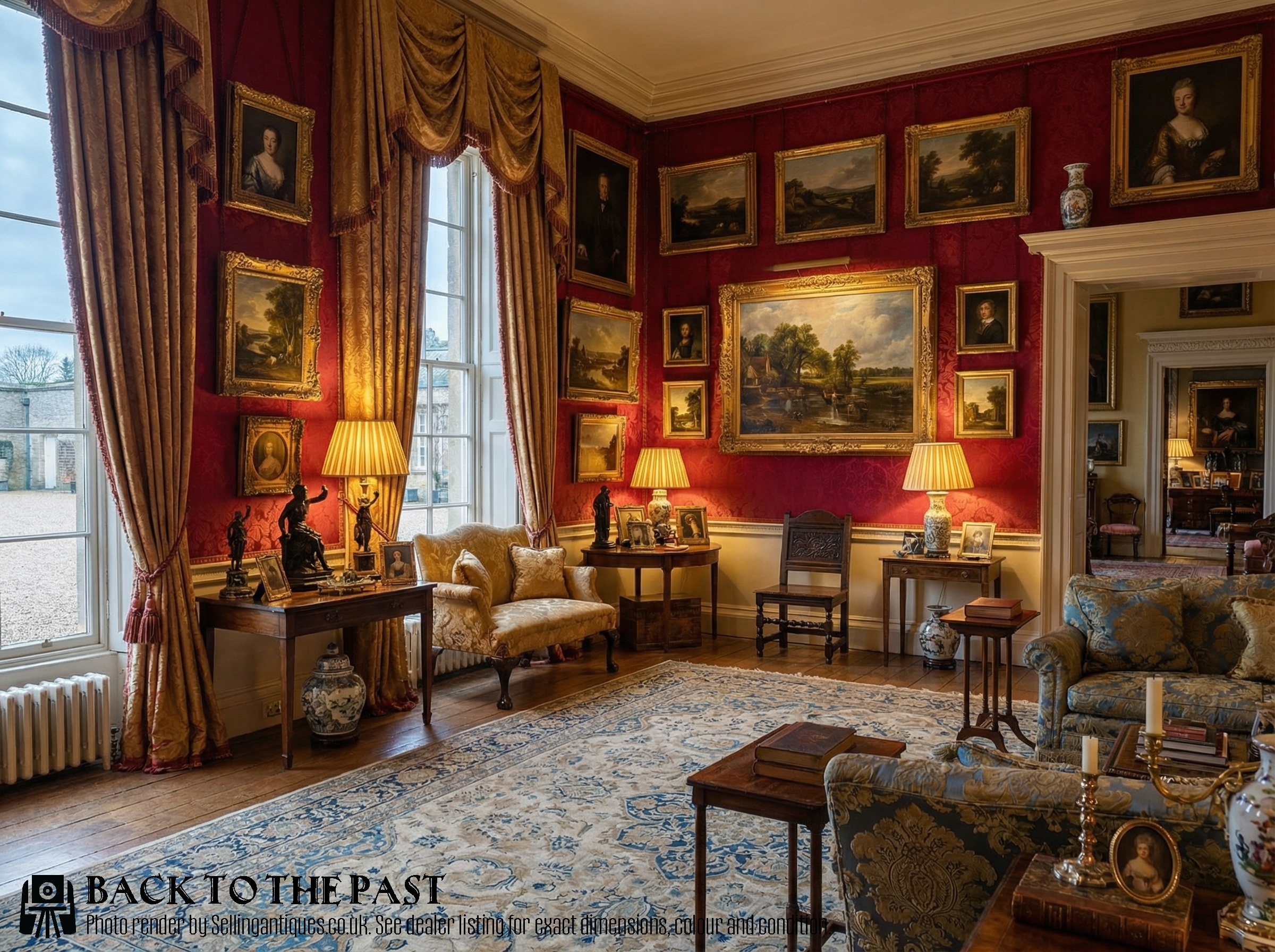
How they were made
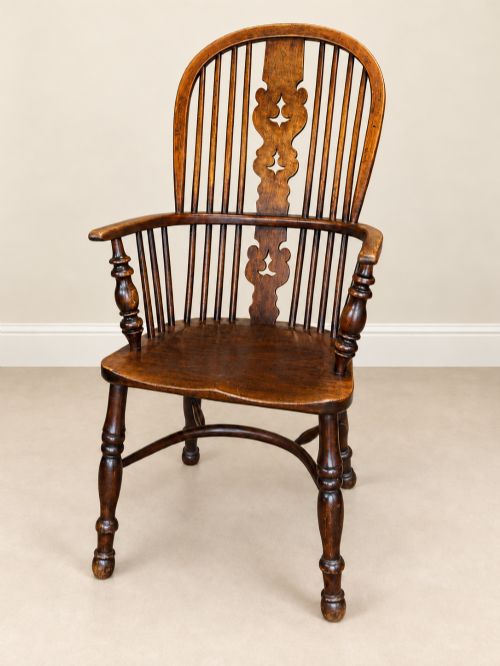
Early seating relies on heavy joined construction using pegged mortise and tenon joints, creating rigid frames from quarter-sawn timber that resists warping. Country versions combine turned legs of ash or beech with solid elm seats and steam-bent oak or fruitwood hoops.
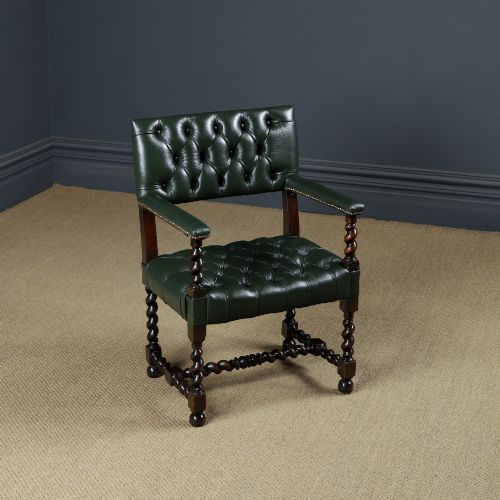
Later Edwardian desk chairs utilise bentwood techniques and mechanical swivel ironmongery alongside supple leather upholstery fixed with brass studs.
Antique English Oak Chair Retail Price Guide 2026
Typical asking prices for english oak chair among the pieces listed under this phrase on Sellingantiques today, from the lower quarter to the upper quarter. They describe what is for sale here now, not the wider market.
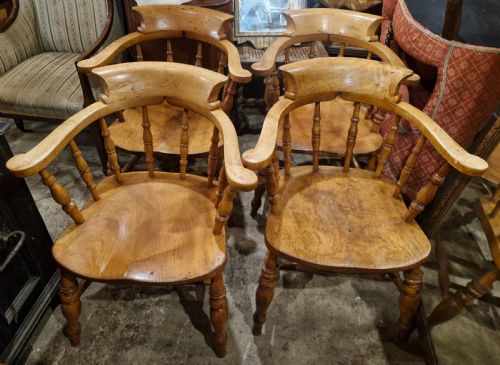
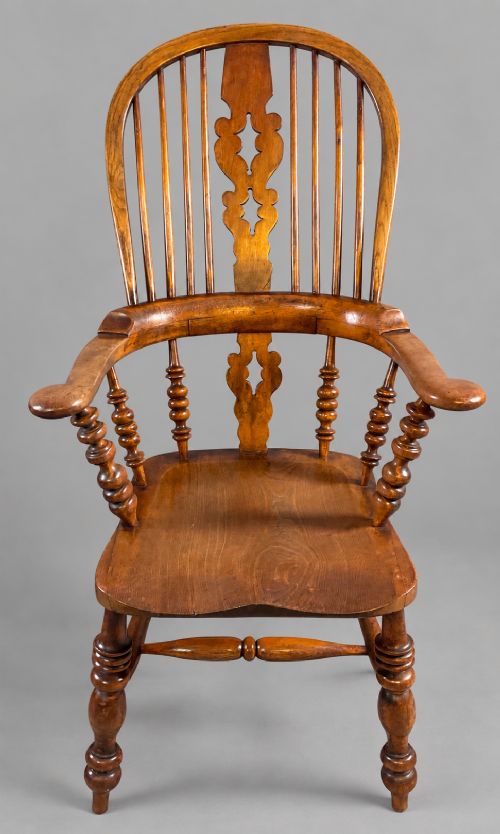
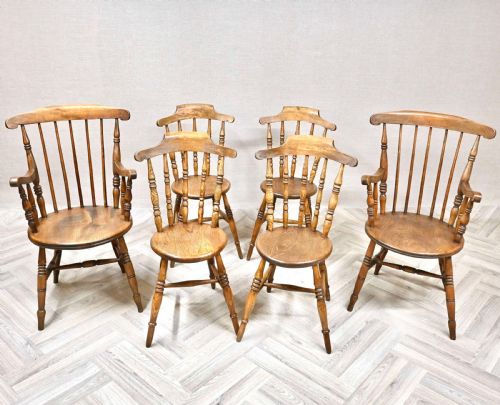
Some nineteenth-century smokers bow chairs retain deep saddle wear from generations of uninterrupted sitting in country house corners.
What varies in quality
Quality rests in the selection of timber and the integrity of the original construction, distinguishing heavy quarter-sawn boards displaying strong medullary rays from utility replacements. Original surface patination, untouched pegged joints and crispness in carved crest rails or panel backs separate high-status examples from ordinary domestic output.
In vernacular Windsor forms, balance in the turning of spindles, the depth of the saddle seat and the harmony of the bentwood hoop dictate desirability, while commercial desk chairs depend upon smooth revolving mechanisms and intact leather panels.
Lethaby·Bell Barn Furniture·William Birchcraft·Howard & Sons
The Antique English Oak Chair Glossary
- Wainscot
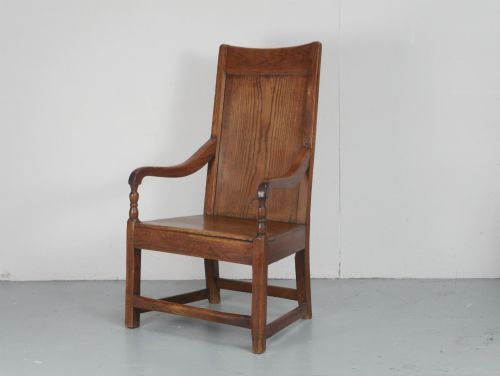
- A heavy wooden armchair constructed with panelled backboards and joined framing, typical of seventeenth-century domestic interiors.
- Windsor
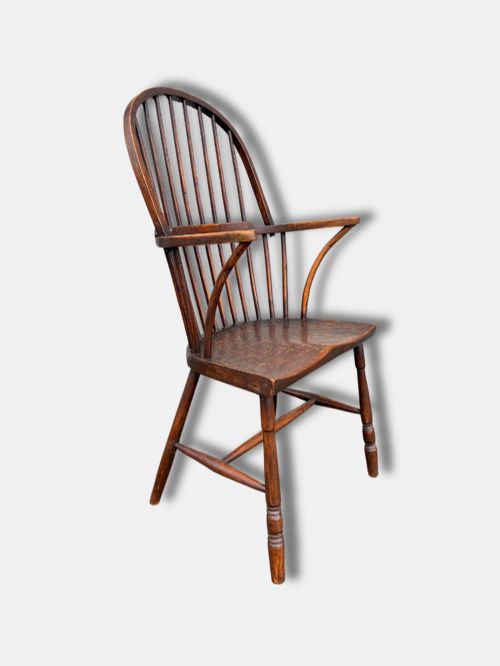
- A traditional seating form featuring a solid wooden saddle seat into which turned legs and a spindle or hoop back are wedged directly.
- Medullary ray
- The distinct ribbon-like flecks visible in quarter-sawn oak that indicate radial cutting through the growth rings.
- Bobbin turned
- A decorative woodturning style resembling a string of rounded beads or spools, popular on seventeenth-century legs and stretchers.
- Smokers bow
- A sturdy, low-backed Windsor elbow chair commonly found in nineteenth-century provincial settings and parlours.
Antique English Oak Chair: Frequently Asked Questions
How do I date an early oak chair?
Dating relies upon construction methods such as hand-pegged mortise and tenon joints, tool marks left by pit saws, and the evolution of panel styles from plain rectangular boards to carved cresting.
Secondary woods, nail types and the depth of surface patination accumulated through generations of polishing also help establish the era of manufacture.
What is a wainscot chair?
A wainscot chair is a heavy, formal armchair built from solid timber with a panelled wooden back, originating in the period before upholstered seating became common in domestic homes.
These pieces feature sturdy armrests, box frames, and low seats designed to sit near hearths where solid oak panels blocked draughts.
Are Windsor chairs comfortable?
Windsor chairs achieve comfort through a deeply sculpted solid wooden saddle seat paired with a supportive steam-bent hoop and raked spindle back.
The ergonomic shaping distributes weight across the elm or hardwood seat without requiring deep cushioning.
How do I care for antique oak furniture?
Maintain antique oak by placing pieces away from direct heat sources and sudden humidity shifts that cause timber to split or joints to loosen.
Apply traditional beeswax sparingly and buff gently with a soft cloth to preserve the natural lustre and historical surface patination.