




Charles II Side Chair
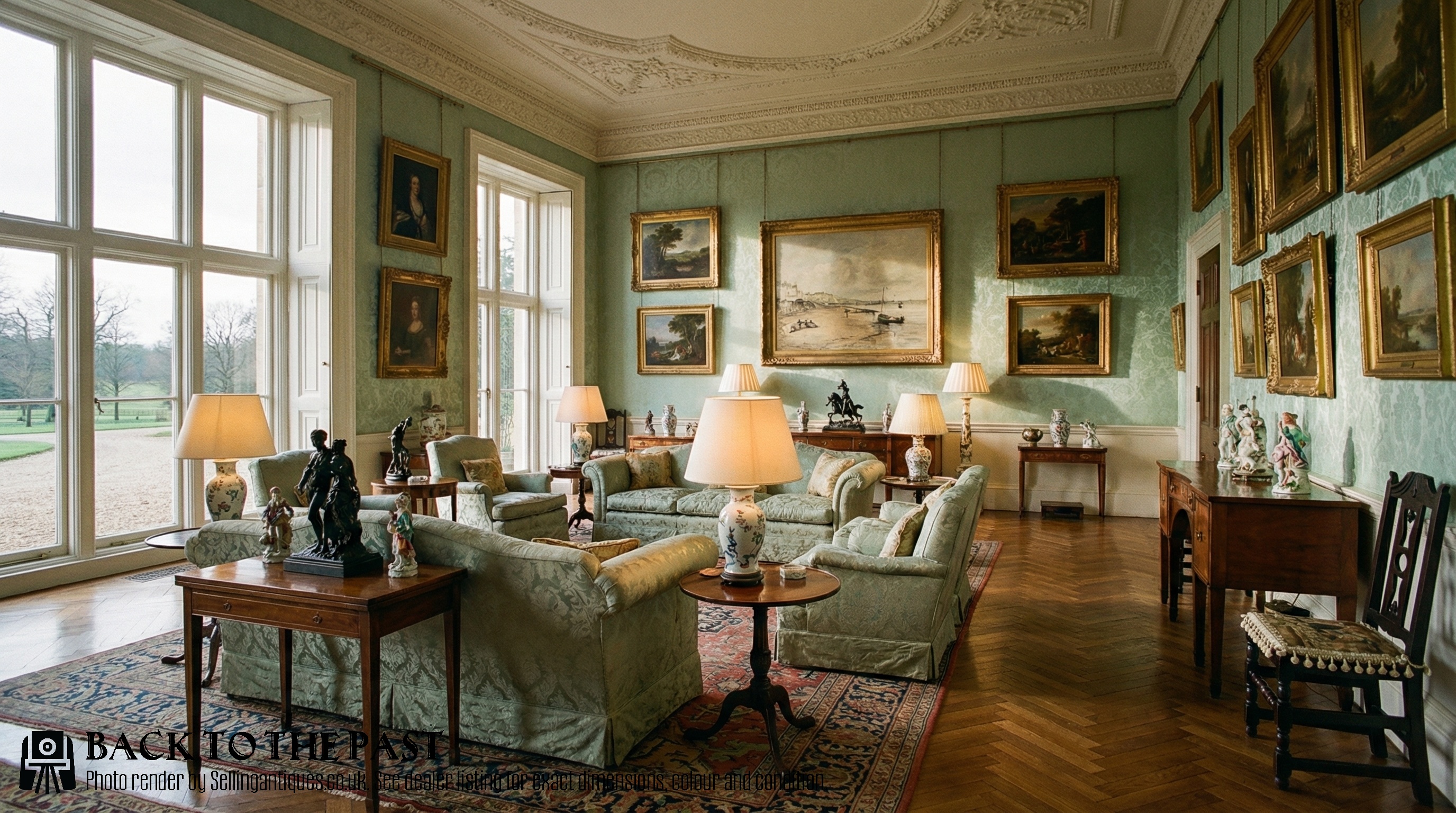
A charles ii side chair brings substantial seventeenth-century timber and turned uprights straight into a modern room.
Charles II Side Chair
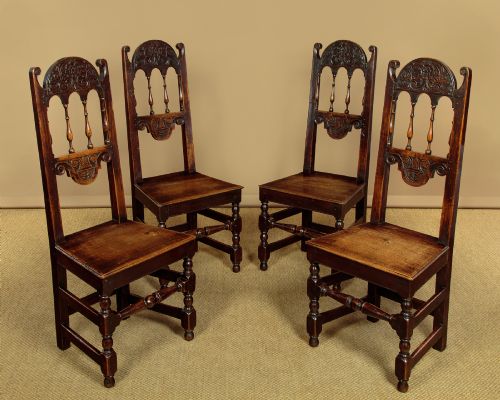
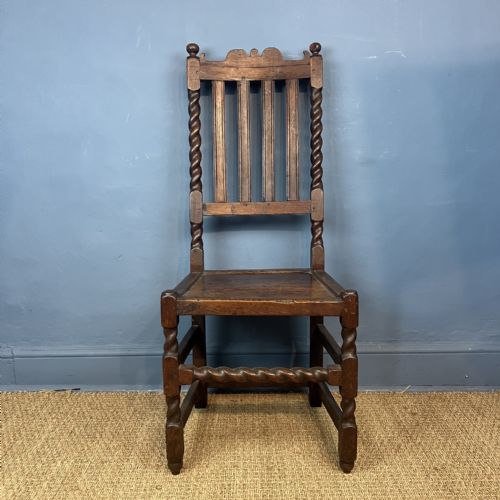
When you search for a charles ii side chair, you encounter sturdy seating rooted primarily in the seventeenth century, alongside later revival pieces. These forms span oak backstools, walnut dining chairs, and hall seating featuring carved woodwork and upright proportions.
The version you meet most often on this page is the seventeenth-century oak side chair or regional backstool, frequently originating from Yorkshire, Derbyshire, or Lancashire. Walnut variants and later nineteenth-century revivals also appear among the selections.
Regional vernacular pieces demonstrate distinct local turning and carving traditions, distinguishing them from metropolitan walnut examples. Whether designated as side chairs, dining chairs, or hall chairs, these pieces share robust upright framing designed for period interiors.
What varies in quality
The standard of carving and turning distinguishes the finest examples from simpler vernacular work. Crisp depth in the floral and geometric relief carving demonstrates superior craftsmanship by the original joiner.
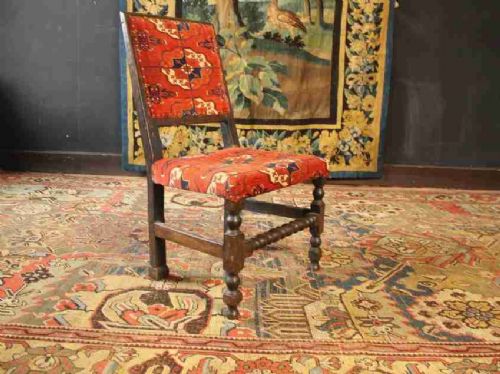
Integrity of the timber and the retention of original framing elements dictate the standing of a piece. Original caning, period upholstery materials, and untouched surface patination elevate a chair above heavily restored or later revival counterparts.
Charles II Side Chair Retail Price Guide 2026
Typical asking prices for charles ii side chair among the pieces listed under this phrase on Sellingantiques today, from the lower quarter to the upper quarter. They describe what is for sale here now, not the wider market.
Listings feature oak, walnut, and beech timbers combined with cane, tapestry, and brass across seventeenth-century and nineteenth-century periods.
The Charles II Side Chair Glossary
- Backstool
- An early term for a chair without arms, essentially a stool fitted with a supportive backrest. These form a major portion of seventeenth-century regional seating.
- Joint stool
- A piece of domestic furniture built with pegged mortise and tenon joints rather than turned legs alone. This technique provided the structural foundation for many early chairs.
- Carolean
- Pertaining to the reign of King Charles II, spanning from 1660 to 1685. The style embraces exuberant carving, twist turning, and sophisticated use of walnut.
- Cane
- Strips of rattan woven into an open mesh pattern for seat panels and backrests. It gained popularity during the late seventeenth century for its lightweight durability.
- Splat
- The vertical wooden strip running up the centre of a chair back. Regional chairs often decorated these elements with distinct local carving patterns.
Charles II Side Chair: Frequently Asked Questions
What is a backstool?
A backstool is simply an early term for an armless chair, essentially a stool with a timber back attached. In seventeenth-century inventories, this distinction separated seated furniture without arms from grander armchairs.
These pieces served everyday seating functions around the dining table or hall. Their straightforward upright construction made them durable for daily use in period households.
How do I spot a revival chair?
Nineteenth-century revival pieces emulate seventeenth-century forms using period styles like Jacobean or Carolean. Examining the timber seasoning, tool marks, and construction wear helps reveal whether a chair dates to the 1600s or the 1800s.
Revival chairs often feature machine-sawn elements or standardised turning that differs from hand-riven seventeenth-century stock. Comparing the patination and joint tightness aids in identifying the true era of manufacture.
Where were regional chairs made?
Regional seventeenth-century chairs frequently originate from northern English counties such as Yorkshire, Derbyshire, and Lancashire. Local joiners developed distinct vernacular styles featuring characteristic back splats and geometric cresting.
These rural workshops adapted metropolitan fashions into sturdier local interpretations utilising native oak. Consequently, surviving pieces carry specific regional traits that identify their geographical roots.
Can I use these chairs daily?
Solid oak and walnut construction gives these seventeenth-century and revival chairs remarkable structural resilience. Many examples remain entirely suitable for careful everyday use in modern dining rooms or hallways.
Assessing the joint stability and weight capacity of each individual chair ensures safe daily habitation. Placing them away from direct heat sources protects the antique timber and any surviving cane work.
What distinguishes oak from walnut?
Oak was the dominant timber for English vernacular furniture throughout the seventeenth century, offering heavy durability and distinct grain patterns. Walnut emerged more prominently during the Carolean period for fashionable metropolitan seating.
Walnut allowed for sharper, more intricate carving and twist turnings due to its finer grain structure. Oak chairs generally presented a more rustic, substantial appearance compared to refined walnut counterparts.