




Restoration Period Chair
A restoration period chair brings centuries of timber and craftsmanship into a room, offering the structured lines of seventeenth-century seating or nineteenth-century French design.
Restoration Period Chair
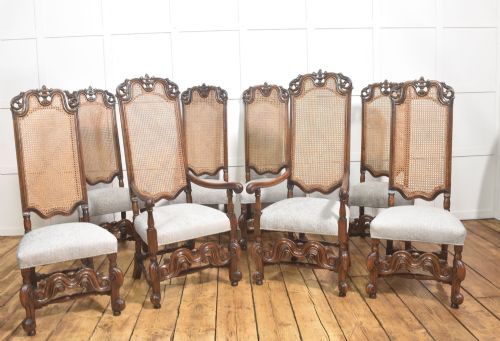
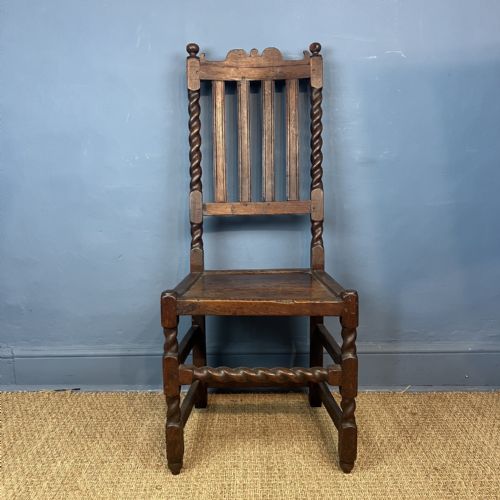
A restoration period chair spans multiple centuries of furniture making, focusing heavily on seventeenth-century English styles alongside nineteenth-century continental examples. Buyers searching for a restoration period chair encounter seventeenth-century walnut and oak forms, including Carolean models and later revivals from the nineteenth and early twentieth centuries.
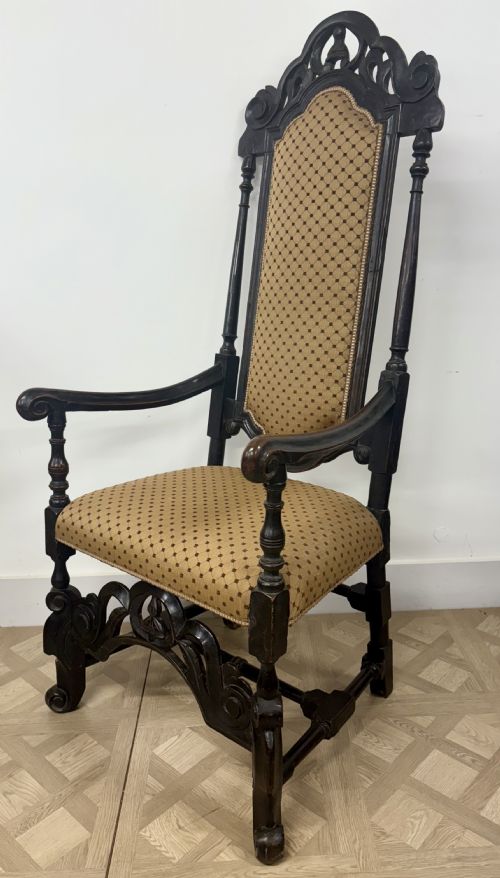
The selection includes armchairs, side chairs, and dining chairs originating from distinct eras of stylistic change. Many pieces date from the late seventeenth century, utilising traditional construction methods associated with the reign of Charles II.
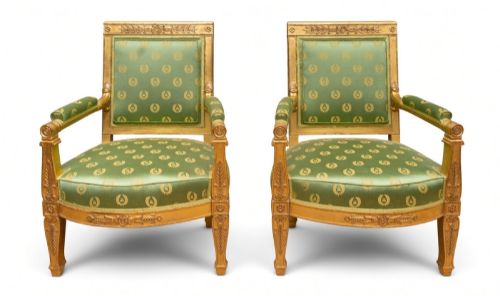
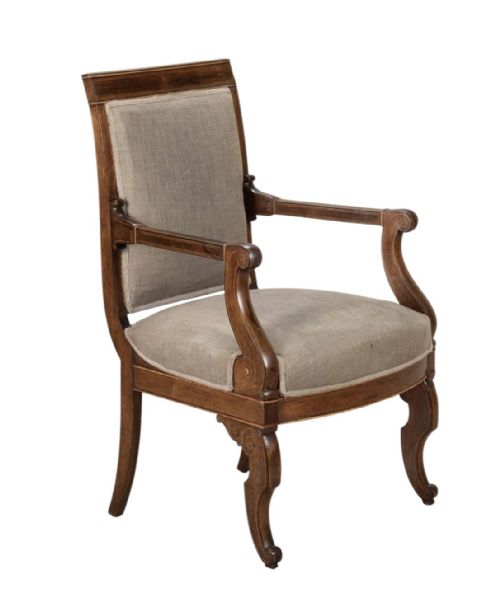
Alongside English examples, the inventory contains continental pieces from the French Restauration and Charles X periods. These incorporate materials like rosewood and giltwood, expanding the definition beyond standard English seventeenth-century seating.
How they were made
Timbers such as walnut, oak, laburnum, and beech form the structural framework of these chairs. Woodworkers shaped these dense hardwoods using hand tools, creating turned legs, stretchers, and carved crest rails.
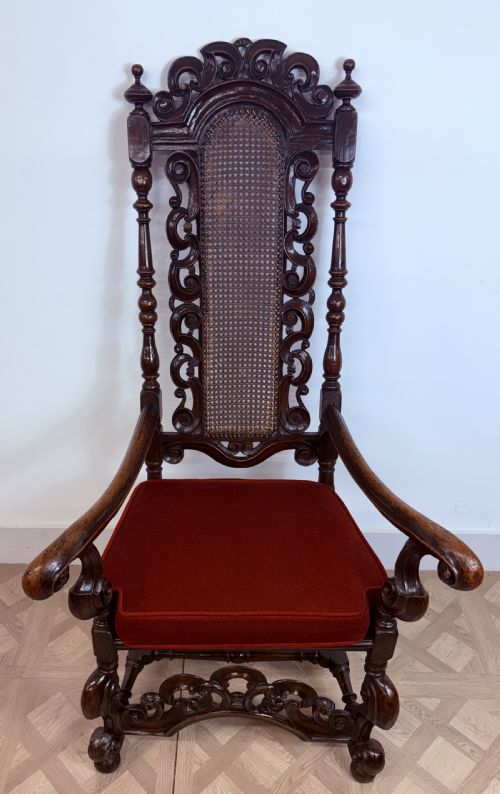
Cane panels frequently appear in the backs and seats of seventeenth-century chairs, woven tightly through drilled frames. Upholstery materials like velvet, linen, and textile are also integrated into later nineteenth-century designs.
Brass elements and giltwood finishes appear on specific continental pieces, highlighting the decorative techniques applied during the early nineteenth century.
What varies in quality
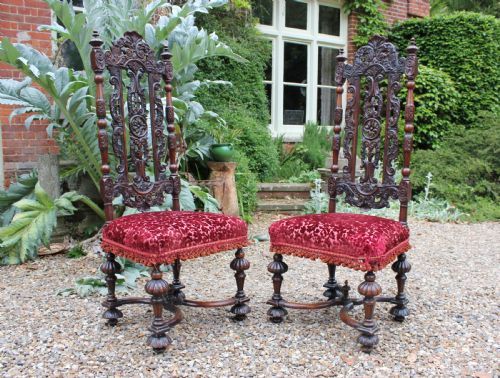
The integrity of the timber framing and the crispness of carved details distinguish different examples within the range. Carolean and Baroque ornaments display varying depths of relief, where sharper chisel work indicates superior workshop execution.
Originality of components such as cane panels, stretchers, and surface finishes determines the historical standing of each chair. Alterations over centuries alter the uniformity of the timber and the balance of the original design.
Jacob Desmalter
The Restoration Period Chair Glossary
- Carolean
- Pertaining to the reign of Charles II, characterised by rich walnut framing, elaborate scrollwork, and crown motifs. This style heavily influences late seventeenth-century seating design.
- Cane
- Woven rattan material used for chair backs and seats. It provides flexibility and a lightweight contrast to heavy timber frames.
- Fauteuil
- An open-armed upholstered armchair of French origin. These pieces typically feature exposed wooden frames and padded armrests.
- Stretcher
- A horizontal wooden rod connecting the legs of a chair for stability. Seventeenth-century examples often place these low between the legs.
- Baroque
- An artistic style marked by exuberant ornamentation, dramatic curves, and grand proportions. In seating, this translates to robust walnut construction and dynamic carved details.
Restoration Period Chair: Frequently Asked Questions
How do I date a restoration period chair?
Dating relies on examining the timber species, joinery methods, and decorative motifs such as scrollwork or crown carvings. Seventeenth-century pieces typically show pegged mortise and tenon joints in oak or walnut.
Later nineteenth-century revivals often incorporate machine-cut elements or softer secondary timbers alongside period stylistic copies. Comparing the wear patterns to the declared era helps confirm the likely age of the chair.
Where should I place a restoration period chair at home?
These chairs function well as accent seating in studies, hallways, or living rooms where their timber frames remain visible. Armchairs and elbow chairs suit corners or desk spaces, while side chairs fit neatly against walls.
Keeping them away from direct heat sources protects vulnerable elements like dried walnut, cane, and historic upholstery textiles from splitting.
What is the difference between English and French restoration chairs?
English seventeenth-century chairs focus on dark hardwoods like oak and walnut, featuring high cane backs and carved structural stretchers. They reflect the Carolean aesthetic associated with the restoration of the monarchy.
French pieces from the nineteenth century display softer lines, utilising materials such as rosewood and giltwood within Restauration and Charles X designs. These continental chairs prioritize upholstered comfort and smooth wood finishes over deep relief carving.
Can I use these chairs for daily dining?
Dining chairs within this category, including set arrangements from the early twentieth-century revival period, are built to support regular seating use. Seventeenth-century single chairs require more cautious handling due to the age of the timber and woven cane.
Assessing the structural stability of the frame and stretchers is essential before designating any antique chair for daily dining room service.