



Seventeenth Century Seat
A seventeenth century seat brings heavy timber and robust joinery into a room, offering genuine historical weight alongside functional seating.
Seventeenth Century Seat
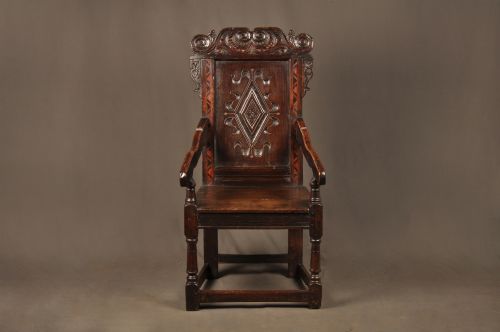
A seventeenth century seat encompasses robust forms like wainscot chairs, box settles, side chairs, and armchairs designed for domestic utility. Buyers examining this category encounter authentic period examples alongside later revival pieces made in the nineteenth and early twentieth centuries.
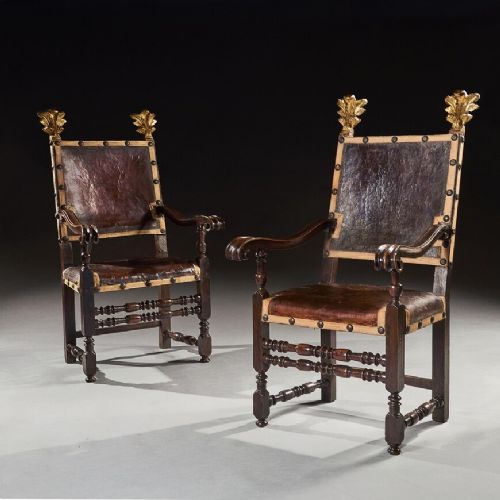
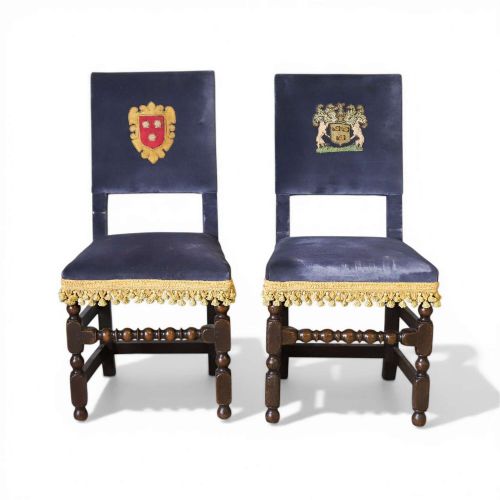
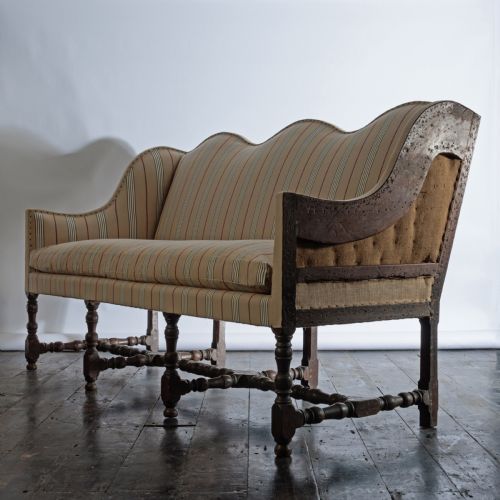
Domestic seating from this era evolved from rigid panel-backed chairs to more open framed structures incorporating cane, leather, and velvet upholstery. These variations illustrate shifting domestic comforts across the seventeenth century and subsequent revival periods.
Assessing quality in early seating
The integrity of the original timber and the extent of surviving original joinery distinguish superior examples from heavily restored pieces. Grain figure, patination acquired through centuries of handling, and the retention of primary construction elements dictate the standing of a chair or settle.
Refinement in carving execution and the balance of proportions separate ambitious regional commissions from utilitarian everyday furniture. The presence of period upholstery materials or correct period replacements adds substantial historical coherence to the piece.
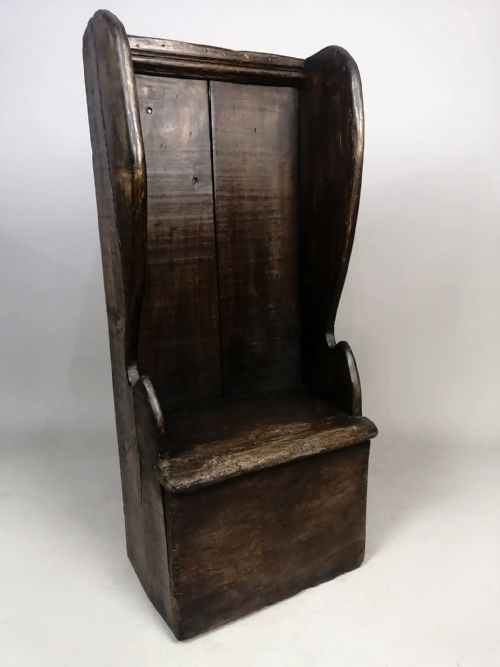
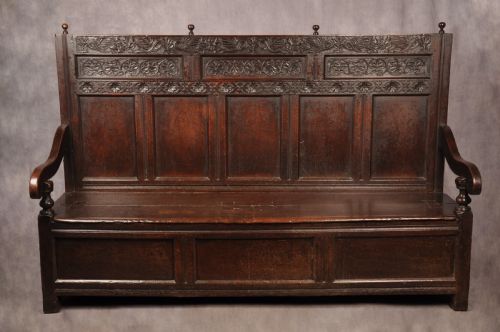
An elm bacon settle waits to catch drips from cured meats stored overhead.
Waring & Gillow
The Seventeenth Century Seat Glossary
- Wainscot chair
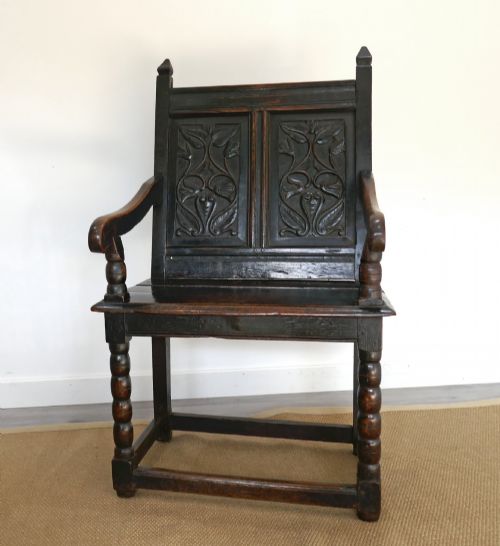
- A heavy wooden armchair constructed with panelled backs and solid wooden seats, typical of seventeenth century domestic interiors. These pieces often display carved ornamentation on the top rail.
- Box settle
- An enclosed wooden bench featuring a high back and a storage compartment concealed beneath the seat. They were placed near firesides to block draughts in large rooms.
- Joint stool
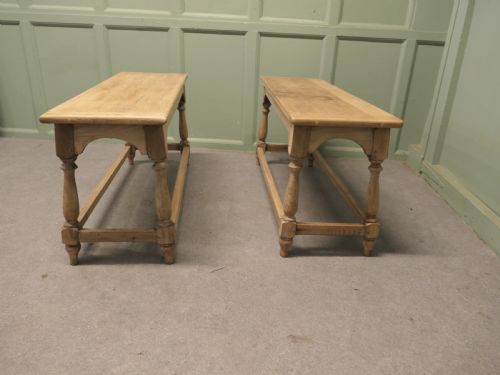
- A low wooden stool built with mortise and tenon joints using sturdy turned legs and stretchers. They served as versatile seating or table supports before chairs became common.
- Parcel-gilt
- A decorative technique where specific carved details or mouldings are partially covered with gold leaf while the surrounding wood remains exposed. This finish appears on high-status Baroque seating.
- Bobbin turned
- A style of furniture leg or stretcher shaped on a lathe into a series of rounded, spool-like spheres. It represents a popular decorative turning method in seventeenth century joinery.
Seventeenth Century Seat: Frequently Asked Questions
What is a wainscot chair?
A wainscot chair is a heavy wooden armchair constructed primarily from oak, featuring a solid panelled back and arms. These chairs were costly status symbols in seventeenth century households.
Over time, the terminology shifted, but the core design remained a sturdy, immovable seat intended for the head of a household or important guests.
How do I spot a revival piece?
Revival pieces from the nineteenth and early twentieth centuries often employ cleaner machine-cut joinery and different interior timber secondary woods. Stylistic cues also point to later dates, such as nineteenth century interpretations of Jacobean or William and Mary designs.
Comparing the patination, tool marks, and wear patterns against known seventeenth century examples helps clarify the true age of the timber frame.
Were these seats comfortable?
Seventeenth century seating was generally upright and rigid, prioritising formal posture and durability over lounging comfort. Most early forms consisted entirely of solid wood without padding.
Later examples introduced leather, velvet, or squab cushions to soften the rigid wooden frames, marking a gradual shift toward domestic comfort in the latter half of the century.
Where were these chairs used?
These chairs and settles occupied the principal rooms of manor houses, farmhouses, and civic halls, often positioned near hearths to guard against cold draughts. Armchairs and wainscot chairs were reserved for senior family members.
Simpler side chairs and joint stools were moved around the hall as needed for dining or gatherings around communal tables.