
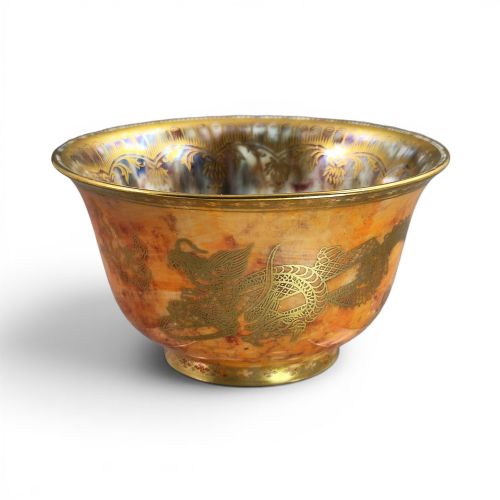


Antique English Lustreware
These pieces of antique english lustreware catch the eye with their metallic sheen, offering a glimpse into centuries of ceramic artistry.
Antique English Lustreware
When searching for antique english lustreware, collectors encounter a diverse array of ceramic objects spanning from the Georgian period through the early twentieth century. The selection centres heavily on jugs, pitchers, decorative bowls, and vases produced in various regional English potteries.
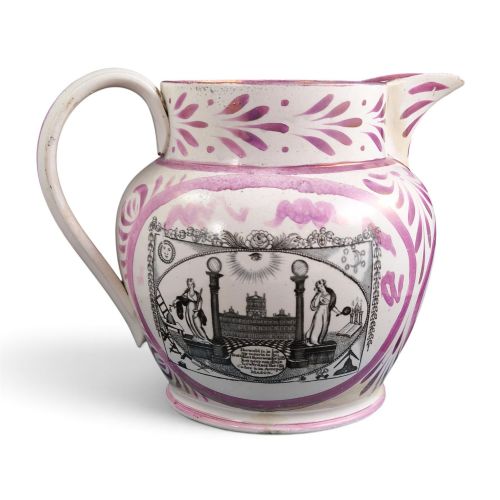
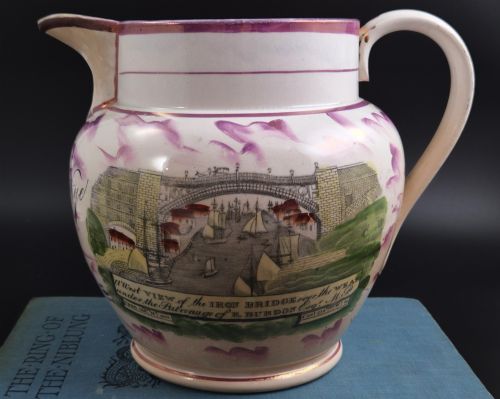
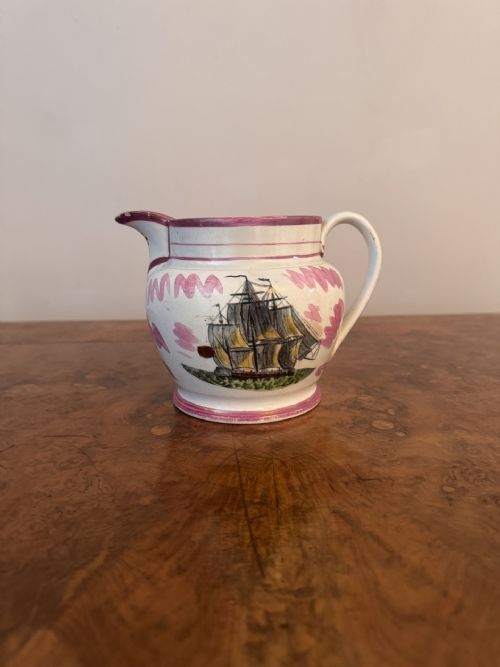
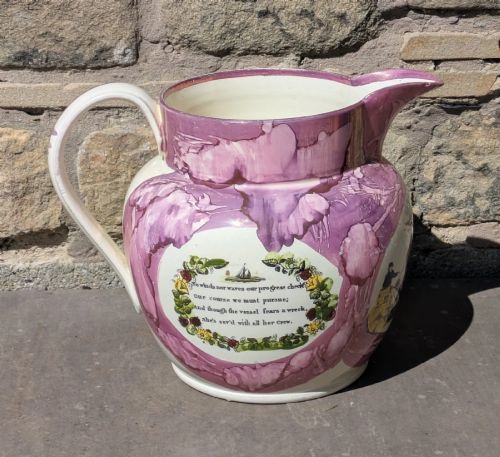
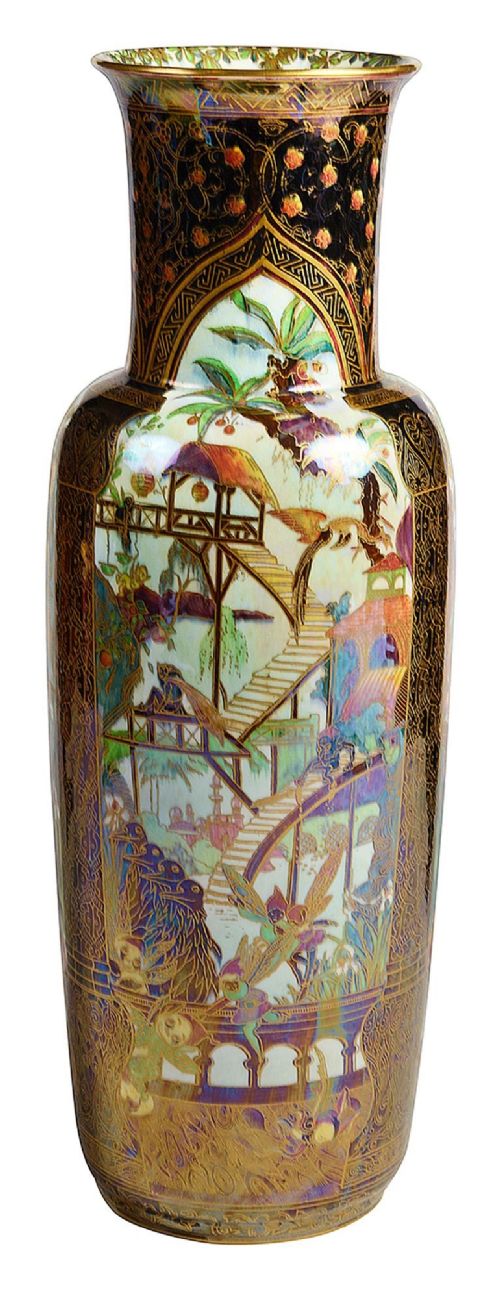
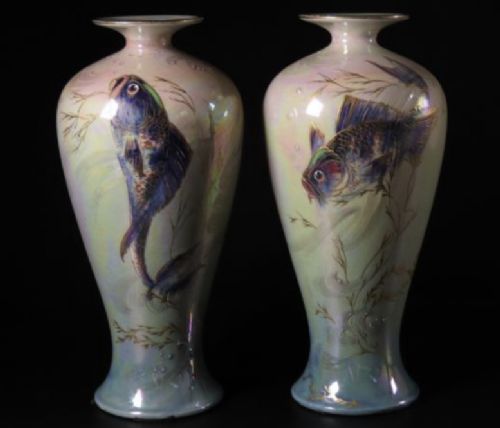
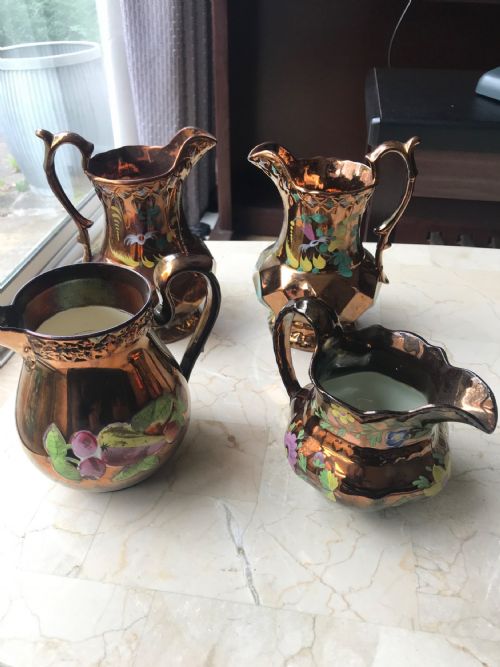
The most common forms on this page include large Sunderland pink splash jugs featuring maritime themes or poetic panels, alongside Staffordshire copper lustre pieces. Later twentieth-century examples shift towards intricate Art Deco and Art Nouveau designs from makers such as Wedgwood.
These items served both decorative and practical domestic functions, from everyday milk and water jugs to elaborate presentation pieces and display bowls. Each era brought distinct shapes and transfer-printed or hand-decorated motifs that define the character of the ware.
Materials and Technique
Potters created the distinctive metallic finish of antique english lustreware by applying metallic oxides, such as copper or silver, onto an earthenware, pearlware, creamware, or bone china body. Firing the pieces in a reducing kiln caused the metal film to precipitate, leaving a brilliant iridescent sheen.
Many items incorporate additional embellishments like enamel paints, gold leaf, and purple or pink transfer decoration alongside the glaze. Techniques evolved from simple pink splash effects and banded copper applications to the elaborate painted fantasies seen on twentieth-century porcelain.
Sailors once toasted safe voyages from bowls boldly bearing the words 'Forget Me Not'.
Evaluating Quality and Execution
The distinction between standard domestic vessels and exceptional pieces of antique english lustreware lies in the clarity of the metallic glaze and the crispness of the transfer printing or hand decoration. Elaborate multi-plate Sunderland prints and detailed hand-painted scenes require superior skill compared to plain banded wares.
Complexity of form and design also dictate the tier of a piece, separating simple utilitarian jugs from large exhibition bowls or artist-designed vases. The depth of the lustre reflection and the preservation of delicate enamel and gold leaf details complete the hierarchy of quality.
Daisy Makeig Jones·Walter Slater·James Hodgkiss·Charlotte Rhead·Livesley Powell And Co
The Antique English Lustreware Glossary
- Lustre Glaze
- A metallic ceramic finish containing copper, silver, or platinum oxides that produces an iridescent, reflective surface upon firing.
- Pink Splash
- A speckled or mottled pink lustre effect often found on Sunderland earthenware, created by flicking oil onto the metallic glaze before firing.
- Pearlware
- A refined earthenware developed in the late eighteenth century with a subtle blue-white glaze, frequently used as a base for lustre decoration.
- Transfer Printing
- A method of applying pre-printed paper designs from an engraved copper plate onto the ceramic surface before glazing and firing.
- Fairyland Lustre
- A complex line of fantasy-themed lustre wares developed during the early twentieth century, known for rich colours and detailed mythical motifs.
Antique English Lustreware: Frequently Asked Questions
How do I identify Sunderland lustre?
Sunderland pieces often feature pink splash decoration combined with transfer-printed maritime scenes, poetic verses, or images of the Iron Bridge over the River Wear. They typically date from the nineteenth century and appear on earthenware bodies.
Examine the handle and interior rim for characteristic pink or purple mottling. Many large jugs and bowls also incorporate Masonic symbols or sailors' farewell verses.
What is copper lustreware?
Copper lustreware refers to ceramic items coated in a metallic glaze that mimics the warm, reddish-brown shine of polished copper. These pieces were widely produced in Staffordshire during the Georgian and Victorian eras.
They frequently feature hand-painted floral bands or applied coloured panels against the dark metallic background. Cream jugs and pitchers are the most common surviving forms of this style.
How should I clean my lustre pottery?
Clean antique lustreware gently using warm water and a mild detergent with a soft cloth. Avoid abrasive sponges or harsh chemicals that can damage the delicate metallic surface.
Lustre glazes can be sensitive to prolonged soaking and harsh cleaning agents. Dry the pieces thoroughly with a lint-free towel after washing.
When was Fairyland lustre made?
Fairyland lustre was produced primarily during the early twentieth century, with designs introduced around the time of the First World War. These vibrant and imaginative patterns were created at the Wedgwood factory.
The range includes bowls, vases, and lanterns decorated with goblins, fairylikes, and mythical creatures. They represent some of the most intricate achievements in twentieth-century ceramics.