



Sunderland Ceramic Pitcher
These sunderland ceramic pitcher pieces are striking earthenware vessels decorated with pink splash lustre, nautical themes, and transfer prints that bring early industrial maritime history directly into your home.
Sunderland Ceramic Pitcher
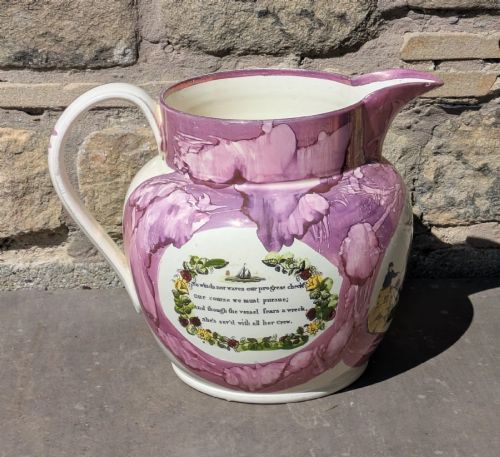
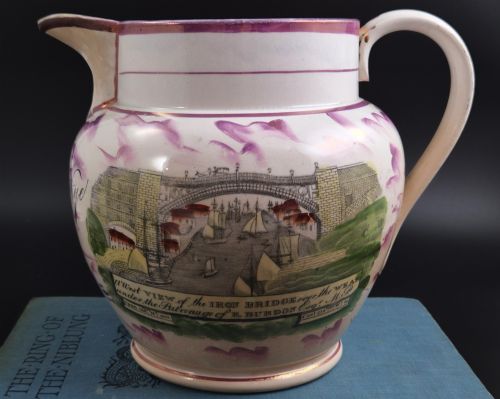
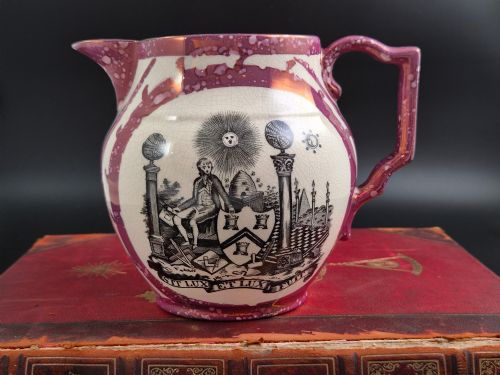
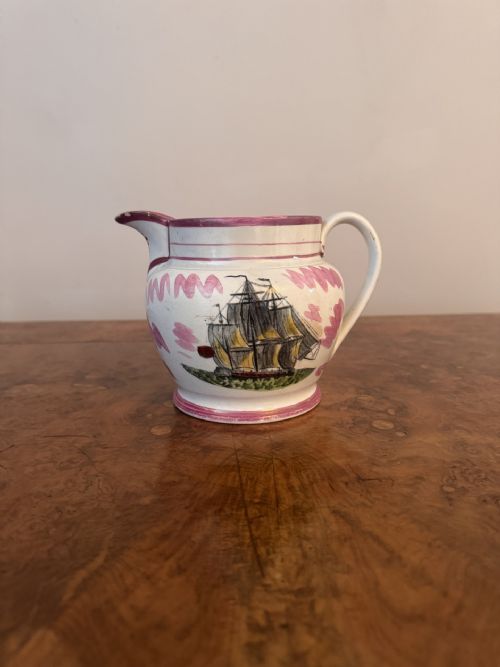
A sunderland ceramic pitcher is a sturdy earthenware jug typically decorated with distinctive pink splash lustre, metallic glazes, and hand-coloured transfer prints. These vessels often celebrate maritime life, featuring motifs such as tall ships, clipper ships, and the famous iron bridge over the River Wear.
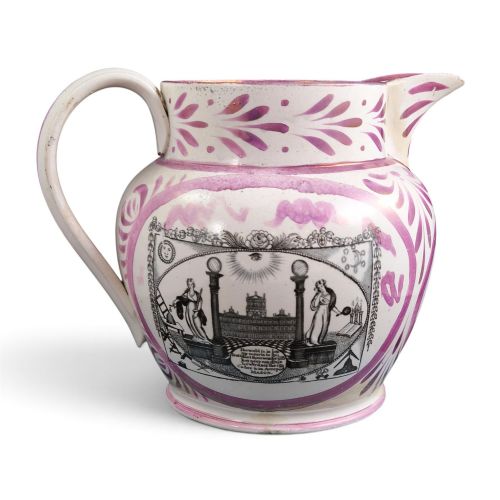
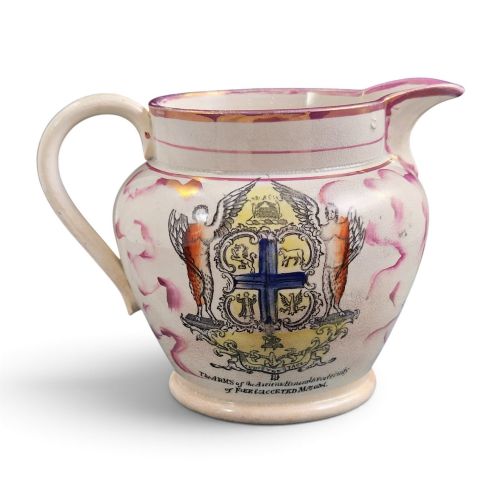
You will most frequently encounter nineteenth-century examples produced during the Georgian and Victorian eras. These range from large commemorative pieces bearing poetic panels and masonic symbols to named and dated domestic jugs.
The forms span simple utilitarian shapes to grand decorative jugs created for sailors, lodges, and local communities. They encapsulate the rich folk art traditions of English pottery from the industrial north.
How they were made
Potters shaped these vessels using earthenware and pearlware bodies, applying metallic glazes and metallic oxides to achieve their signature sheen. The iconic pink splash effect results from droplets of metallic lustre reacting across the white or cream glaze during firing.
Makers applied intricate imagery through transfer printing, then hand-coloured the details with bright enamels. This combination of mechanical print technology and hand painting allowed potteries to produce detailed maritime scenes, verses, and masonic emblems efficiently.
Sunderland Ceramic Pitcher Retail Price Guide 2026
Typical asking prices for sunderland ceramic pitcher among the pieces listed under this phrase on Sellingantiques today, from the lower quarter to the upper quarter. They describe what is for sale here now, not the wider market.
The documented periods span the Georgian and Victorian eras, alongside specific dates from around eighteen hundred to eighteen sixty.
What varies in quality
Quality in a sunderland ceramic pitcher rests on the crispness of the transfer print and the vibrancy of the hand-applied enamel colours. Superior examples display a rich, well-distributed pink splash lustre rather than dull or patchy metallic areas.
The historical significance and clarity of the subject matter elevate certain pieces above standard domestic wares. Jugs featuring specific named individuals, dated inscriptions, or complex multi-print masonic and maritime themes represent the finest output of these potteries.
Garrison Pottery
The Sunderland Ceramic Pitcher Glossary
- Pink lustre
- A metallic glaze technique containing gold or copper that creates a shimmering pink or purple surface. On these jugs, it often appears as a mottled splash pattern.
- Pearlware
- A refined type of earthenware developed in the late eighteenth century featuring a subtle bluish glaze. It served as a smooth canvas for transfer-printed designs.
- Transfer print
- A method of decorating ceramics by transferring an inked engraved design from a copper plate onto paper and then onto the clay body. This allowed for intricate topographical and maritime illustrations.
- Earthenware
- A porous pottery fired at lower temperatures, commonly used for utilitarian and decorative jugs before being glazed and decorated.
Sunderland Ceramic Pitcher: Frequently Asked Questions
What are Sunderland pitchers made from?
These pitchers are constructed from traditional English earthenware and pearlware ceramic bodies. Potters coated these clay bases in white or cream glazes before applying metallic lustre and enamel colours.
The use of metallic oxides created the characteristic pink splash finish that defines the regional style. Artisans then fired the pieces multiple times to fix the prints, enamels, and lustres permanently to the surface.
How were these jugs used originally?
Historic jugs served both practical domestic purposes and ceremonial functions within local communities and fraternal lodges. Many celebrated maritime trades, local landmarks like the Wearmouth Bridge, and seafaring life.
Larger vessels often commemorated specific individuals, sailors, or historic voyages. They frequently appeared in taverns, homes, and masonic meetings as symbols of camaraderie and maritime pride.
How do I date a Sunderland jug?
Dating relies on stylistic clues, ceramic bodies, and occasionally direct inscriptions or dates fired onto the piece. Pearlware bodies and certain transfer print styles typically point towards the Georgian era.
Victorian pieces often feature bolder pink splash lustre and heavier earthenware bodies. Comparing the specific maritime motifs and poetic panels to documented examples helps narrow down the period of manufacture.
How should I display a lustre jug?
Display your pitcher in a stable cabinet away from direct sunlight and high humidity to protect the delicate enamel colours and metallic glaze. Ensure the shelf is secure, as these earthenware vessels are heavy and lack modern durability.
Position the jug so the primary transfer print, such as a clipper ship or masonic emblem, faces outward. Good lighting will catch the metallic pink lustre and bring out the hand-coloured details.