



Pink Splash Lustre
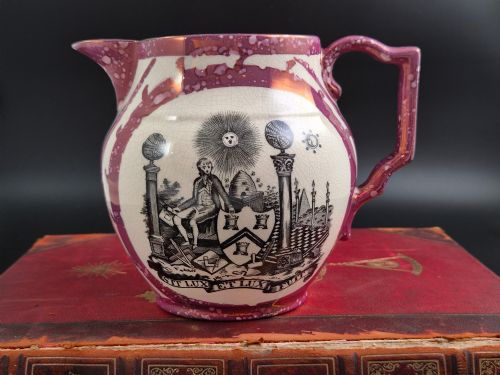
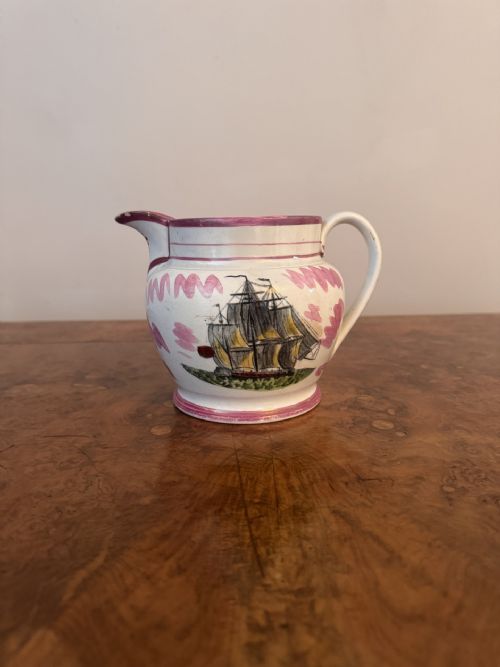
Pink splash lustre pieces are striking earthenware vessels decorated with metallic glazes, offering collectors bold transfer-printed maritime and Masonic scenes.
Pink Splash Lustre
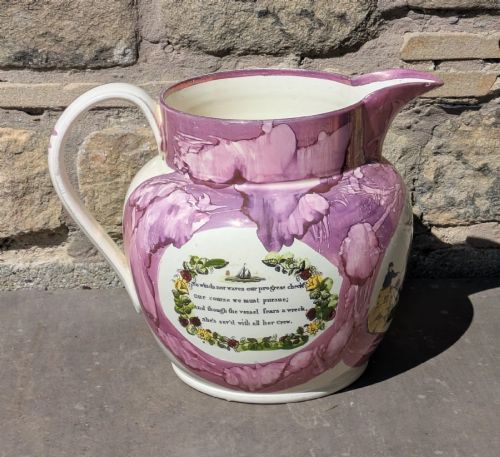
Pink splash lustre pieces comprise earthenware jugs, pitchers, and bowls originating from the nineteenth century, including Georgian and Victorian periods. The selection focuses heavily on decorative jugs featuring nautical themes, tall ships, and poetic panels.
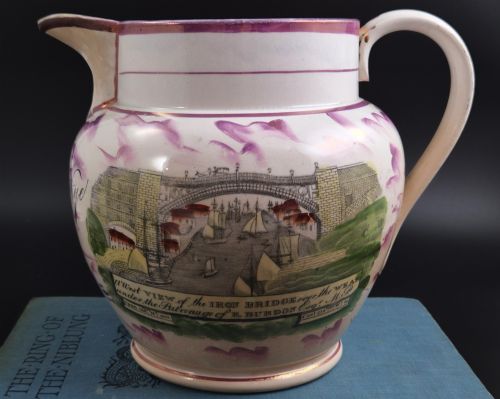
Most examples hail from Sunderland, displaying characteristic mottled pink or purple metallic oxide glazes alongside detailed transfer-printed and hand-coloured vignettes. Buyers will frequently encounter vessels depicting structures like the Iron Bridge over the Wear or classic maritime motifs.
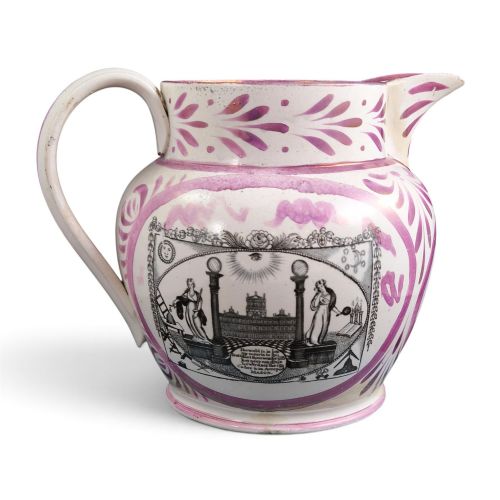
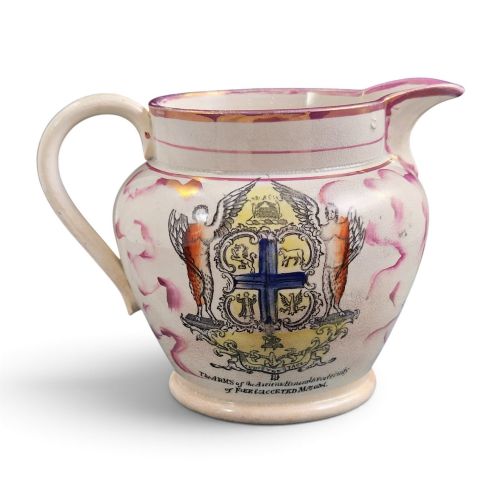
Forms range from standard jugs to large presentation pieces and bowls bearing fraternal emblems such as the Masonic arms or Sailors Arms. These items serve as tangible records of regional English pottery traditions from the 1800s onward.
How they were made
Potters shaped these objects using earthenware and pearlware bodies, which were then fired before receiving applied decoration. Enamel colours and transfer-printed designs were carefully integrated onto the ceramic surface prior to the application of metallic glazes.
The distinctive pink splash effect relies on metallic oxide techniques applied over the glaze to create the mottled, shimmering pattern during the firing process. Artisans often enhanced these printed transfers with hand-painted highlights in vibrant enamel colours.
Pink Splash Lustre Retail Price Guide 2026
Typical asking prices for pink splash lustre among the pieces listed under this phrase on Sellingantiques today, from the lower quarter to the upper quarter. They describe what is for sale here now, not the wider market.
Listings feature earthenware and pearlware pieces spanning the Georgian and Victorian periods, with a strong focus on nineteenth-century Sunderland jugs.
What varies in quality
Quality in pink splash lustre depends significantly on the clarity of the transfer print and the richness of the metallic glaze application. Finer pieces display crisp maritime details and well-defined mottled pink patterns rather than blurred or muddy oxide finishes.
The complexity and scale of the subject matter also distinguish the range, with large jugs featuring multi-panel transfers, poetic verses, or named structures commanding greater visual interest. Superior examples balance vibrant hand-coloured enamel accents with skilled pottery execution.
Sunderland Garrison Pottery
The Pink Splash Lustre Glossary
- Lustre glaze
- A metallic glaze containing gold, silver, or copper oxides that produces a reflective, iridescent surface finish. This technique gives pink splash wares their signature shimmering appearance.
- Pearlware
- A refined earthenware developed in the late eighteenth century featuring a subtle bluish-white glaze. It served as a popular body for early nineteenth-century lustre pottery.
- Metallic oxide
- Chemical compounds used in ceramic decoration to impart colour and metallic sheen under high kiln temperatures. These oxides create the mottled pink splash effect characteristic of Sunderland wares.
- Transfer-printed
- A decoration method where an engraved copper plate transfers a design onto tissue paper, which is then stamped onto the ceramic body. This allowed workshops to produce detailed maritime scenes and Masonic emblems consistently.
Pink Splash Lustre: Frequently Asked Questions
What are pink splash lustre jugs?
Pink splash lustre jugs are nineteenth-century English earthenware vessels decorated with metallic oxide glazes and transfer-printed designs. They typically showcase maritime themes, shipping scenes, and patriotic verses.
Potters produced many of these pieces in Sunderland, incorporating hand-coloured enamels and distinct mottled pink finishes. They remain prized examples of regional folk art and pottery history.
How were these jugs used?
These vessels served functional roles in homes and public houses for pouring liquids during communal gatherings. Large presentation pieces often marked significant personal or maritime milestones.
Many examples functioned as commemorative items for sailors, Masons, and local tradesmen. Their detailed transfer prints also served as decorative storytelling devices.
How do I date a piece?
Dating relies on examining the ceramic body, glaze characteristics, and specific transfer-printed subjects. Pearlware bodies and certain Georgian architectural references point toward earlier nineteenth-century production.
Inscribed dates, named ships, and distinct Victorian styling help narrow the timeframe further. Comparing the vibrancy of the metallic glaze also provides chronological context.
How should I display them?
Display these ceramics in stable locations away from direct sunlight to protect the enamel colours and metallic glazes. Open shelving or glass-front cabinets allow the reflective lustre finishes to catch the light effectively.
Ensure pieces rest securely on flat surfaces due to their weight and historical fragility. Grouping them by form or theme highlights their varied transfer prints.