


Antique English Floor Clock
An antique English floor clock brings centuries of mechanical heritage and presence into a room, offering both reliable timekeeping and architectural dignity.
Antique English Floor Clock
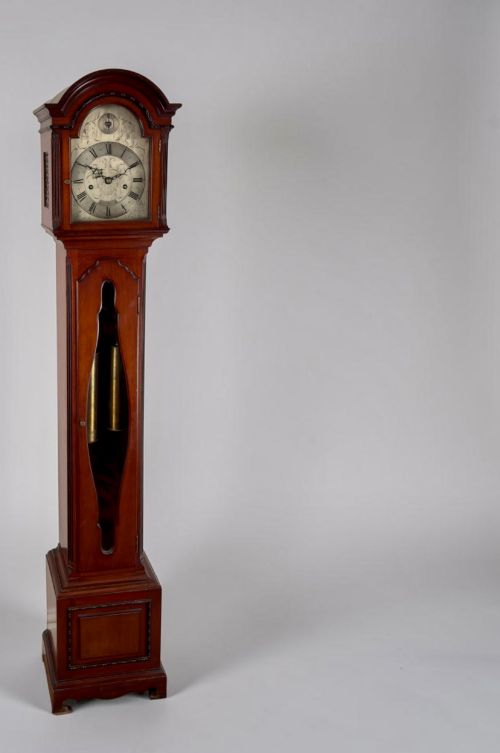
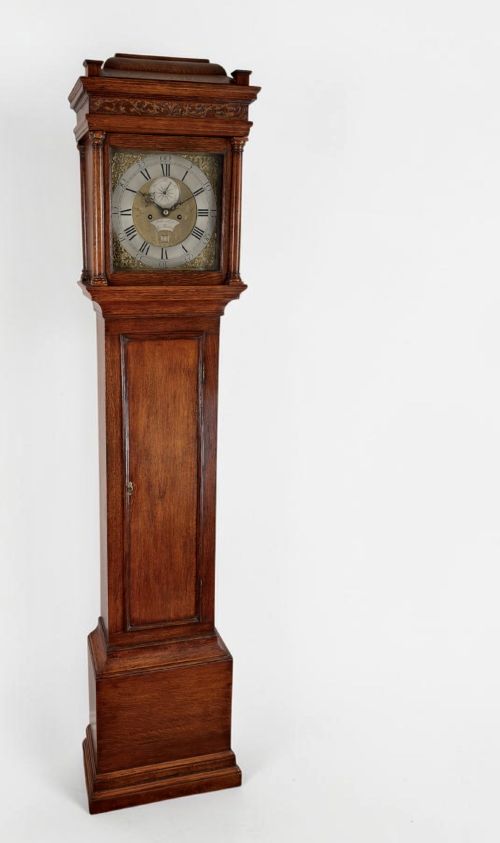
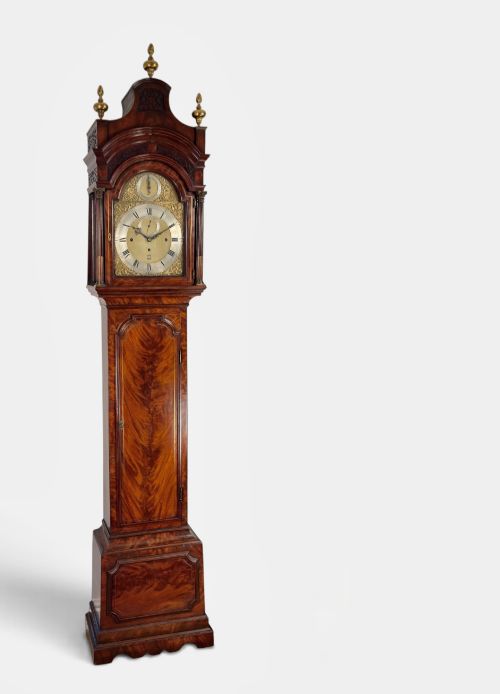
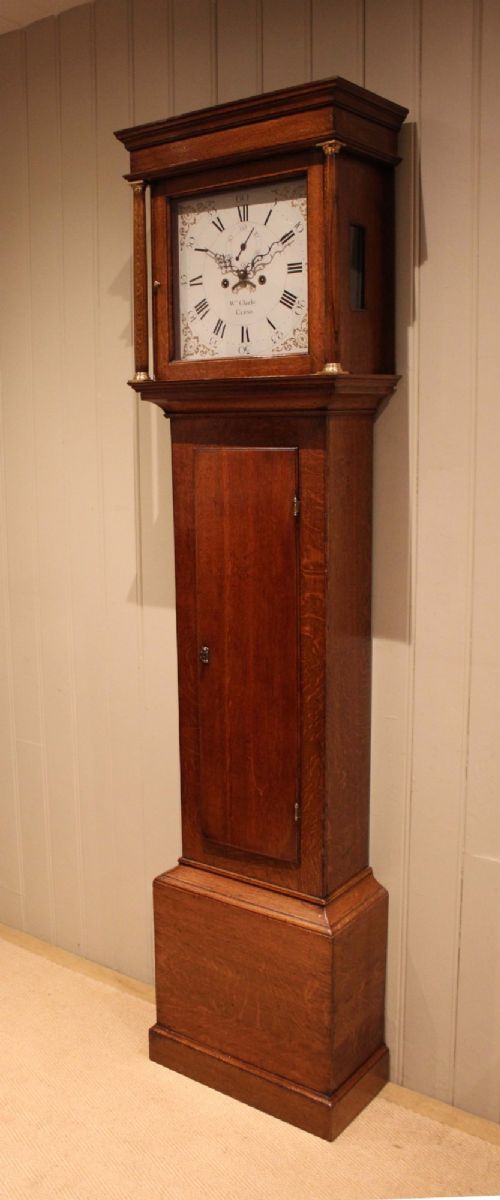
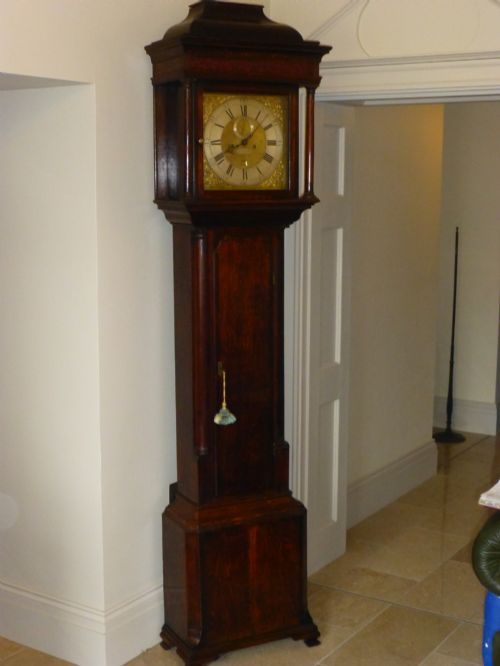
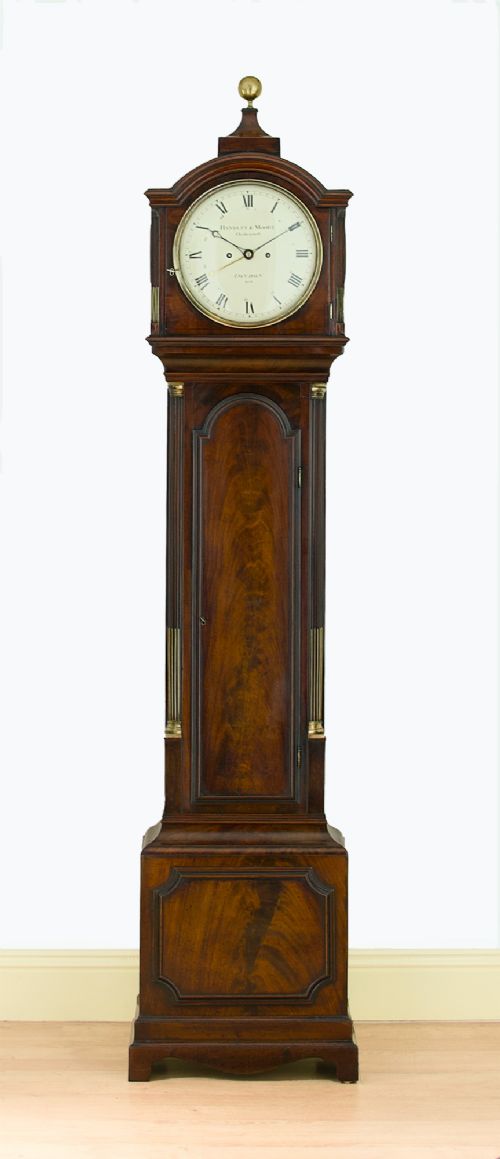
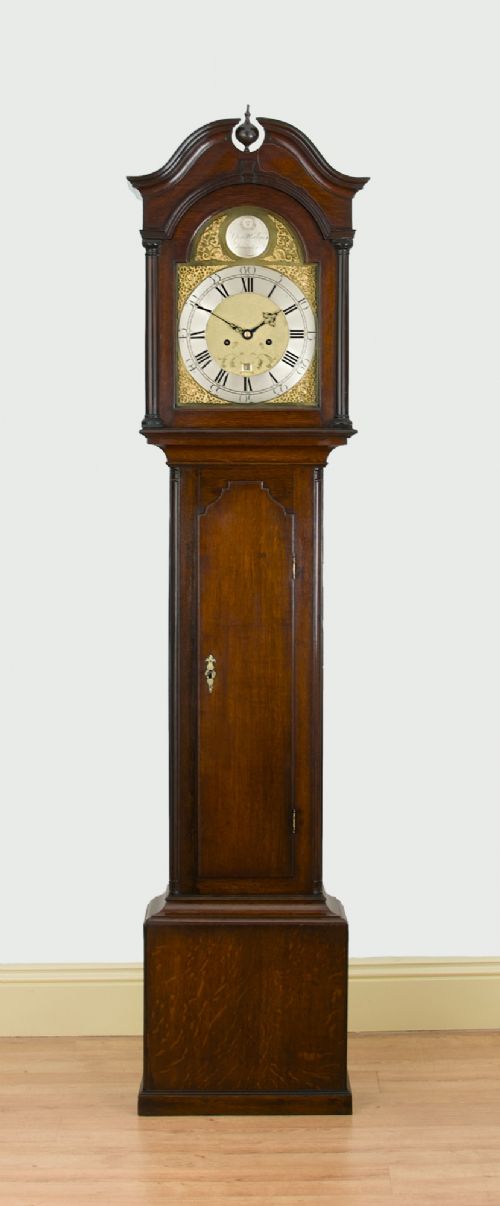
An antique English floor clock is a tall domestic timekeeper designed to stand directly upon the floor, most commonly encountered from the eighteenth century. These pieces encompass both simple country timepieces and sophisticated eight day mechanisms housed in substantial timber cases.
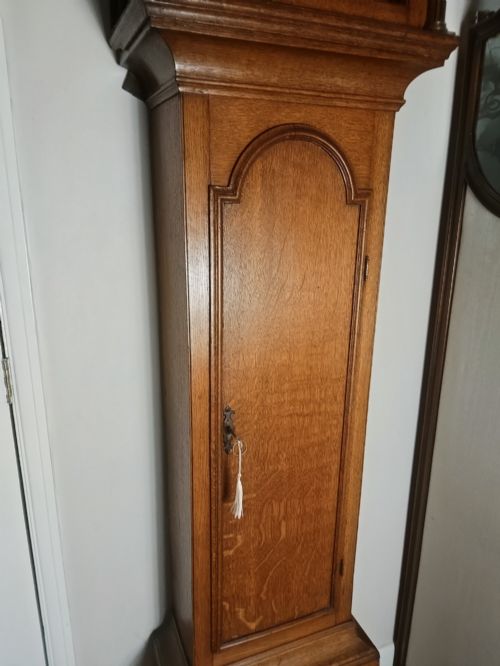
The versions most likely met on this page date from the Georgian era and the eighteenth century, constructed in oak or mahogany. Regional variations appear alongside pieces bearing the names of provincial makers upon their brass dials.
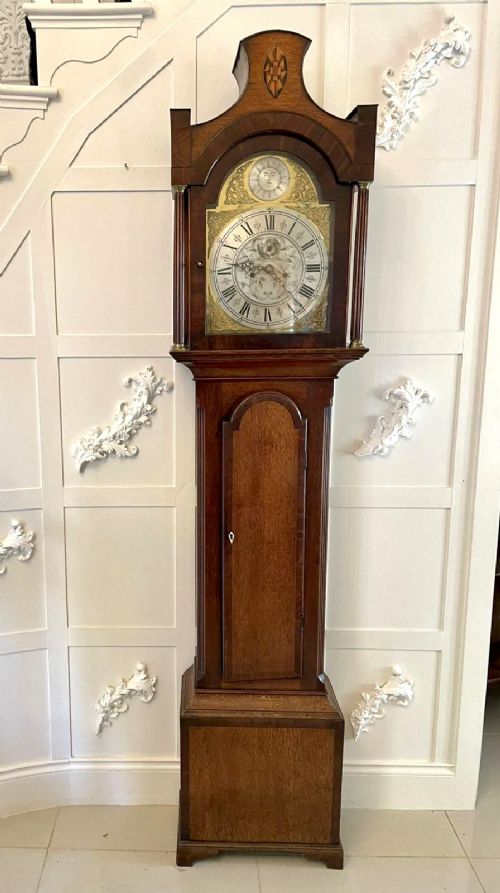
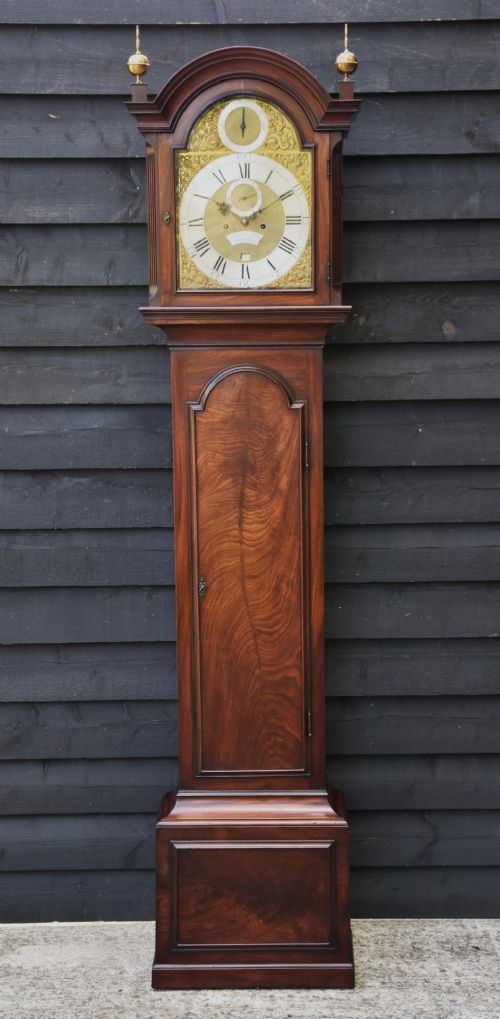
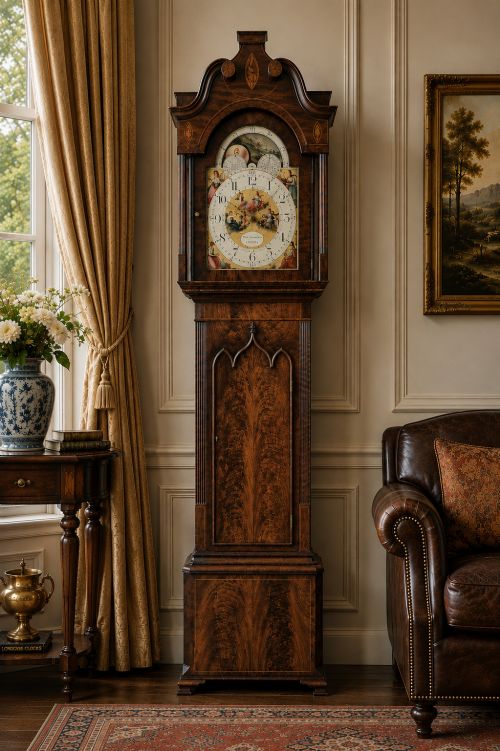
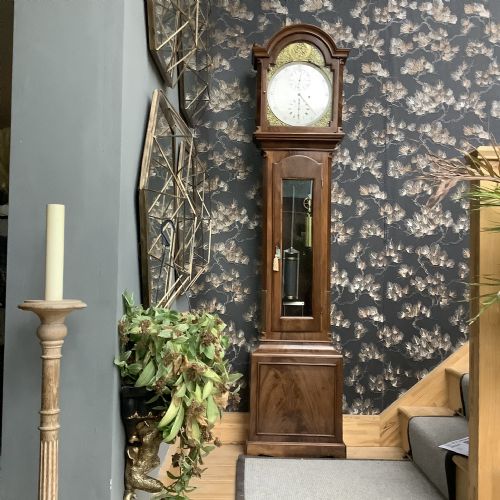
Forms range from single handed movements to more complex multi dial displays, frequently featuring lancet tops or brass face details. Such clocks combine practical utility with traditional cabinet making of considerable weight and presence.
Materials and construction
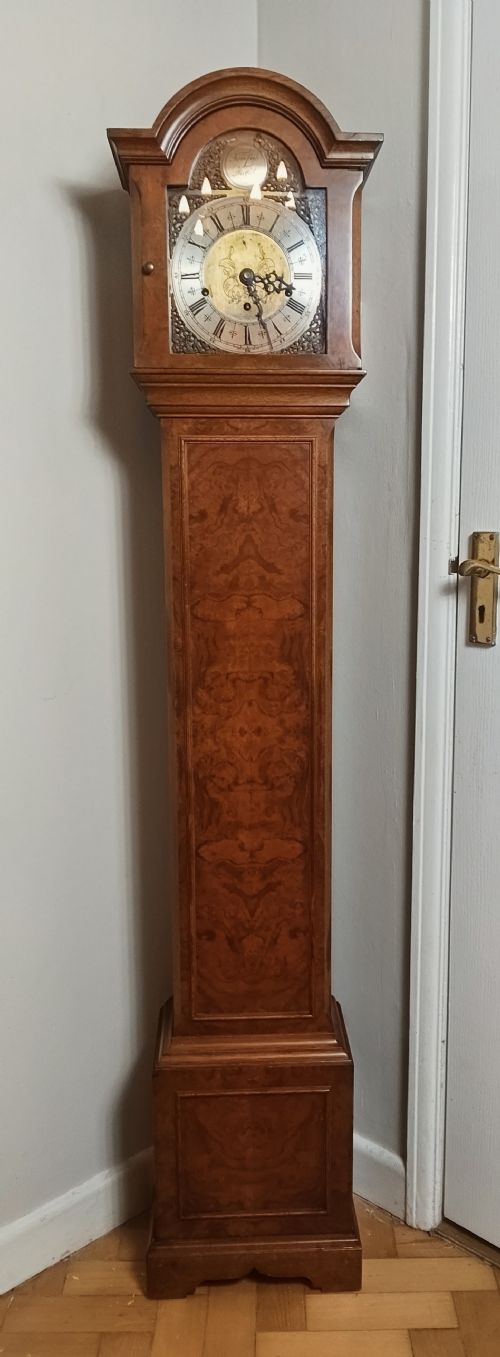
Cabinet makers utilised native hardwoods such as oak and mahogany, occasionally selecting burr mahogany for decorative surface grain on the trunk and hood. These timbers were joined and polished to protect the movement while displaying the natural figure of the wood.
Movements incorporate brass for the dials, gear trains, and motion work, framed by iron or brass plates. Glass protects the dial face within the hood, allowing clear visibility of the hands and chapter rings.
Antique English Floor Clock Retail Price Guide 2026
Typical asking prices for english floor clock among the pieces listed under this phrase on Sellingantiques today, from the lower quarter to the upper quarter. They describe what is for sale here now, not the wider market.
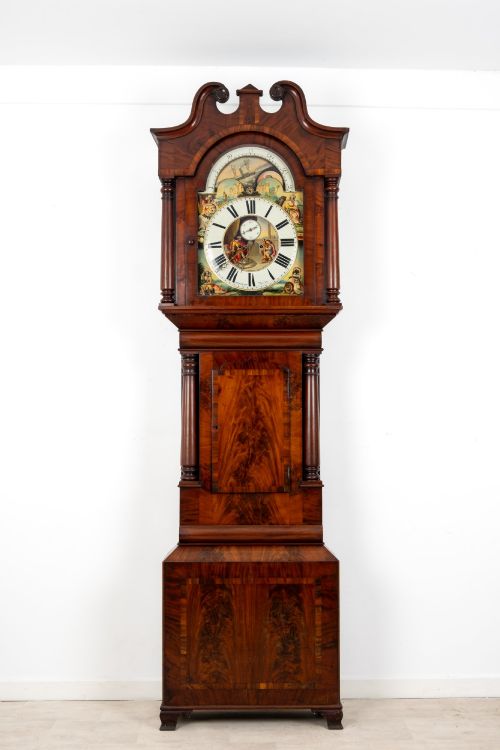
Lancashire oak meets burr mahogany here, proving provincial makers had an eye for London fashion.
Defining quality and craftsmanship
The distinction between standard examples and superior pieces rests upon the precision of the brass dial engraving and the sophistication of the movement. Engraved spandrels, signed brass faceplates, and secondary timbers of higher grade elevate an example above basic utilitarian production.
Cabinet work demonstrates quality through the selection of figured veneers such as burr mahogany and the restrained integration of architectural details like lancet tops. Proportion, timber selection, and original movement components determine the standing of each piece.
Richard Watkin·Winstanley Wigan
The Antique English Floor Clock Glossary
- Longcase clock
- An alternative term for a tall floor standing clock enclosing weights and a pendulum.
- Spandrel
- The decorative corner piece set upon a clock dial, often cast in brass and chased.
- Lancet top
- An arched architectural pediment shape topping the hood of the clock case.
- Eight day
- A movement requiring winding once a week rather than after a shorter daily or thirty hour cycle.
- Chapter ring
- The circular metal ring affixed to the dial bearing the hour numerals.
Antique English Floor Clock: Frequently Asked Questions
How do I wind an antique floor clock?
Winding involves using a crank key to raise the weights suspended within the trunk. Care must be taken not to overwind the movement.
Most eight day mechanisms require attention at weekly intervals to maintain accurate timekeeping without placing undue strain on the gutlines or chains.
Where should I place a floor clock?
Select a structurally sound interior wall away from direct heat sources and heavy draughts. Timber cases respond poorly to rapid temperature fluctuations.
The floor beneath must be level to ensure the pendulum swings truly and the escapement maintains its correct beat.
What is a single handed clock?
A single handed clock relies on one prominent hand to indicate the hours and approximate subdivisions. This arrangement typifies earlier eighteenth century production.
Reading the time requires interpreting the intervals between hour markers rather than relying on a minute hand.
How do I date an oak floor clock?
Dating involves examining the construction methods of the oak case, the style of the brass dial, and the signature of the maker if present. Eighteenth century examples often feature simpler, robust proportions.
Changes in dial decoration, such as the evolution of spandrel styles and arch configurations, provide further chronological clues.