
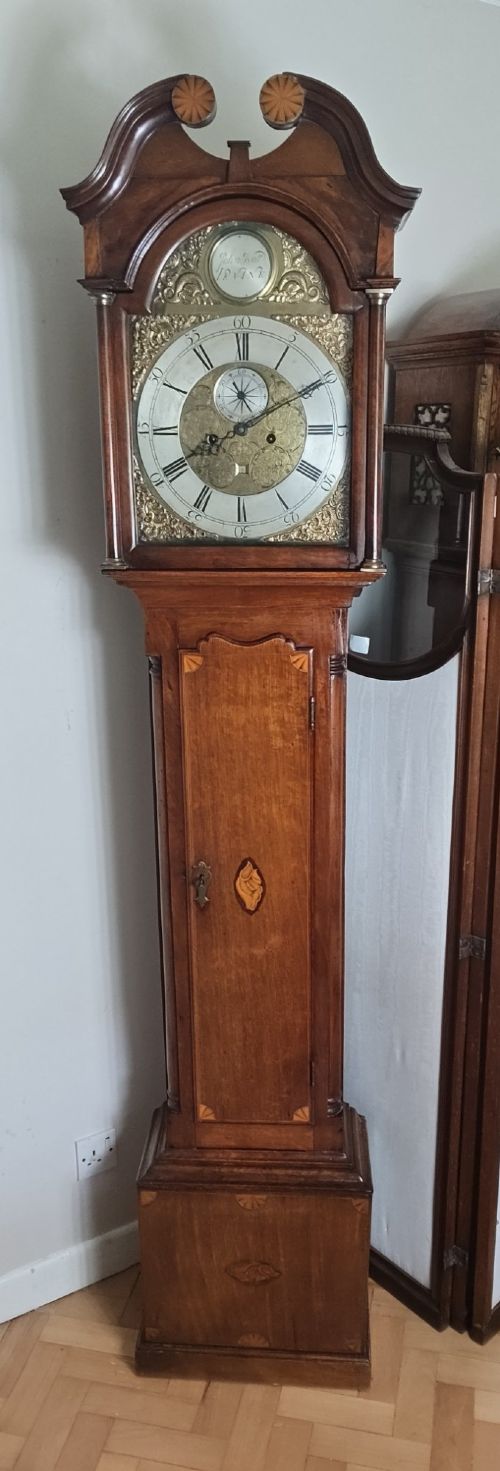
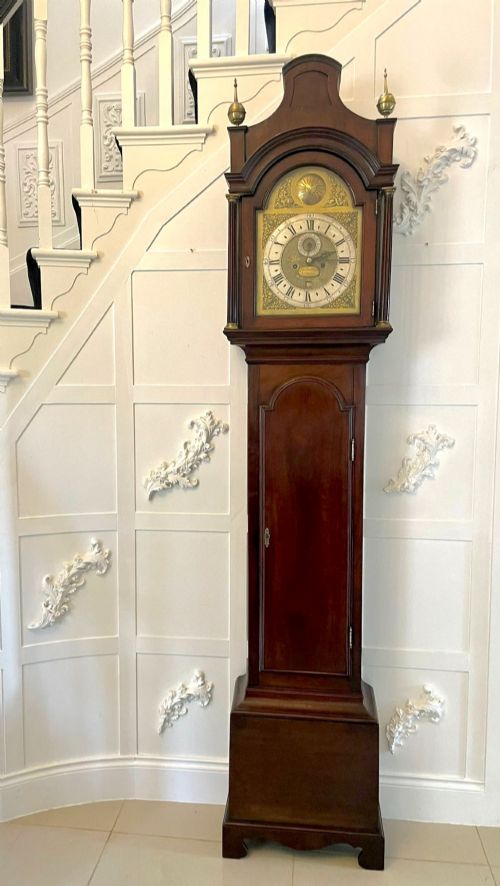
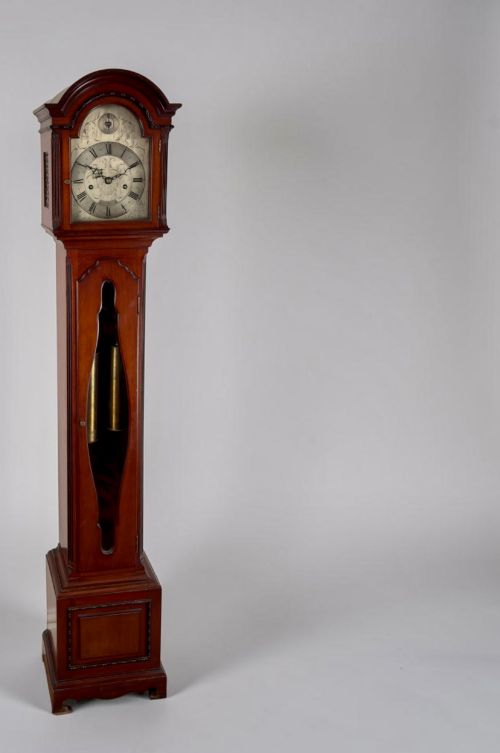
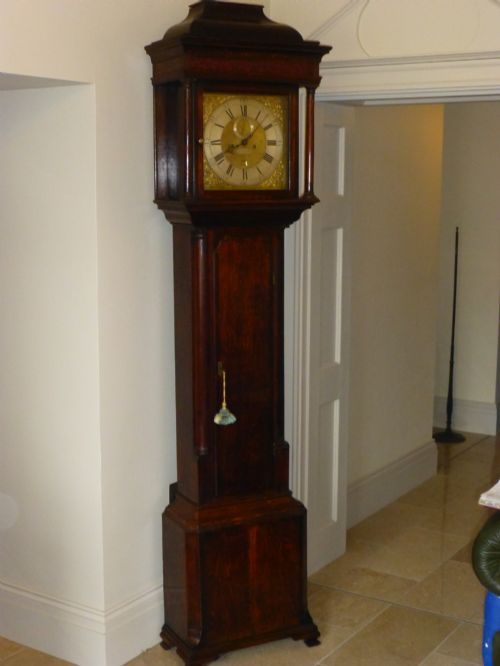
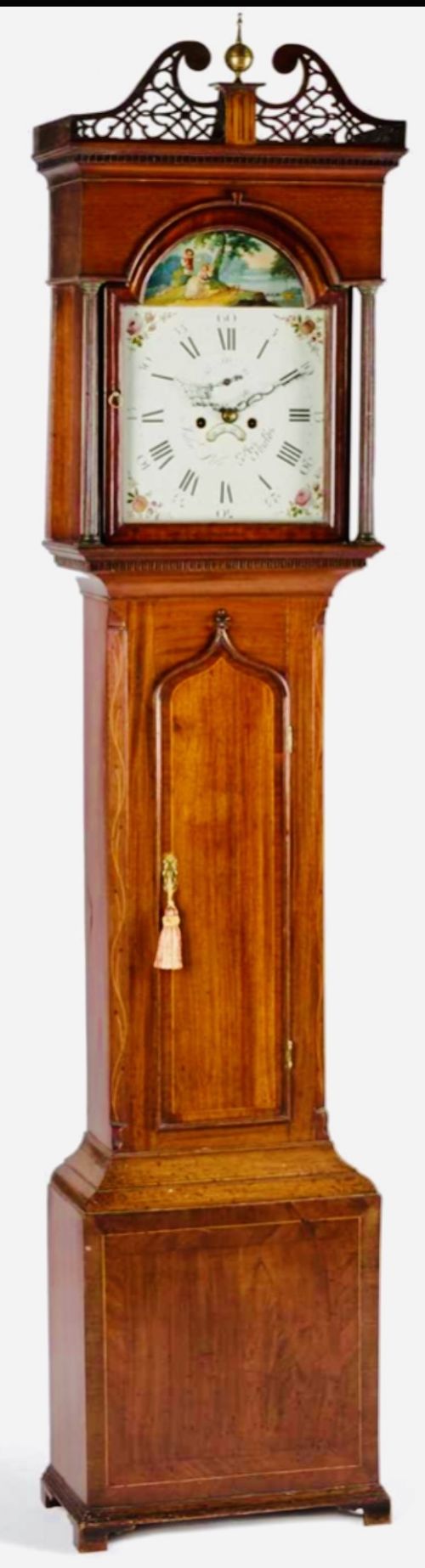
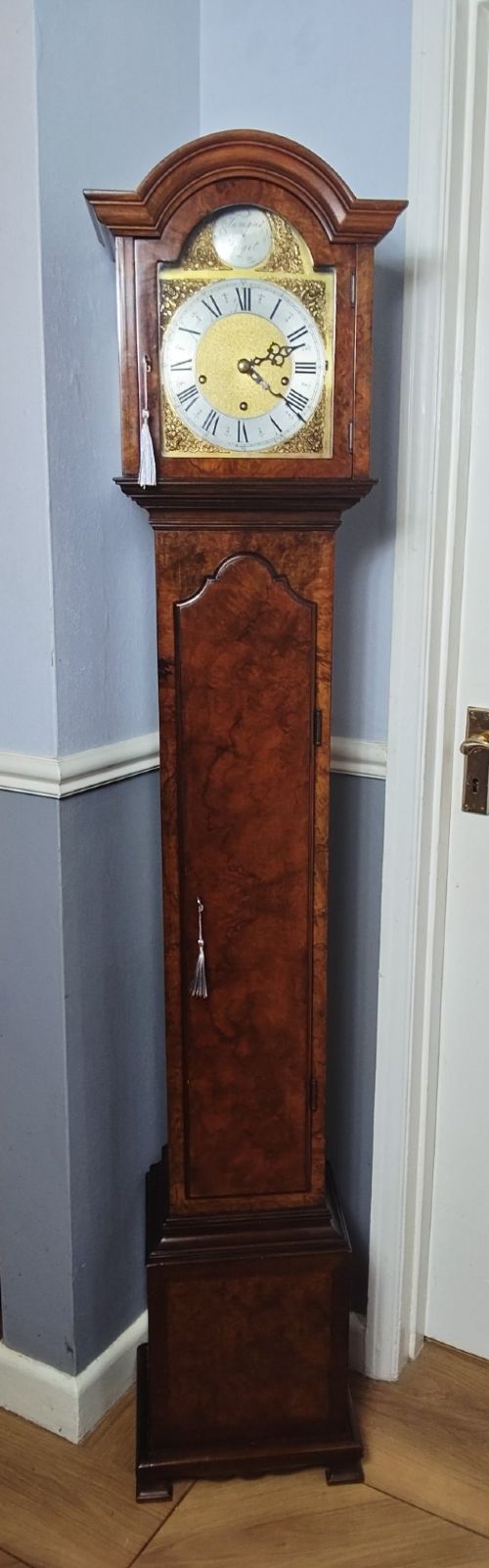

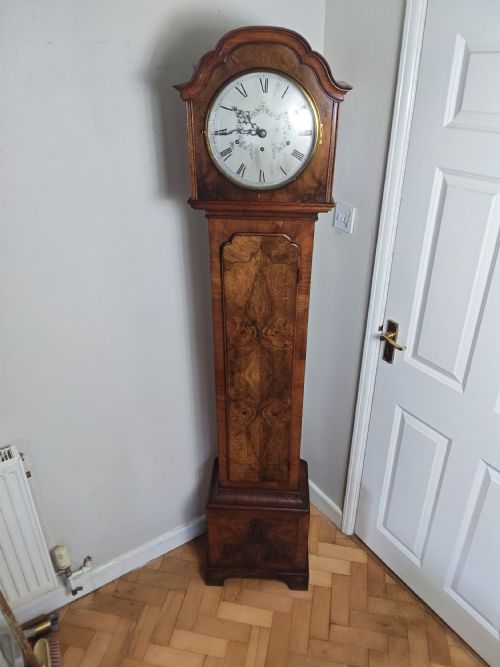
Vintage Pendulum Floor Clock
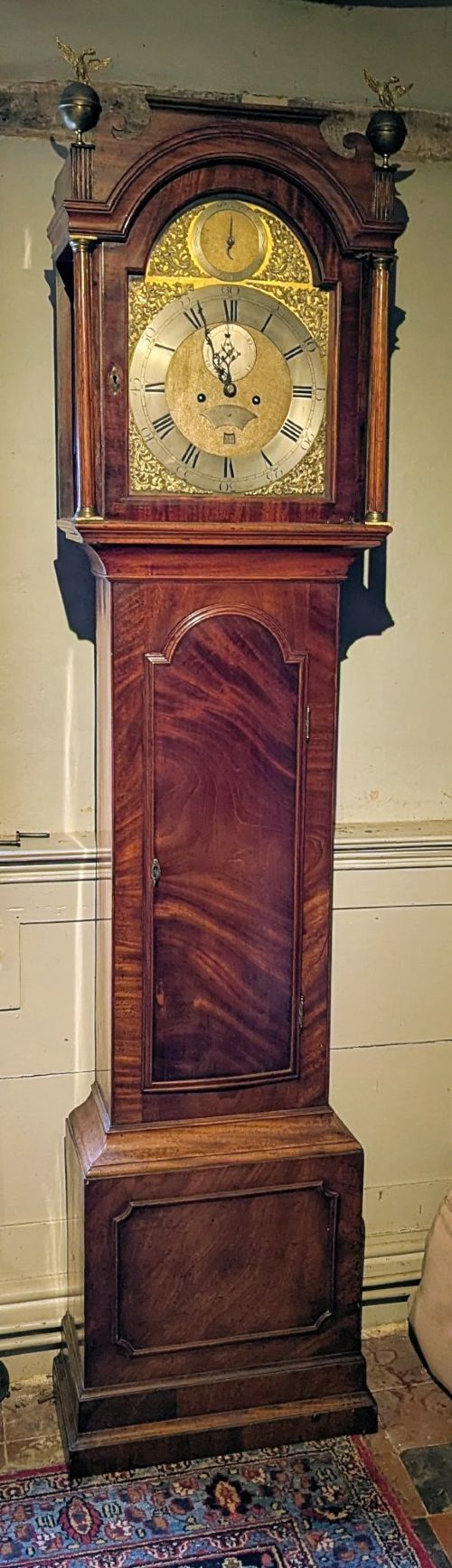
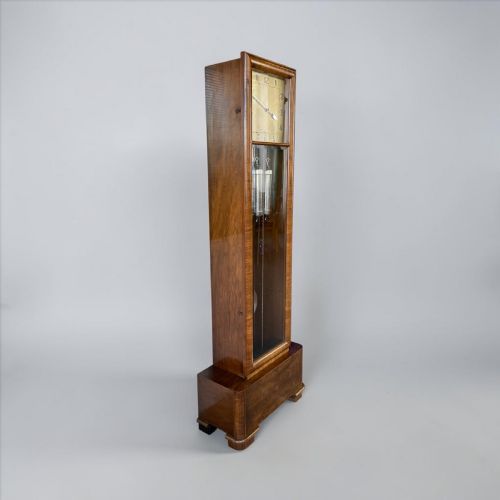
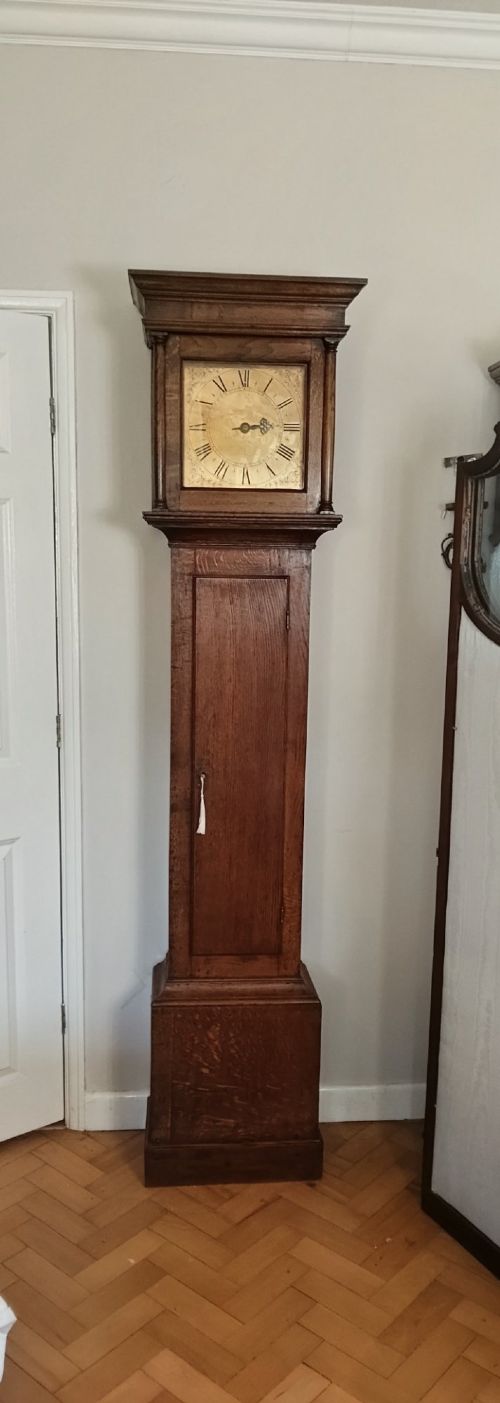
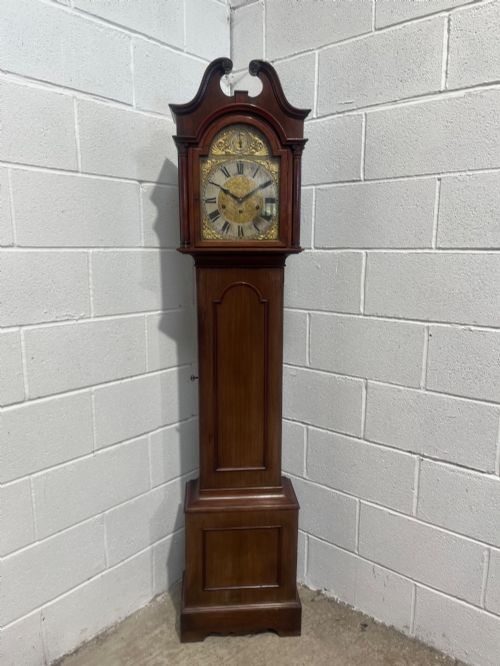
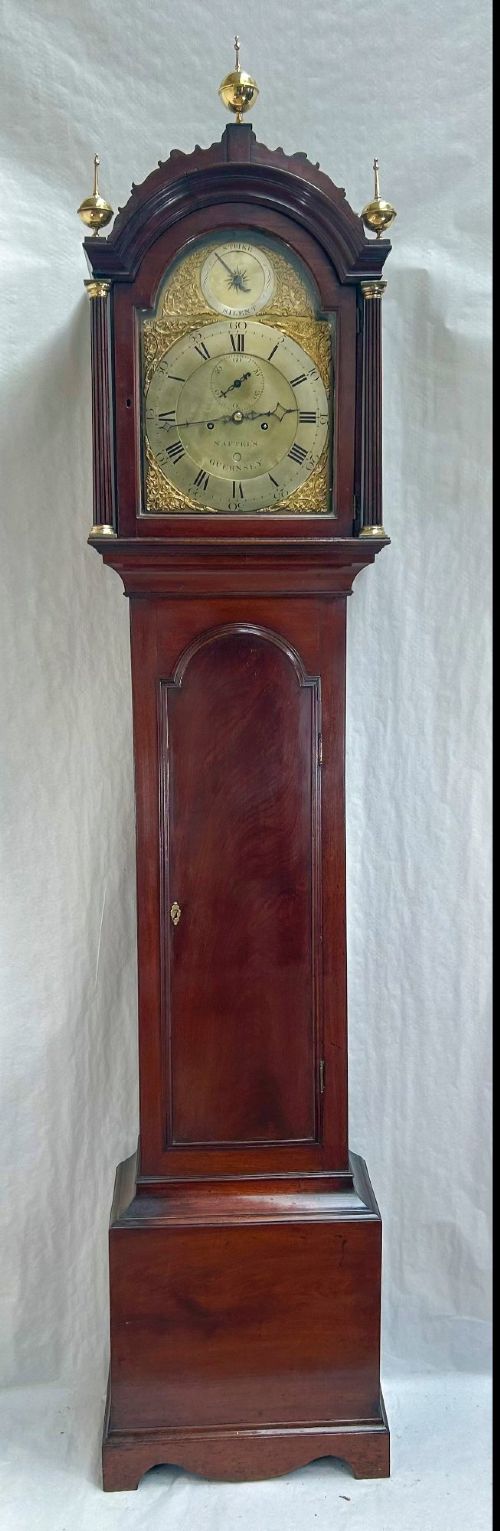
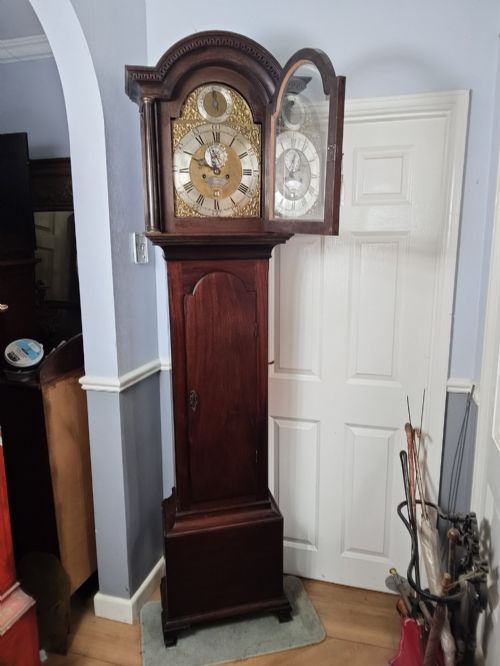
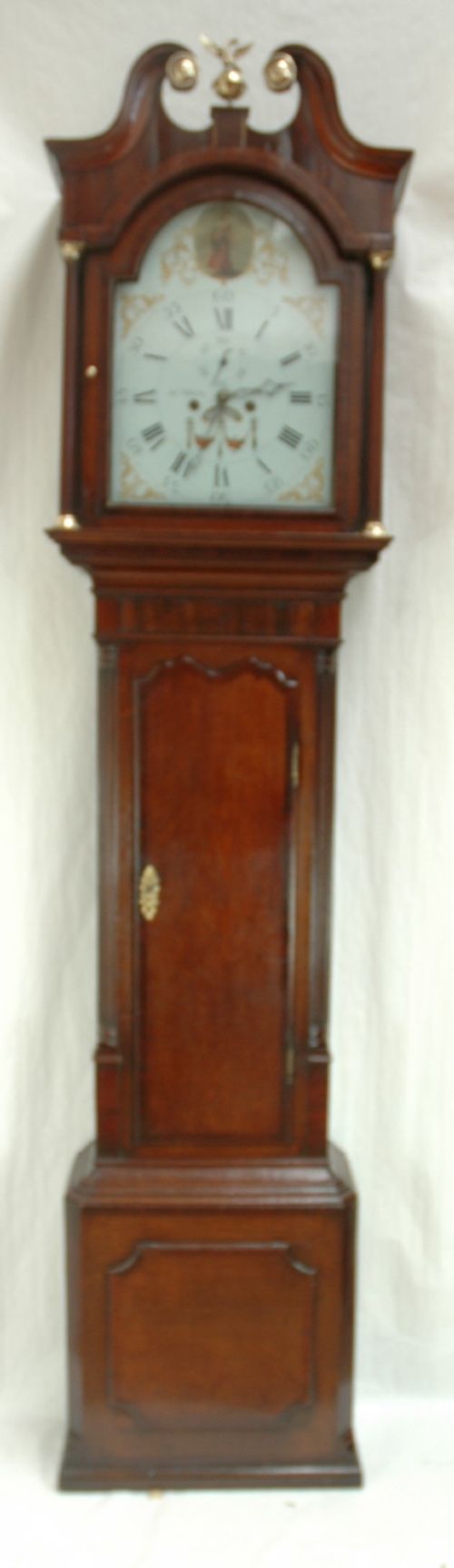
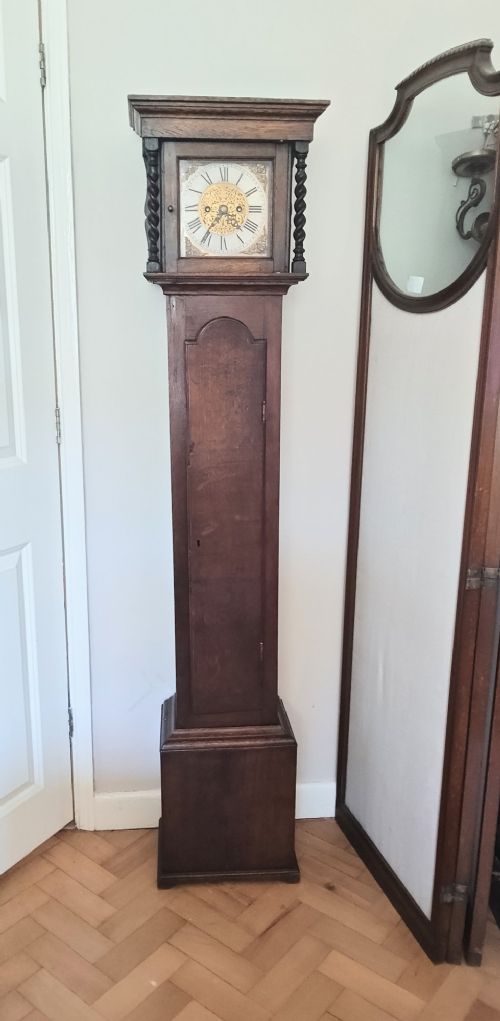
A vintage pendulum floor clock brings mechanical movement and presence to a room, offering tall timber cases housing brass dials and swinging weights.
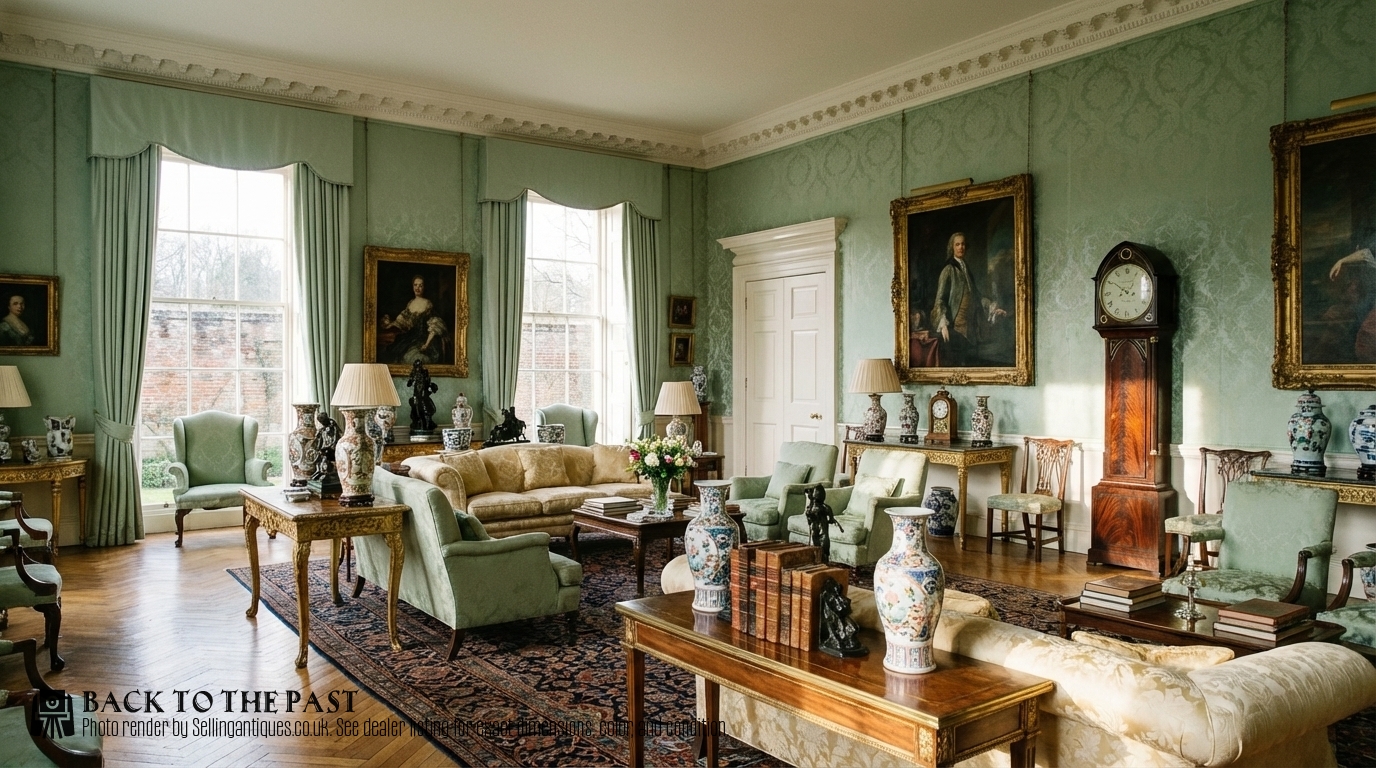
What vintage pendulum floor clock examples involve
When you search for a vintage pendulum floor clock, you encounter tall timepieces encompassing longcase and grandfather clock forms dating from the late seventeenth century through the twentieth century.
The pieces listed on this page span Georgian, Regency, Edwardian, and Art Nouveau styles, capturing centuries of domestic horology.
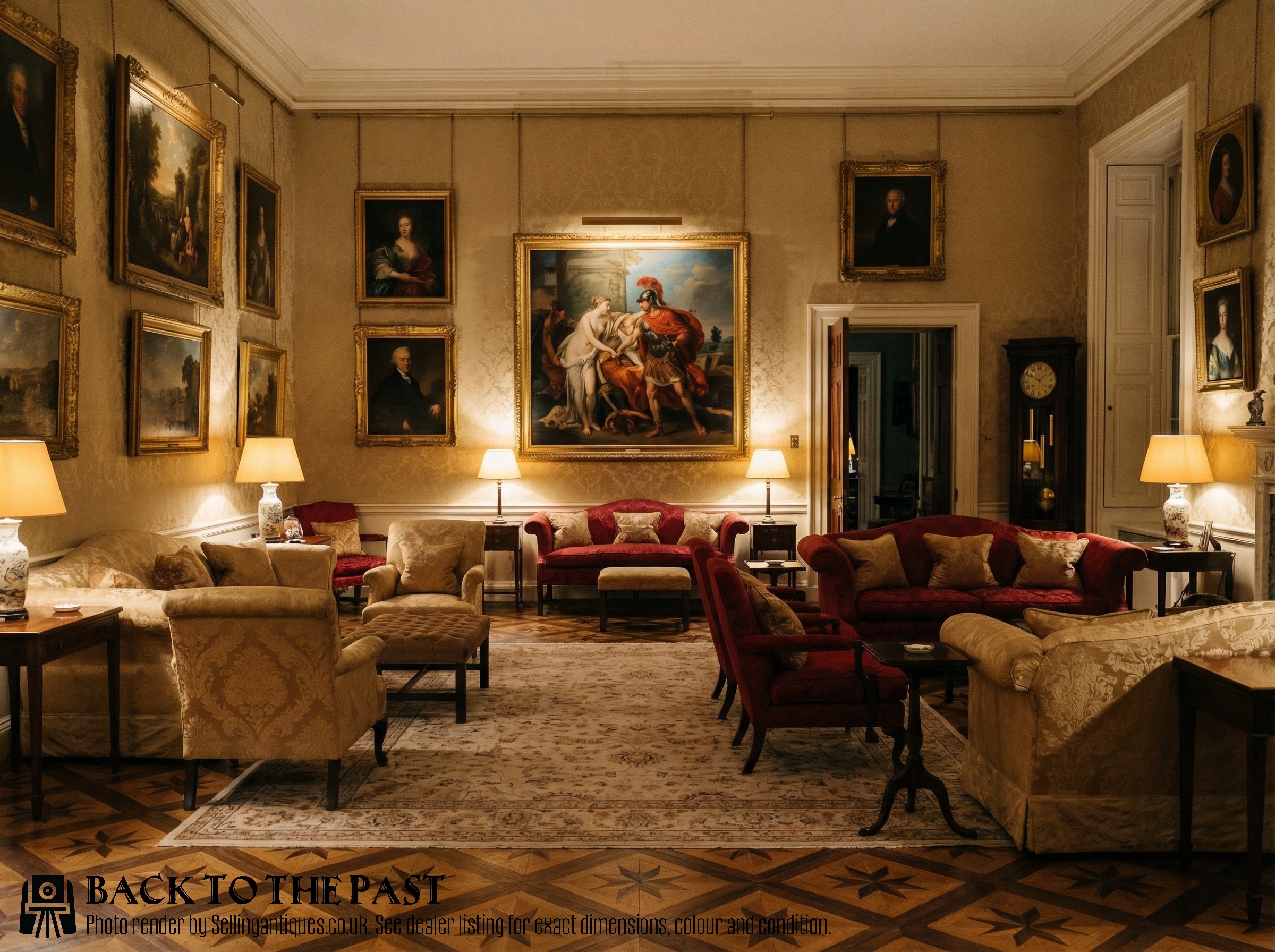
Most examples you meet here utilise traditional timber housings in oak, mahogany, pine, and wood, paired with glass and brass components.
Materials and construction
Cabinetmakers constructed the tall floor cases using native and imported hardwoods like oak, mahogany, and pine, often finished with polished or painted surfaces.
Clockmakers fitted mechanical movements driven by weights suspended on lines or chains, governed by swinging pendulums and displayed behind glass-fronted doors.
Retail Price Guide 2026
Typical UK retail prices for vintage pendulum floor clock, calculated from the Sellingantiques database of over a million retail prices indexed since 2003. This retail price guide relies exclusively on Sellingantiques data; no external sources or auction records are used, so the figures do not describe the wider market.
Current listings feature pieces spanning the 1700s, Georgian, Regency, and 1920s eras, constructed from oak, mahogany, pine, and brass.
Judging quality in tall clocks
Distinction in these clocks rests upon the proportion and timber selection of the case, from simple pine and oak to finely figured mahogany.
Movement execution and dial signing by established makers elevate an example above standard regional production.
Mclennan London·Wightman Of London·Richard Alexander Devizes·Harrods·John Welsh Luton Bedfordshire·Richard Watkin
The Vintage Pendulum Floor Clock Glossary
- Longcase clock
- A tall, freestanding pendulum clock enclosed in a wooden case, commonly known as a grandfather clock.
- Pendulum
- A suspended weight that swings back and forth to regulate the timekeeping mechanism of the clock.
- Movement
- The internal mechanical gear train and escapement that drives the hands and powers the strike.
- Dial
- The face of the clock, typically made of brass or painted metal, displaying the hours and minutes.
Frequently Asked Questions
How do I wind a longcase clock?
Wind the clock by pulling the chains or using a crank key to raise the internal weights, depending on the specific movement design.
Take care not to over-wind the mechanism to ensure the longevity of the vintage internal gearing.
Where should I place a floor clock?
Position the clock against a sturdy interior wall on a level floor to ensure the pendulum swings evenly and the case remains stable.
Avoid damp areas and direct sunlight to protect the wooden case and original glass.
What is the difference between oak and mahogany cases?
Oak cases often reflect earlier regional craftsmanship with visible grain patterns, while mahogany offers a darker, smoother surface favoured in later periods.
Both timbers provide the structural rigidity needed to house heavy mechanical movements.
How do I identify the period of a clock?
Examine the architectural style of the hood, dial design, and timber choice, comparing them against known historical periods like Georgian or Regency.
Inscribed maker names on the dial also help establish the date and origin of the piece.