



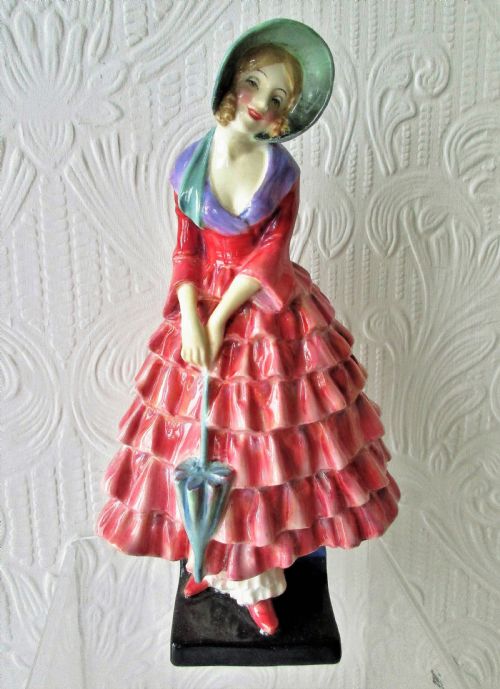
Antique English Figurines
These antique English figurines span centuries of domestic display, bringing character and ceramic history directly to the mantelpiece.
Antique English Figurines
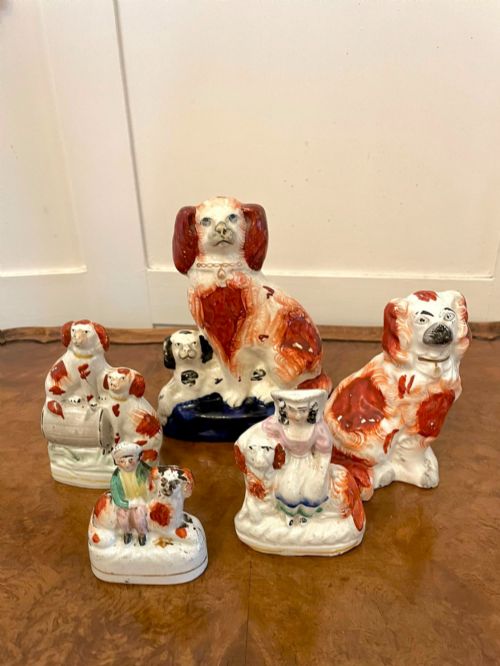
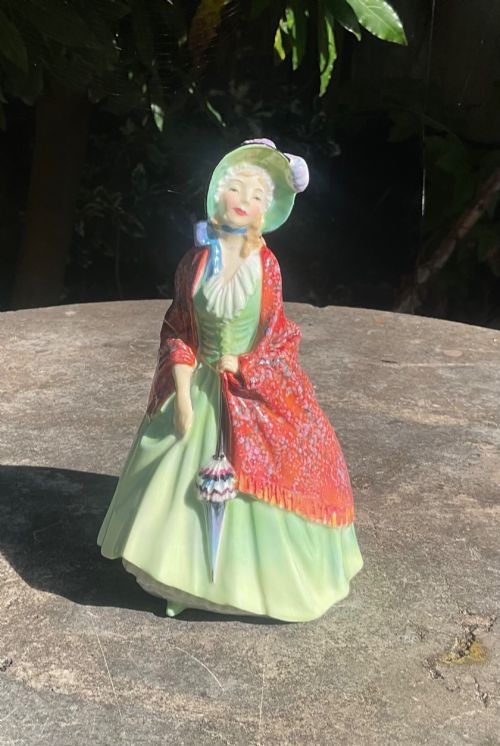
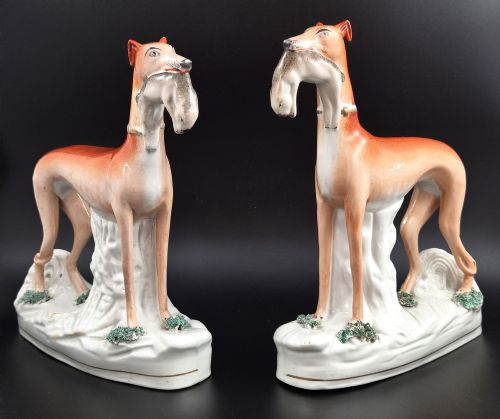
Antique English figurines encompass a diverse range of ceramic and metal sculptures designed for domestic display. Buyers seeking antique English figurines will frequently encounter Victorian Staffordshire pottery animals, portrait figures, and twentieth-century porcelain character studies.
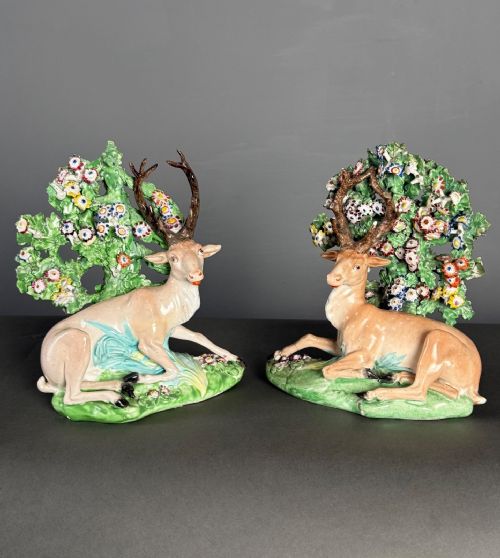
The selection extends from eighteenth-century Georgian porcelain figures and Derby animal studies to Victorian earthenware dogs, spill vases, and later studio pottery. These works capture everything from classical mythology and contemporary politics to quiet pastoral scenes and household pets.
How they were made
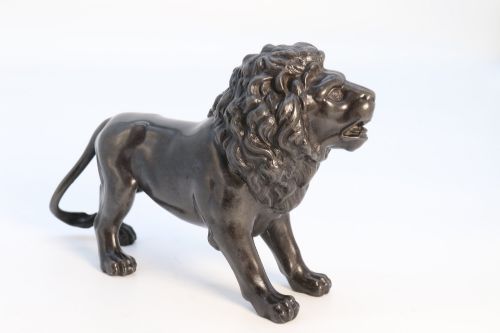
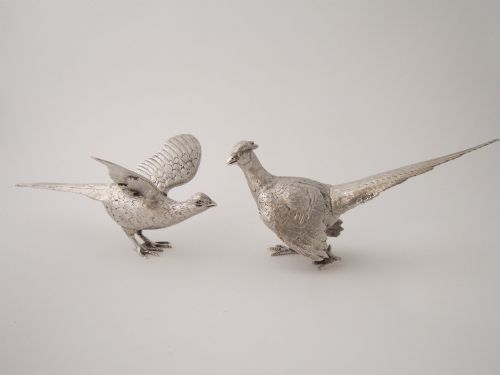
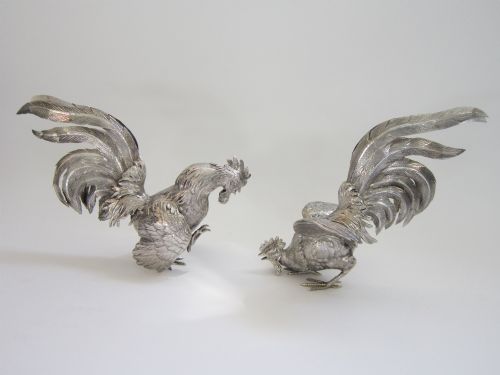
Makers shaped these pieces primarily using earthenware, bone china, and porcelain, often finishing surfaces with rich enamel colours and glossy glazes. Many Staffordshire pottery figures and Derby porcelain works received hand-painted details over moulded bases, while metal examples utilised sterling silver, brass, or pewter.
Potters employed slip-casting and press-moulding techniques to form the bodies before applying low-temperature glazes or high-temperature enamel decorations. Fine gold leaf occasionally accentuates details on porcelain figures and silver models alike.
Listings span multiple centuries, ranging from eighteenth-century Georgian porcelain to mid-twentieth-century bone china and studio pottery.
What varies in quality
Quality rests primarily on the crispness of the modelling and the precision of the hand-painting. Early Derby porcelain and works by known makers display finer anatomical detail and more subtle facial expressions than mass-produced utilitarian mantel ornaments.
The sophistication of the enamel palette and the retention of original gilding distinguish superior studio and factory output from simpler regional pottery.
Royal Doulton·Derby·Charles Vyse·John Bevington·Hamo Thornycroft
The Antique English Figurines Glossary
- Biscuit
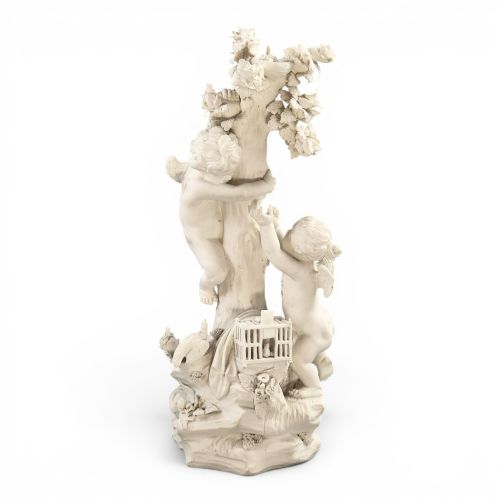
- Unglazed porcelain fired once to produce a matte, marble-like surface texture. This finish highlights delicate sculptural details without glaze distortion.
- Pearlware
- An earthenware body developed in the late eighteenth century featuring a faint bluish glaze that pooled in recesses. It sat between creamware and later white earthenwares.
- Spill vase
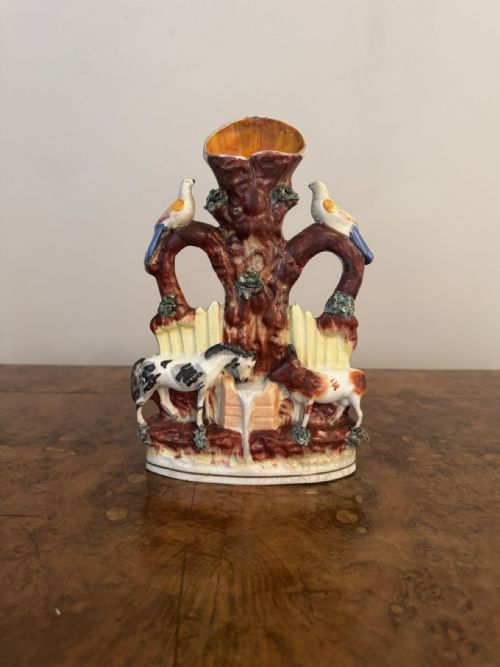
- A hollow figural vessel designed to hold wooden spills used for lighting pipes and candles. These functional ornaments typically feature a figure standing beside a cylindrical holder.
- Staffordshire pottery
- Earthenware produced in the industrial potteries of Staffordshire, famous for mantel dogs and portrait figures. These robust pieces decorated nineteenth-century domestic interiors across Britain.
- Jackfield
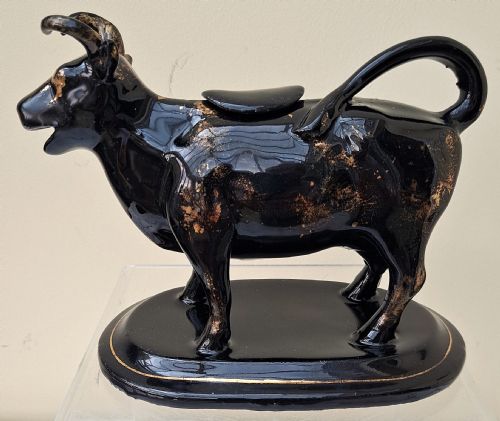
- A type of glossy black-glazed earthenware originating in Shropshire and later imitated elsewhere. The dark metallic sheen mimics Japanese lacquer.
Antique English Figurines: Frequently Asked Questions
What are Staffordshire comforter spaniels?
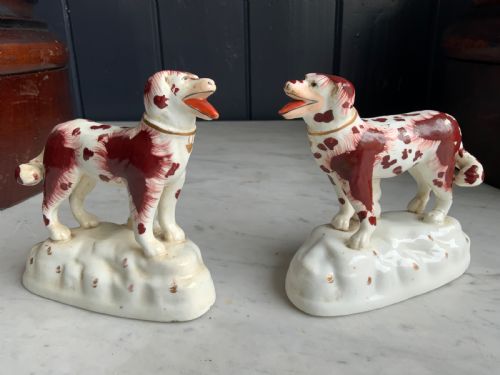
Staffordshire comforter spaniels are paired ceramic dogs traditionally placed on mantelpieces facing inward toward each other. Potters modelled these popular Victorian shelf ornaments to resemble King Charles spaniels.
Victorian households utilised these symmetrical pairs to watch over the hearth, representing domestic loyalty and protection. They remain among the most recognizable categories of nineteenth-century pottery.
Were these figures meant for display?
Most antique English figurines served as decorative mantel ornaments, chimney ornaments, or tabletop display pieces. Certain forms combined ornament with utility, such as tobacco jars, cow creamers, and spill vases.
While delicate porcelain figures required careful placement on parlour tables, robust earthenware pottery suited busier family rooms. They provided accessible art and topical portraiture for middle-class homes.
What is a portrait figure?
A portrait figure depicts a real historical person, political leader, monarch, or theatrical actor. Victorian potters frequently recorded contemporary events, royalty, and preachers through these ceramic likenesses.
Makers often inscribed names or event titles on the bases to inform contemporary buyers. These pieces function as ceramic monuments to nineteenth-century popular culture.