





English Porcelain Lady
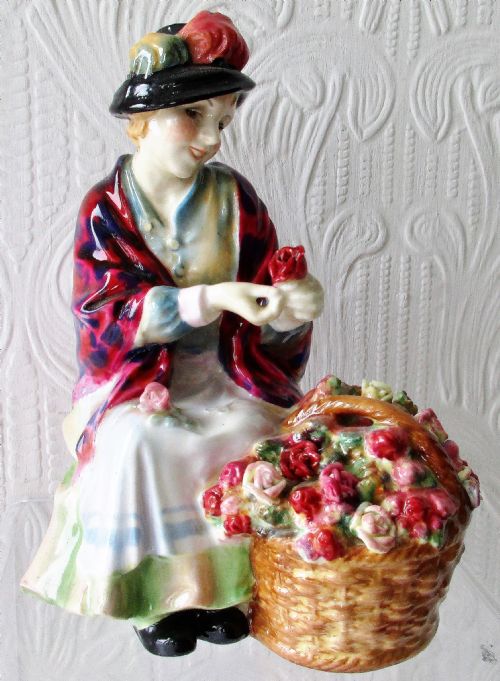
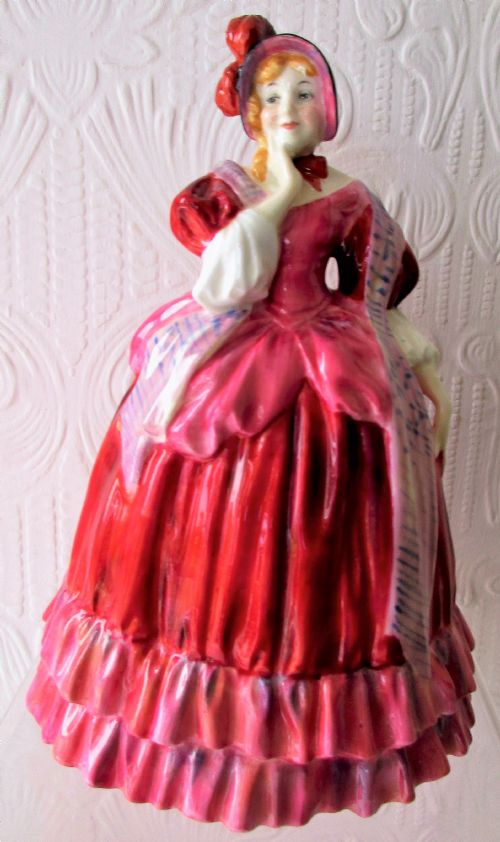
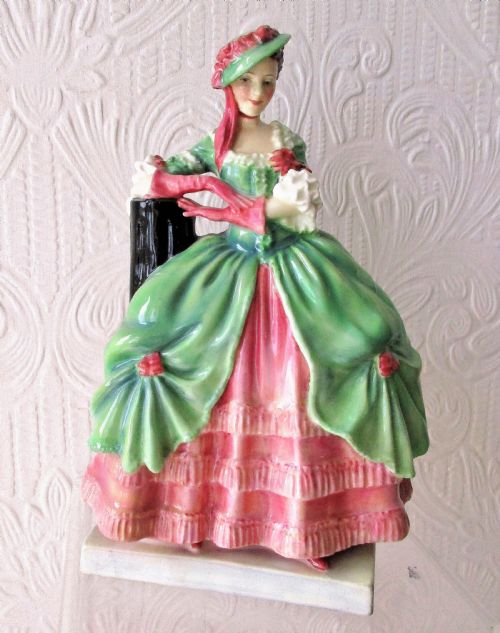
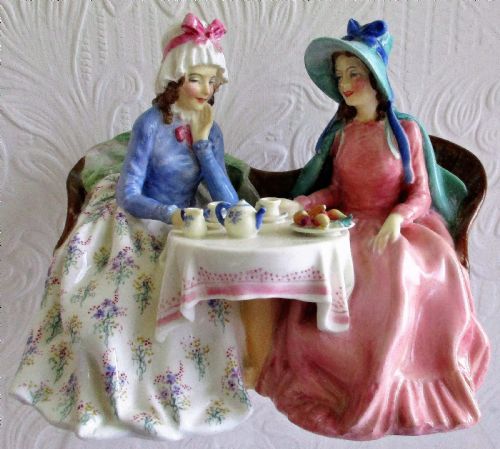
These English porcelain lady figures bring character into a room through hand-painted detail and mid-century ceramic form.
English Porcelain Lady
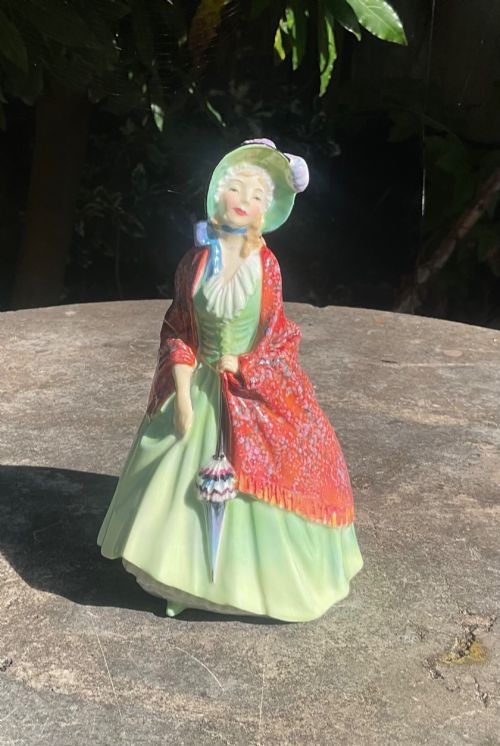
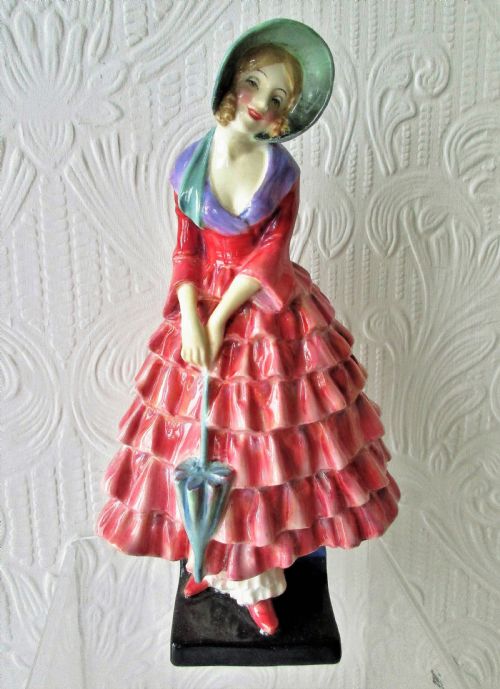
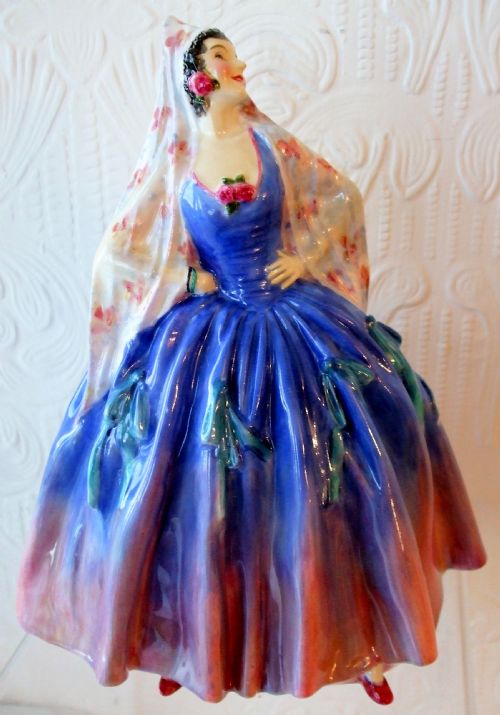
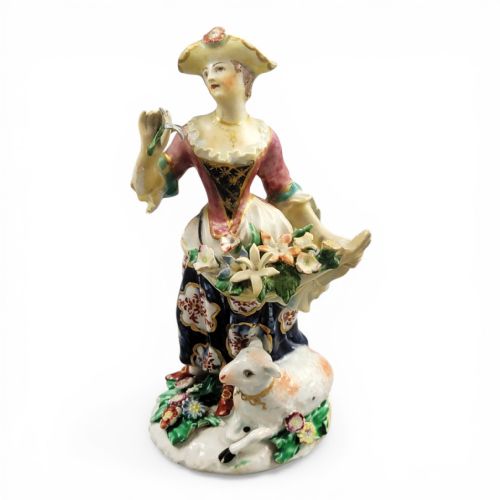
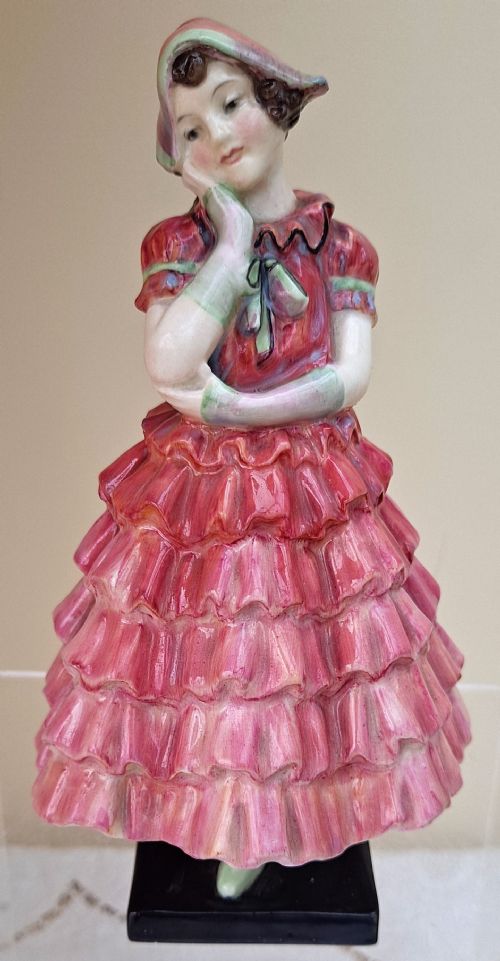
An English porcelain lady represents a distinct category of ceramic sculpture, appearing primarily as hand-painted figurines and decorative figures across this selection. Collectors find these pieces originating from periods such as the Edwardian era, the nineteenth century, and the nineteen-thirties.
The assortment on this page leans heavily towards nineteen-thirties production, alongside earlier eighteenth-century examples and late Victorian works. These objects take the form of named characters, bonneted ladies, and musicians modelled in glazed ceramic and bone china.
Factors of Quality
The depth and application of gilt highlights alongside the complexity of the modelled dress separate standard production pieces from finer sculptural works. Early manufacture dates and specific studio marks further influence the standing of individual figures.
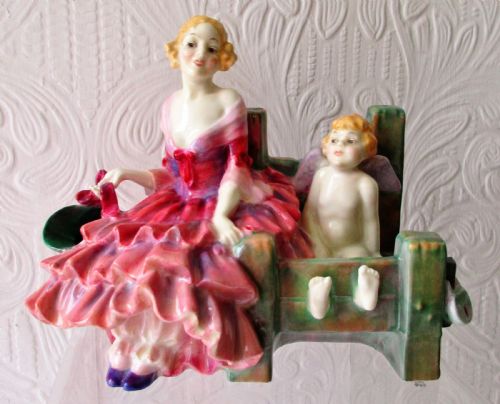
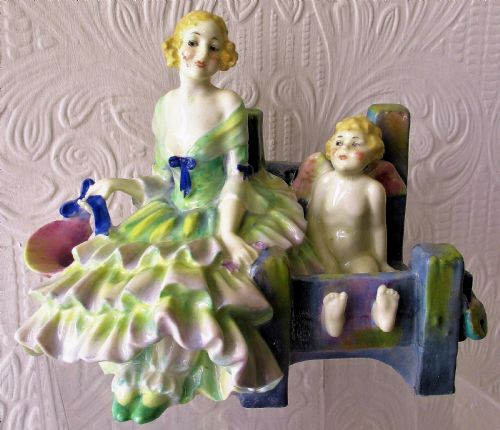
Several ladies spend their time caught in the stocks or holding a drum.
Royal Doulton·Royal Worcester·Bow Porcelain·Sutherland
The English Porcelain Lady Glossary
- Bone china
- A type of porcelain incorporating animal bone ash for added strength and whiteness. This material allows for thin-walled moulding.
- Glaze
- A glassy coating fused to the ceramic body through heat. It waterproofs the object and gives a smooth surface.
- Enamel
- Opaque glass used to paint colours onto fired porcelain. It requires a secondary low-temperature kiln firing.
- Gilt
- A thin layer of gold applied to ceramic details. It provides metallic ornamentation on borders and costumes.
- Figurine
- A small modelled human or animal figure made of ceramic. These pieces serve decorative purposes in domestic interiors.
English Porcelain Lady: Frequently Asked Questions
What periods do these figures come from?
The pieces span several centuries, including eighteenth-century productions, nineteenth-century works, and Edwardian items.
A significant portion originates from the nineteen-thirties and nineteen-forties, reflecting mid-century English ceramic styles.
How should I clean porcelain ladies?
Dust the glazed surface gently with a soft, dry brush to remove particles without disturbing the enamel.
Avoid harsh cleaning agents or soaking, as moisture can damage older painted details and gilt highlights.
Where were these ceramic figures made?
Production took place in English potteries and porcelain manufactories, utilising local manufacturing traditions.
Factories such as Royal Doulton and Royal Worcester produced the majority of the figurines listed here.