
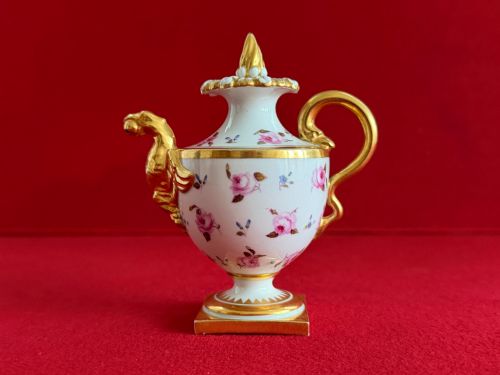
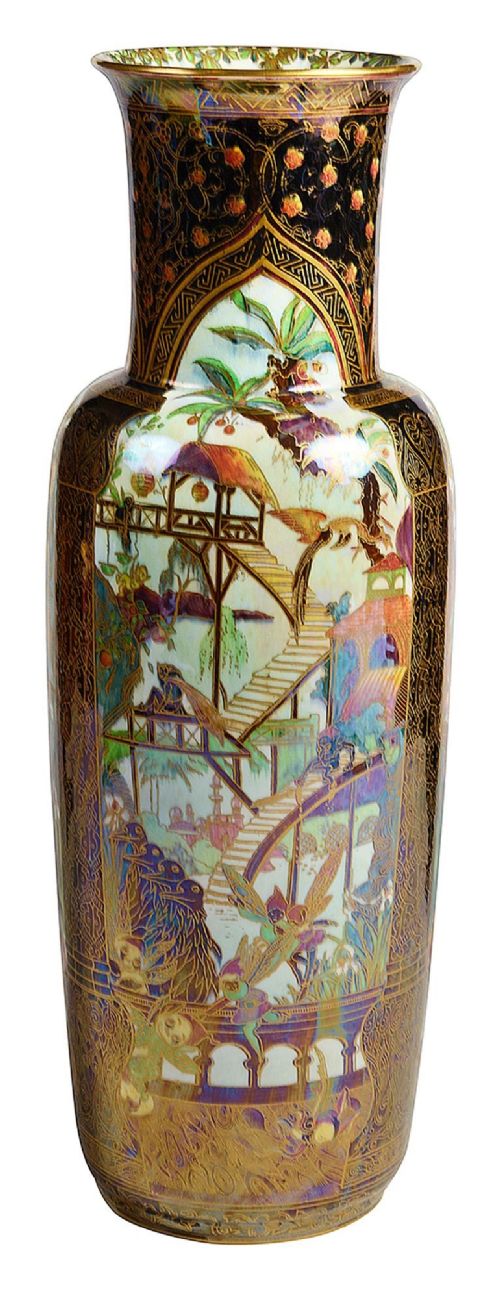
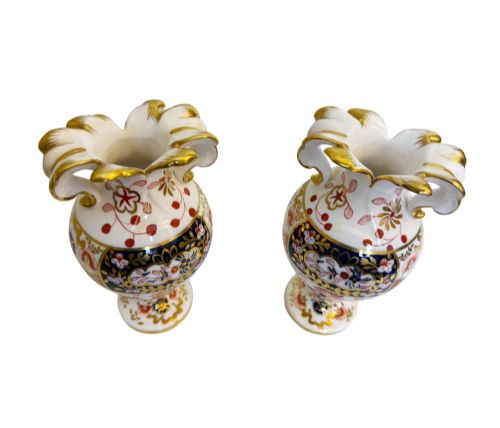
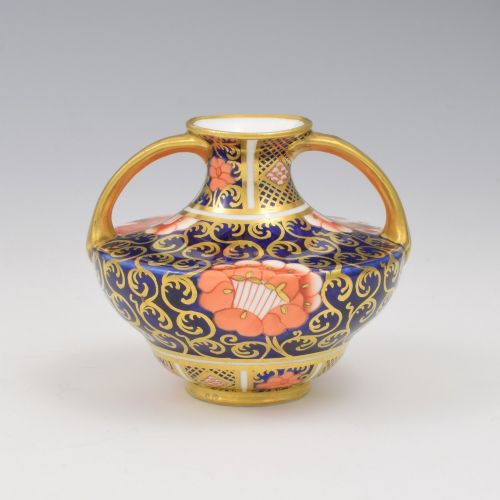



Antique English China Urn
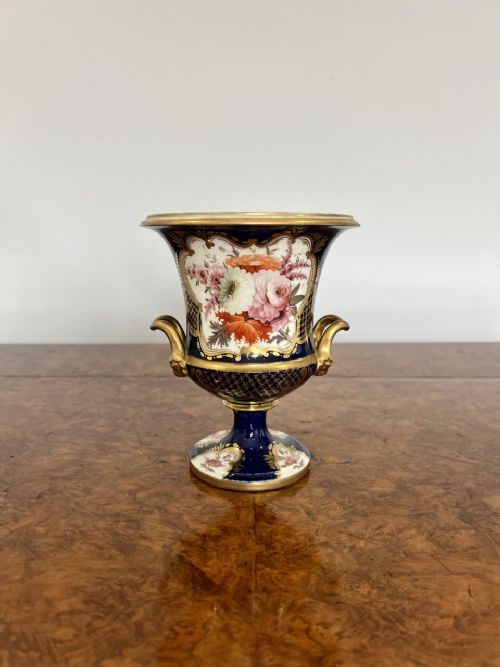
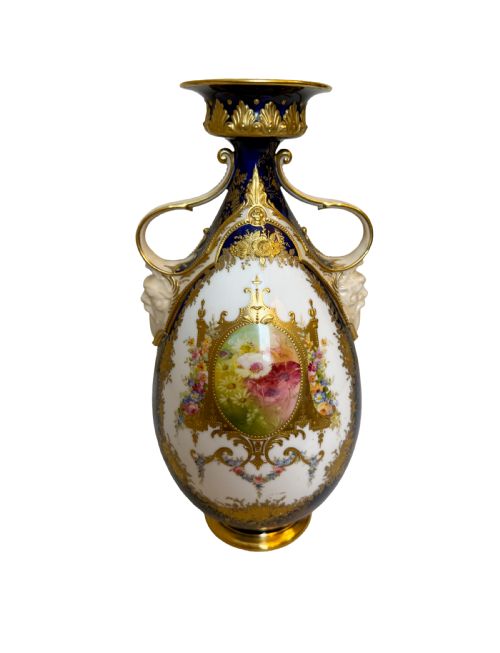
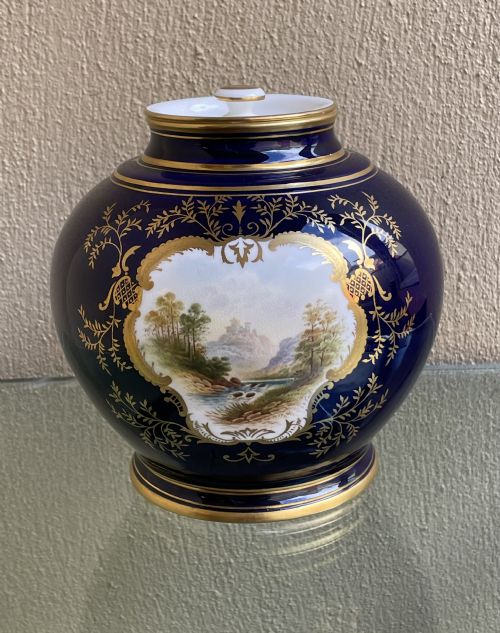
An antique English china urn brings neoclassical grandeur and intricate hand-painted detail into a room, serving as a striking focal point on any mantel or table.
Antique English China Urn
When you search for an antique English china urn, you encounter a refined selection of decorative vessels spanning the nineteenth and twentieth centuries. These pieces encompass porcelain, bone china, and ironstone forms designed as twin-handled vases, pot pourri vessels, and ginger jars.
The objects derive from prominent English factories operating across Victorian, Edwardian, and later twentieth-century periods. Many examples display traditional English landscapes, exotic birds, and hand-painted fruit motifs executed by notable factory artists.
Buyers frequently find matched pairs and garnitures alongside individual cabinet pieces. The selection leans heavily toward classic forms decorated in rich Imari palettes, Chinoiserie patterns, and gilt-enriched porcelain bodies.
Materials and Technique
Potters shaped these vessels using fine porcelain, bone china, or durable ironstone, which provided a stable white ground for elaborate decoration. Artisans applied cobalt blue, enamels, and gold leaf by hand, building up rich colour layers before firing.
Many high-grade examples received meticulous hand-painted ornamentation depicting natural subjects such as fruit, birds, and botanical studies, signed by the studio decorators who executed them.
Listings feature porcelain, bone china, and ironstone materials across Victorian, Edwardian, and mid-twentieth-century production eras.
Judging Quality and Execution
Quality rests primarily on the skill of the painting and the crispness of the porcelain moulding. Pieces featuring detailed hand-painted scenes by named factory artists command greater attention than standard transfer-printed wares.
The application of gilding and the weight of the ceramic body also indicate standard. Rich, burnished gold leaf and well-balanced twin handles denote superior workshop production.
Flight Barr and Barr·Wedgwood·Spode·Royal Crown Derby·Royal Doulton·Royal Worcester·Coalport·Mason·Minton
The Antique English China Urn Glossary
- Porcelain
- A white, vitrified ceramic material fired at high temperatures to achieve a dense, translucent body. It forms the primary substrate for fine English decorative urns.
- Ironstone
- A heavy, durable type of earthenware patented in the nineteenth century. It resists chipping and often supports bold Chinoiserie and Imari transfer prints.
- Gilding
- The application of gold leaf or gold paint to ceramic surfaces. This technique highlights handles, rims, and borders with metallic lustre.
- Pot Pourri
- A specialised vessel featuring a pierced or perforated cover designed to release scent from dried aromatic plant materials. These often form decorative garniture sets.
- Imari
- A decorative style inspired by Japanese export wares featuring a palette of iron red, cobalt blue, and gilt. English factories adapted this aesthetic during the nineteenth and twentieth centuries.
Antique English China Urn: Frequently Asked Questions
How are these decorative pieces displayed at home?
These ceramic vessels sit well upon mantelpieces, sideboards, or dedicated display cabinets where their painted surfaces catch ambient light. Paired examples work effectively to frame a mirror or anchor the ends of a long console table.
Care should be taken to place them on stable surfaces away from high-traffic household areas to protect delicate handles and covers.
How can I identify the factory or period?
Makers often stamped, painted, or impressed factory marks onto the underside of the ceramic base, recording specific ciphers or pattern numbers that date the manufacture.
Stylistic indicators such as the heavy gilding of the nineteenth century or the fruit painting typical of mid-century Worcester also help establish the chronological era.
Were these vessels used for flowers?
Most antique English china urns served decorative or aromatic purposes rather than holding fresh cut stems. Pot pourri variants specifically accommodated dried flower petals mixed with spices inside pierced containers.
Water-tight integrity varied by maker and age, so contemporary owners generally avoid filling antique ceramics with water.