


Flight and Barr Porcelain
Flight and barr porcelain brings together the finest Regency and Georgian decorative ceramics from the renowned Worcester works.
Flight and Barr Porcelain
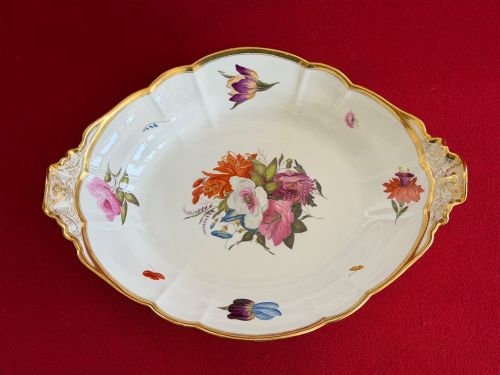
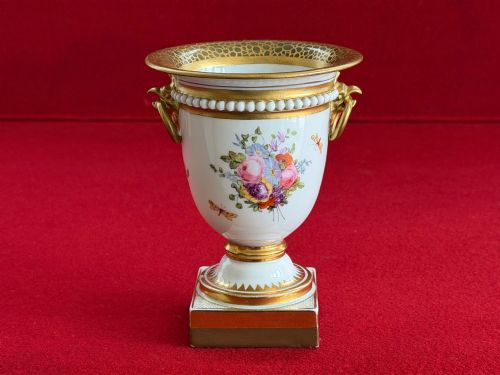
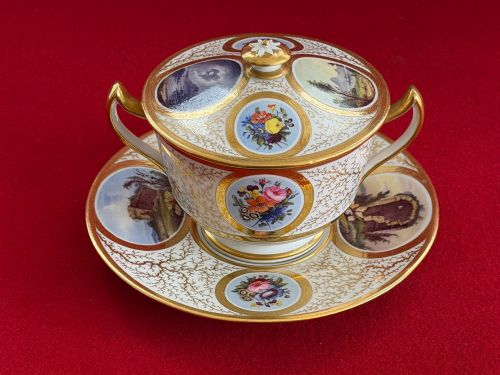
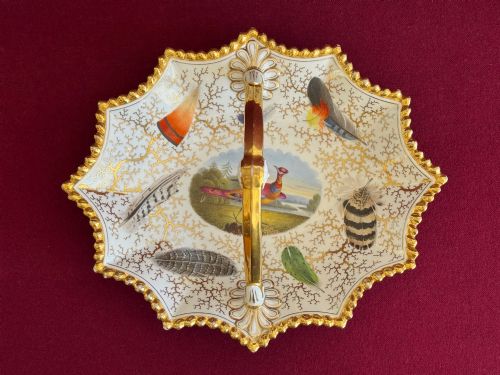
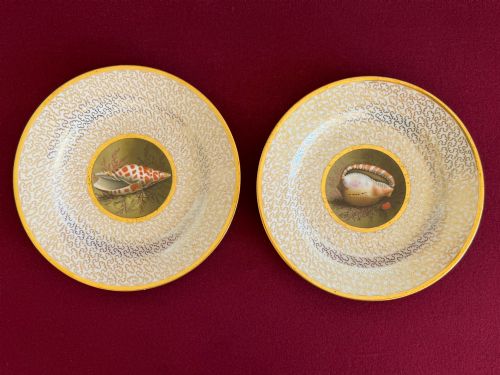
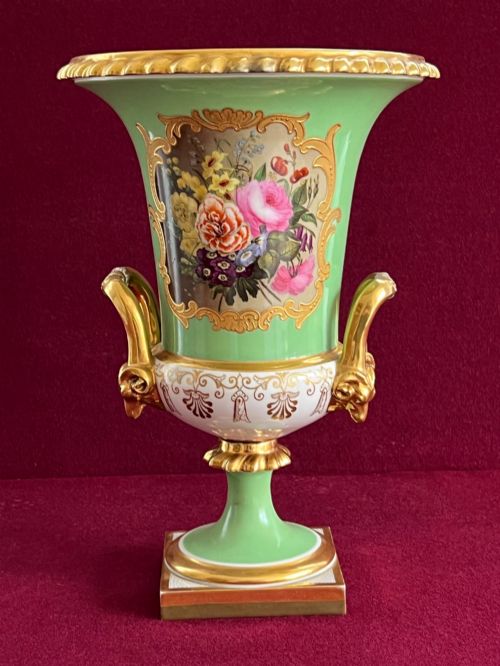
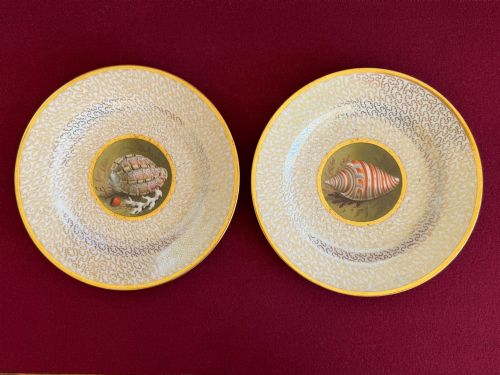
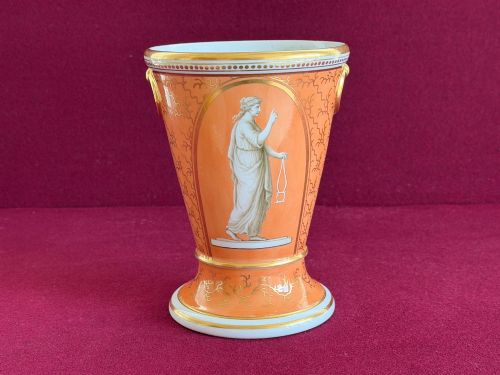
When you search for flight and barr porcelain, you are looking at fine English ceramics produced by the successive partnerships operating the Worcester factory during the Georgian and Regency periods. The forms appearing most frequently on this page range from cabinet plates and dessert services to decorative vases, jardinières, and tea wares.
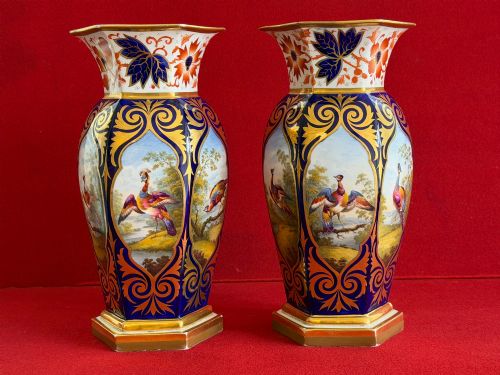
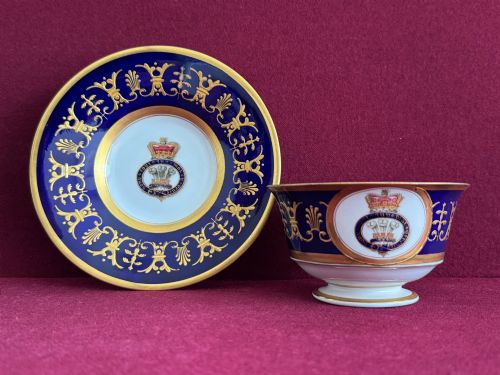
The objects span from the turn of the nineteenth century through the eighteen-twenties, encompassing both Georgian neoclassical restraint and grand Regency opulence. Many pieces carry hand-painted motifs such as botanical studies, topographical landscapes, and Japanese-inspired patterns like dragon in compartments.
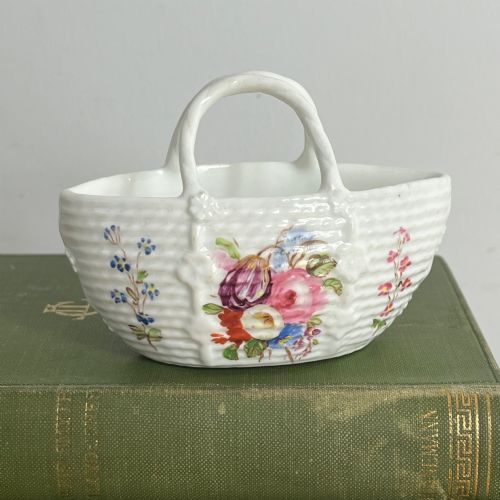
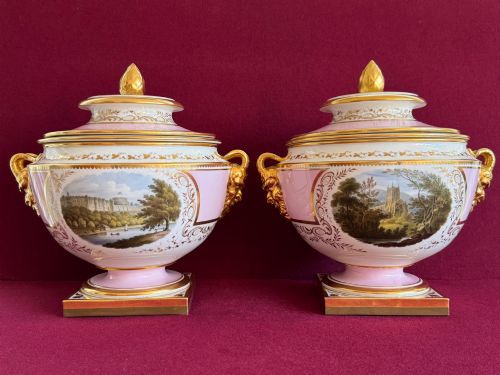
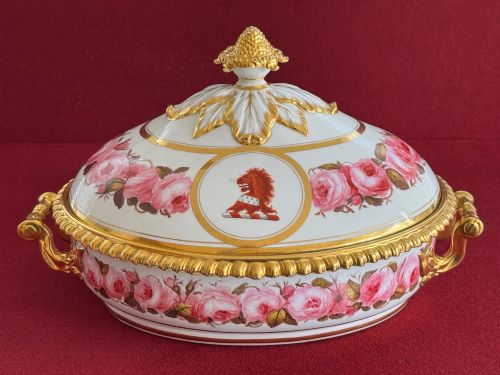
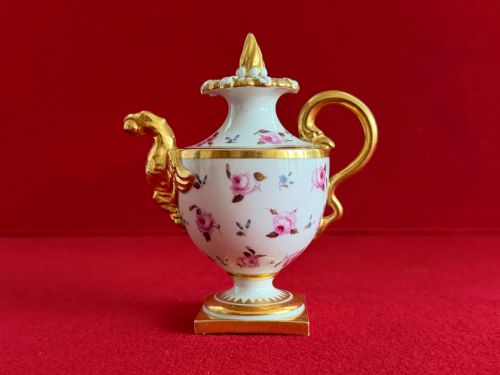
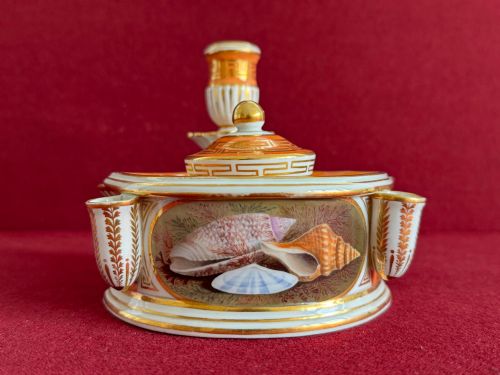
Vessels take various functional and ornamental shapes, including rose water sprinklers, ice pails, inkwells, and sauce tureens. These items reflect the height of domestic display and dining customs among the Regency elite.
Materials and Manufacture
The body of these pieces typically consists of refined porcelain, including soft-paste ceramic compositions that predate standard bone china bodies. Potters shaped these materials on wheels or pressed them into moulds to create delicate baskets, fluted coffee cans, and symmetrical urns.
Decoration relied heavily on meticulous hand-painting utilising cobalt enamel, rich enamel palettes, and applied gold leaf. Gilding was often burnished to a high finish, complemented by intricate reserves and gilded handles characteristic of the period.
Flight and Barr Porcelain Retail Price Guide 2026
Typical asking prices for flight and barr porcelain among the pieces listed under this phrase on Sellingantiques today, from the lower quarter to the upper quarter. They describe what is for sale here now, not the wider market.
Listings feature porcelain pieces spanning the Georgian, Regency, and nineteenth-century periods, utilising gold leaf, enamel, and cobalt.
Assessing Quality and Execution
Quality in flight and barr porcelain rests primarily on the ambition of the form and the skill of the painting. Pieces painted by named ceramic artists or featuring detailed topographical views command greater attention than standard floral motifs.
The density and application of the gilding further distinguish the output, with raised gold work and elaborate reserves representing the upper tier of production. Superior potting is evident in the crispness of moulded details and the flawless firing of complex shapes like garnitures and large vases.
Flight and Barr·Barr Flight and Barr·Flight Barr and Barr·Thomas Lowe·Samuel Astles·William Billingsley
The Flight and Barr Porcelain Glossary
- Cabinet plate
- A decorative plate intended for display on a wall or in a cabinet rather than for table service. These items usually feature elaborate hand-painted scenes or rich gilding.
- Coffee can
- A straight-sided cylindrical coffee cup without a handle, popular during the Georgian period. They were frequently paired with matching saucers.
- Garniture
- A set of three or more matching vases or decorative vessels designed to be displayed together on a mantelpiece or sideboard. They typically comprise a central taller piece flanked by smaller matching objects.
- Jardiniere
- An ornamental ceramic pot or stand designed to hold a plant or floral arrangement. These vessels often feature rich landscape painting or classical forms.
- Soft-paste porcelain
- An artificial ceramic paste composed of white clay and glassy frits, fired at lower temperatures than hard-paste porcelain. This material produced a warm, slightly creamy body favoured by early Worcester makers.
Flight and Barr Porcelain: Frequently Asked Questions
What is flight and barr porcelain?
Flight and barr porcelain refers to fine ceramic wares produced by the Worcester factory under the management of the Flight and Barr families during the late Georgian and Regency eras. The works are celebrated for exceptional painting, rich gilding, and refined neoclassical or chinoiserie forms.
Items range from everyday tea wares to grand cabinet pieces and decorative garnitures. Each phase of the factory partnership brought distinct marks and stylistic developments valued by collectors today.
How do I date these pieces?
Dating relies on factory marks found underneath the glaze, the style of the script used for the names, and the overarching decorative motifs. Georgian items often display simpler neoclassical restraint, whereas Regency examples embrace bolder colours and lavish gilding.
Written inscriptions, topographical titles, and stylistic changes in the partnership names provide further chronological markers. Comparing the paste and form to documented factory archives helps narrow the production window.
How were these ceramics used?
These porcelains served functional and display purposes in prosperous Regency households, gracing dining tables for tea, dessert, and formal dinners. Items like rose water sprinklers and inkwells fulfilled specific social rituals of the period.
Larger decorative vessels such as vases, jardinières, and ice pails were designed to signal taste and refinement in formal reception rooms. Cabinet plates were exhibited on stands or walls to showcase artistic patronage.
How should I display them?
Flight and barr porcelain is best housed in enclosed cabinets away from direct sunlight to protect the enamel colours and delicate gilding. Stable environments with moderate humidity prevent thermal shock to the ceramic body.
Pairing matching garniture sets or grouping topographical plates together enhances their visual impact. Gentle dusting with a soft brush is sufficient for routine maintenance.