



White Gilt Porcelain Vase
A white gilt porcelain vase combines crisp glazed ceramic with metallic gilding for a decorative display found across Georgian, Regency, and Victorian periods.
White Gilt Porcelain Vase
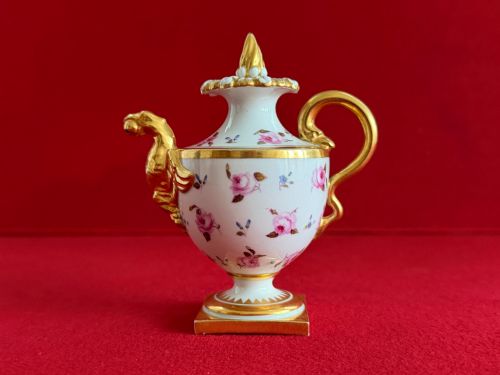
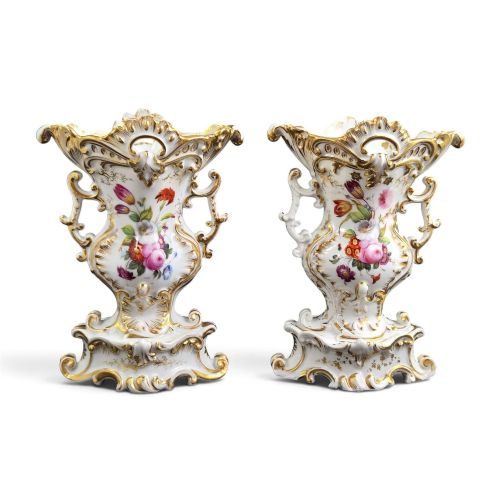
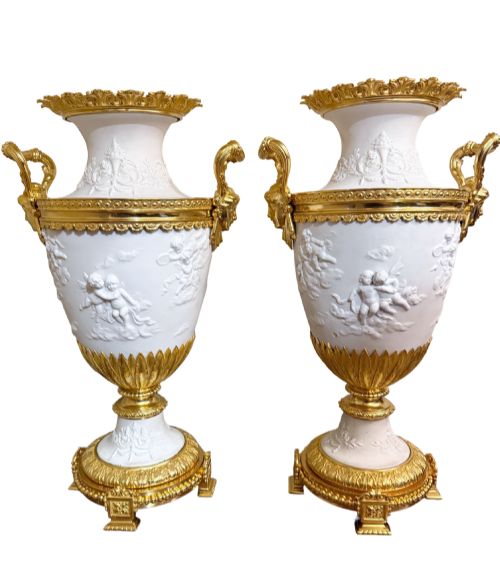
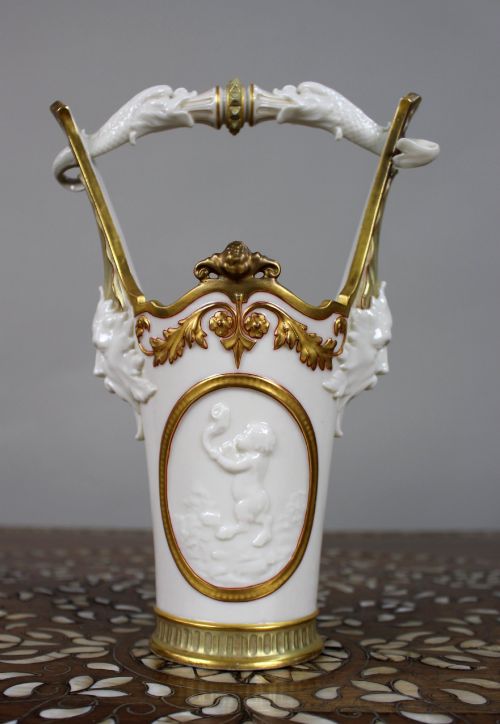
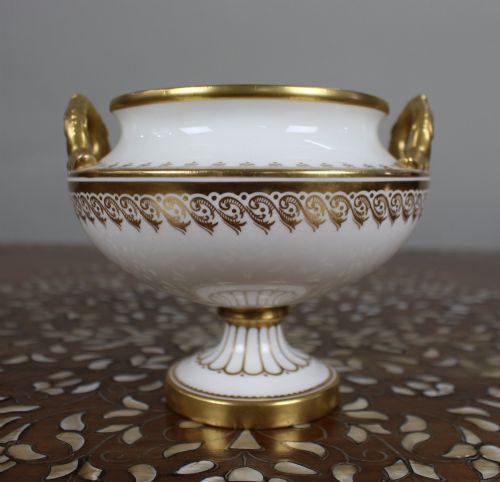
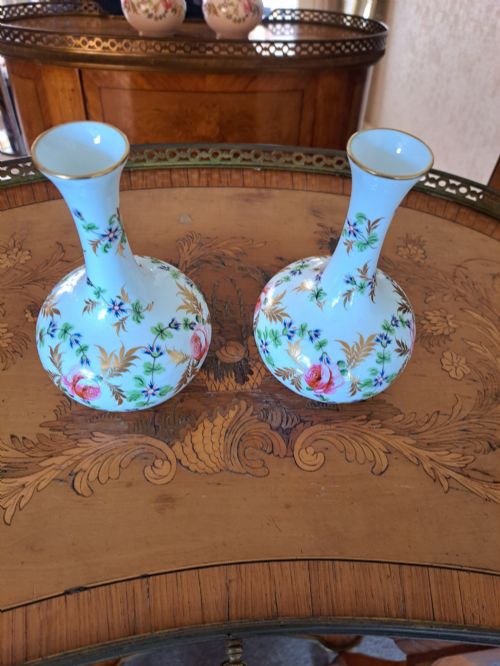
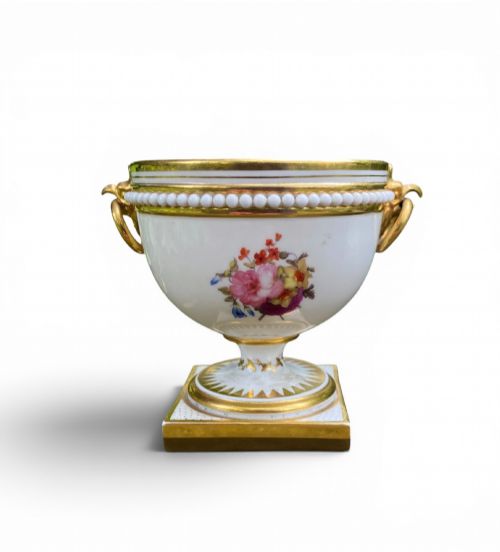
When you search for a white gilt porcelain vase, you are looking at ceramic vessels that combine a white glazed body with metallic gold ornamentation. These pieces appear in forms ranging from small spill vases and bud holders to large covered urns, table lamps, and pot pourri jars.
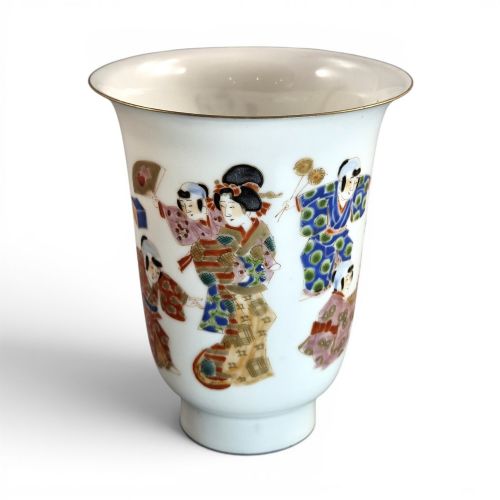
The selections on this page span several centuries and regions, originating from English factories like Worcester and Spode, continental centres such as Paris, Meissen, and Sevres, alongside Japanese Satsuma and Arita production. You will frequently encounter pairs designed for mantelpieces, alongside single cabinet pieces and converted table lamps.
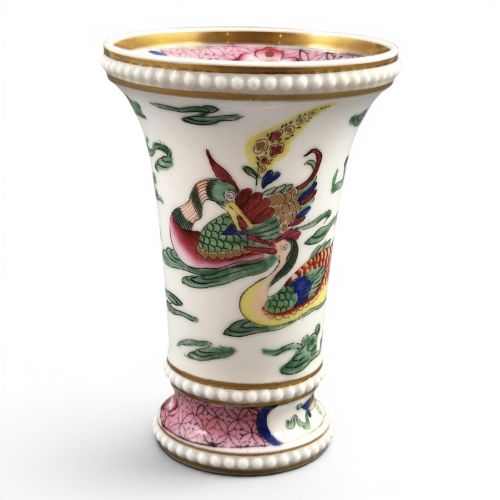
Makers utilised various stylistic influences, incorporating French Rococo revival curves, Neoclassical motifs, Chinoiserie patterns, and Empire styling. The forms adapt to different functional needs, from classical two-handled urn shapes to slender spill holders and exhibition pieces.
Materials and Technique
Makers fashioned these vessels using ceramic bodies formed from porcelain, ironstone, or eggshell porcelain, which were then fired before receiving hand-painted or enamelled decoration. Artisans applied gold leaf, liquid gilding, or gilt bronze mounts to accentuate handles, rims, and painted panels.
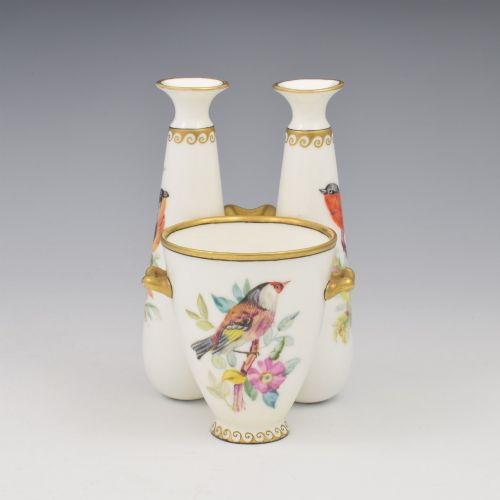
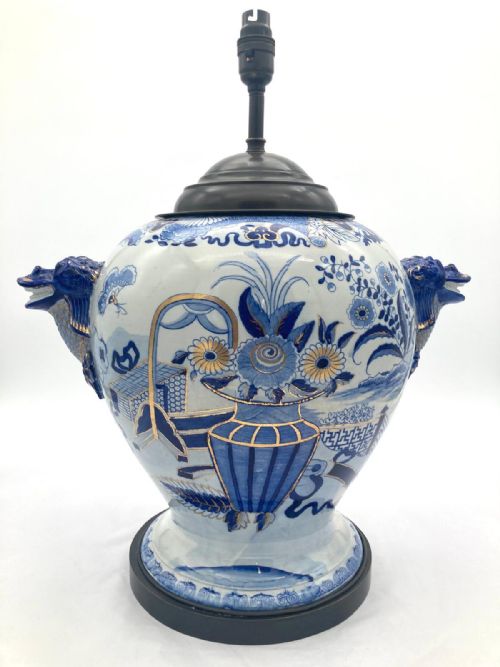
The decorative surfaces often feature raised white enamel work, known as pâte-sur-pâte, alongside detailed floral designs, ornithological subjects, and exotic bird motifs. Mounts of brass and gilt bronze were cast and attached to secure the porcelain bodies or convert them into functional lighting.
Listings include works originating from English potteries, French studios, German factories, and Japanese export kilns.
Measures of Quality
The standard of a white gilt porcelain vase rests upon the precision of the hand-painting and the crispness of the porcelain moulding. Pieces featuring detailed ornithological studies, delicate floral work, or raised enamel show greater hand skill than repetitive transfer printing.
The application and preservation of the gold leaf or gilding indicate the original workshop tier, with burnished highlights showing superior craftsmanship. Furthermore, the inclusion of cast gilt bronze mounts or finely detailed handles elevates the status of the vessel.
Flight Barr and Barr·Jacob Petit·Royal Worcester·Crown Derby·Hicks and Meigh·Spode·Meissen·Minton·Samson Paris·Masons·Dresden·Moorcroft Macintyre
The White Gilt Porcelain Vase Glossary
- Spill vase
- A tall, narrow vessel designed to hold taper candles used for lighting pipes or fires. These items often feature cylindrical bodies decorated with floral patterns.
- Gilding
- The application of gold leaf or gold dust to the surface of porcelain. This technique creates metallic highlights against the white ceramic body.
- Pot pourri
- A decorative jar or vase with a pierced cover designed to hold dried scented plant material. These containers often feature two handles and elaborate painted scenes.
- Urn
- A large ornamental vase, typically with a footed base and handles, modelled after classical forms. They frequently include fitted covers.
- Pâte-sur-pâte
- A method of ceramic decoration where wet white porcelain slip is built up in layers on a coloured or contrasting ground. This creates a low-relief cameo effect.
- Imari
- A style of Japanese export porcelain featuring a palette of underglaze blue, iron red, and added gilding. European factories frequently copied these distinct patterns.
White Gilt Porcelain Vase: Frequently Asked Questions
What are white gilt porcelain vases used for?
These vessels serve primarily as decorative objects for display on mantelpieces, side tables, and cabinets. Historical uses also included holding cut flowers, slender taper spills, or aromatic dried pot pourri.
Many examples from later periods have been adapted into table lamps while retaining their decorative ceramic bodies and gilt mounts.
How do I identify a Regency period vase?
Regency pieces often display Neoclassical or classical urn shapes influenced by ancient Greek and Roman forms. They frequently feature precise hand-painted botanical or landscape panels framed by clean gilt borders.
Maker marks from English factories active in this era, such as Worcester or Spode, help confirm the production date.
What is Old Paris porcelain?
Old Paris refers to items produced by numerous independent workshops operating in and around Paris during the eighteenth and nineteenth centuries. These pieces lack a single unified factory mark but are recognised by their bright enamels and generous gilding.
They frequently imitate styles from Meissen or Sevres, incorporating floral motifs and Empire aesthetics.
How should I clean a gilt vase?
Dust these vessels gently with a soft, dry brush to prevent removing the delicate gold leaf or hand-painted enamel. Avoid using liquid cleaners, chemical solvents, or abrasive cloths on the gilded surfaces.
If the piece is converted into a lamp, ensure it is unplugged and keep moisture away from any electrical components during maintenance.