


Flight Barr Worcester China
Flight barr worcester china represents the pinnacle of Regency and Georgian ceramic artistry, offering collectors refined porcelain pieces handpainted with intricate patterns.
Flight Barr Worcester China
When searching for flight barr worcester china, collectors encounter a sophisticated array of tableware and decorative pieces originating from the late Georgian and Regency periods. These items reflect the height of early nineteenth-century British ceramic production, spanning from the year 1800 through the 1820s.
Makers operating under the Flight, Barr and Barr partnerships produced both utilitarian dining vessels and ornamental display objects. Buyers frequently meet topographical plates, armorial services, and distinctive patterns featuring Japanese-inspired motifs.
Materials and manufacture
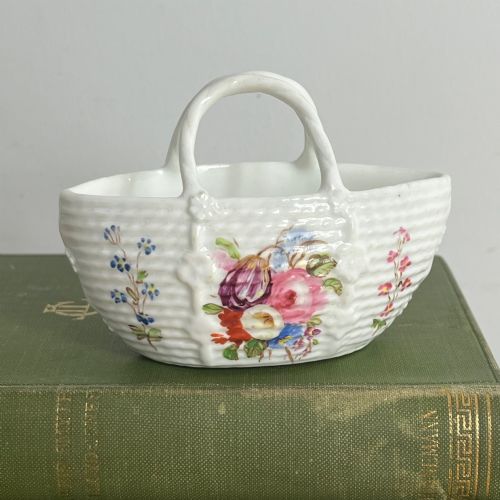
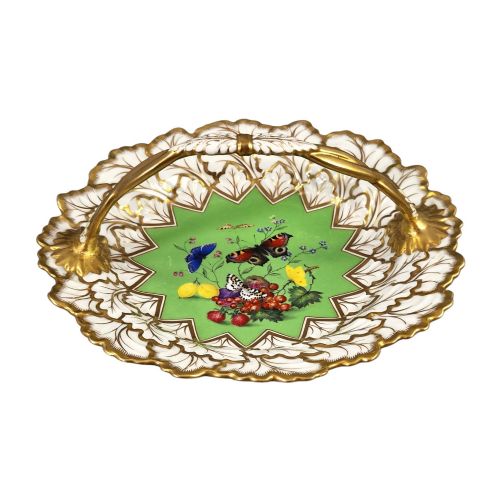
The foundation of flight barr worcester china lies in high-grade porcelain, shaped into functional vessels and decorative forms like bowls, dishes, and baskets. Artisans applied cobalt enamel and detailed handpainted designs, often depicting botanical studies, butterflies, landscapes, and figurative subjects.
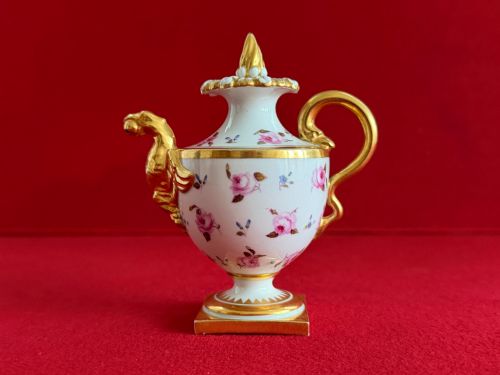
Surface enrichment relied heavily on gold leaf, gilt, and gilding to accentuate rims, handles, and compartment borders. Specialised decorators executed intricate patterns such as the Dragon in Compartments and Two Quail motifs, demonstrating advanced kiln firing and painting techniques.
Listings feature Regency and Georgian periods alongside materials including porcelain, enamel, gold leaf, and cobalt enamel.
Distinguishing quality among pieces
Quality in flight barr worcester china rests upon the precision of the handpainting and the complexity of the decorative scheme. Pieces featuring detailed topographical views, armorial bearings, or elaborate Japanese-inspired patterns demonstrate superior artistic execution compared to simpler designs.
The application of gold leaf and cobalt enamel also dictates the standard of a piece, with crisp brushwork and well-preserved gilding marking the upper echelon of output. Furthermore, specialised forms such as rose water sprinklers and miniature baskets require greater technical skill from the potter than standard flatware.
Flight Barr And Barr·Barr Flight And Barr·Samuel Astles
The Flight Barr Worcester China Glossary
- Cabinet plate
- A decorative plate intended for display in a cabinet rather than for table use. These often feature handpainted scenes or armorial bearings.
- Armorial
- Decorated with a coat of arms or heraldic insignia. Such porcelain was typically commissioned by landed families.
- Cobalt enamel
- A deep blue ceramic pigment applied under or over the glaze. It provides rich contrast in patterns like Dragon in Compartments.
- Gilding
- The application of gold or gold leaf to the surface of porcelain. It highlights rims, handles, and decorative borders.
- Entrée dish
- A lidded serving vessel used for serving courses during formal dinners. These pieces often match larger dessert and dinner services.
Flight Barr Worcester China: Frequently Asked Questions
What periods do these pieces date from?
The items span the late Georgian and Regency eras, generally covering the first two decades of the nineteenth century.
Production aligns with the operational periods of the Worcester factory partnerships active during this time.
How were these porcelain items used?
Many pieces functioned as part of large tea and dessert services for formal dining.
Others, such as cabinet plates and miniature baskets, served primarily as decorative ornaments in affluent homes.
What motifs appear on the china?
Common decorative themes include handpainted botanical studies, butterflies, topographical views of specific locations, and armorial bearings.
Japanese-inspired motifs such as the Dragon and Kylin pattern also feature prominently.
How do I identify the manufacturer?
Makers are identified through specific factory periods associated with the Worcester works, such as the Flight, Barr and Barr partnerships.
Individual decorators like Samuel Astles occasionally signed or are attributed to particular surviving works.