




Botanical Painted Porcelain Vase
A botanical painted porcelain vase brings garden flora indoors through hand-painted detail, offering collectors a rich piece of ceramic history.
Botanical Painted Porcelain Vase
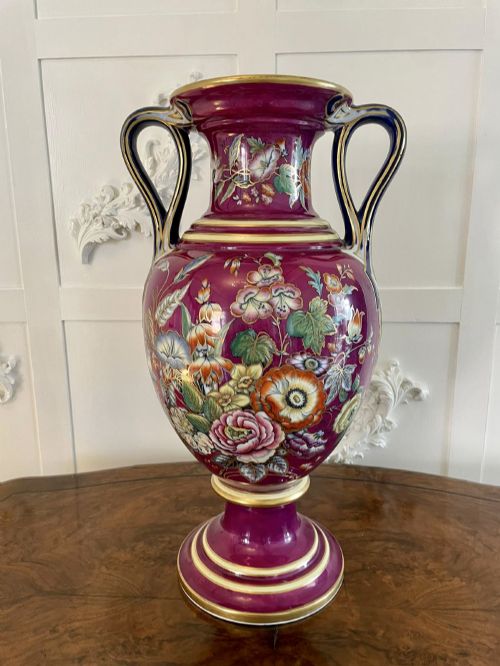
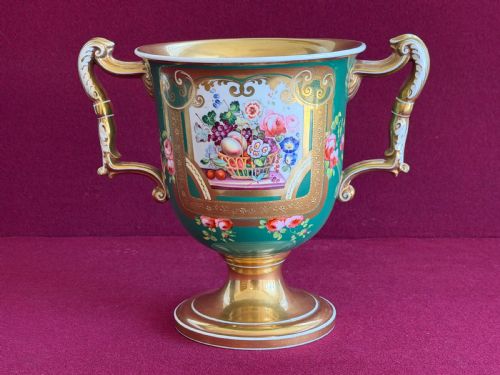
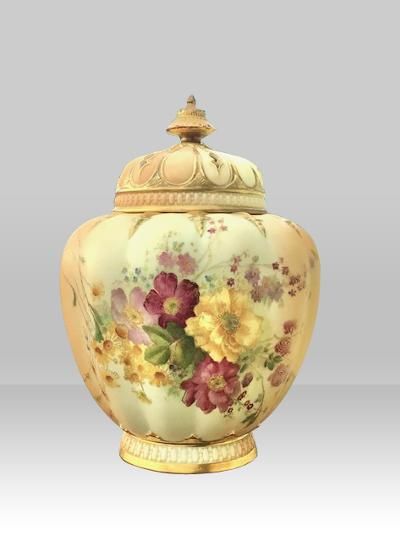
A botanical painted porcelain vase displays detailed floral artistry across forms ranging from twin-handled vessels and loving cups to pedestal ewers and pot pourri jars. When searching for a botanical painted porcelain vase, buyers encounter items spanning the Regency period through the Victorian era and into the early twentieth century.
The pieces on this page originate from English factories like Worcester and Spode, alongside continental European makers and Japanese workshops. Makers utilised bone china, porcelain, and ceramic bodies as canvases for botanical compositions.
Forms vary from grand urns and rose water sprinklers to converted lamp bases and oil paintings depicting flowers. Each item captures specific period aesthetics, including Neoclassical Revival, Aesthetic Movement, and Art Nouveau styles.
Materials and manufacture
Potters shaped fine porcelain, bone china, and ceramic bodies before applying white or tinted glazes as a smooth foundation for artists. Enamel colours were meticulously hand-painted onto the ceramic surface to render botanical subjects with botanical accuracy.
Gilding, gold leaf, and gilt accents were applied to rims, handles, and pedestals to frame the painted floral panels. Certain pieces combined traditional ceramic techniques with lacquer over-paint or specialised glazes like blush ivory.
Represented periods span from Regency and Victorian eras through the Aesthetic Movement, Art Nouveau, and early twentieth century.
Distinctions in quality
Quality rests primarily on the skill of the hand-painted botanical decoration, where precise brushwork and botanical accuracy elevate a piece above standard factory output. Superior examples display nuanced colour shading and thoughtful composition across the ceramic surface.
The sophistication of the porcelain body, the crispness of moulded twin handles or pedestal mounts, and the preservation of original gilding and enamel work determine the standing of each vessel. Maker attribution to notable manufactories also shapes the distinction of individual pieces.
H & R Daniel·Flight Barr and Barr·Meissen Porcelain·Spode China·Ernst Wahliss·Royal Worcester
The Botanical Painted Porcelain Vase Glossary
- Porcelain
- A hard, white, semi-translucent ceramic fired at high temperatures. It provides a smooth, refined surface ideal for detailed hand-painted decoration.
- Bone china
- A type of porcelain incorporating bone ash for increased strength and a warm, milky translucency. English potteries utilised it extensively for fine decorative vases.
- Gilding
- The application of gold leaf or powdered gold to ceramic surfaces. It highlights handles, rims, and borders on period vases.
- Enamel
- Vitreous coloured glass fused to ceramic surfaces through firing. It creates vibrant, permanent hues for floral painting.
- Pot pourri
- A decorative vessel pierced with holes in the lid to release the fragrance of dried flowers. These containers often featured hand-painted botanical decoration.
Botanical Painted Porcelain Vase: Frequently Asked Questions
Were these vases used for flowers?
Many vessels served primarily as decorative mantel or cabinet pieces rather than functional flower holders.
Some forms, such as rose water sprinklers and pot pourri vases, had specific aromatic or ceremonial uses.
How do I identify a Regency period piece?
Regency items often display Neoclassical forms with crisp white porcelain bodies and refined, restrained gilding.
Maker marks from factories operating in the early nineteenth century help confirm this dating.
What is blush ivory porcelain?
Blush ivory refers to a soft, matte cream-coloured ceramic body developed by factories like Royal Worcester.
It served as a popular background for naturalistic floral painting during the late nineteenth and early twentieth centuries.