
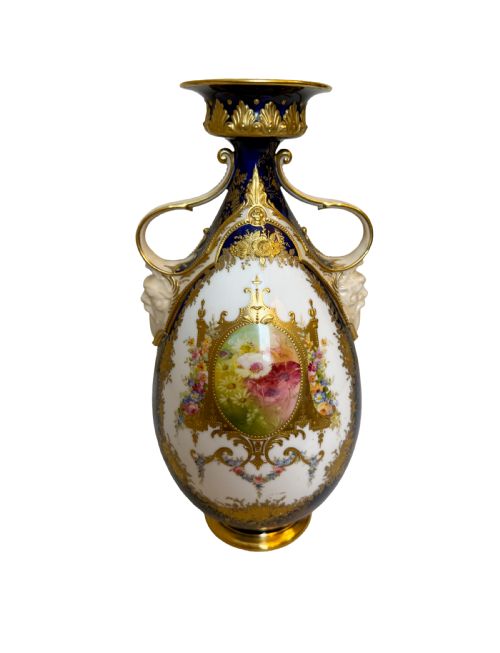
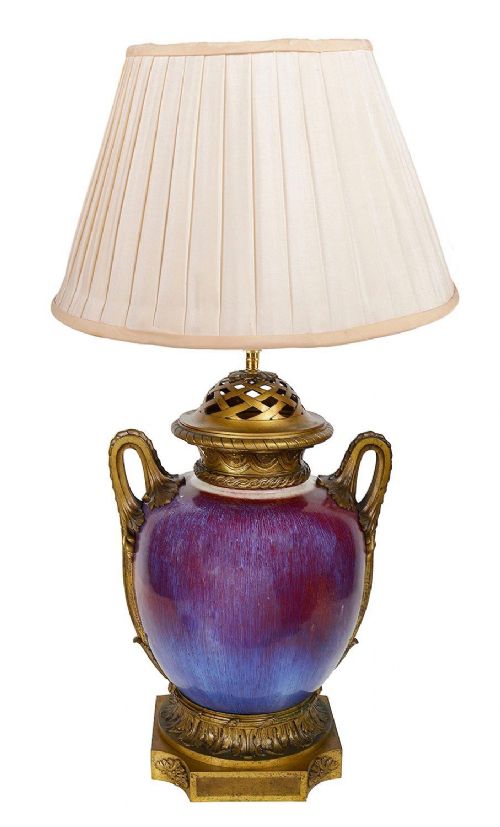


Antique Porcelain Table Vases
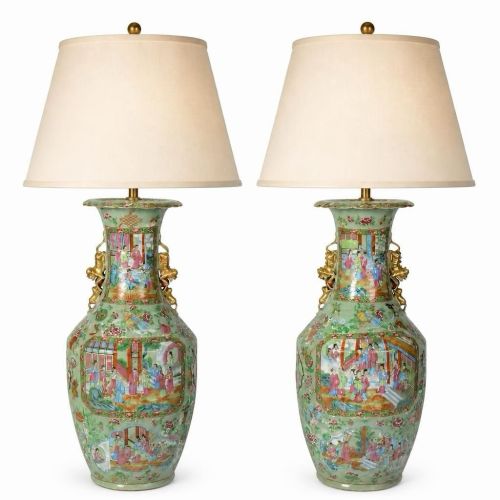
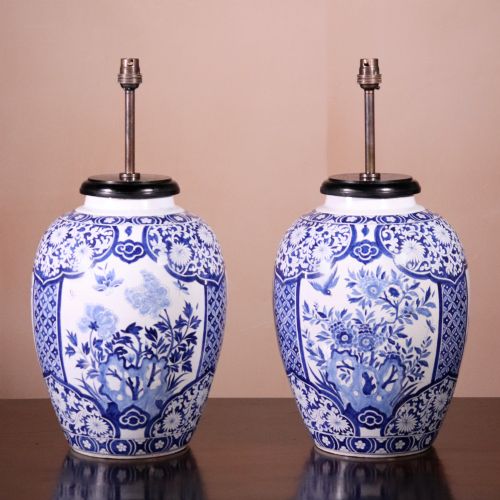
These antique porcelain table vases bring substantial historical presence to a room, frequently paired with electrical fittings or mounted in metal.
Antique Porcelain Table Vases
When you search for antique porcelain table vases, you encounter both original vessels and pieces subsequently adapted for domestic illumination.
The selection on this page relies heavily on nineteenth-century production alongside eighteenth-century forms and twentieth-century interpretations.
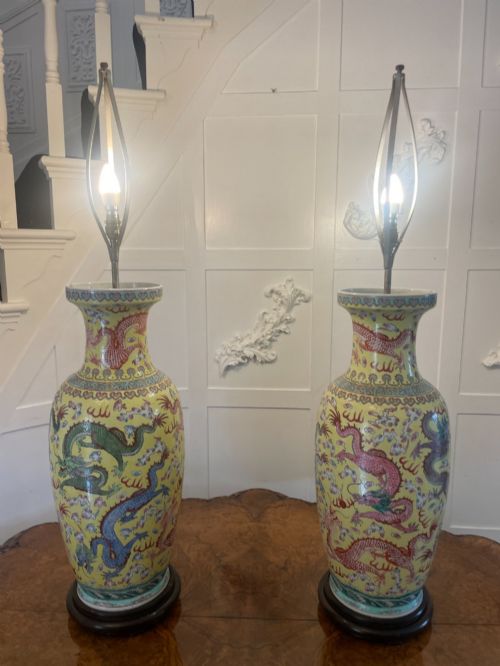
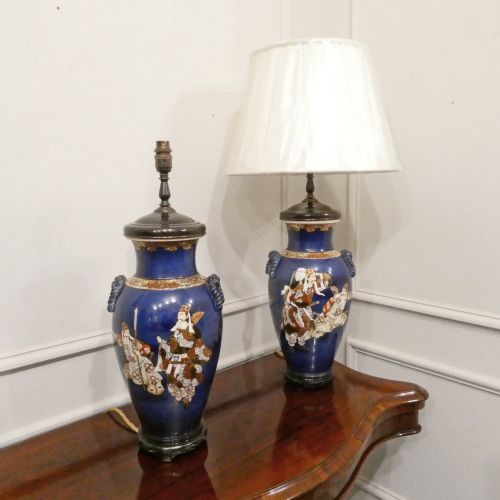
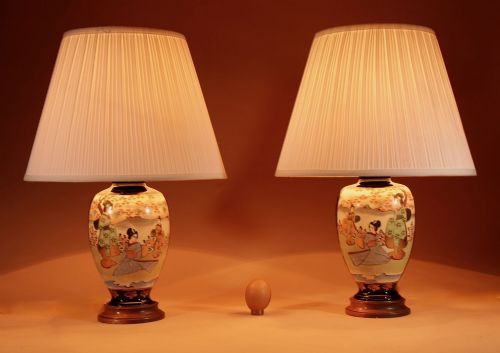
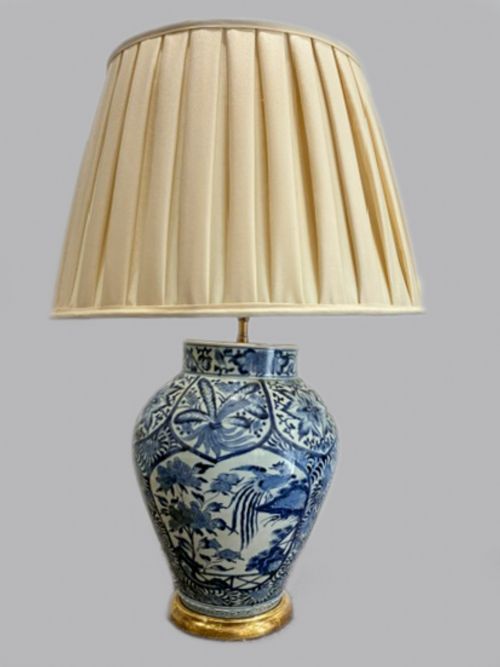
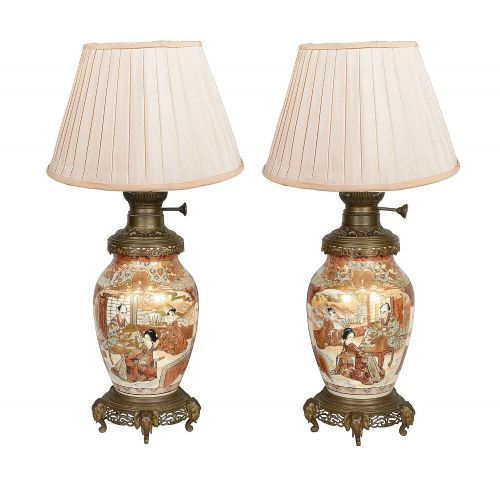
Common decorative schemes span Chinese export styles, Japanese Satsuma wares, and European manufactories including French and English kilns.
Materials and construction
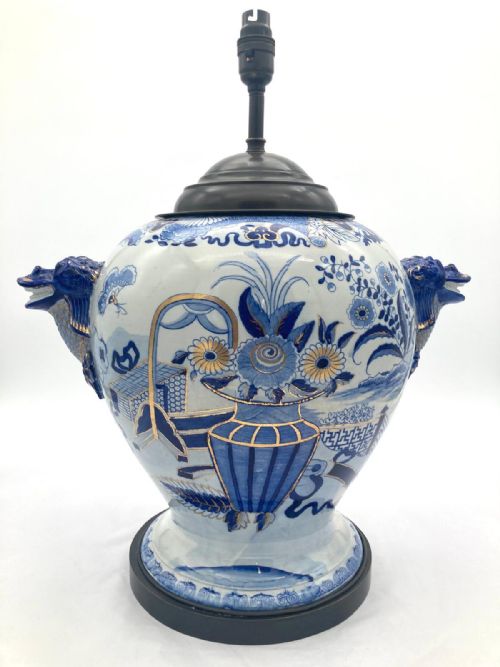
Makers shaped ceramic bodies from fine porcelain and ironstone, applying hand-painted glazes, enamels, and transfer prints before firing.
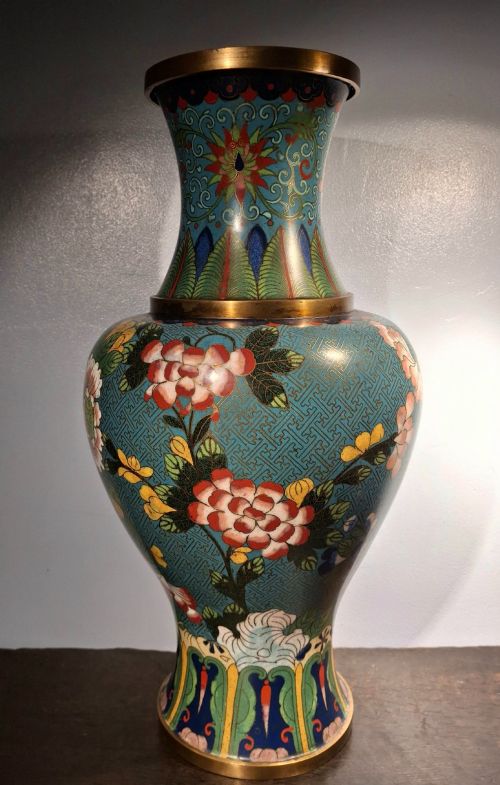
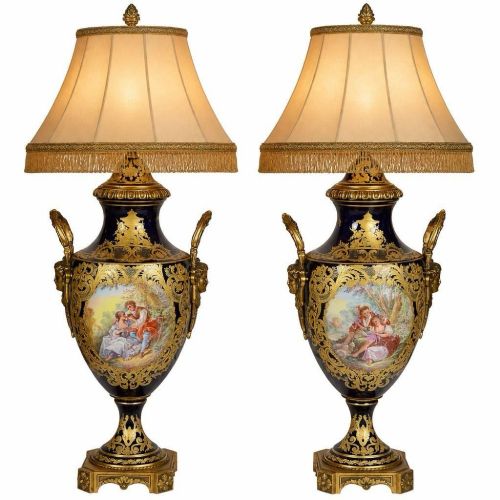
Many specimens incorporate gilt bronze, ormolu, brass, or wooden mounts added either during initial manufacture or subsequent conversion.
Listings feature periods ranging from the 17th century through to the Edwardian era, incorporating styles such as Chinoiserie and Meiji.
Judging the standard
Distinction lies in the crispness of the hand-painted brushwork, the depth of the glaze, and the proportional harmony of any metal mounts.
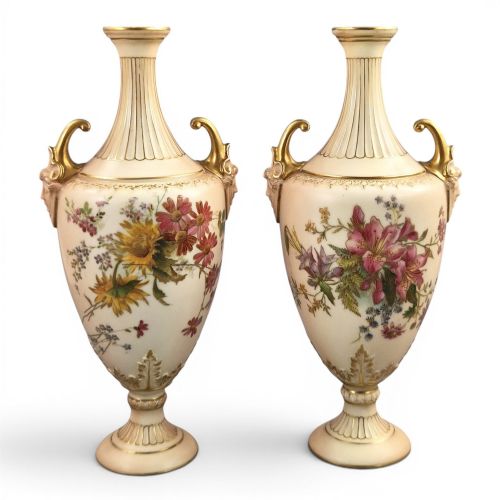
Presents of matching pairs command greater attention than isolated vessels, particularly where forms and decorative panels align closely.
Hicks and Meigh·Royal Vienna·Royal Worcester·Royal Doulton·Spode·Kinkozan
The Antique Porcelain Table Vases Glossary
- Famille rose
- A major palette of Chinese ceramic glazes distinguished by opaque pink enamel introduced in the eighteenth century.
- Satsuma
- Japanese earthenware and porcelain pottery originating from the Satsuma province, typically decorated with intricate crackle glazes and gilt figures.
- Gilt bronze
- Copper alloy metal cast and coated with a thin layer of gold, frequently utilised for mounts and bases on ornamental vessels.
- Celadon
- A term for ceramics denoting a pale green jade-like glaze originating in East Asia.
- Ironstone
- A heavy, durable type of utilitarian ceramic developed in nineteenth-century England as a robust alternative to porcelain.
Antique Porcelain Table Vases: Frequently Asked Questions
Are these vases wired for electricity?
Many examples on this page have been converted into table lamps, incorporating electrical fittings alongside their original ceramic bodies.
Buyers should inspect the wiring details and consult a qualified professional regarding current safety standards before connecting them to mains power.
How do I identify Chinese export porcelain?
Chinese export pieces typically display characteristic palettes such as famille rose or blue and white designs produced for Western markets during the eighteenth and nineteenth centuries.
Examining the base and glaze characteristics helps distinguish these items from later European revival styles.
What is a garniture set?
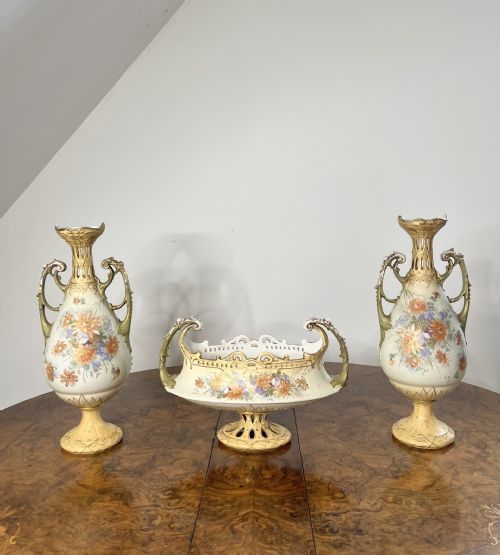
A garniture set consists of multiple matching vases or jars designed to be displayed together on a mantelpiece, sideboard, or centrepiece table.
These coordinated groupings often feature graduated sizes or alternating shapes sharing a unified decorative theme.
How should I clean antique porcelain?
Dust these decorative objects gently with a dry, soft cloth to prevent accumulation on textured glazes and hand-painted surfaces.
Avoid abrasive cleaners or submerging mounted pieces in water, as moisture can damage historical metals and adhesives.