
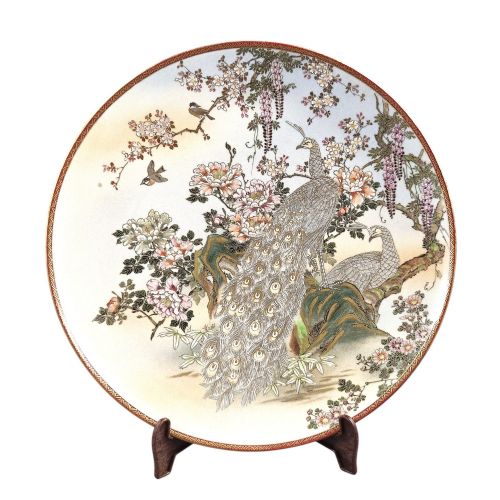


Antique Enamel Platter
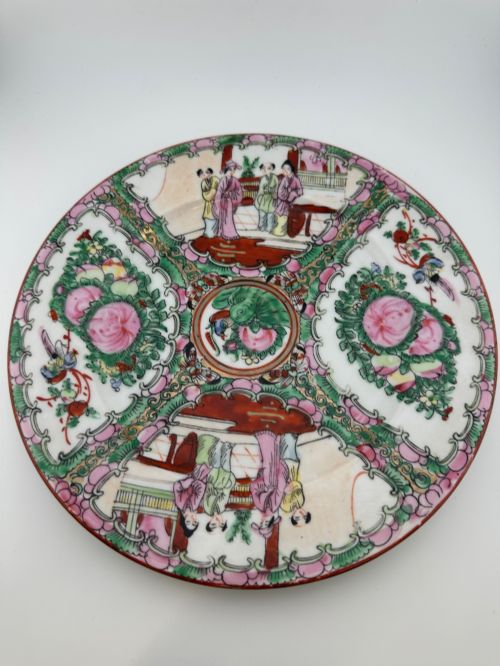
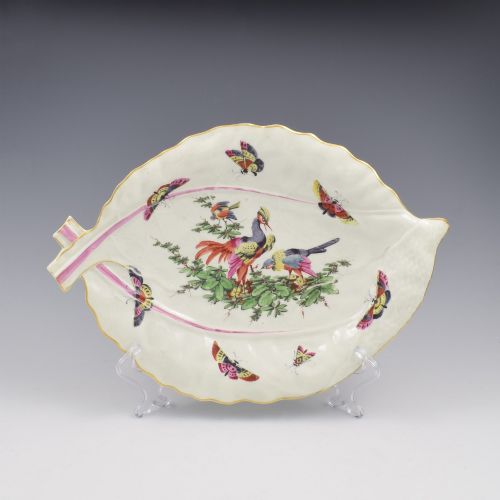
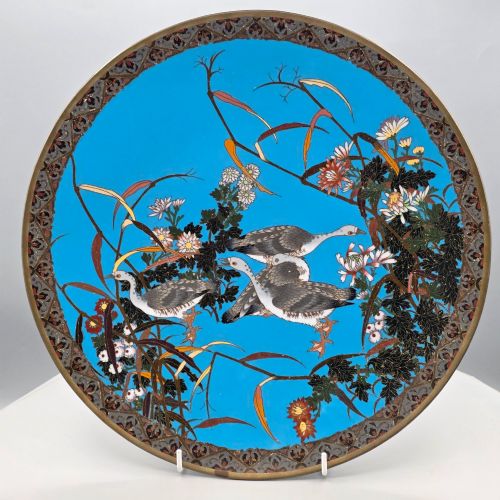
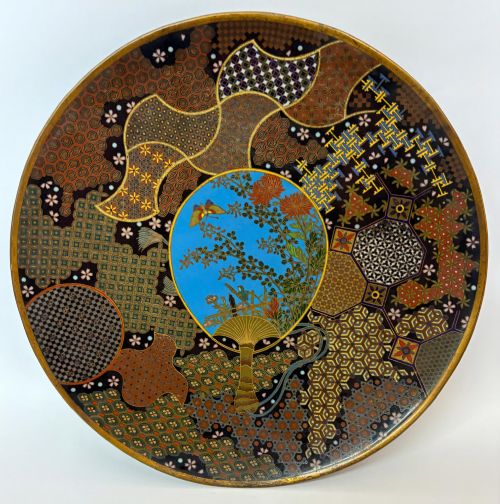
When you search for an antique enamel platter, you step into a world of vibrant Japanese cloisonne chargers and European decorative dishes.
Antique Enamel Platter
The antique enamel platter category encompasses a variety of large decorative vessels, primarily featuring Japanese chargers, dishes, and trays from the Meiji and Edo periods. These pieces serve as striking wall or tabletop displays, originating from workshops that mastered metalwork and ceramic integration.
Buyers frequently encounter cloisonne enamel items alongside porcelain dishes decorated with famille verte or Kutani styles. Production spans the nineteenth century, with many examples originating from Japanese centres like Nagoya alongside French Sevres porcelain pieces incorporating champleve enamel.
Materials and construction methods
Craftsmen built these items using a foundation of copper or porcelain, applying vitreous pastes into compartments delineated by fine brass wire or metal mounts. Techniques such as totai shippo involved applying cloisonne enamel directly over a porcelain base to simulate tree bark textures.
Makers integrated gold leaf and gilt bronze mounts to enhance the decorative surface, while pigments fused under intense heat to create permanent colour fields. Detailed hand painting accompanied enamel work on porcelain formats like Arita and Kutani vessels.
Listings feature items spanning from the eighteenth century through the Meiji and Edo periods, utilising copper, porcelain, brass wire, and gold leaf.
Factors that define quality
Execution of fine detail separates standard decorative items from superior works, particularly in the precision of the brass wirework and the complexity of naturalistic motifs such as dragons, koi, and birds. Signed pieces from established makers exhibit a higher degree of finish across the enamel surface.
Scale and ambition dictate distinction, with massive chargers requiring exceptional kiln control to prevent warping or cracking during the fusing process. The depth of the colour palette and the clarity of the imagery determine the visual impact of each dish.
Kinkozan
The Antique Enamel Platter Glossary
- Cloisonne Enamel
- A technique where vitreous enamel is applied within compartments formed by soldering flat metal wire onto a metal base. This method creates intricate patterns of coloured cells across chargers and trays.
- Totai Shippo
- A Japanese method where cloisonne enamel decoration is applied directly onto a porcelain body rather than a metal foundation. Pieces often feature textured grounds that mimic natural materials like tree bark.
- Charger
- A large decorative plate utilised primarily for display on walls or central tables rather than for dining purposes. These vessels provide a wide canvas for pictorial enamel and painted scenes.
- Champleve Enamel
- A process where troughs or cells are carved or cast directly into the surface of a metal object and filled with enamel paste. This European technique appears frequently on nineteenth-century centrepieces with bronze mounts.
- Meiji Period
- A Japanese historical era spanning from 1868 to 1912 noted for a surge in high-quality metalwork and enamel production directed toward international collectors. Works from this time display advanced wirework techniques.
Antique Enamel Platter: Frequently Asked Questions
How were antique enamel platters used?
These large vessels were primarily created for display on walls, sideboards, or tables to showcase wealth and artistic achievement.
They served as decorative art objects rather than functional tableware for dining.
What is the difference between cloisonne and totai shippo?
Cloisonne involves wire cells applied to a copper or metal base to hold the enamel pastes.
Totai shippo places the enamel and wirework directly onto a porcelain body, sometimes mimicking textures like tree bark.
How do I care for an antique enamel dish?
Keep the piece away from direct sunlight and extreme temperature fluctuations to protect the metal and vitreous glass surfaces.
Dust gently with a soft dry cloth and avoid liquid cleaners or abrasive materials.
How can I tell the Meiji period pieces apart?
Meiji period items often feature refined brass wirework depicting natural subjects like birds, dragons, and flowers with precise detail.
Many of these chargers bear artist signatures on the reverse or base.