
Antique Dress Stick
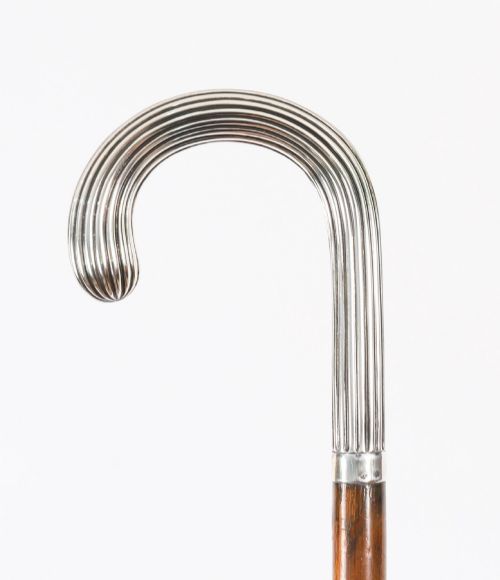
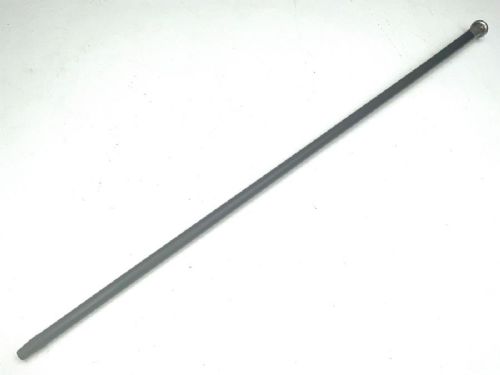
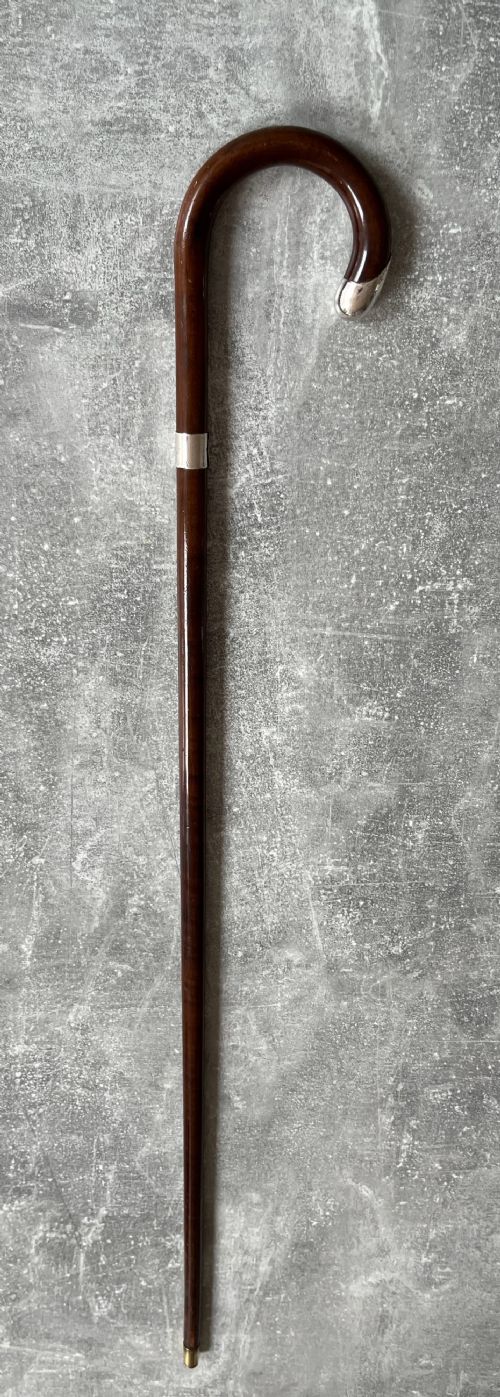
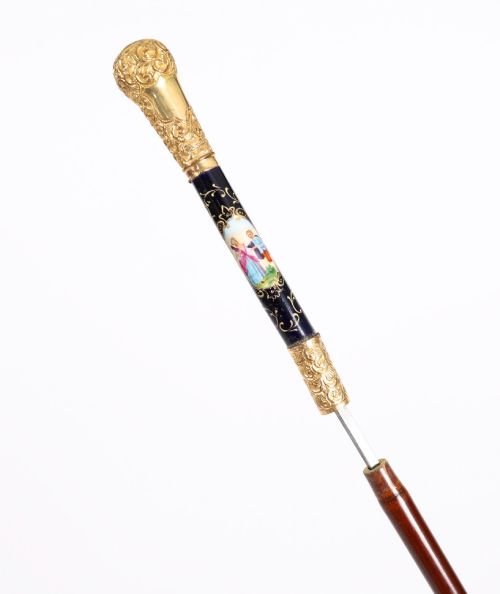
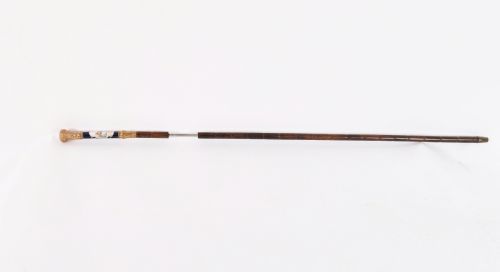
When you search for an antique dress stick, you find walking canes and sword sticks fitted with silver, gold, or porcelain handles designed for formal daytime wear.
Antique Dress Stick
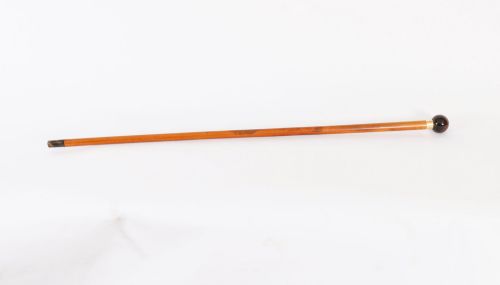
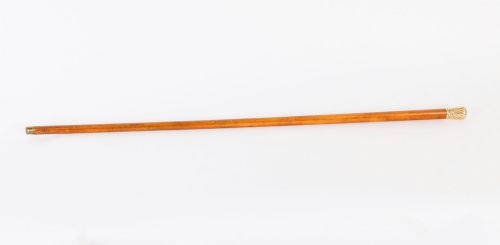
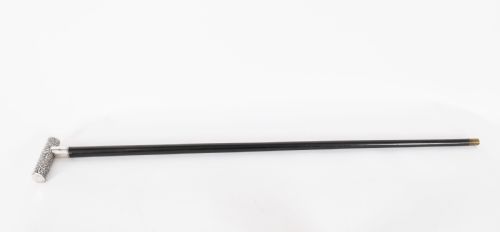
An antique dress stick functions primarily as a gentleman's accessory for formal promenade rather than a simple orthopedic aid. These pieces range from Victorian ebonised wood shafts to Edwardian examples featuring detailed metal mounts.
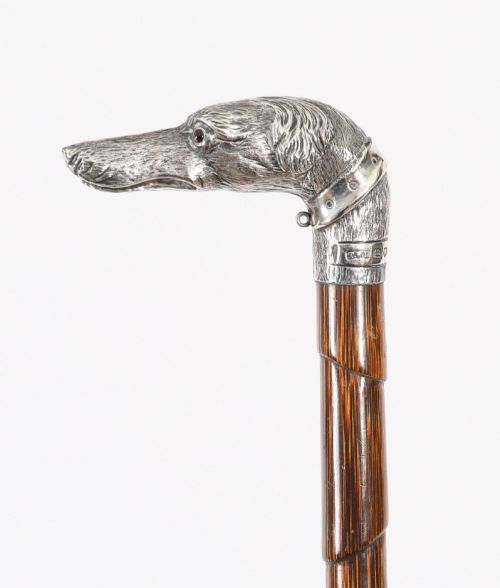
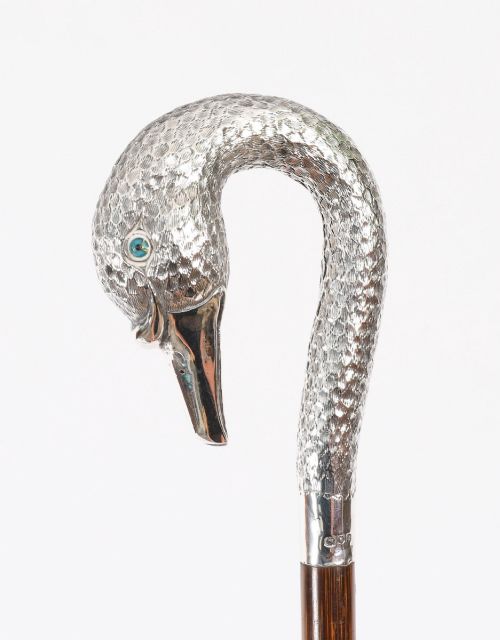
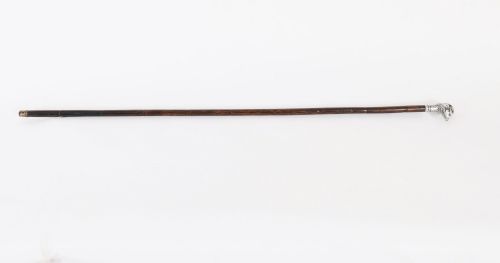
Collectors encounter diverse forms including sword sticks, watch canes, and novelty animal handles such as greyhounds, ducks, and boars. French, British, and Continental makers produced these items extensively across the nineteenth and early twentieth centuries.
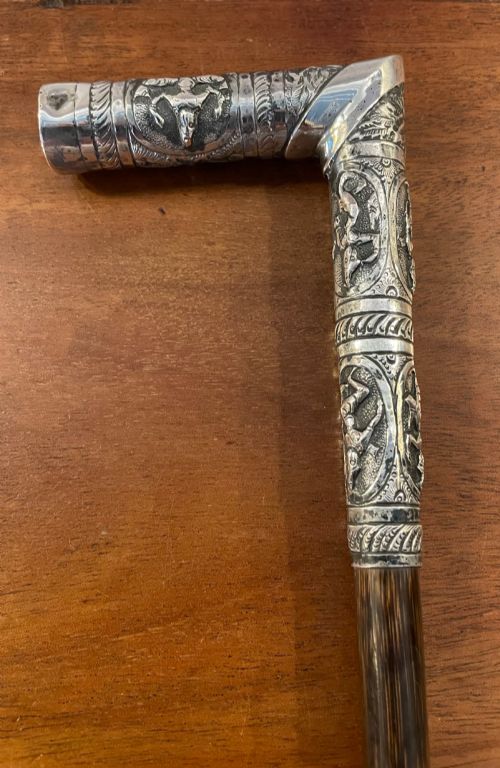
The category encompasses sophisticated variants like Chinese export silver pieces and French porcelain-handled items alongside military-associated examples. Most surviving specimens date from the Victorian and Edwardian periods, reflecting the strict dress codes of the era.
Materials and Construction
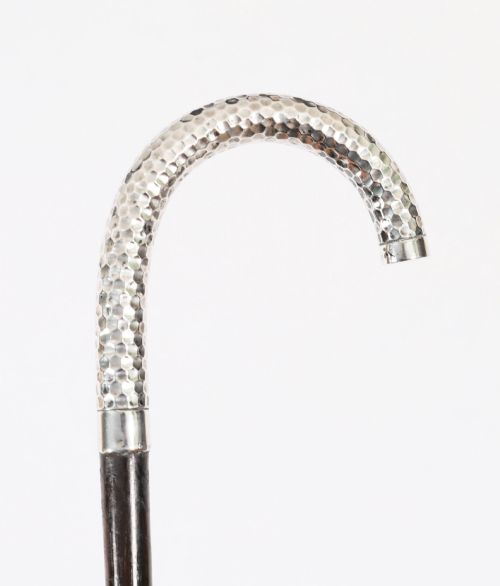
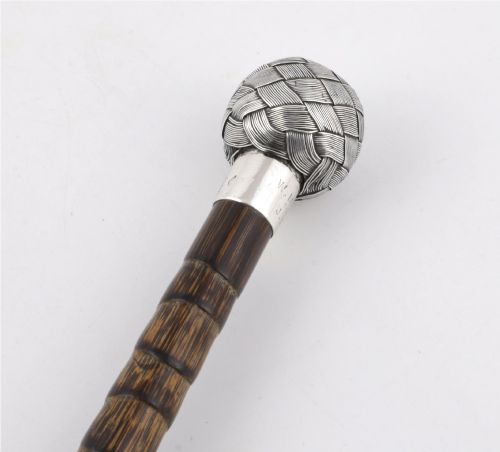
Craftsmen utilised robust natural woods such as hazel, bamboo, snakewood, and ebonised wood for the shafts, frequently incorporating hidden steel blades or functional watch movements inside. Handles required precise metalworking, casting solid silver, 18-carat gold, brass, and gold-plated mounts into animal forms or smooth pommels.
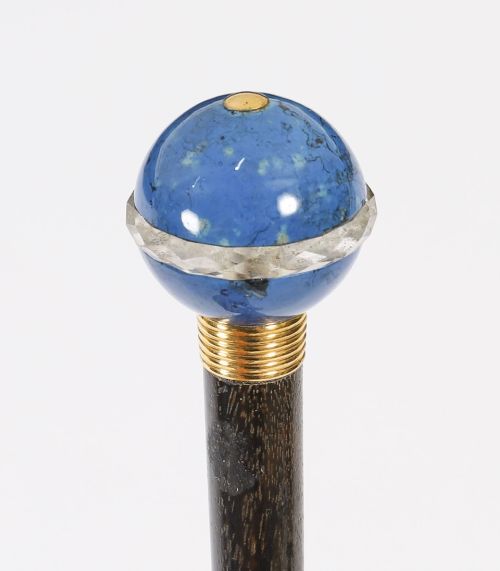
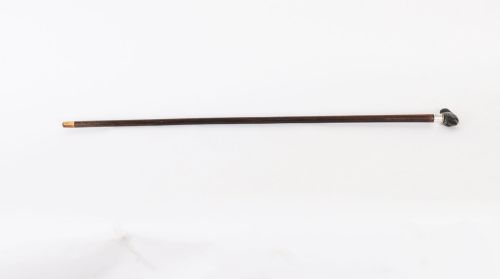
Specialised decorative techniques defined the finer handles, incorporating hand-painted Sevres porcelain, intricate silver wire knotwork, and carved lapis lazuli. Smiths mounted these ornate grips securely to the wooden shafts using internal screw threads and collars.
A gentleman could check the time or defend his honour using the exact same carved duck head.
Markers of Quality
The integrity of the shaft and the precision of the fit between handle and body separate standard production from high-end commissions. Maker marks, clear silver hallmarks, and precious metal pommels elevate the standing of individual pieces.
Brigg·Thomas Johnson·Henry Borlase Stevens
The Antique Dress Stick Glossary
- Pommel
- A rounded or decorative knob forming the handle of a walking stick. This top portion often bears hallmarks or precious metal work.
- Ebonised wood
- Timber treated to resemble dense, dark ebony. This finish provided a sleek backdrop for silver or gold mounts.
- Sword stick
- A walking cane concealing a functional steel blade within the shaft. These pieces usually feature a secure locking mechanism.
- Hallmark
- An official stamp applied to precious metals indicating purity and origin. These marks help verify the date and maker of silver mounts.
Antique Dress Stick: Frequently Asked Questions
What is an antique dress stick?
An antique dress stick is a refined walking cane or sword stick created for formal social occasions during the nineteenth and early twentieth centuries.
These accessories featured ornate silver, gold, or porcelain handles atop slender wooden shafts to complement a gentleman's formal attire.
How were sword sticks used?
Sword sticks served a dual purpose as fashionable walking supports and discreet personal protection items during urban promenades.
Gentlemen carried them as standard components of formal dress while maintaining immediate access to a hidden steel blade.
How do I identify the period?
Dating relies heavily on metal hallmarks, maker signatures, and stylistic shifts spanning the Victorian and Edwardian eras.
Specific animal motifs, porcelain types, and regional manufacturing traits also help narrow the production window.
Are all dress sticks swords?
Many dress sticks are purely decorative canes featuring animal heads, precious metal pommels, or integrated watch mechanisms rather than blades.
Sword sticks represent a specific subcategory designed with concealed internal steel weapons.