

Antique Dog Ornaments
These antique dog ornaments range from Staffordshire pottery spaniels to French animalier bronzes, offering character and history for any mantelpiece.
Antique Dog Ornaments
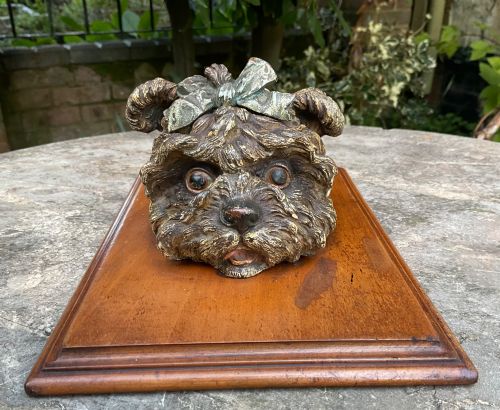
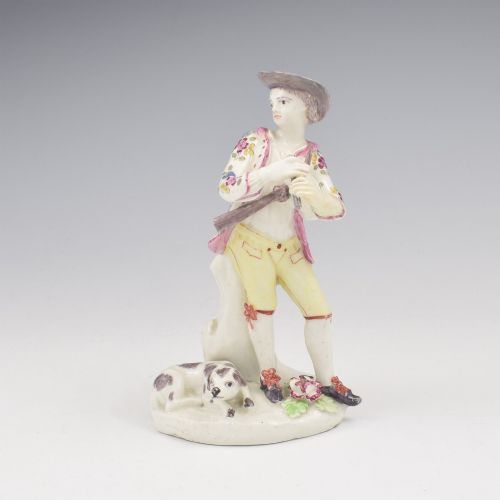
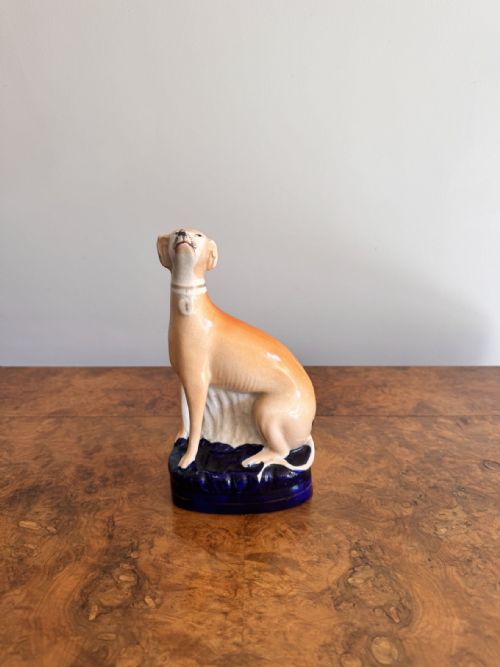
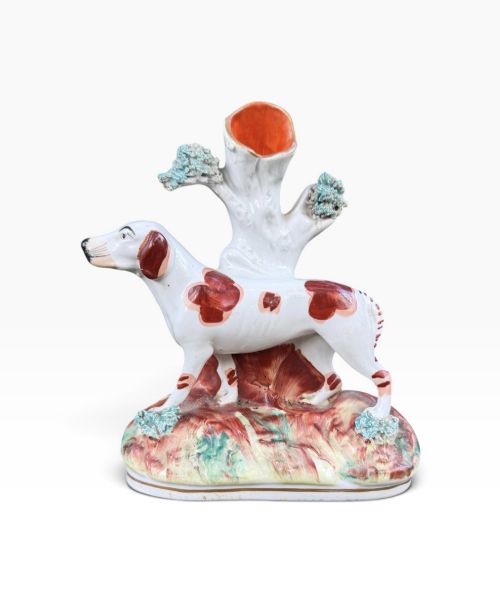
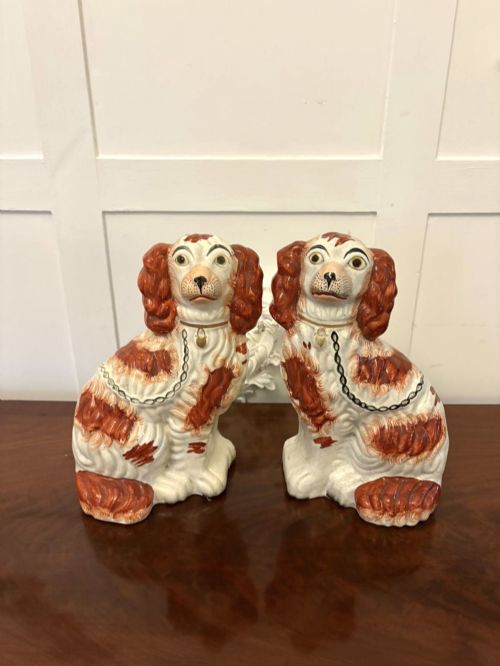
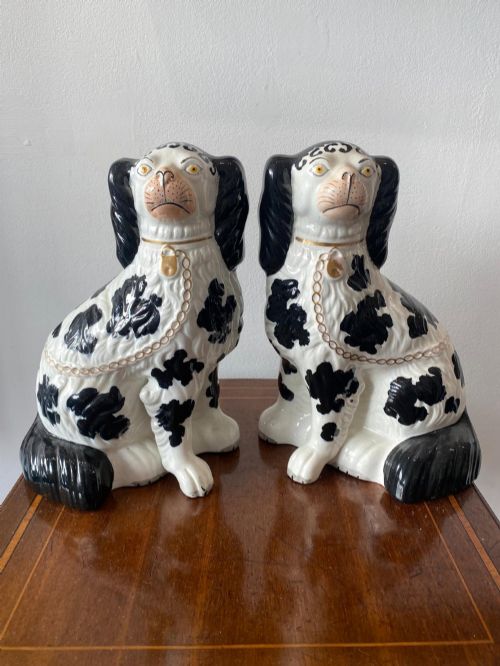
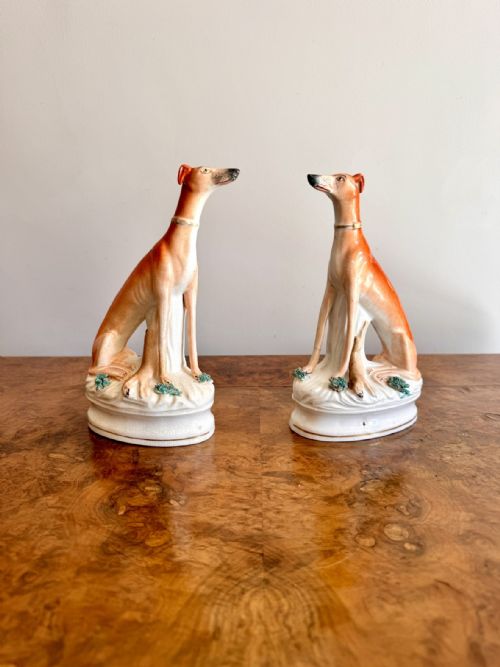
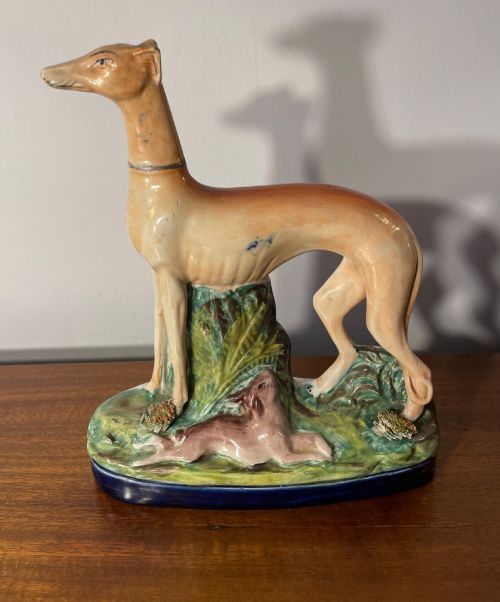
When you search for antique dog ornaments, you encounter a varied selection of sculptural figures, decorative objects, and fireplace accessories spanning the nineteenth and early twentieth centuries. The most common form on this page is the Staffordshire pottery dog, frequently seen as pairs of seated spaniels, poodles, greyhounds, and pugs originating from Victorian workshops.
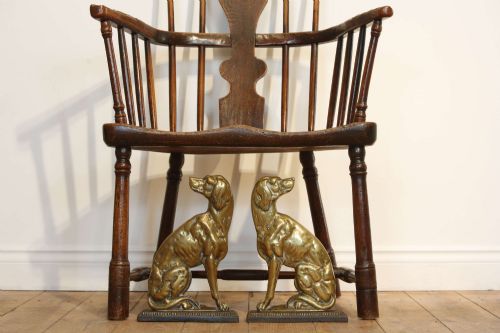
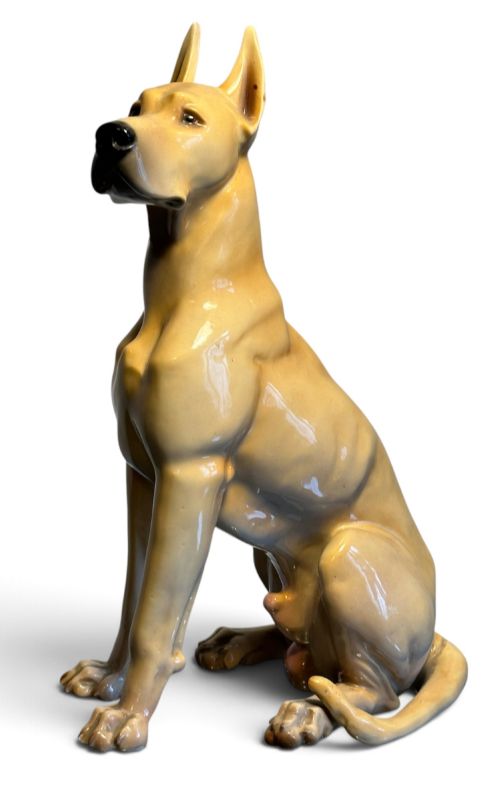
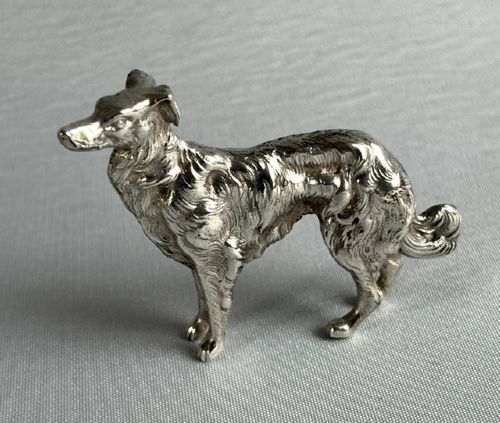
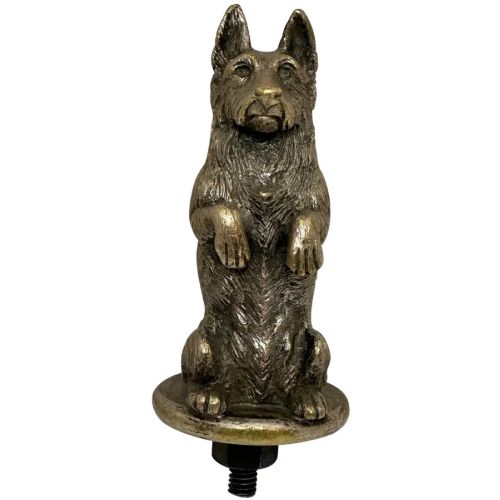
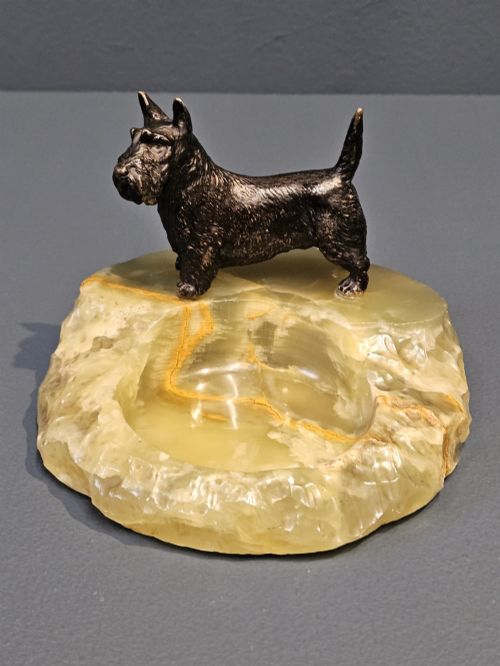
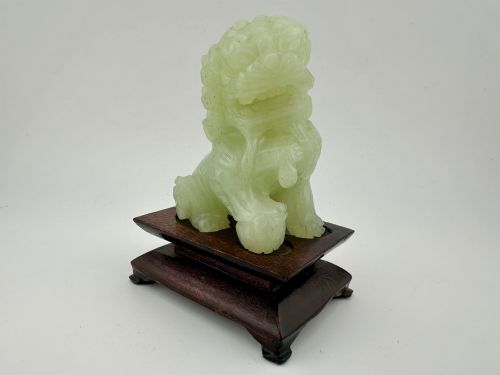
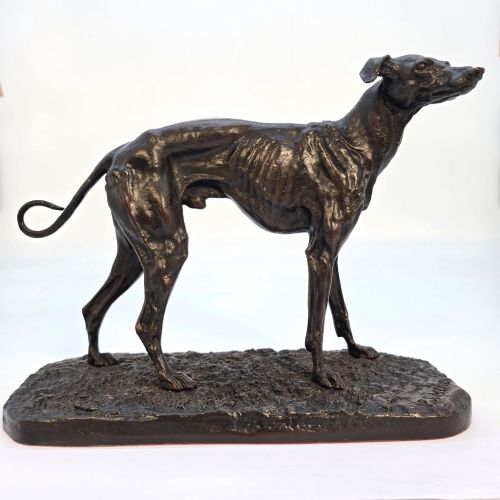
Beyond earthenware pottery, the selection incorporates European and Asian metalwork, including cold-painted Austrian bronzes, French animalier sculptures, and Japanese bronze okimono. Porcelain figures from German and English factories also appear, alongside larger cast lead hounds and brass fire dogs designed for domestic hearths.
These pieces served both decorative and functional roles in period homes, functioning as mantel ornaments, table lighters, candlesticks, and andirons. The variety reflects the diverse ways past makers interpreted canine subjects across different materials and social settings.
How they were made
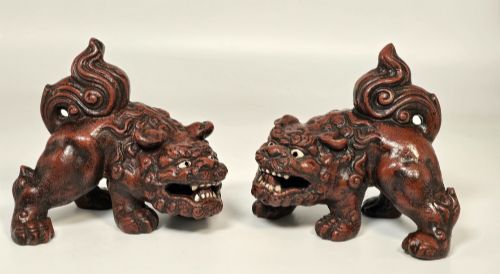
Metal sculptures involve casting techniques such as bronze work and brass shaping, often enhanced with cold-painted pigments or gold leaf details. Terracotta pieces utilise shaped earth fired to a durable finish, capturing fine textural details in animal fur and folds.
Antique Dog Ornaments Retail Price Guide 2026
Typical asking prices for dog ornaments among the pieces listed under this phrase on Sellingantiques today, from the lower quarter to the upper quarter. They describe what is for sale here now, not the wider market.
Listings feature Victorian earthenware pottery, Japanese bronze okimono, and Austrian cold-painted bronzes spanning the nineteenth and twentieth centuries.
What varies in quality
Quality rests primarily in the sharpness of the moulding and the sensitivity of the hand painting, particularly around the eyes, muzzle, and markings. Superior ceramic figures retain crisp detail and cleanly applied glazes without blurring or excessive surface pooling.
In metalwork, the distinction lies in the fidelity of the casting and the preservation of original cold-painted finishes or patination. Pieces signed by recognised modellers or originating from established workshops demonstrate superior artistic execution and anatomical precision.
Alfred Barye·Dora Heber·Tsunemitsu·Shosai·Masaaki·Pierre Jules Mene·Jules Moigniez·Thomas Parr
The Antique Dog Ornaments Glossary
- Animalier
- A nineteenth-century artistic movement and style focused on the realistic depiction of animals. Sculptors in this tradition studied anatomy closely to capture movement and behaviour.
- Cold-painted bronze
- A method where bronze sculptures are painted with non-heat-set paints, usually oil-based colours. This technique was particularly popular in late nineteenth-century Austrian workshops.
- Okimono
- A Japanese term for a decorative object or sculpture meant for display on a shelf or in a traditional alcove. These small-scale carvings and metal castings showcase intricate craftsmanship.
- Staffordshire dog
- Earthenware figures produced in the Staffordshire potteries of England, most famously representing seated spaniels intended as mantel garnitures. They typically feature hand-painted highlights and gold chain details.
- Andirons
- Also known as fire dogs, these are horizontal metal supports placed in a hearth to hold logs. Antique examples often incorporate decorative animal or human figures at the front.
Antique Dog Ornaments: Frequently Asked Questions
What are Staffordshire comforter spaniels?
Staffordshire comforter spaniels are earthenware pottery figures modelled after King Charles Spaniels, traditionally placed on Victorian mantelpieces facing inward toward each other.
Parks of these dogs became staples of nineteenth-century domestic interiors, often distinguished by copper lustre markings or hand-painted patches.
What is an okimono sculpture?
An okimono is a Japanese decorative carving or bronze object designed for interior display rather than religious use. These pieces often depict animals, figures, or scenes from daily life.
Meiji period examples demonstrate exceptional metallurgical skill and fine surface detailing by named Japanese artists.
Were Staffordshire dogs made as pairs?
Potters typically manufactured Staffordshire dog figures in matched left-facing and right-facing pairs to sit symmetrically on either side of a fireplace or shelf.
While single figures do survive, original matched pairs remain the standard format sought by collectors of nineteenth-century ceramics.