

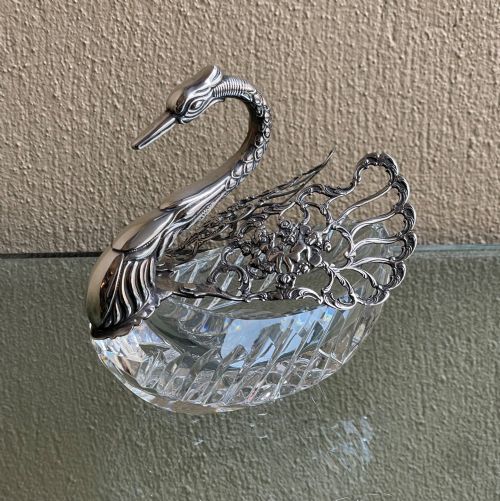


Antique Crystal Centrepiece
An antique crystal centrepiece brings brilliant refractive light and structured height to a formal dining table.
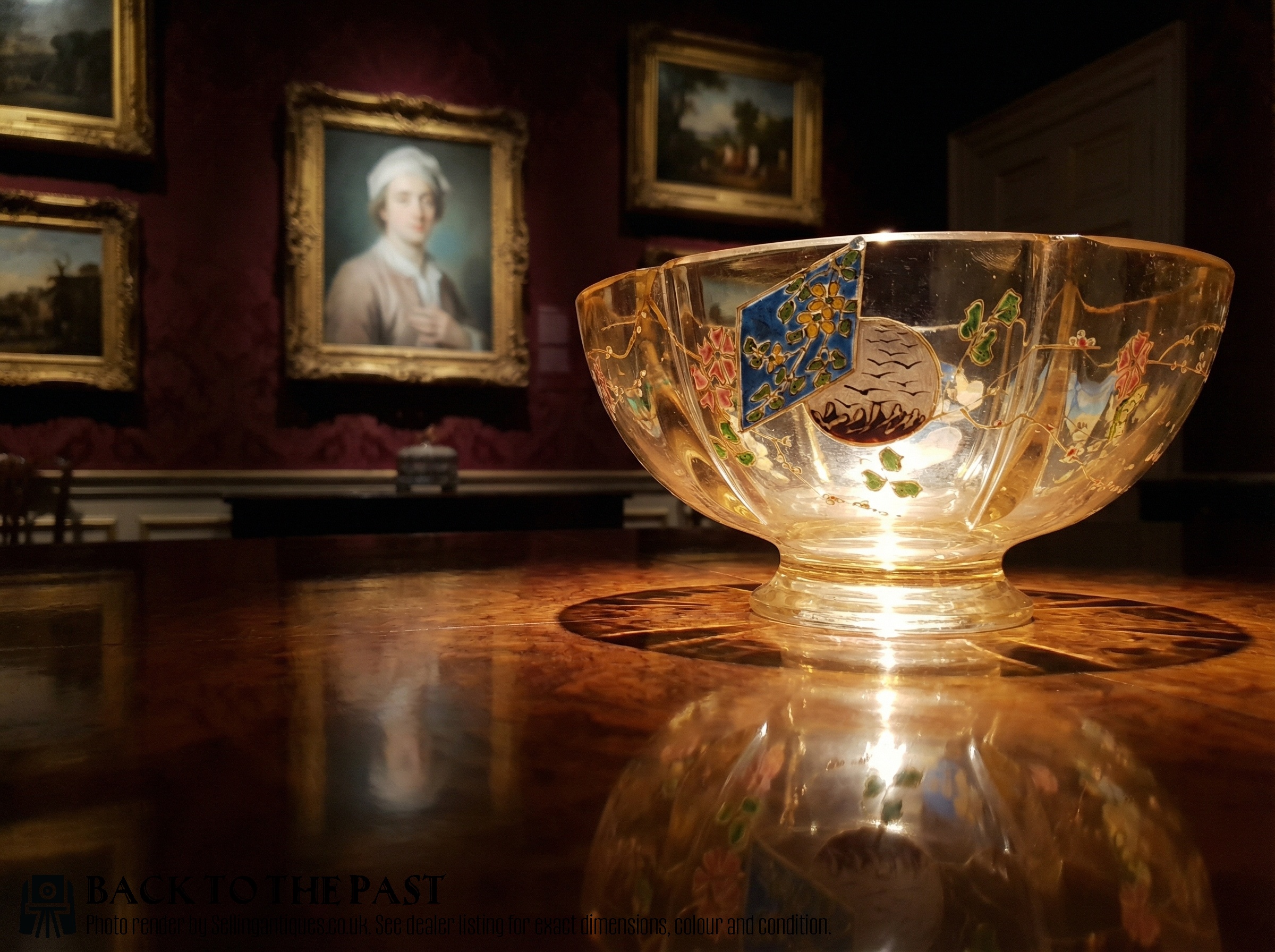
The Form
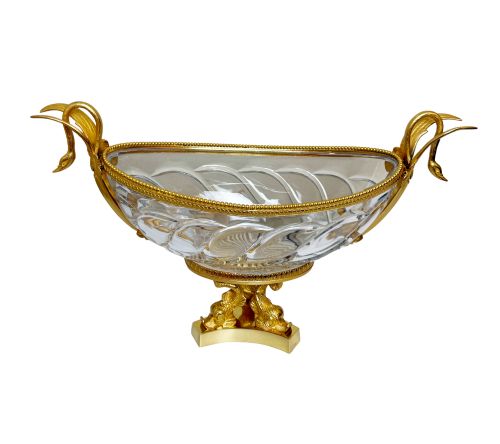
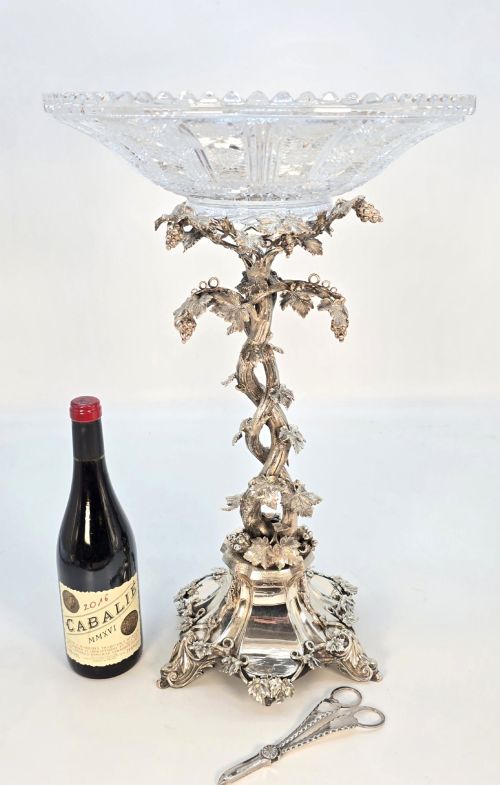
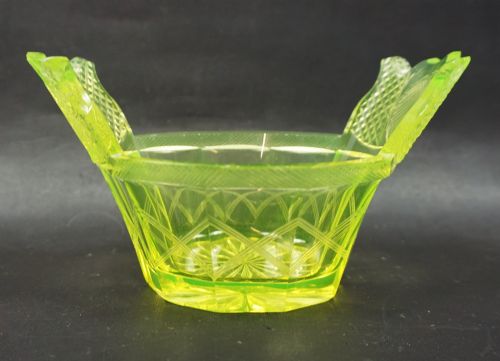
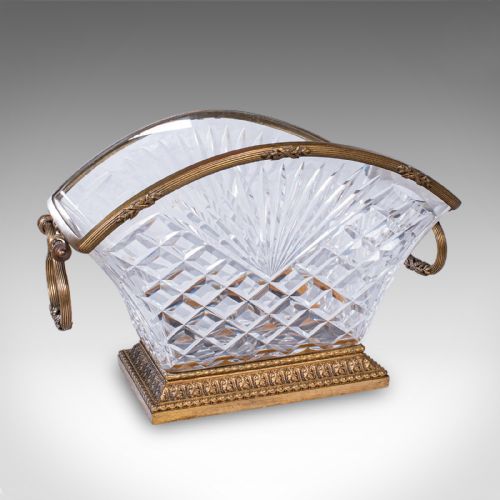
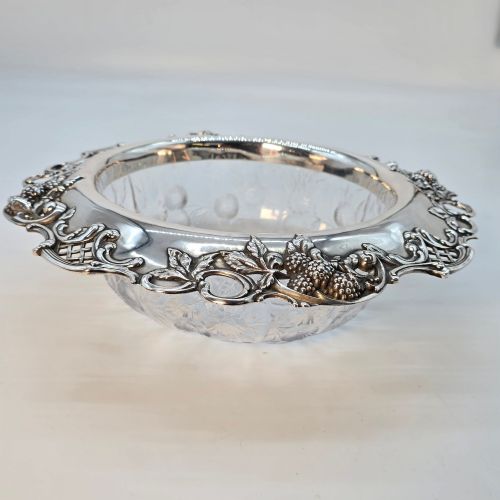
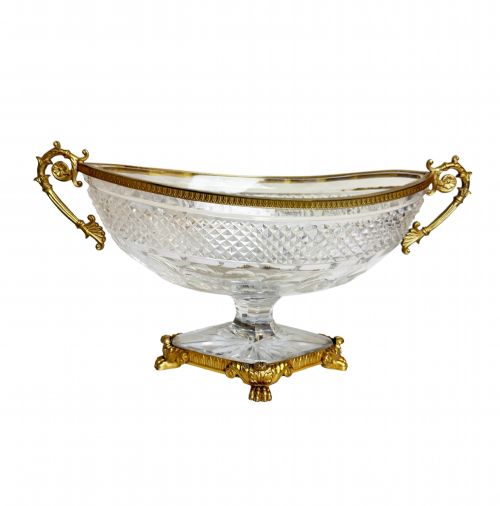
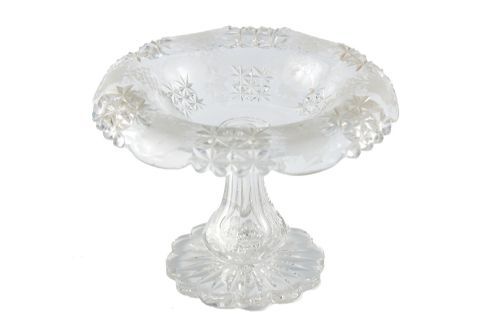
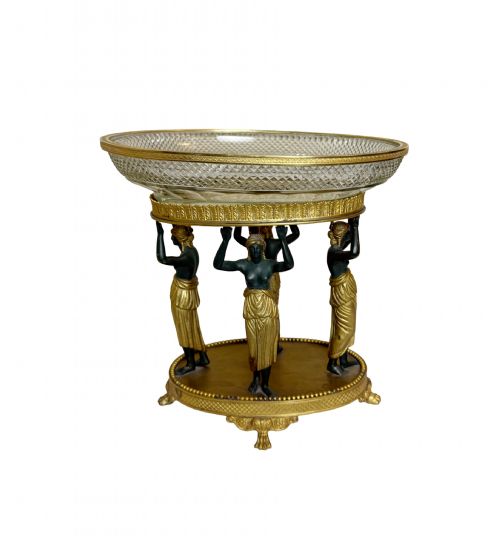
An antique crystal centrepiece comprises heavy, light-catching vessels designed to anchor a table setting, frequently paired with supportive metal frames. The selection includes decorative bowls and covered sweet dishes from the Victorian era up through the nineteen-twenties.
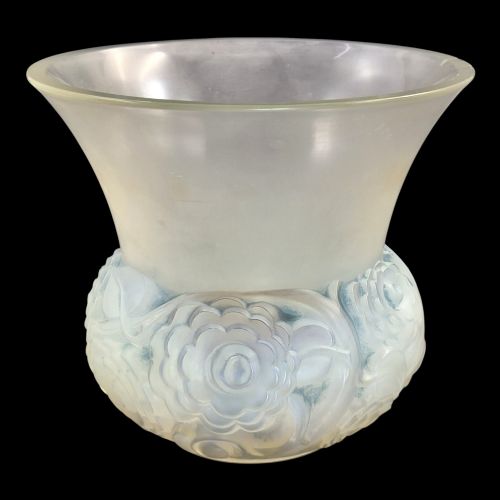
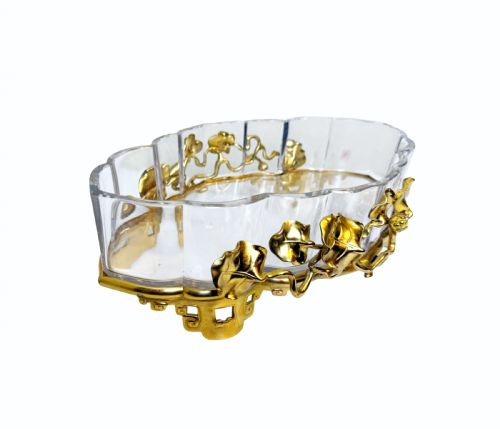
Makers utilised various decorative contexts, producing pieces in distinct aesthetics such as Art Nouveau, Japonisme, and Louis Revival styles. These objects served functional and ornamental purposes in nineteenth and early twentieth-century interiors.
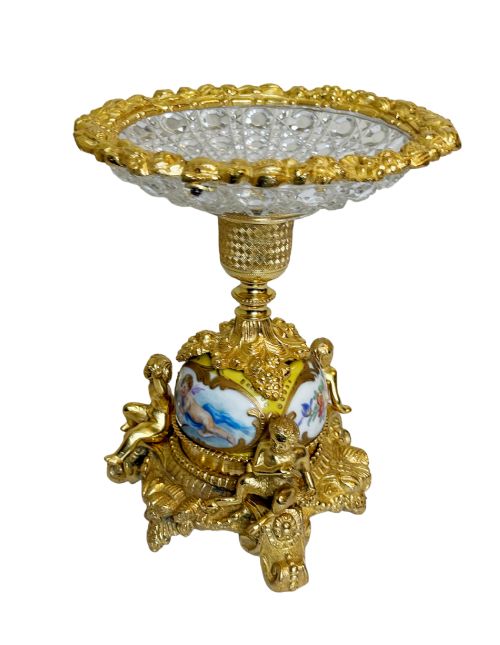
Origin points visible in the records span English production alongside French workshops, with silver plating, gilt bronze, and enamel frequently framing the glass bodies.
Materials and Technique
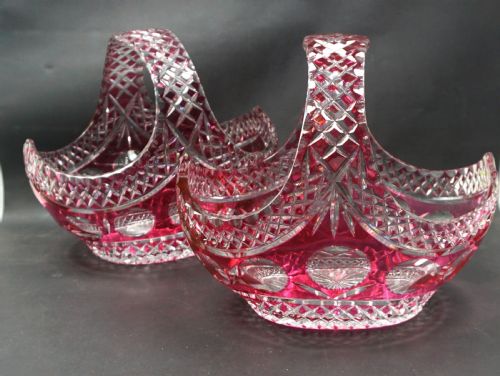
Makers formed the primary vessel using cut glass, crystal, or cut crystal, shaping heavy blanks that were subsequently wheel-cut to create deep refractive facets and geometric patterns. This glasswork requires substantial weight and clarity to achieve the characteristic sparkle.
Metal mounts incorporate silver, silver plate, Dutch silver, and gilt bronze, often cast and chased in elaborate revival or naturalistic styles. Enamel accents appear on specific decorative items, adding coloured detail to the metallic frames.
Retail Price Guide 2026
Typical UK retail prices for crystal centrepiece, calculated from the Sellingantiques database of over a million retail prices indexed since 2003. This retail price guide relies exclusively on Sellingantiques data; no external sources or auction records are used, so the figures do not describe the wider market.
Design styles represented in the archive span Victorian, Art Nouveau, Japonisme, and Louis Revival.
Assessing Quality
The distinction between standard examples and superior pieces rests upon the crispness of the glass cutting and the weight of the metal framework. Deeper, sharper facets on the crystal produce vastly superior light dispersion.
Mount quality separates mass-produced items from finer studio output, with hand-chased gilt bronze or substantial silver plating indicating greater workshop investment. The integration between glass bowl and metal frame demands precise engineering to ensure stability.
François Eugène Rousseau·Baccarat
The Antique Crystal Centrepiece Glossary
- Cut Crystal
- Glass containing lead oxide that is mechanically or hand-cut with facets to maximise brilliance and light refraction. This material forms the heavy body of the centrepiece.
- Gilt Bronze
- An alloy of copper and zinc treated with a gold amalgam or finish to provide a rich golden surface. It frequently provides structural support for the glass bowls.
- Japonisme
- A nineteenth-century artistic movement influenced by Japanese art, visible in specific bowl designs and motifs. This style broke from traditional European symmetry.
- Louis Revival
- A decorative style drawing on seventeenth and eighteenth-century French royal aesthetics, marked by scrolls and ornate casting. It appears frequently in nineteenth-century metalwork mounts.
Frequently Asked Questions
What is an antique crystal centrepiece used for?
These large bowls and covered dishes functioned primarily as decorative focal points on dining tables during formal meals. They held fruit, flowers, or confectionery to impress guests.
Today, they serve the same aesthetic purpose on large sideboards, dining tables, or entrance halls where their reflective qualities catch natural light.
How do I date a crystal centrepiece?
Dating relies heavily on the style of the metal mounts, the cutting patterns on the crystal, and documented maker marks. Victorian and Louis Revival pieces often feature heavier cast mounts and deep geometric cutting.
Later pieces from the early twentieth century lean towards cleaner lines or transitional Art Nouveau forms. Comparing the metalwork technique with known period styles confirms the decade.
What styles are common?
Victorian and Louis Revival styles dominate the archival and current selections, featuring ornate silver-plated or gilt bronze frames. These styles emphasise scrollwork and decorative casting.
Art Nouveau and Japonisme examples introduce asymmetrical lines and nature-inspired motifs. These varied aesthetics reflect the shifting tastes of nineteenth-century European design.