

Antique Crossbanded Table
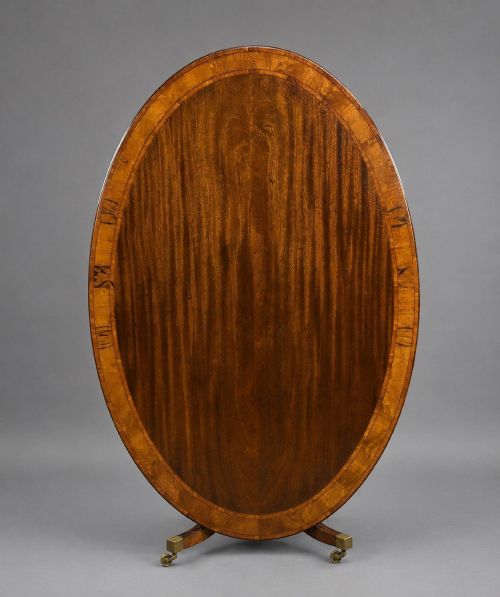
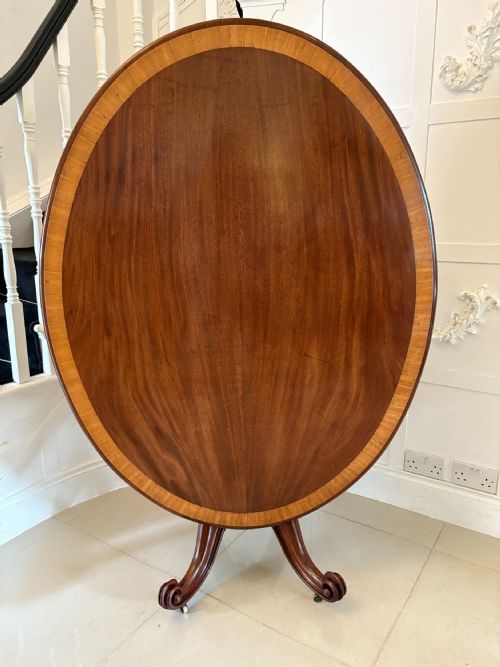
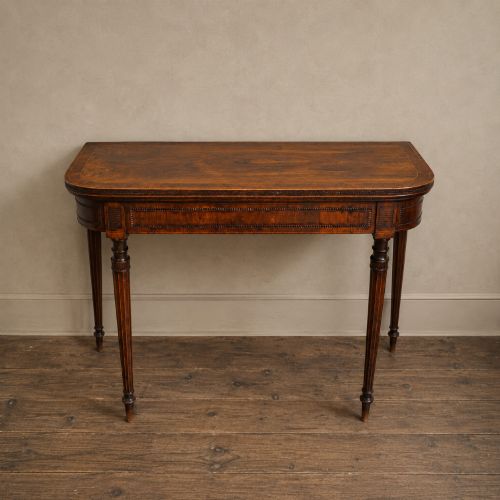
An antique crossbanded table brings framed borders of contrasting timber into a room, offering both practical surface space and fine cabinet work.
Antique Crossbanded Table
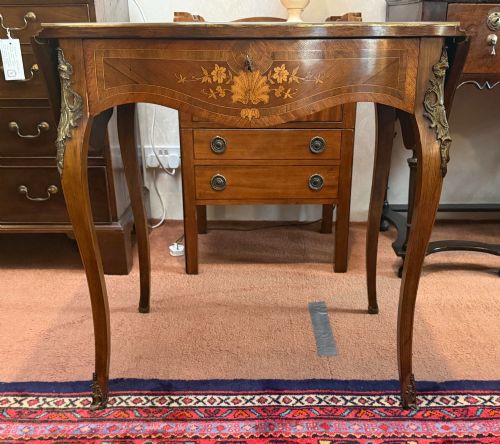
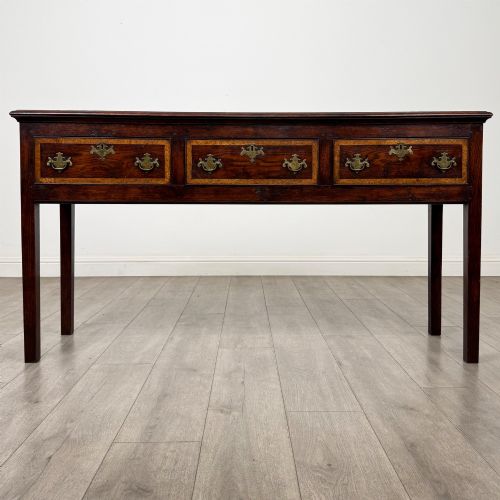
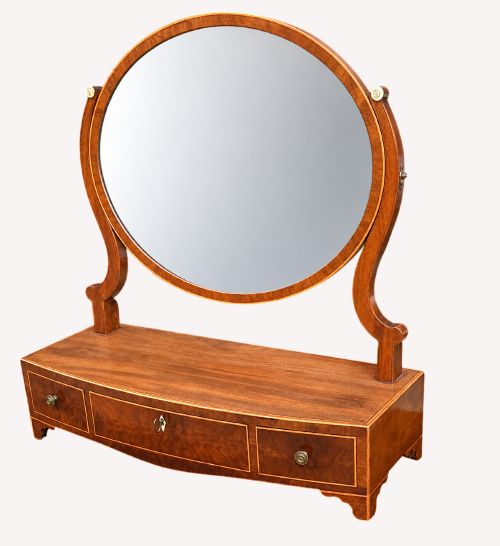
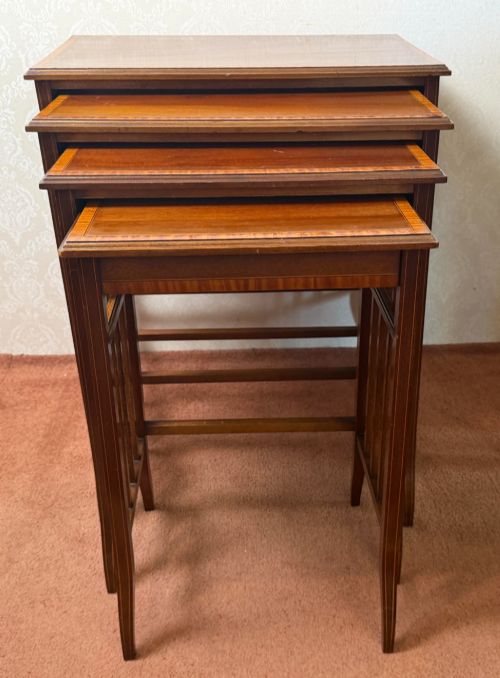
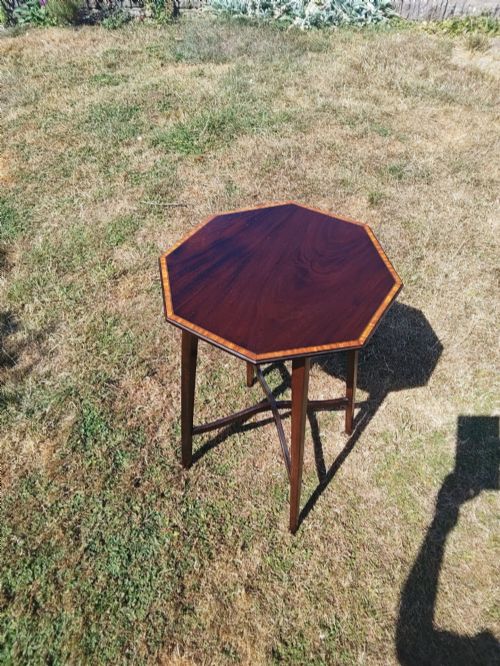
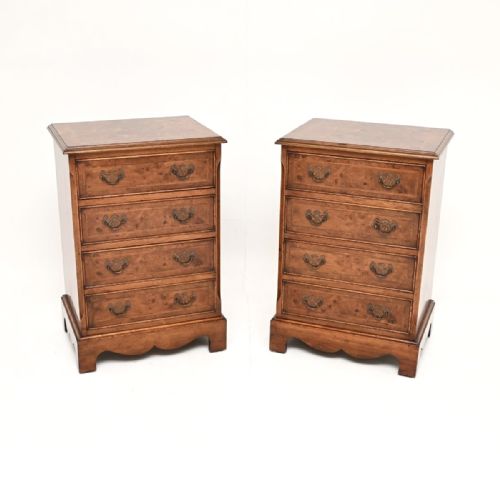
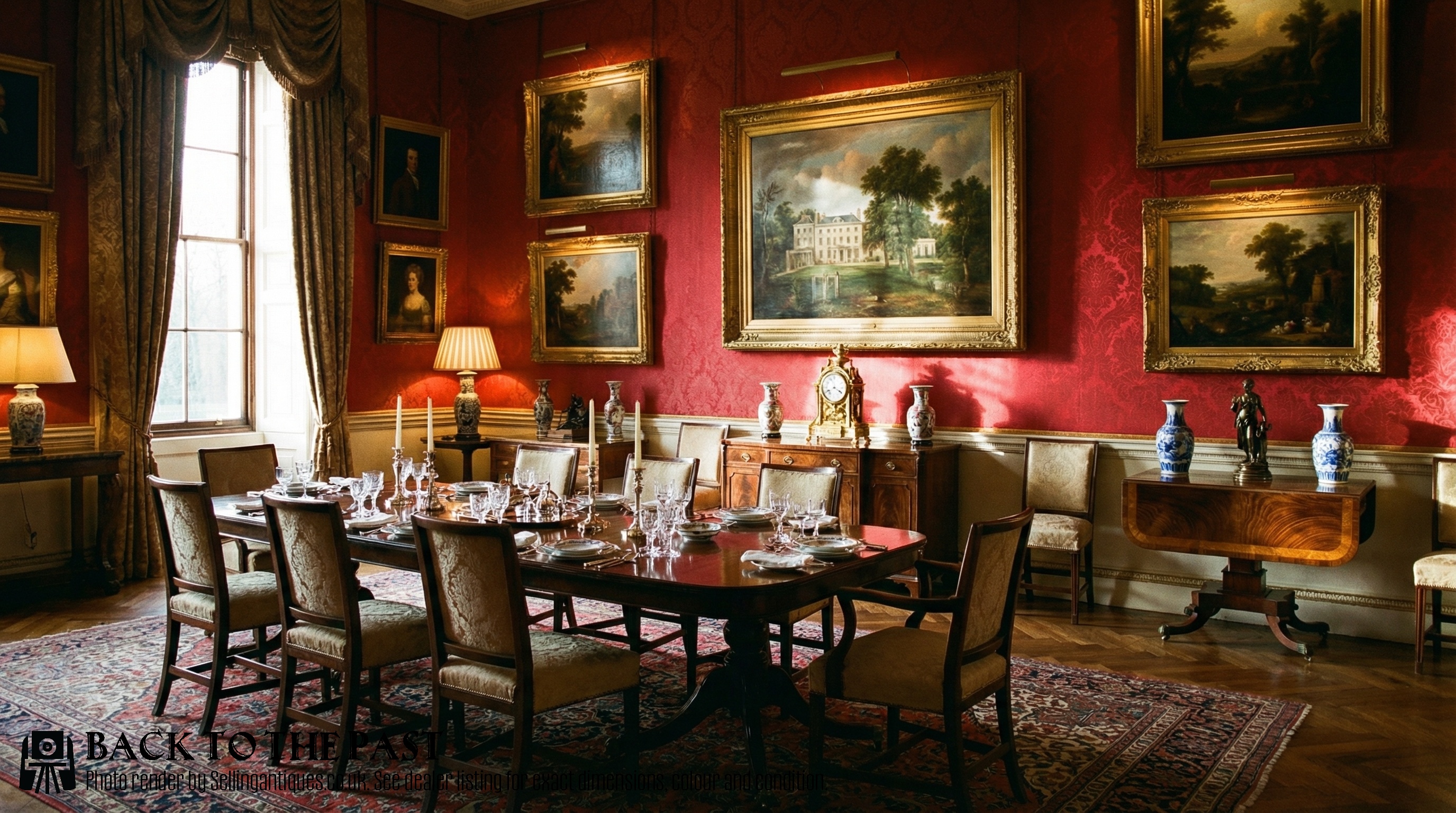
When you search for an antique crossbanded table, you meet a variety of forms shaped across the eighteenth, nineteenth, and early twentieth centuries. Dining tables, card tables, side tables, and nest of tables appear frequently among these listings.
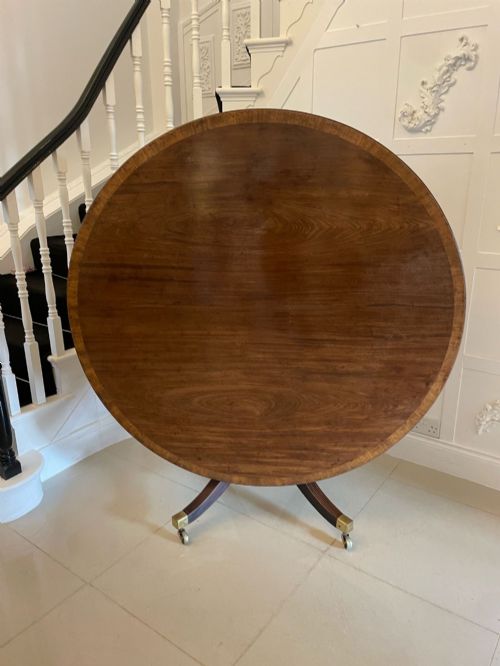
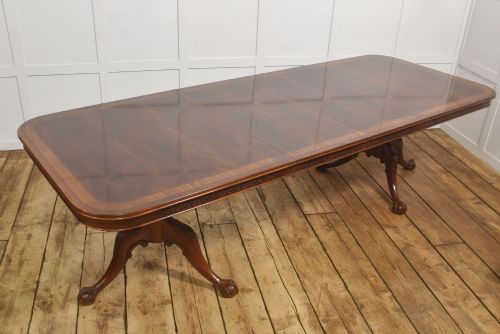
Most examples originate from Georgian, Regency, and Edwardian periods, employing timber borders that run perpendicularly to the grain of the main surface. Dining tables seat groups of six or eight, while smaller occasional and card tables function in tighter spaces.
Cabinet makers utilised styles ranging from Sheraton and Chippendale to later revivals. Walnut, mahogany, and rosewood serve as the primary groundwork for these bordered surfaces.
Materials and Technique
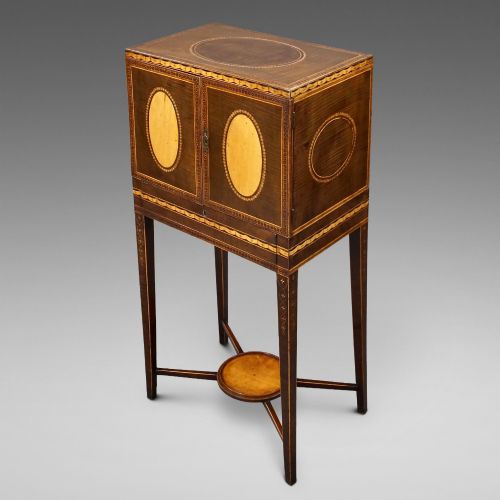
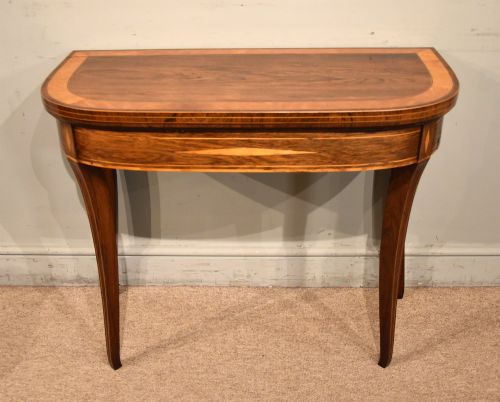
Craftsmen built these pieces using solid timbers and applied veneers of mahogany, walnut, satinwood, and rosewood. Crossbanding involves laying narrow strips of veneer so that the grain runs at right angles to the central panel, framed often by fine stringing lines of boxwood.
Secondary woods like oak provide structural stability for drawer linings and internal framing. Brass fittings, ormolu mounts, and leather inserts complete the construction of desks, games tables, and sofa tables.
Antique Crossbanded Table Retail Price Guide 2026
Typical asking prices for crossbanded table among the pieces listed under this phrase on Sellingantiques today, from the lower quarter to the upper quarter. They describe what is for sale here now, not the wider market.
Listings feature eighteenth-century, nineteenth-century, and twentieth-century periods, alongside Edwardian and Regency styles.
Assessing Quality
The standard of a piece rests on the choice of figured timber and the precision of the veneer work. Book-matched mahogany or burr walnut paired with neat satinwood banding indicates higher skill in the workshop.
Proportion and structural integrity separate standard production from superior examples. Finely tapered legs, well-fitted hinges on fold-over card tables, and original brass castors show proper execution by the maker.
Peters of Genoa·James Mein Kelso
The Antique Crossbanded Table Glossary
- Crossbanding
- A border of veneer laid around the edge of a table top with the grain running perpendicular to the centre panel. This technique frames the primary wood and creates a decorative contrast.
- Satinwood
- A durable, light yellow timber used extensively for banding, inlay, and stringing. It provides a bright contrast against darker woods like mahogany and rosewood.
- Pembroke table
- A small rectangular table with hinged drop leaves on two opposing sides. Many include a single drawer and slender legs.
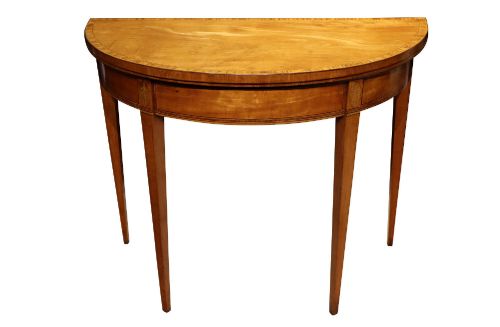
- Demi-lune
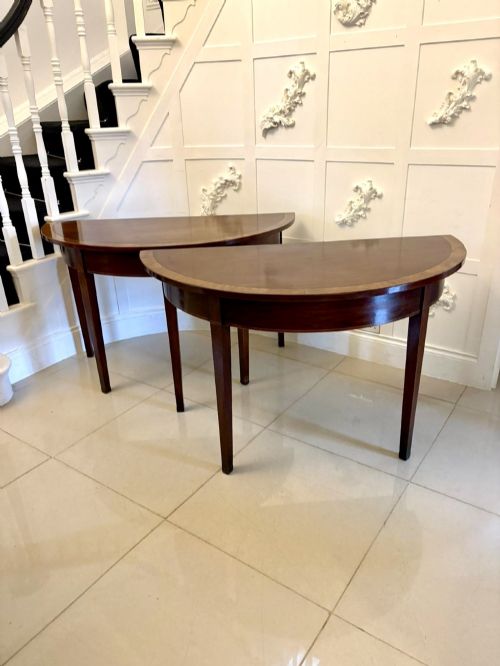
- A half-moon shape typical of console and card tables designed to stand flush against a wall. These pieces often feature extensive crossbanding along the curved edge.
Antique Crossbanded Table: Frequently Asked Questions
What is a nest of tables?
A nest of tables consists of a set of graduated tables designed to slide neatly underneath one another. They save floor space while providing multiple surfaces.
They sit easily beside armchairs or sofas for holding drinks and books during daily use.
How do I identify a Pembroke table?
A Pembroke table is recognisable by its drop leaves supported by hinged wooden brackets called rule joints. It typically has four legs and can include a drawer.
These versatile pieces fit beside seating or serve as small writing desks in studies.
What distinguishes Regency tables?
Regency tables draw on classical design influences, often featuring rosewood, brass inlay, and pedestal bases with scroll feet. The proportions are clean and structural.
In a modern interior, they anchor a dining room or library with distinct nineteenth-century character.